
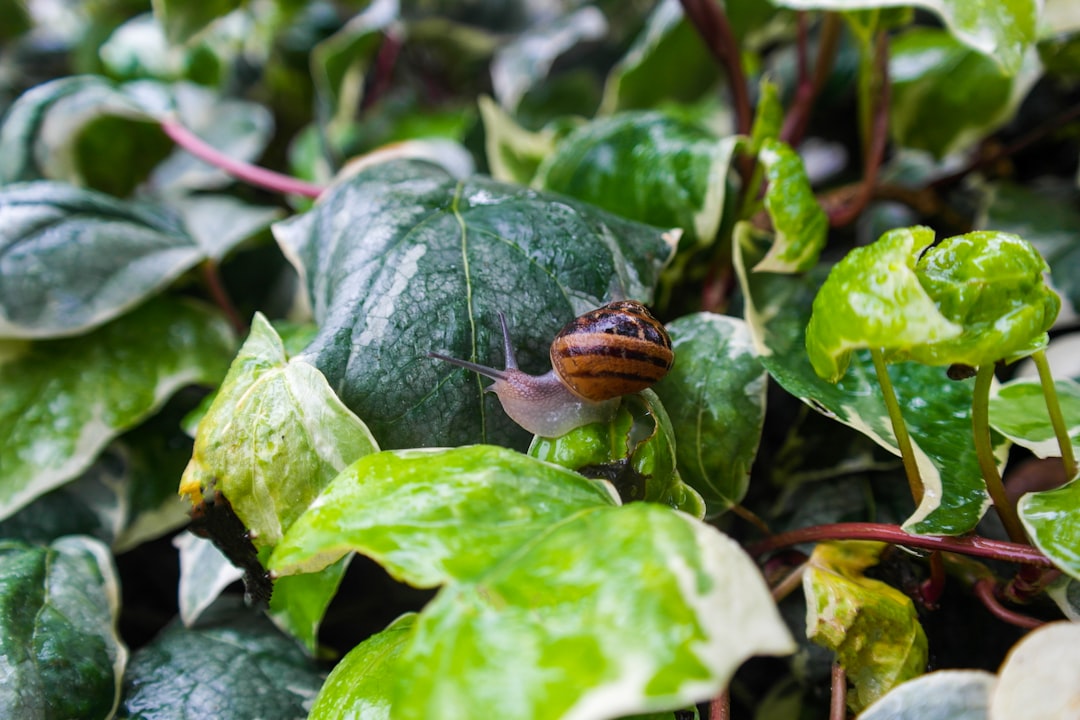
How to Keep Pests Away from Organic Garden?
Are you tired of battling pesky invaders in your organic garden? You're not alone.
Many gardeners face the frustration of nurturing their plants only to have them attacked by unwelcome critters. But here's the good news: you can protect your green sanctuary without resorting to harsh chemicals. Imagine a thriving garden where your vegetables grow untouched and your flowers bloom in peace.
Intrigued? Keep reading to discover simple, effective strategies to keep pests away from your organic garden, ensuring that your hard work pays off. Whether you're a seasoned gardener or a newbie, these tips will empower you to create a pest-free paradise.
Understanding Common Garden Pests
Organic gardening can face challenges from pests like aphids and slugs. Natural solutions such as neem oil and companion planting help keep them at bay. Encouraging beneficial insects like ladybugs also aids in maintaining a pest-free garden environment.
How to Keep Pests Away from Organic Garden? Understanding Common Garden Pests Creating an organic garden is a rewarding experience, but it can be challenging when pests invade. Understanding the common culprits is crucial to keeping your garden healthy. With a little knowledge, you can spot these pests before they wreak havoc.
Identifying Harmful Insects
Insects can be your garden's worst enemy. Aphids, for instance, suck the sap from plants, causing leaves to wilt. If you notice sticky residue on leaves, it's a sign of aphids. Caterpillars can munch on leaves overnight, leaving you with just stems by morning. Ladybugs and praying mantises are your allies. They eat harmful insects and keep the balance in check. Are you seeing holes in your leaves? Check under them for caterpillars or beetles—they often hide there.
Recognizing Plant Diseases
Not all garden issues come from insects. Diseases can also threaten your plants' health. Yellow spots or wilting can indicate a fungal infection. Powdery mildew appears as white spots on leaves and thrives in humid conditions. Keep an eye on plants that suddenly stop growing or change color. It might be a sign of root rot. Rotate your crops and ensure good air circulation to prevent disease spread.
Spotting Animal Intruders
Animals can be unexpected garden visitors. Rabbits love tender greens and can clear a bed overnight. If you notice chewed stems, rabbits might be the culprits. Deer can ruin taller plants, leaving them snapped and broken. Use fencing to deter larger animals. Sometimes, hanging shiny objects can scare them away. Have you noticed missing fruits or veggies? Birds might be enjoying your harvest. Netting can help protect your crop. Gardening is a constant battle against pests. But by understanding these common threats, you can take proactive steps to protect your plants. What strategies work best in your garden? Share your experiences and solutions.
Natural Pest Control Methods
Embracing natural pest control methods in your organic garden not only protects your plants but also nurtures a healthier ecosystem. These methods are both effective and eco-friendly, ensuring your garden thrives without harmful chemicals. As you explore these techniques, you'll discover how to harmonize nature's balance while keeping pests at bay.
Companion Planting Strategies
Have you ever noticed how some plants seem to thrive when grown together? Companion planting is a method where certain plants help each other by repelling pests or enhancing growth. For example, marigolds are great allies for tomatoes, deterring nematodes and harmful insects. Basil can ward off flies and mosquitoes, making it perfect next to your peppers. By thoughtfully pairing plants, you create a natural defense system that minimizes pest issues.
Consider experimenting with different combinations. Are there any plants in your garden that could benefit from a new neighbor? Take notes and observe how these pairings impact your pest control efforts.
Using Beneficial Insects
Did you know that some insects are actually your garden's best friends? Beneficial insects like ladybugs, lacewings, and predatory beetles feast on pests such as aphids and mites. Encouraging these helpful creatures into your garden can significantly reduce pest populations.
To attract these insects, plant flowers like daisies, yarrow, and fennel, which provide food and shelter. You can even purchase beneficial insects to boost their numbers. Have you tried introducing them to your garden yet? Watch as they silently battle pests, turning your garden into a lively ecosystem.
Homemade Organic Sprays
Why rely on store-bought solutions when you can create powerful pest repellents at home? Homemade organic sprays are cost-effective and chemical-free, protecting your plants without harming beneficial insects. A simple mixture of water, garlic, and chili peppers can deter a range of pests. Or, try a soap spray using mild dish soap to suffocate soft-bodied insects.
Have you crafted your own spray yet? Experiment with different ingredients and find the perfect blend for your garden's needs. This hands-on approach empowers you to take control while saving money.
Natural pest control methods offer practical, sustainable options for your organic garden. By implementing these strategies, you're not just protecting your plants—you're cultivating a thriving, balanced ecosystem. How will you safeguard your garden using nature's wisdom today?
Creating A Pest-resistant Environment
Create a pest-free organic garden by using natural repellents and companion planting. Encourage beneficial insects and maintain healthy soil. Regularly inspect plants to prevent infestations.
Creating a pest-resistant environment is crucial for maintaining the vitality of your organic garden. Pests can wreak havoc on your plants, but there are practical steps you can take to minimize their impact. By focusing on the health of your garden's soil, selecting the right plant varieties, and managing your watering techniques, you can create an environment that's less inviting to pests.
Soil Health And Fertility
Healthy soil is the foundation of a pest-resistant garden. Rich, fertile soil encourages strong plant growth, making them more resilient to pest attacks. Consider adding compost to enrich your soil with essential nutrients. Test your soil's pH level and adjust it if necessary. Most vegetables prefer a slightly acidic to neutral pH. Amend your soil accordingly to ensure your plants are growing in the best possible conditions. Rotate your crops each season. This practice prevents pests from establishing themselves in your garden and reduces the risk of diseases.
Choosing Pest-resistant Varieties
Selecting the right plant varieties can make all the difference. Opt for pest-resistant varieties when possible. They are bred to withstand common pests, giving you an edge in the fight against garden invaders. Look for seeds labeled as "pest-resistant" or check with local gardening experts for recommendations. Different regions may have specific varieties that thrive and resist pests better than others. Diversify your plantings. A mix of different plant species can confuse pests and reduce the likelihood of a severe infestation.
Proper Watering Techniques
Watering your plants correctly is more than just keeping them hydrated; it's also about preventing pests. Overwatering can lead to root rot and other diseases, which attract pests. Water your garden early in the morning. This allows the leaves to dry before evening, reducing the chance of fungal diseases which pests love. Use drip irrigation or a soaker hose. These methods deliver water directly to the soil, minimizing moisture on the foliage and reducing pest-friendly environments. Creating a pest-resistant garden doesn't have to be a daunting task. Have you ever noticed how a little attention to these details can transform your garden's health? With these steps, you can enjoy a thriving, pest-free organic garden.
Physical Barriers And Deterrents
Protect your organic garden by using physical barriers like netting and fences. These deter pests effectively. Planting companion plants can also help keep unwanted visitors away.
Creating a thriving organic garden is a rewarding endeavor, but it comes with its own set of challenges, particularly when dealing with pests. While chemical solutions might seem tempting, they can compromise your organic integrity. Instead, employing physical barriers and deterrents is an effective and eco-friendly way to keep unwanted critters at bay. From fences to mulch, these strategies offer practical solutions for maintaining the health and productivity of your garden.
Installing Garden Fences
Garden fences are a first line of defense against larger pests like rabbits and deer. A sturdy fence can protect your plants from being nibbled on before they even have a chance to grow. Opt for materials like chicken wire or mesh, which are both affordable and effective. Consider the height of your fence based on the type of pests you're dealing with. For example, a three-foot fence might be sufficient for rabbits, but you'll need something taller to deter deer. Remember, a well-installed fence not only keeps pests out but also adds a charming boundary to your garden.
Using Row Covers And Nets
Row covers and nets offer a protective shield over your plants, safeguarding them from insects and birds. These lightweight materials allow sunlight and rain to nourish your plants while keeping pests at bay. I once had a tomato crop that was consistently attacked by pesky caterpillars. Using row covers saved the day, allowing the plants to thrive without chemical intervention. Choose breathable materials to ensure your plants get enough air circulation. With the right covers, you’ll be amazed at the difference in both plant health and yield.
Mulching For Pest Prevention
Mulching serves as an excellent deterrent for pests while enhancing soil quality. Organic mulches like straw or wood chips can discourage insects from laying eggs in the soil. When I first started gardening, I underestimated the power of mulch. After a frustrating season of battling weeds and pests, I decided to give it a try. The results were transformative. Spread a thick layer of mulch around your plants to create an environment that's less inviting for pests. Besides keeping insects away, mulch retains soil moisture and suppresses weeds—a win-win for any gardener. --- Incorporating these physical barriers and deterrents can significantly reduce the pest problem in your organic garden. What strategies have you tried, and how have they worked for you? Share your experiences in the comments and let’s learn from each other.
Monitoring And Maintenance
Keeping pests away from an organic garden involves regular monitoring and maintenance. Check plants frequently for signs of pests. Use natural deterrents like neem oil or garlic spray to maintain plant health.
Monitoring and maintaining your organic garden is crucial for keeping pests at bay. Consistent attention helps you catch potential pest problems before they escalate. By staying proactive, you protect your plants and ensure a healthy, thriving garden.
Regular Garden Inspections
Regular inspections are your first line of defense against pests. Dedicate a few minutes each week to walk through your garden. Look closely at leaves, stems, and soil for signs of unwanted visitors. Spotted holes in leaves or discolored patches? These could be early warnings. By catching them early, you can address issues before they spread. Think of it as a mini adventure. Each inspection reveals something new about your garden's ecosystem. What did you discover today?
Record Keeping For Pest Patterns
Keeping a garden journal is more beneficial than you might think. Document any pest sightings, plant damages, and the measures you took. Over time, patterns will emerge. Are certain pests returning to specific plants? Your notes will reveal these trends. This allows you to prepare and plan accordingly. Recording your garden's history isn't just practical—it's rewarding. You'll see how your efforts pay off over time.
Seasonal Adjustments And Care
Pests don't behave the same way year-round. As the seasons change, so do their habits. Understanding these patterns helps you adjust your care tactics. Consider how spring showers might attract slugs or how summer heat could invite aphids. Adjust your watering, shading, or protective measures accordingly. What adjustments does your garden need this season? Tailoring your approach ensures your garden remains resilient and pest-free all year.
Frequently Asked Questions
What Are Natural Ways To Repel Garden Pests?
Natural methods like companion planting, using neem oil, and introducing beneficial insects can deter pests. Garlic and chili sprays are effective organic options. Crop rotation and maintaining healthy soil also help. Keeping plants well-spaced and removing debris can prevent pest infestations.
How Can Companion Planting Deter Pests?
Companion planting uses certain plants to repel pests naturally. Marigolds deter nematodes, while basil repels flies. Nasturtiums can guard against aphids. This method is chemical-free and supports biodiversity. Select plant combinations that benefit each other and deter specific pests.
Are Homemade Sprays Effective Against Garden Pests?
Homemade sprays can be effective against pests in organic gardens. Garlic, chili, and soap sprays are popular options. These natural mixtures deter insects without harming plants. Regular application can keep pests at bay. Always test sprays on a small area first to avoid plant damage.
How Do Beneficial Insects Help In Pest Control?
Beneficial insects like ladybugs and predatory beetles consume harmful pests. They naturally control populations of aphids and caterpillars. Introducing them to your garden can reduce the need for chemical sprays. Support their habitat by providing diverse plant life and avoid using pesticides.
Conclusion
Keeping pests away from your organic garden is crucial. Start by maintaining healthy soil. Healthy plants resist pests better. Use natural remedies like garlic spray. Plant companion plants to deter insects. Rotate crops to prevent pest build-up. Regularly inspect plants for early signs of damage.
Remove any infested plants immediately. Encourage beneficial insects like ladybugs. They help control pest populations. With these tips, your garden stays safe and productive. Enjoy growing your organic produce without worry. A healthy garden leads to a happy harvest. Keep nurturing your garden, and it will thrive.


