
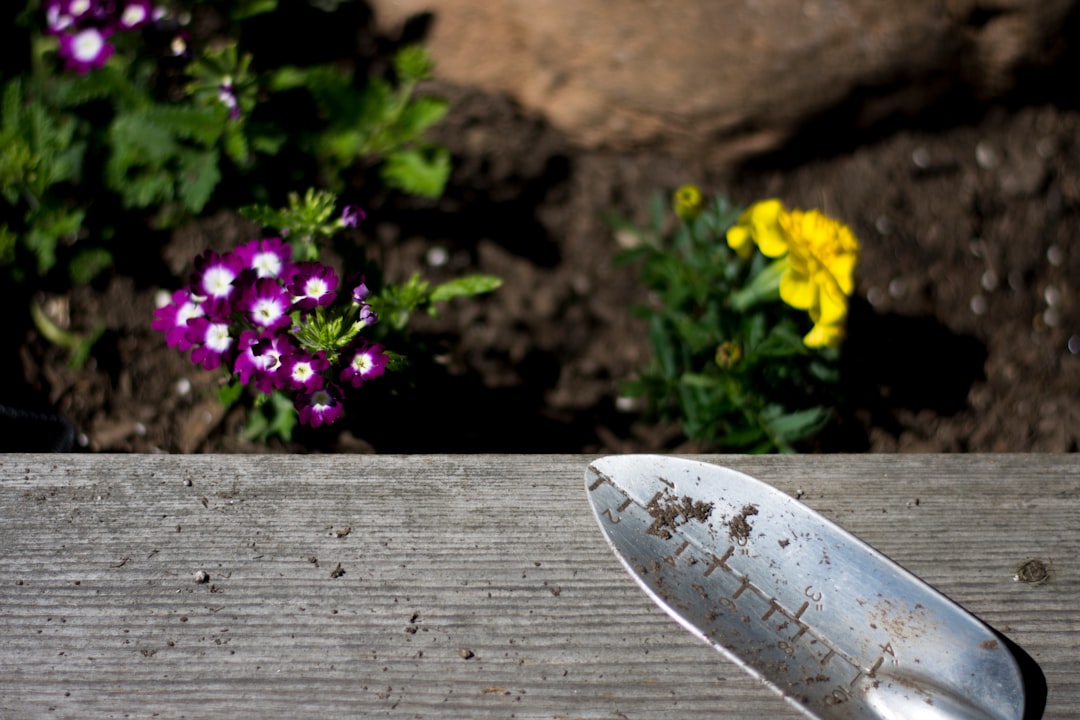
Imagine stepping into your garden, where vibrant blooms and lush greens greet you with their natural beauty. It's your sanctuary, a place of peace and growth.
But lurking in the shadows are uninvited guests—pests that threaten to ruin your hard work. You know the frustration all too well. Yet, the idea of using harsh chemicals feels wrong. What if there was a way to keep your garden safe and thriving without compromising its organic essence?
You're about to discover how. This guide will show you simple, effective strategies to naturally deter pests, so you can enjoy your garden as nature intended. Let's delve into these organic solutions that will transform your garden into a pest-free paradise.
Understanding Common Garden Pests
Understanding common garden pests is essential for organic gardening success. These tiny invaders can harm plants quickly. Recognizing them early helps in managing their impact. This knowledge aids in maintaining a healthy garden ecosystem. Let's dive into identifying these common culprits and spotting the signs of an infestation.
Identifying Common Pests
Garden pests come in many forms. Aphids are tiny, soft-bodied insects. They often appear in clusters. Caterpillars are the larvae of moths and butterflies. They munch on leaves, causing visible damage. Slugs and snails leave a slimy trail. They feed at night, chewing holes in leaves. Beetles, like the Colorado potato beetle, have distinctive markings. They attack specific plants. Recognizing these pests helps in taking timely action.
Signs Of Infestation
Infestations show specific signs. Yellowing leaves may indicate aphid presence. Holes in foliage suggest caterpillar activity. Slugs leave ragged edges on plants. The shiny trails they leave behind are easy to spot. Beetle infestations result in defoliated plants. Droppings or frass around plants signal caterpillars and beetles. Early detection of these signs prevents serious damage.
Natural Pest Prevention Strategies
Natural pest prevention strategies help keep your garden healthy and vibrant. Use companion planting to deter unwanted insects naturally. Encourage beneficial insects like ladybugs to protect your plants.
Gardening organically can be a rewarding experience, not only for the rich harvests but also for the satisfaction of nurturing a healthy ecosystem. One of the most effective ways to protect your garden naturally is by adopting natural pest prevention strategies. These methods help maintain a balanced environment, keeping harmful pests in check without resorting to chemicals. Let's dive into two powerful strategies: companion planting and encouraging beneficial insects.
Companion Planting
Companion planting involves growing certain plants together to enhance growth and deter pests. This practice is like having a best friend in the garden—some plants naturally help each other out! For example, planting marigolds near your tomatoes can repel nematodes, while basil can boost tomato growth and flavor. Consider your garden's layout and think about which plants could benefit from being neighbors. Pairing up plants thoughtfully not only keeps pests away but can also improve soil health and increase yield. Have you ever noticed how some plants seem to thrive together? That’s the magic of companion planting at work. Make a list of plants you wish to grow and research which combinations work best. By planning ahead, you can create a garden that thrives on its own synergy, reducing the need for intervention.
Encouraging Beneficial Insects
Not all insects are your garden’s enemies. In fact, many can be your allies, helping to control pest populations naturally. Ladybugs, for example, love to feast on aphids, while lacewings can help reduce caterpillar numbers. Invite these beneficial insects into your garden by providing them with a welcoming habitat. Plant a variety of flowers that bloom at different times to offer a continuous food source. Dill, fennel, and yarrow are excellent choices that attract these helpful bugs. Consider adding a shallow dish of water with pebbles for them to drink. Have you ever tried setting up a small water source and noticed a surge in ladybug visitors? Simple actions like these can make a big difference in maintaining a healthy, balanced garden ecosystem. By focusing on these natural pest prevention strategies, you create a vibrant, self-sustaining garden. What steps will you take today to make your garden a haven for beneficial insects and friendly plant companions?
Homemade Pest Control Solutions
Gardening brings joy but pests can be a nuisance. Keeping them away without chemicals is possible. Homemade solutions are effective and safe for the environment. These remedies use ingredients found in your kitchen. They help maintain a healthy garden and protect your plants naturally.
Natural Sprays And Mixtures
Create your own sprays using household items. Garlic spray is popular and easy to make. Blend garlic cloves with water and strain. Spray this on plants to repel insects. Soap and water mixture works well too. Mix dish soap with water and spray. It suffocates pests like aphids and mites.
Neem oil is another effective solution. Mix it with water and apply. It disrupts insect growth and reproduction. Essential oils like peppermint and citrus can deter pests. Add a few drops to water and spray on foliage. These natural sprays are safe and non-toxic.
Diy Traps And Barriers
Traps can help catch and eliminate pests. Use beer to attract slugs. Place shallow containers filled with beer in the garden. Slugs are drawn to the yeast and drown. Sticky traps can capture flying insects. Hang them near affected plants.
Barriers prevent pests from reaching plants. Copper tape is useful against slugs. Place it around the base of pots or raised beds. Netting keeps birds and larger insects away. Cover plants with lightweight nets for protection. Row covers shield plants from harsh weather and pests.
These DIY methods are budget-friendly and effective. They require minimal effort but provide significant results. Keep your garden thriving using homemade pest control solutions.
Soil And Plant Health
Maintain a healthy garden by using natural methods to deter pests. Encourage beneficial insects like ladybugs. Introduce plants that repel unwanted bugs, such as marigolds or lavender. Use homemade sprays from ingredients like garlic or neem oil to protect your garden organically.
Keeping pests out of your garden organically starts with a deep understanding of soil and plant health. It's like building a strong foundation for a house; everything else depends on it. By focusing on maintaining healthy soil and choosing resistant plant varieties, you can create a thriving ecosystem that naturally deters pests. Imagine walking through your garden, seeing vibrant plants without any pest damage. How satisfying would that be?
Maintaining Healthy Soil
Healthy soil is the lifeblood of your garden. It provides essential nutrients and fosters beneficial organisms that help keep pests at bay. Start by testing your soil to understand its nutrient levels and pH balance. Add organic matter like compost to improve soil structure and fertility. This encourages earthworms and microbes, which can naturally deter pests. Rotate your crops to prevent soil depletion and disrupt pest cycles. Mulching is another excellent practice. It conserves moisture, suppresses weeds, and can act as a barrier to pests. When I began mulching, I noticed fewer weeds and healthier plants almost immediately. Have you tried it yet?
Choosing Resistant Plant Varieties
Selecting the right plants is crucial in keeping pests away. Some plant varieties are naturally resistant to specific pests. Research and choose those best suited to your local climate and pest challenges. Consider companion planting as well. Certain plants, when grown together, can repel pests or attract beneficial insects. For example, marigolds can keep nematodes away from your vegetable garden. Have you noticed how certain plants thrive next to each other? Keep diversity in your garden. A mix of plants can confuse pests and reduce the chance of a large-scale infestation. By focusing on these aspects, you're not just warding off pests; you're creating a healthy, balanced garden environment. What changes are you excited to try in your garden?
Physical Barriers And Deterrents
Gardening brings joy but pests can ruin it. Protecting your plants naturally is essential. Physical barriers and deterrents offer effective solutions. These methods keep pests out without harming the environment.
Using Mulches And Covers
Mulches help prevent pests. They act as a protective layer on soil. Mulch blocks sunlight, reducing weed growth. Weeds attract pests, so less weeds mean fewer pests. Organic mulches like straw and wood chips work best. They add nutrients to the soil too. Covers protect plants from insects. Use row covers made from lightweight fabric. These covers let air and sunlight pass. They create a barrier that keeps bugs away.
Building Fences And Netting
Fences keep larger pests out. Rabbits and deer can destroy gardens quickly. A sturdy fence stops them effectively. Use fences made from wood or wire mesh. Ensure the fence is high enough to deter animals from jumping over. Netting works well for smaller pests. Birds love berries and vegetables. Netting prevents them from reaching plants. Secure netting tightly to prevent birds from slipping underneath.
Regular Monitoring And Maintenance
Regular monitoring helps detect pest problems early. Check plants weekly for signs like holes or discoloration. Maintain healthy soil to boost plant resistance naturally.
Keeping pests at bay in your garden organically requires a hands-on approach. Regular monitoring and maintenance are your first line of defense. By staying vigilant, you can catch potential pest problems before they become full-blown infestations. This proactive approach not only saves your plants but also reduces the need for harsh chemicals.
Routine Inspections
Set aside time each week to walk through your garden. Look closely at the leaves, stems, and soil. Are there any signs of nibbling, discoloration, or tiny holes? These could be early indicators of pest activity. Catching these signs early allows you to take action swiftly. A friend once spotted aphids on her roses just in time and managed to wash them off with soapy water, avoiding a larger issue.
Pruning And Cleaning Practices
Pruning isn't just about aesthetics; it helps in pest control too. Trim dead or diseased branches promptly. This prevents pests from finding a home in decaying matter. Keep the garden floor clean by removing fallen leaves and debris. They can harbor pests and diseases, acting as a breeding ground. Imagine leaving dirty dishes in your kitchen; it’s an open invitation for ants. Your garden isn’t much different. Maintaining a healthy garden requires attention to detail and a little elbow grease. Do you have a favorite pruning tool, or perhaps a routine that works wonders? Share your tips and keep your garden thriving organically.
Utilizing Organic Products
Keep pests away from your garden by using organic methods. Natural solutions like neem oil and garlic spray protect plants. Encourage helpful insects, such as ladybugs, to maintain a healthy garden ecosystem.
Utilizing organic products in your garden is a smart way to keep pests at bay while maintaining a healthy ecosystem. Many gardeners, myself included, have found success in using organic methods to protect plants. This approach not only safeguards your crops but also supports beneficial insects and the environment. Let’s dive into some practical steps you can take to make the most of organic products in your garden.
Choosing Certified Organic Pesticides
When selecting pesticides, look for products that have been certified organic. These are usually labeled by trusted organizations and are made from natural ingredients. I remember my first time trying organic pesticides; I was amazed at how effective they were without the harsh chemicals. Pay attention to the labels. They often contain valuable information about the active ingredients and what pests they target. Choosing the right product is crucial for your garden's success.
Application Tips And Timing
Applying organic pesticides at the right time can make a huge difference. Early morning or late afternoon are ideal times as beneficial insects are less active. I once sprayed my garden at midday and noticed fewer bees visiting, a mistake I learned from quickly. Follow the instructions carefully. Too much product can harm plants and too little might not be effective. Consistent application is key to keeping pests away without harming the plants. Have you ever wondered how much timing affects your pesticide's success? It's a game changer. Proper timing ensures that the product works as intended and minimizes any potential harm to your garden’s ecosystem.
Encouraging Biodiversity
Encouraging biodiversity is key to keeping your garden pest-free. A diverse garden attracts beneficial insects. These insects prey on pests. Healthy ecosystems balance themselves. By encouraging biodiversity, gardens become more resilient. They require less intervention. Let’s explore how to boost biodiversity.
Planting Diverse Species
Diverse plant species support a range of beneficial insects. Different plants attract different insects. This helps control pests naturally. Mix flowers, herbs, and vegetables. Each plant type serves a purpose. Some repel pests. Others attract helpful insects. More plant variety means a stronger garden defense.
Creating Wildlife Habitats
Wildlife habitats provide shelter for beneficial creatures. Birds, frogs, and insects thrive in diverse environments. Add birdhouses and insect hotels. These structures invite helpful creatures. Piles of rocks or logs create hiding spots. Small water sources attract frogs and toads. These animals feast on pests. Natural habitats encourage a balanced garden ecosystem.
Frequently Asked Questions
What Are Organic Methods To Deter Pests?
Organic methods include using companion planting, natural predators, and homemade sprays. Companion plants repel or trap pests. Encourage beneficial insects like ladybugs. Homemade garlic or chili sprays can deter invaders. These methods are eco-friendly, safe, and effective in maintaining a healthy garden without chemicals.
How Can I Use Plants To Repel Pests?
Use plants like marigolds, basil, or lavender to repel common garden pests. These plants emit scents that deter insects naturally. Plant them alongside vulnerable crops for protection. This strategy is effective for reducing pest damage and promoting biodiversity in your garden, enhancing overall plant health.
Why Is Crop Rotation Effective Against Pests?
Crop rotation disrupts pest life cycles by changing plant locations annually. It prevents pests from establishing in one area. Different crops attract diverse pests, reducing infestations. It improves soil health and fertility, promoting robust plant growth. It's a sustainable practice for maintaining an organic garden ecosystem.
How Do Beneficial Insects Control Pests?
Beneficial insects like ladybugs and lacewings prey on harmful pests. They naturally reduce pest populations, providing biological control. Encourage them by planting nectar-rich flowers. Avoid pesticides to protect these allies. Beneficial insects are integral to organic gardening, ensuring a balanced ecosystem and healthier plants.
Conclusion
Keeping pests away from your garden can be simple. Organic methods protect plants and the environment. Use natural solutions like neem oil and diatomaceous earth. Encourage helpful insects to thrive. Maintain healthy soil to deter pests naturally. Regular checks help catch problems early.
Composting boosts plant health and resilience. These practices keep your garden safe and thriving. Enjoy the beauty of your pest-free garden. Happy gardening!


