
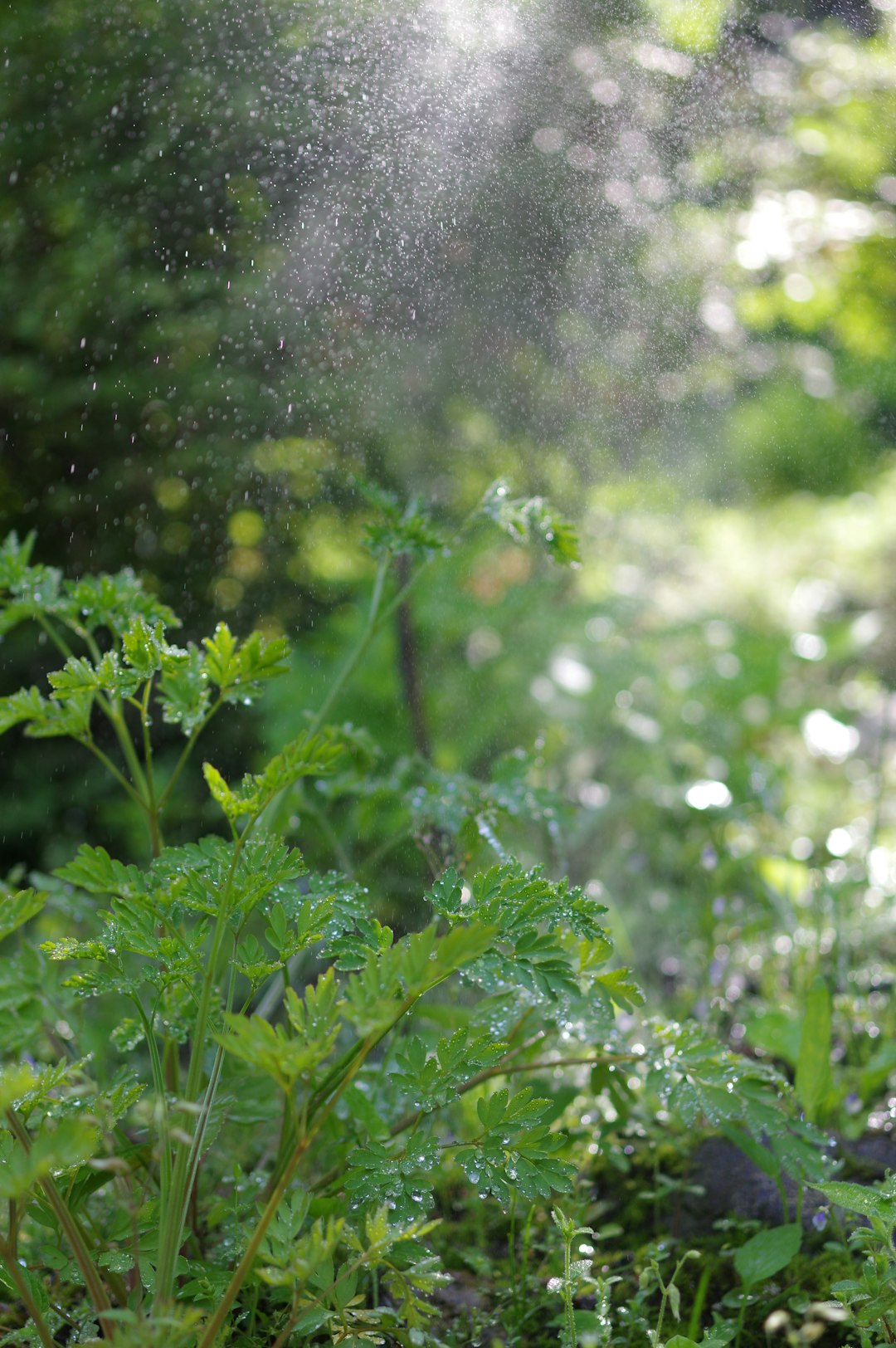
Imagine stepping into your garden, the vibrant colors and lush greenery enveloping you in a serene embrace. Yet, lurking in this picturesque scene are uninvited guests—curious critters nibbling away at your hard work.
You want to protect your garden but hate the thought of using harsh chemicals. This is where organic animal repellents come into play. Organic repellents offer a gentle yet effective solution to keep animals at bay without harming the environment.
They allow you to maintain the delicate balance between nature and nurture. Curious to know how these natural solutions can safeguard your garden? Discover how you can create a thriving, pest-free paradise with organic repellents, ensuring your efforts flourish without compromise.
Natural Animal Repellents
Gardening brings joy. But unwanted animal visitors can disrupt it. They trample plants, dig, and eat crops. Natural animal repellents help keep them away safely. These repellents use non-toxic ingredients. They are safe for plants and animals. They offer an eco-friendly solution. Let's explore effective options.
Herbal Solutions
Herbs like mint and rosemary repel animals. Their strong scents deter pests. Plant them around garden borders. These herbs also add beauty and fragrance. An added bonus? They are useful in cooking.
Essential oils offer a natural defense. Oils like peppermint and lavender work well. Mix them with water. Spray the mixture around the garden. Refresh the spray after rain for best results.
Spicy Mixtures
Spicy ingredients deter animals. Use cayenne pepper or chili powder. Sprinkle them around plants. Animals dislike the spicy taste. It keeps them at bay without harm.
Garlic And Onion
Garlic and onion repel animals effectively. Their pungent smell is unpleasant to many pests. Crush them and mix with water. Spray the mixture around the garden. It keeps unwanted visitors away.
Vinegar Sprays
Vinegar has a strong scent. It repels many garden intruders. Mix vinegar with water. Spray it near plants and garden paths. The smell deters animals while being safe for plants.
Soap Shavings
Soap shavings are a simple solution. Use fragrant soaps like Irish Spring. Scatter shavings around the garden. The soap scent confuses animals. They avoid the area.
These natural repellents offer safe, effective ways to protect gardens. They are easy to make and use. With them, gardens can thrive without harm to wildlife.
Common Animal Pests
Organic animal repellents protect gardens from pests like rabbits and deer. Made from natural ingredients, they are safe for plants and soil. These repellents deter animals with scents they dislike, preserving your garden without harmful chemicals.
Gardening can be a peaceful hobby, but it's not without its challenges. One of the most common issues gardeners face is dealing with animal pests. These creatures, while part of the natural ecosystem, can wreak havoc on your carefully tended plants. Understanding which animals are likely to visit your garden is the first step in finding an organic solution to keep them at bay. Let’s look at some of the usual suspects you might encounter.
Deer
Deer are majestic creatures, but they can be a gardener's nightmare. Their love for tender shoots and leaves often leads them to garden areas. They have a knack for finding their way into gardens, especially at dawn or dusk when they're most active. To deter deer, consider planting deer-resistant plants like lavender or marigolds. You might also try natural deterrents such as a homemade spray made from eggs or garlic. These create an unpleasant scent that can keep deer away without harming them.
Rabbits
Rabbits are cute, but their appetite for leafy greens can devastate your garden. They often target young plants, which can be frustrating after you've spent weeks nurturing them. A simple solution is to use a fence around your garden area. Make sure it’s at least two feet high and buried a few inches underground. Another option is to sprinkle some ground black pepper around your plants. Rabbits dislike the smell and may look for easier meals elsewhere.
Squirrels
Squirrels are notorious for digging up bulbs and eating fruits and vegetables. Their antics can be amusing until they start destroying your hard work. One effective way to keep squirrels at bay is by using a mix of cayenne pepper and water sprayed on plants. Squirrels find the spicy taste unpleasant. Placing a few decoy feeders away from your garden can also distract them and save your plants.
Birds
Birds can be both beneficial and bothersome to gardeners. While they help control pests, they can also feast on your fruits and seeds. To protect your crops, consider using netting over fruit trees and berry bushes. This keeps birds from accessing the produce while still allowing sunlight and rain to reach the plants. You might also hang shiny objects like old CDs or foil strips around your garden. The reflections and movement can deter birds, keeping your fruits safe. Have you encountered any of these garden visitors? What strategies have worked best for you? Share your experiences and let’s learn from each other’s gardening adventures.
Essential Oils
Gardening is a rewarding activity, but pests can be a problem. Organic animal repellents are a natural solution. Essential oils serve as effective repellents. Their strong scents keep many animals away. These oils are safe for plants and the environment. They offer a chemical-free way to protect your garden.
Peppermint Oil
Peppermint oil has a refreshing scent. It repels mice and squirrels. They dislike the minty aroma. Apply diluted peppermint oil around your garden. It creates a barrier that keeps rodents at bay. The oil's smell is pleasant for humans. But animals find it overpowering. Use cotton balls soaked in oil for best results.
Lavender Oil
Lavender oil is famous for its calming scent. It repels insects like mosquitoes and flies. These pests avoid areas sprayed with lavender oil. The oil masks the smell of plants. This confuses insects and keeps them away. Mix lavender oil with water in a spray bottle. Spray around your garden to enjoy a pest-free space.
Eucalyptus Oil
Eucalyptus oil is strong and aromatic. It deters deer and rabbits effectively. These animals dislike its sharp scent. Eucalyptus oil can be mixed with water. Spray it on garden boundaries. This creates an invisible barrier. The fragrance is powerful yet non-toxic. It ensures your plants remain untouched.
Herbal Remedies
Herbal remedies offer a natural way to protect your garden. These solutions are effective against various pests. They are also safe for plants, pets, and humans. Using herbs is cost-effective and environmentally friendly. Let's explore some popular herbal repellents.
Garlic Spray
Garlic spray is a potent pest deterrent. Its strong smell keeps insects and animals away. To make it, crush a few garlic cloves. Mix them with water. Let the mixture sit overnight. Strain and pour into a spray bottle. Apply on plants to keep pests at bay.
Pepper Spray
Pepper spray is another excellent repellent. The spicy scent deters many garden invaders. Combine water and ground pepper in a pot. Boil the mixture for 15 minutes. Cool and strain it. Use a spray bottle to apply on plant leaves. Reapply after rain for best results.
Onion And Chili Mix
An onion and chili mix is a strong deterrent. It’s effective against a wide range of pests. Chop onions and chilies finely. Boil them in water for 20 minutes. Let the mixture cool. Strain and transfer to a spray bottle. Spray on plants regularly to maintain protection.
Homemade Solutions
Your garden is a sanctuary, a place where you nurture and watch your plants thrive. But pesky animals can quickly turn this peaceful haven into a battleground. Thankfully, you don't have to resort to harsh chemicals to protect your plants. Homemade solutions can be effective, eco-friendly, and easy to make right in your kitchen. Let's explore some simple yet powerful concoctions that can help keep unwanted visitors at bay.
Soap And Water Mix
Have you ever thought of using soap as a repellent? A simple soap and water mix can deter many garden intruders. All you need is a mild dish soap and water. Mix a few tablespoons of soap in a gallon of water and spray it around your garden's perimeter.
The soap creates a slippery surface that animals find unattractive, and it also masks the scent of your plants. Remember, the key is to use mild soap to avoid harming your plants. This solution is particularly effective against insects and some small mammals. Have you tried this method yet?
Vinegar Spray
Vinegar isn't just for your salads! Its strong scent can repel animals like rabbits and deer. Mix equal parts of vinegar and water in a spray bottle, and apply it to areas where animals frequently visit.
The smell is unpleasant for them but dissipates quickly for humans, leaving your garden fresh. Just be cautious not to spray directly on plants, as vinegar can affect their growth. This method is a tried-and-true approach for many home gardeners.
Citrus Peels
Do you enjoy citrus fruits? Next time you snack on an orange or lemon, save the peels. Citrus peels can be a natural deterrent for cats and other animals due to their strong scent.
Simply scatter the peels around your garden beds. Not only do they repel unwanted visitors, but they also enrich your soil as they decompose. Have you noticed how your garden's fragrance changes with this addition? It's a delight for humans but not for animals.
These homemade solutions are simple yet effective ways to guard your garden. Have you tried any of them? Maybe you have your own secret recipe. What's stopping you from experimenting with these and finding the perfect mix for your garden?
Commercial Organic Products
Organic animal repellents protect gardens without harming the environment. These natural solutions deter unwanted wildlife using plant-based ingredients. Safe for plants and soil, they offer an eco-friendly way to maintain a thriving garden.
Gardening is a rewarding hobby, but dealing with uninvited animal guests can be frustrating. Many gardeners are turning to commercial organic products to keep their gardens safe from critters without harming the environment. These products offer effective solutions that are both eco-friendly and easy to use. Let's take a closer look at some popular options.
Granules And Pellets
Granules and pellets are convenient because you can simply sprinkle them around your garden. They often use natural ingredients like garlic, pepper, or castor oil to create a scent that animals find unpleasant. I once used garlic granules and noticed an immediate decline in rabbit visits to my vegetable patch. They are ideal for covering large areas and can be applied easily by hand or with a spreader. When choosing a product, look for those labeled as safe for pets and children. This ensures peace of mind if you have a curious pet or young children playing in the garden.
Spray Bottles
Spray bottles are perfect for targeted application. They allow you to directly treat specific plants or garden areas with ease. These sprays often contain essential oils like peppermint or cinnamon, which are naturally repelling to many animals. If you have a particular plant that seems to attract deer, a spray bottle could be your best friend. One gardener I know swears by peppermint spray for keeping squirrels away from her sunflowers. Just remember to reapply after rain to maintain effectiveness.
Ultrasonic Devices
Ultrasonic devices are fascinating tools that use sound to deter animals. They emit high-frequency noises that are irritating to pests but inaudible to humans. These devices can be a great choice if you prefer a hands-off approach. Simply place them in your garden, and they do the work for you. Some even come with solar panels for easy, eco-friendly operation. Have you ever considered the sound of silence as a defense? Choosing the right commercial organic product depends on your specific needs and garden setup. Whether it's granules, sprays, or ultrasonic devices, there's a solution that can help keep your garden thriving and critter-free.
Plant-based Deterrents
Gardening provides peace but pests can cause trouble. Organic repellents offer an eco-friendly solution. Plant-based deterrents are safe and effective. They keep pests away without harming the environment. These plants have natural properties that repel unwanted visitors. Let's explore some popular options.
Marigolds
Marigolds are vibrant and easy to grow. Their scent deters many garden pests. They repel nematodes, whiteflies, and aphids. Plant marigolds around vegetable patches. They add color while protecting crops. Marigolds thrive in sunny spots. Water them regularly for best results.
Chives
Chives belong to the onion family. Their strong smell wards off insects. They deter aphids and Japanese beetles. Chives are versatile and easy to maintain. Grow them near roses and tomatoes. They enhance flavor and protect plants. Harvest chives for cooking too.
Mint
Mint is known for its refreshing aroma. It repels ants, fleas, and mice. Mint grows quickly, so keep it contained. Plant mint in pots or bordered areas. It thrives in moist soil and partial shade. Use mint leaves in tea or salads. Enjoy a pest-free garden with mint.
Physical Barriers
Gardening enthusiasts often battle unwanted animals in their gardens. Physical barriers provide an effective solution to protect plants naturally. These barriers act as a shield, keeping critters away without harmful chemicals.
Netting And Fencing
Netting and fencing create a solid defense for your garden. They stop animals from entering and damaging plants. Use sturdy materials for long-lasting protection. Install these barriers around the garden perimeter. This setup keeps pests like rabbits and deer at bay. Choose fencing with small gaps to prevent small animals from slipping through.
Row Covers
Row covers offer another layer of defense. They cover plants directly, protecting them from pests. Lightweight materials allow sunlight and water to reach plants. These covers are ideal for small critters like insects. Easy to install, they fit snugly over plant rows. Remove them during pollination to let bees do their work.
Garden Cloche
Garden cloches are mini greenhouses for individual plants. They shield plants from animals and harsh weather. Made of glass or plastic, they trap warmth and moisture. This creates a favorable environment for seedlings to thrive. Cloches are perfect for delicate plants needing extra care. Place them over plants to ensure maximum protection.
Companion Planting
Companion planting is an age-old gardening technique. It involves growing plants together that help each other thrive. This method not only enhances growth but also repels pests naturally. By selecting the right plant combinations, you can create a garden that is both productive and pest-resistant. This strategy reduces the need for chemical pesticides, keeping your garden organic and safe.
Strategic Plant Pairings
Some plants naturally repel insects that harm your garden. Marigolds, for example, deter nematodes and whiteflies. Basil can ward off aphids, mosquitoes, and flies. By pairing these plants with vulnerable crops, you shield your garden naturally. Tomatoes grow well with basil, benefiting from its protective properties. Planting garlic near roses helps keep aphids away.
These strategic pairings create a balanced ecosystem. They invite beneficial insects while driving pests away. The result is a healthier garden that thrives without chemical intervention.
Repellent Plant Benefits
Repellent plants offer many advantages. They help maintain an organic garden without synthetic chemicals. This keeps your produce free from harmful residues. Beneficial insects, like ladybugs, are attracted to these plants. They prey on garden pests, providing natural pest control.
Repellent plants enhance soil health. Many improve soil nutrients, promoting robust plant growth. They also add beauty and diversity to your garden. With vibrant flowers and lush foliage, these plants create an inviting garden space.
Using companion planting as an organic animal repellent is practical. It ensures your garden remains healthy and pest-free.
Environmental Adjustments
When it comes to safeguarding your garden from unwanted animal visitors, making environmental adjustments can be a natural and effective strategy. These adjustments don't involve chemicals or fancy gadgets. Instead, they focus on transforming the garden's surroundings to make it less inviting for animals. Let's dive into how simple changes in habitat and feeding practices can act as organic repellents.
Habitat Modification
Imagine waking up one morning to find your garden untouched and flourishing. Sounds perfect, right? To achieve this, consider modifying the habitat around your garden. Animals are often drawn to places that offer shelter and comfort. Trim overgrown bushes and keep grass cut short. This reduces hiding spots for critters like rabbits and squirrels.
Think about barriers. Installing fences or using netting can deter animals from entering the garden. These physical barriers are straightforward and effective. They make it harder for animals to access your plants. It's about creating a space where your garden feels less like a buffet and more like a fortress.
Feeding Stations
Feeding stations can be another tool in your organic repellent toolkit. Instead of allowing animals to feast on your plants, provide alternative food sources away from the garden. This can be as simple as placing bird feeders at a distance. They distract birds and other critters from your prized vegetables.
Have you ever noticed how animals prefer easy meals? By setting up feeding stations, you direct their attention elsewhere. It's a clever way to keep them occupied without harming them. Think of it as offering a peace treaty—your garden stays safe, and animals get their fill.
Curious about how these strategies might work in your garden? Why not give them a try? Adjusting the environment might just be the simple solution you've been searching for to keep your garden flourishing naturally.
Frequently Asked Questions
How Do Organic Repellents Work In Gardens?
Organic repellents deter animals using natural ingredients like scents or tastes they dislike. They create a barrier that prevents animals from entering the garden. This method is safe for plants, pets, and humans. It helps maintain ecological balance while effectively protecting your garden from unwanted visitors.
Are Organic Repellents Safe For Pets?
Yes, organic repellents are generally safe for pets. They use natural substances that are non-toxic and environmentally friendly. Unlike chemical repellents, they don't pose a risk to animals or humans. Always check the label for specific ingredients to ensure safety for your furry friends.
Which Animals Can Organic Repellents Deter?
Organic repellents can deter a variety of garden pests, including deer, rabbits, and squirrels. They are effective against small mammals and some insects. The specific animals repelled depend on the formulation. Using a combination of natural scents ensures broader protection against common garden intruders.
How Often Should Organic Repellents Be Applied?
Organic repellents should be applied every few weeks for best results. Their effectiveness can diminish due to rain or watering. Regular reapplication helps maintain their protective barrier. Always follow the manufacturer's instructions for optimal use and effectiveness in keeping your garden safe.
Conclusion
Organic animal repellents protect gardens naturally. These solutions deter pests without harming them. Simple ingredients like garlic, pepper, and vinegar are effective. You can easily make these at home. These methods are safe for plants and pets. No harsh chemicals or strong odors.
Try different recipes to find the best fit. Every garden is unique, so experiment with these options. Keep your garden thriving with natural repellents. Enjoy a peaceful space without unwanted visitors. Your garden deserves gentle care and protection. Embrace organic methods for a healthier environment.
Happy gardening!


