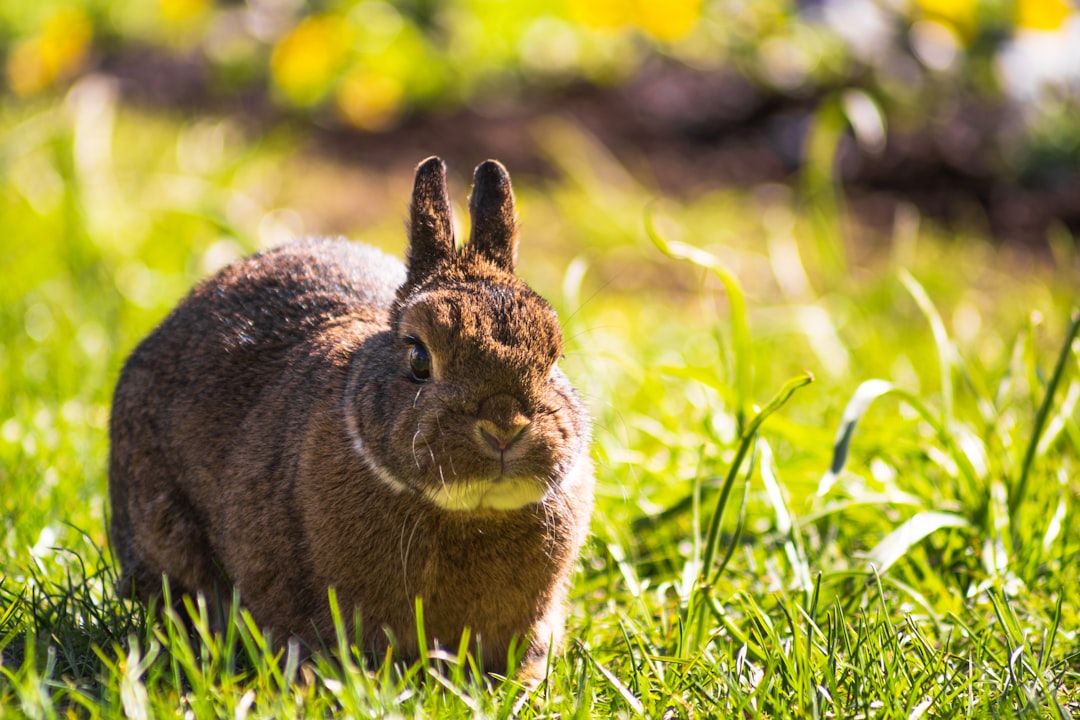
Are you tired of finding your precious garden chewed up by pesky rabbits? You’re not alone.
Many gardeners face the same challenge, and the frustration is real. But what if you could keep those little critters out without resorting to harsh chemicals or harmful traps? The good news is, you can! We’ll explore organic methods to safeguard your garden, allowing your plants to thrive while keeping rabbits at bay.
Imagine the satisfaction of seeing your flowers bloom and vegetables flourish, untouched by unwanted visitors. Stay with us as we reveal simple yet effective strategies that will transform your garden into a rabbit-free zone, naturally. Your greener, healthier garden is just a few steps away.
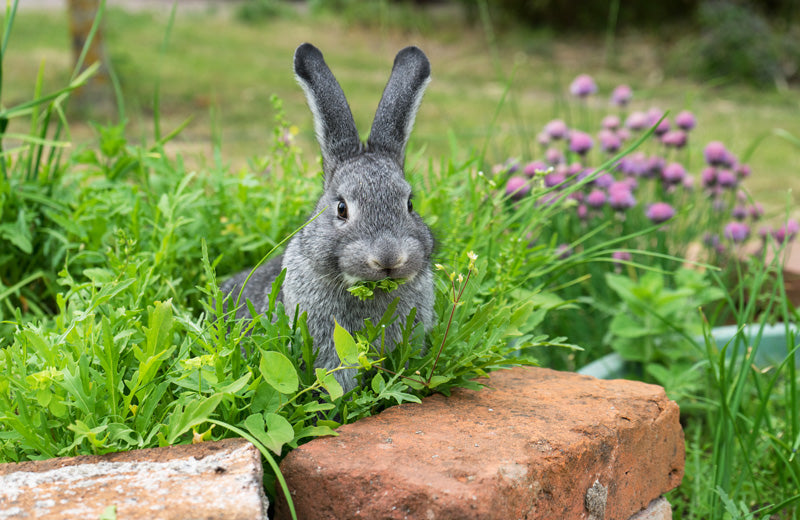
Credit: naturesmace.com
Natural Fencing Solutions
Keep rabbits out of your garden naturally with hedges, thorny bushes, or dense shrubs. These barriers deter rabbits without harming them. Organic solutions preserve your garden's ecosystem while protecting your plants.
Keeping rabbits out of your garden can be a challenge, especially if you want to do it organically. The key is to create natural fencing solutions that are both effective and environmentally friendly. With a few strategic choices, you can protect your plants without resorting to harsh chemicals. Let's explore how you can use physical barriers and plant borders to keep these furry intruders at bay.
Creating Physical Barriers
Physical barriers are one of the most effective ways to keep rabbits out. These can include simple constructions like chicken wire fences or more decorative options like wooden garden borders. When using chicken wire, ensure it's buried at least six inches underground. Rabbits are notorious diggers and will easily burrow under a shallow fence. Consider a height of about two feet. Rabbits can jump surprisingly high, and a short fence won't deter them. If you're handy with tools, you might enjoy crafting a wooden barrier that blends with your garden's aesthetic.
Using Plants As Borders
Planting certain types of plants can naturally deter rabbits. Some plants have strong scents or textures that rabbits dislike, making them perfect garden guardians. Lavender and marigolds are excellent choices. Not only do they add beauty and fragrance, but rabbits tend to steer clear of them. Incorporating these plants as borders can create a natural fence around your vegetables or flowers. You might be surprised that some herbs like rosemary and thyme also work well. They are easy to grow and can serve double duty as kitchen staples. Plus, they're a great addition to any garden design. Have you noticed rabbits nibbling on your plants despite your best efforts? Consider mixing these strategies to see what works best in your space. Combining physical barriers with plant borders can create a formidable defense against these persistent visitors.
Repellent Plants
Planting certain herbs and flowers can naturally deter rabbits from your garden. Try marigolds, lavender, or sage. These plants emit scents that rabbits dislike, keeping your garden safe without chemicals.
Rabbits can be adorable creatures, but when they start munching on your beloved plants, they quickly become less charming. One effective way to keep these furry intruders at bay is by using repellent plants. These plants emit scents or have textures that rabbits find unappealing, thus acting as natural barriers to protect your garden.
Choosing The Right Plants
Selecting the right repellent plants is crucial for your garden's defense strategy. Plants like lavender, marigolds, and catnip are known for their strong scents that rabbits dislike. Rosemary and basil not only enhance your culinary dishes but also deter rabbits. Think about what grows well in your climate. Some plants may thrive in certain conditions while others may struggle. It's essential to pick plants that will flourish alongside your existing garden species. This ensures they effectively repel rabbits without compromising your garden's beauty.
Strategic Planting Tips
Once you've chosen your plants, consider where to place them. Position repellent plants around the perimeter of your garden. This creates a natural barrier that rabbits are less likely to cross. You can also plant them near areas where rabbits tend to enter your garden. Mix repellent plants with your regular crops. Interspersing these plants among your vegetables can provide extra layers of protection. This technique keeps rabbits guessing, making it harder for them to target specific areas. Have you ever thought about using height to your advantage? Taller plants can deter rabbits by blocking sightlines and making it harder for them to spot tasty treats. Share your experiences in the comments below. What plants have worked best for you? Your insights could be the key to helping someone else's garden thrive.
Homemade Rabbit Repellents
Natural methods can keep rabbits away from your garden effectively. Homemade repellents like garlic spray or chili powder deter them. Use these organic solutions to protect your plants without harming the environment.
Keeping rabbits away from your garden can be a real challenge, especially if you're keen on organic solutions. You don't want to harm these cute creatures, but you definitely need to protect your plants. Homemade rabbit repellents can be a lifesaver, offering a safe, natural way to deter these furry intruders. If you've ever felt the frustration of waking up to find your lettuce nibbled down to a stub, these methods might be just what you need. Let's explore some easy-to-make recipes that you can whip up with ingredients from your kitchen.
Garlic And Chili Pepper Spray
Garlic and chili peppers are not just for spicing up your meals; they can spice up your garden protection plan too. Rabbits have sensitive noses, and this spray exploits that weakness. To make the spray, crush a few cloves of garlic and blend them with chopped chili peppers. Boil them in water and let the mixture sit overnight. Strain it and pour it into a spray bottle. Spray it generously around your garden perimeter. Have you ever noticed how the smell of garlic lingers? Imagine that amplified with chili peppers! A potent scent deters rabbits without harming them. Plus, it's satisfying knowing your kitchen staples are doing double duty.
Vinegar And Essential Oils
Vinegar isn't just for salads; it’s a potent rabbit repellent. Combined with essential oils, it becomes even more effective. Rabbits find the strong smell unpleasant and choose to steer clear. Mix equal parts of white vinegar and water, then add a few drops of essential oils like peppermint or eucalyptus. These oils have strong scents that further repel rabbits. Apply the mixture around the garden's edge and on vulnerable plants. The fresh scent is pleasant to humans but not to rabbits. It's a simple, cost-effective method, making you wonder why you didn't try it sooner. The beauty of these homemade repellents lies in their simplicity and effectiveness. They require minimal effort, yet offer substantial protection for your garden. Have you thought about how much you can save by using what you already have at home? Which method will you try first?

Credit: www.wikihow.com
Encouraging Natural Predators
Rabbits can wreak havoc in your garden. They munch on plants, causing significant damage. One organic way to manage them? Encourage their natural predators. This method is eco-friendly and effective. It helps maintain the garden's natural balance. Predators keep rabbit populations in check without chemicals.
Attracting Birds Of Prey
Birds of prey are excellent rabbit deterrents. Hawks and owls are common examples. They help control rabbit numbers naturally. To attract them, consider installing birdhouses. Place them in tall trees or poles. Ensure these spots are safe from human disturbances. Providing a water source also invites these birds. A birdbath or small pond works well. Keep it clean to maintain interest.
Welcoming Beneficial Wildlife
Other wildlife can help manage rabbits. Foxes and snakes are natural rabbit predators. Encourage them by creating a suitable habitat. Dense shrubs and brush piles offer shelter. These animals will feel at home. Avoid using pesticides. Chemicals can deter these helpful creatures. Native plants attract beneficial wildlife too. They provide food and cover.
Garden Layout Techniques
Protecting your garden from rabbits can be achieved organically by using natural repellents. Planting garlic and marigolds deters rabbits due to their strong scents. Building a simple mesh fence also helps keep rabbits away, ensuring your plants remain safe and healthy.
Keeping rabbits out of your garden can be a challenge. They’re cute, but their appetite for fresh greens can wreak havoc on your carefully planted crops. However, you don’t need chemicals to deter them. By tweaking your garden layout, you can create a peaceful coexistence with these furry invaders. Let’s dive into some organic garden layout techniques that can help you protect your garden from rabbits.
Creating Rabbit-free Zones
Designing your garden with strategic zones can effectively deter rabbits. Start by installing a rabbit-proof fence. Use materials like chicken wire with small holes to prevent rabbits from squeezing through. Make sure the fence is at least 2 feet high and extends a few inches underground to stop them from burrowing beneath it. Think about plants that naturally repel rabbits. Incorporate fragrant herbs such as lavender, rosemary, or mint around the perimeter of your garden. This not only acts as a natural barrier but also enhances your garden's aesthetics and aroma.
Using Raised Beds And Containers
Raised beds can be a game-changer in keeping rabbits at bay. Elevating your plants makes it harder for rabbits to reach them. Use wooden or metal frames, and ensure the edges are smooth to discourage climbing. Containers are another excellent option for smaller plants or herbs. Place them on patios or decks where rabbits are less likely to venture. Choose heavy pots to prevent them from being knocked over by curious critters. Have you considered using a combination of these methods? Mixing raised beds and containers can add layers of defense while diversifying your garden layout. This approach not only keeps rabbits out but also optimizes space, allowing you to grow more varieties of plants in a limited area. By using these garden layout techniques, you can enjoy a thriving garden without the worry of rabbit damage. How will you redesign your garden to create a rabbit-free zone?
Companion Planting Strategies
Plant strong-scented herbs like rosemary and lavender to deter rabbits naturally. These scents act as a natural barrier. Plant marigolds around your garden's edges for added protection.
Are you tired of rabbits munching on your prized vegetables? Companion planting offers a natural way to deter these furry intruders. By strategically pairing certain plants, you can create a garden environment that rabbits find less appealing. This approach not only helps protect your plants but also enhances the overall biodiversity of your garden.
Pairing Plants For Protection
Certain plants can act as natural repellents for rabbits. Consider growing garlic or onions alongside your vulnerable crops. Their strong scent often deters rabbits, keeping them at bay. Marigolds are another excellent option. While they add vibrant color to your garden, they also emit a smell that rabbits dislike. Imagine your garden blooming beautifully while also being safeguarded from unwanted nibbling. Lavender, with its aromatic fragrance, can serve dual purposes. It’s not only soothing for you but also a deterrent for rabbits. The key is strategic placement—plant these protectors near your most cherished crops.
Enhancing Garden Biodiversity
Companion planting doesn’t just repel rabbits; it boosts biodiversity. A diverse garden attracts beneficial insects that can help control pests naturally. Have you ever noticed how bees love buzzing around your herbs? They can be allies in your rabbit-proofing mission. Mixing flowers with vegetables can create a balance in your garden ecosystem. Nasturtiums, for example, can draw aphids away from your vegetables, further protecting them from harm. By encouraging a variety of plants, you create a dynamic environment that supports different species. This not only helps manage pests but also improves soil health and plant growth. Isn’t it fascinating how one simple change can have multiple benefits?
Companion planting is more than just a gardening technique; it's a strategy that integrates nature's wisdom into your garden. Have you tried pairing plants in your garden? How did it impact your pest problem?
Maintaining Soil Health
Keep rabbits out of your garden naturally with organic methods. Plant garlic or marigolds to deter them. Use vinegar-soaked cotton balls to create barriers.
Maintaining the health of your soil is a crucial step in keeping rabbits out of your garden organically. Healthy soil promotes robust plant growth, making it less appealing for rabbits to nibble on your plants. When plants are strong, they can better withstand any munching that might occur. But how do you ensure your soil remains nutrient-rich without synthetic chemicals?
Using Organic Mulch
Organic mulch does wonders for your garden. It helps retain moisture, regulate soil temperature, and suppress weeds. More importantly, it creates an environment where beneficial organisms thrive, naturally deterring rabbits. You can use materials like straw, wood chips, or even grass clippings. A friend once told me how she used layers of straw in her vegetable patch, and soon, she noticed fewer rabbits visiting. Could organic mulch be your secret weapon too?
Improving Soil Conditions
Enhancing your soil conditions can be as simple as adding compost. Compost enriches the soil with essential nutrients and improves its structure, making it less attractive to rabbits. Consider creating a compost pile in a corner of your garden. Use kitchen scraps, leaves, and garden waste. Not only does this reduce waste, but it also enriches your garden soil. Testing your soil pH can be beneficial too. Slightly acidic to neutral soil (pH 6-7) is ideal for most garden plants. Adjusting soil pH with natural amendments can enhance plant health, making them less appealing to rabbits. Have you checked your soil's health lately? It might be the key to keeping your garden rabbit-free.
Regular Garden Maintenance
Organic methods can effectively deter rabbits from invading your garden. Utilize natural repellents like garlic and chili powder. Plant protective barriers such as marigolds or lavender to keep pests away. These simple strategies ensure a thriving garden without harming wildlife.
Keeping your garden free from rabbits organically involves consistent effort, and regular garden maintenance is a crucial part of that strategy. By keeping your garden neat and vigilant, you can naturally deter these furry invaders. Let's dive into some effective ways to maintain your garden and keep it rabbit-free.
Keeping The Garden Tidy
A tidy garden is less appealing to rabbits. Regularly trim overgrown plants and clear away fallen leaves. This reduces hiding spots and makes your garden less inviting. Consider using mulch sparingly. While it helps with moisture retention, it can also provide cover for rabbits. Balance its use to ensure you’re not offering shelter to these critters. Do you have any piles of debris or wood lying around? These can become cozy hideouts for rabbits. Clearing them away not only improves your garden's appearance but also removes potential rabbit homes.
Monitoring For Rabbit Activity
Keep an eye out for signs of rabbit activity. Look for droppings, tracks, or nibbled plants. Early detection can help you take action before they cause significant damage. Try setting up a few natural deterrents based on your observations. For example, sprinkling cayenne pepper around your plants can act as a natural repellent. Have you noticed rabbits visiting at specific times? Adjust your garden routine to match their schedule. Being present can discourage their visits, as they generally avoid human contact. Regular garden maintenance not only keeps your garden looking great but also creates a less welcoming environment for rabbits. What steps will you take today to protect your garden organically?
:max_bytes(150000):strip_icc()/GettyImages-1367692156-68ddab3104884560977b60b4b2b00865.jpg)
Credit: www.treehugger.com
Frequently Asked Questions
What Natural Remedies Deter Rabbits?
Natural remedies like garlic, pepper, and vinegar can deter rabbits. Sprinkle these around your garden to keep them away. Planting rabbit-repellent plants such as marigolds or lavender can also help. These natural methods are safe and effective for keeping rabbits out without harming them.
How Can Fencing Protect My Garden?
Fencing is a reliable way to keep rabbits out. Use a mesh fence at least two feet high. Ensure the bottom is buried six inches deep to prevent digging. This creates a strong barrier, safeguarding your plants from hungry rabbits.
Are There Plants Rabbits Dislike?
Rabbits dislike plants like marigolds, lavender, and rosemary. Planting these in your garden can naturally deter them. These plants emit strong scents that rabbits find unappealing. By strategically placing them, you create a natural deterrent that protects your garden.
Can Companion Planting Keep Rabbits Away?
Companion planting can effectively deter rabbits. Planting strong-scented herbs like basil, mint, or garlic near vulnerable plants helps. These scents confuse and repel rabbits, making them less likely to invade your garden. This method is both organic and beneficial for plant diversity.
Conclusion
Keeping rabbits out of your garden doesn't need chemicals. Organic methods work well. Try planting rabbit-repellent plants like marigolds and lavender. Install a simple fence. Ensure it’s tall enough. Use natural sprays made from garlic or pepper. Regularly check for rabbit holes.
Fill them immediately. Keep your garden tidy. Remove debris and food sources. Scare them away with motion sensors. Rabbits prefer quiet places. Remember, patience is key. Consistent effort will keep your garden safe. Enjoy your growing space without unwanted visitors.
Your plants will thrive naturally, protected from hungry rabbits.