

Are you dreaming of plucking fresh, vibrant vegetables right from your living room? Imagine the satisfaction of nurturing your own garden, no matter the weather outside.
Building an indoor vegetable garden might sound like a daunting task, but it's simpler than you think. With a few easy steps and some clever tips, you can transform a small corner of your home into a lush oasis. You'll soon discover the joy of having fresh produce at your fingertips, enhancing your meals and your well-being.
Dive into this guide, and learn how you can create your very own green haven indoors. Keep reading to unlock the secrets of successful indoor gardening that promise to transform your space and your lifestyle.

Credit: www.youtube.com
Benefits Of Indoor Vegetable Gardening
Creating an indoor vegetable garden offers fresh produce year-round, regardless of outdoor weather. It saves money and ensures chemical-free vegetables. Growing indoors also provides a relaxing hobby, enhancing mental well-being.
Indoor vegetable gardening is a growing trend among urban dwellers and nature enthusiasts alike. The benefits are plentiful, offering not just fresh produce, but also a rewarding hobby that can improve your lifestyle. Whether you're a seasoned gardener or a beginner, understanding the perks of growing vegetables indoors can be the catalyst to your green journey.
Convenience And Accessibility
Growing vegetables indoors means you can harvest fresh produce anytime. No more last-minute trips to the grocery store when you need a tomato or a handful of fresh basil. Everything is right at your fingertips, ready to enhance your meals. Indoor gardening is adaptable to any living space. Whether you have a spacious kitchen or a small apartment, there's always room for a pot of herbs or a vertical garden. You can start small and expand as your confidence grows.
Fresh And Nutritious Produce
Home-grown vegetables can be more nutritious than store-bought ones. They’re free from preservatives and chemicals often used in commercial farming. You control what goes into your plants, ensuring they’re as healthy as possible. Imagine biting into a crisp lettuce leaf that you grew yourself. The taste is unparalleled, offering a freshness that supermarkets simply can't match. It’s a small luxury that can greatly enhance your dining experience.
Environmental Impact
Indoor gardening can significantly reduce your carbon footprint. By growing your own food, you cut down on the need for transportation and packaging. It's a small step towards living more sustainably. Think about the waste you typically generate from buying packaged vegetables. By growing your own, you contribute to less waste and a healthier planet. It's an easy way to make a positive impact.
Therapeutic Benefits
Gardening is known for its stress-relieving properties. Tending to your plants can be a meditative practice, allowing you to unwind and focus on the present moment. It's a hobby that nurtures both your mind and your plants. Have you ever felt the satisfaction of seeing a seed sprout? Watching your garden grow can boost your mood and give you a sense of accomplishment. It’s a simple joy that can make your days brighter.
Educational Opportunities
Indoor gardening offers a hands-on learning experience. You can teach yourself and your family about plant life cycles, sustainability, and healthy eating. It’s a fun way to educate without the need for books. Ask yourself: what better way to understand the food you eat than by growing it yourself? Your indoor garden can be a living classroom, offering lessons that are both practical and fascinating. Embrace the benefits of indoor vegetable gardening and start your journey today. Whether for convenience, health, or joy, there's something in it for everyone.
Choosing The Right Location
Creating an indoor vegetable garden is a rewarding project. Choosing the right location is crucial for success. Proper placement ensures your plants thrive and produce healthy vegetables. Consider several factors before deciding where to set up your garden.
Light Requirements
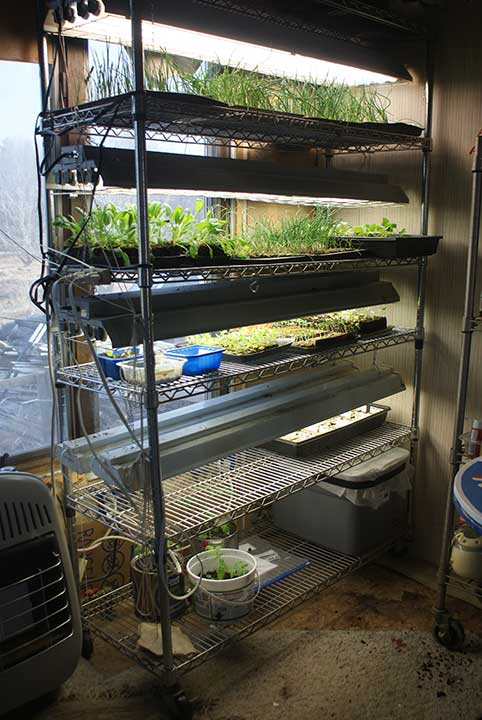
Vegetables need sunlight to grow. Most indoor plants require six hours of sunlight daily. Locate your garden near a window with ample sunlight. South-facing windows generally offer the best light exposure. If natural light is limited, consider using grow lights. These lights mimic sunlight and help plants thrive indoors.
Space Considerations
Evaluate the space available for your indoor garden. Ensure there is enough room for pots and containers. The area should be spacious enough for easy access to plants. Consider vertical gardening if space is tight. Use shelves or hanging containers to maximize space. Ensure the space is free from obstructions and easy to maintain.
With the right location, your indoor vegetable garden will flourish. Pay attention to these details for a bountiful harvest.
Selecting Vegetables To Grow
Growing an indoor vegetable garden starts with choosing the right plants. Opt for easy-to-grow vegetables like lettuce, spinach, or radishes. These thrive well indoors and require minimal space. Select vegetables based on available light and space to ensure successful growth.
Selecting the right vegetables for your indoor garden is crucial. It ensures successful growth and a bountiful harvest. Choose vegetables that suit your space, light, and care routine. Consider factors like ease of growth and seasonal availability. This helps you maximize your garden's potential.
Easy-to-grow Options
Begin with vegetables that are easy to manage. Leafy greens such as spinach and lettuce thrive indoors. They require minimal light and space. Radishes and carrots are also great choices. Their quick growth makes them ideal for beginners. Herbs like basil and mint are perfect for indoor gardens. They add flavor to meals and are simple to cultivate.
Seasonal Choices
Seasonal vegetables adapt well to indoor environments. In winter, try growing kale and chard. Their cold tolerance makes them ideal. Summer brings opportunities for tomatoes and peppers. They love warmth and sunlight. Consider what vegetables are in season locally. This ensures they grow well indoors. By selecting seasonal options, you align with natural growth cycles. This enhances the success of your indoor vegetable garden.
Gathering Essential Supplies
Creating an indoor vegetable garden can be a delightful project. It's essential to gather the right supplies before starting. This ensures your plants thrive and produce delicious vegetables. Let's explore the key components needed for a successful indoor garden.
Containers And Pots
Selecting the right containers is crucial for plant growth. Choose pots with adequate drainage holes. This prevents water from pooling and harming roots. Consider using recycled materials for sustainability. Window boxes and hanging baskets can maximize space. Ensure the containers are the right size for the vegetables you plan to grow.
Soil And Fertilizers
Good soil is the foundation of healthy plants. Use a high-quality potting mix for best results. This soil should be light and airy. It helps roots breathe and grow stronger. Add organic fertilizers to boost nutrient content. This promotes lush growth and improves vegetable taste. Consider using compost for added benefits.
Tools And Equipment
Having the right tools makes gardening easier. Basic tools include a trowel, watering can, and gloves. A spray bottle helps in maintaining moisture levels. Use plant markers to label your vegetables. This keeps your garden organized. Invest in a small grow light for areas with low sunlight. It ensures your plants receive enough light to thrive.
Planting And Caring For Vegetables
Create a thriving indoor vegetable garden with simple steps. Choose containers and soil wisely for healthy growth. Provide ample light and regular watering to nurture plants. Enjoy fresh produce year-round right from your home.
Building an indoor vegetable garden is a rewarding venture that brings fresh produce right to your fingertips. Once you've set up the essentials like containers, soil, and lighting, it's time to focus on the heart of your garden—planting and caring for your vegetables. This stage requires attention and patience, but with the right techniques, your indoor garden can thrive.
Seed Planting Techniques
Choosing the right seeds is crucial. Opt for vegetables that are known to grow well indoors, such as cherry tomatoes, lettuce, or herbs like basil and cilantro. When planting, use quality potting soil and ensure each seed is planted at the recommended depth, which you can find on the seed packet. Consider using a seed-starting tray or small pots to give each seed its own space to germinate. This not only prevents crowding but also makes it easier to manage once they sprout.
Watering And Feeding
Watering is a balancing act. Too much can drown your plants, while too little will leave them parched. A simple trick is to check the soil moisture with your finger. If the top inch is dry, it's time to water. Use room-temperature water to avoid shocking the roots. Feeding your plants with organic fertilizer can boost their growth. Look for a balanced liquid fertilizer and apply it every few weeks. Have you ever noticed how plants seem to perk up after a good meal? Just like us, they thrive on nutrients.
Managing Pests And Diseases
Even indoor gardens can attract pests. Regularly inspect your plants for signs of trouble, like discolored leaves or webbing. A homemade solution of water and mild soap can help deter pests like aphids and spider mites. Diseases can be trickier. Ensure good air circulation around your plants to prevent fungal issues. Have you tried rotating your plants occasionally? It helps them grow evenly and keeps pests guessing. What would it mean to you to harvest your own vegetables, knowing they’re free from harmful chemicals? With these techniques, your indoor garden can be a source of fresh, healthy produce all year round.
Optimizing Growth Conditions
Creating an indoor vegetable garden requires careful attention to growth conditions. Proper temperature and humidity are crucial for plant health. These elements ensure your vegetables thrive indoors. Let's explore how to optimize these conditions.
Temperature Control
Vegetables need consistent temperatures for growth. Most thrive between 65-75°F. Use a thermometer to monitor room temperature. Avoid placing plants near windows or heaters. Sudden temperature changes can stress plants. For best results, keep conditions stable.
Humidity Levels
Humidity plays a big role in plant growth. Indoor air can be too dry for vegetables. Aim for 40-60% humidity for optimal growth. Use a humidifier if necessary. Group plants together to retain moisture. Check humidity levels regularly. Adjust as needed for healthy plants.
Harvesting And Maintenance
Indoor vegetable gardens require careful harvesting and maintenance for healthy growth. Regularly check plants for ripe vegetables, ensuring timely picking. Clean leaves and soil to prevent pests and diseases, maintaining optimal plant health.
Harvesting and maintaining your indoor vegetable garden is crucial. Proper care ensures a healthy yield. It extends the life of your plants. Learn the right techniques and timing. Keep your garden thriving with continuous care.
Timing And Techniques
Knowing when to harvest is key. Pick vegetables at their peak for best taste. Leafy greens like lettuce can be harvested early. Snip outer leaves first. Let the inner ones grow longer. Tomatoes should be firm but not hard. They need a deep color. Cucumbers are best when they are six inches long. Use clean scissors or pruning shears. This prevents plant damage. Regular harvesting encourages more growth.
Continuous Gardening Tips
Keep your garden producing with continuous gardening. Replant after harvesting to maintain supply. Use companion planting to boost growth. Basil with tomatoes is a great pair. Rotate crops to prevent soil depletion. This helps keep pests away too. Water your plants consistently. Check the soil's moisture often. Overwatering can lead to root rot. Regularly check for pests. Use natural remedies to keep them at bay. Fertilize with organic options. They enrich the soil without chemicals. Follow these tips for a thriving indoor garden.

Credit: bonnieplants.com
Credit: hellohomestead.com
Frequently Asked Questions
What Vegetables Can Grow Indoors Easily?
Leafy greens, herbs, and radishes grow well indoors. They're low maintenance and thrive with minimal sunlight. Choose varieties like spinach, basil, and lettuce. These plants are perfect for beginners. They require basic care and provide fresh produce year-round.
How Much Sunlight Do Indoor Vegetables Need?
Most indoor vegetables require 6-8 hours of sunlight daily. Use a south-facing window for optimal light. If natural light is insufficient, consider using grow lights. They mimic sunlight and support plant growth. Adjust the light distance as plants grow.
Can I Use Regular Soil For Indoor Gardening?
Regular garden soil isn't ideal for indoor gardens. It may contain pests and diseases. Use a soilless potting mix instead. It provides better drainage and aeration. This mix supports healthy root development. Always ensure proper watering to avoid root rot.
How Do I Prevent Pests In Indoor Gardens?
Regularly inspect plants for signs of pests. Use neem oil or insecticidal soap as a natural remedy. Maintain cleanliness to deter infestations. Quarantine new plants to prevent spreading pests. Ensure proper air circulation to keep plants healthy.
Conclusion
Starting an indoor vegetable garden is fun and rewarding. You can grow fresh produce year-round. Choose the right space with enough light. Use containers that suit your plants. Soil quality matters, so select the best. Water and care for your plants regularly.
Watch them grow and thrive. Enjoy the fruits of your labor. Share your harvest with family and friends. Gardening indoors is simple and satisfying. It connects you with nature. Plus, you eat healthier. Start your own garden today. Feel the joy of growing your own food.
Enjoy the benefits of an indoor vegetable garden.


