
Imagine stepping into your kitchen and picking fresh, crisp vegetables straight from your own indoor garden. It sounds like a dream, doesn't it?
But here's the exciting part: it's entirely possible, and it could be easier than you think. Indoor vegetable gardening lets you enjoy the freshness of homegrown produce, regardless of the weather outside. Maybe you've always thought you needed a big backyard or endless sunshine, but the truth is, you can cultivate a thriving vegetable garden right inside your home.
Curious about how to transform a corner of your living room into a lush, green paradise? Stay with us as we explore how you can start growing your own vegetables indoors, and discover just how satisfying and rewarding it can be.
Credit: www.azurefarmlife.com
Benefits Of Indoor Vegetable Gardening
Indoor vegetable gardening offers a multitude of benefits for enthusiasts. Growing vegetables indoors provides fresh produce year-round. It allows control over growing conditions, enhancing plant health. Indoor gardens are perfect for urban dwellers with limited space. They offer a unique way to connect with nature in any environment. Dive into the benefits of indoor vegetable gardening and discover why it's worth exploring.
Cost-effectiveness
Indoor gardens save money by reducing trips to the grocery store. Growing your own vegetables cuts costs significantly over time. You can start small and expand as you gain confidence. This flexibility helps manage expenses efficiently.
Convenience And Accessibility
Indoor gardens are easy to access and maintain. You can tend to your plants without leaving your home. This convenience encourages regular care and monitoring. It makes gardening accessible for individuals with limited mobility.
Environmental Benefits
Indoor gardening reduces reliance on store-bought produce. It minimizes packaging waste and carbon footprint. You can use organic methods to nurture plants. This practice promotes a healthier environment.
Health And Wellness
Fresh vegetables are rich in nutrients and vital for health. Indoor gardening ensures access to clean, pesticide-free produce. It encourages a balanced diet and boosts overall well-being. The act of gardening itself is therapeutic and relaxing.
Space Optimization
Indoor gardens utilize available space efficiently. Small apartments and homes can support thriving plant life. Vertical gardening techniques maximize limited areas. This adaptation allows anyone to enjoy the benefits of gardening.

Credit: www.youtube.com
Choosing The Right Vegetables
If you've ever wondered whether you can grow a vegetable garden indoors, you're not alone. Indoor gardening can be a fulfilling hobby and a practical solution for urban dwellers with limited outdoor space. But before you start, selecting the right vegetables is crucial. The wrong choice can lead to disappointment and wasted effort. So, how do you pick the perfect crops for your indoor garden?
Ideal Crops For Indoor Growth
Not all vegetables thrive indoors, but some are natural fits for your indoor garden. Leafy greens like spinach, lettuce, and kale are excellent choices. They require minimal space and can be harvested repeatedly. Herbs such as basil, cilantro, and parsley also do well inside and bring fresh flavors to your cooking.
Tomatoes, especially cherry varieties, can be grown indoors with the right setup. They need a bit more attention but offer juicy rewards. Root vegetables like radishes and carrots can thrive in deep containers. They require more space but are relatively easy to care for. Have you tried growing peppers indoors? With adequate light, they can flourish and add a spicy kick to your meals.
Factors To Consider
When choosing vegetables for indoor growth, consider the space available. You need to ensure your plants have enough room to spread their roots. Think about the light conditions in your home. Most vegetables need at least six hours of sunlight daily. Are your windows up to the task?
Temperature and humidity are also critical. Most vegetables prefer stable conditions without extreme fluctuations. Can you provide a cozy environment for your plants? Lastly, consider your commitment level. Some plants demand daily attention, while others are more forgiving. Are you ready for the responsibility?
Growing vegetables indoors is a rewarding endeavor. With the right choices, you can enjoy fresh produce year-round. What will you plant in your indoor garden?
Essential Equipment
Creating an indoor vegetable garden needs the right equipment. Proper tools make growing vegetables indoors easier and more successful. With the right setup, any small space can turn into a green oasis.
Lighting Solutions
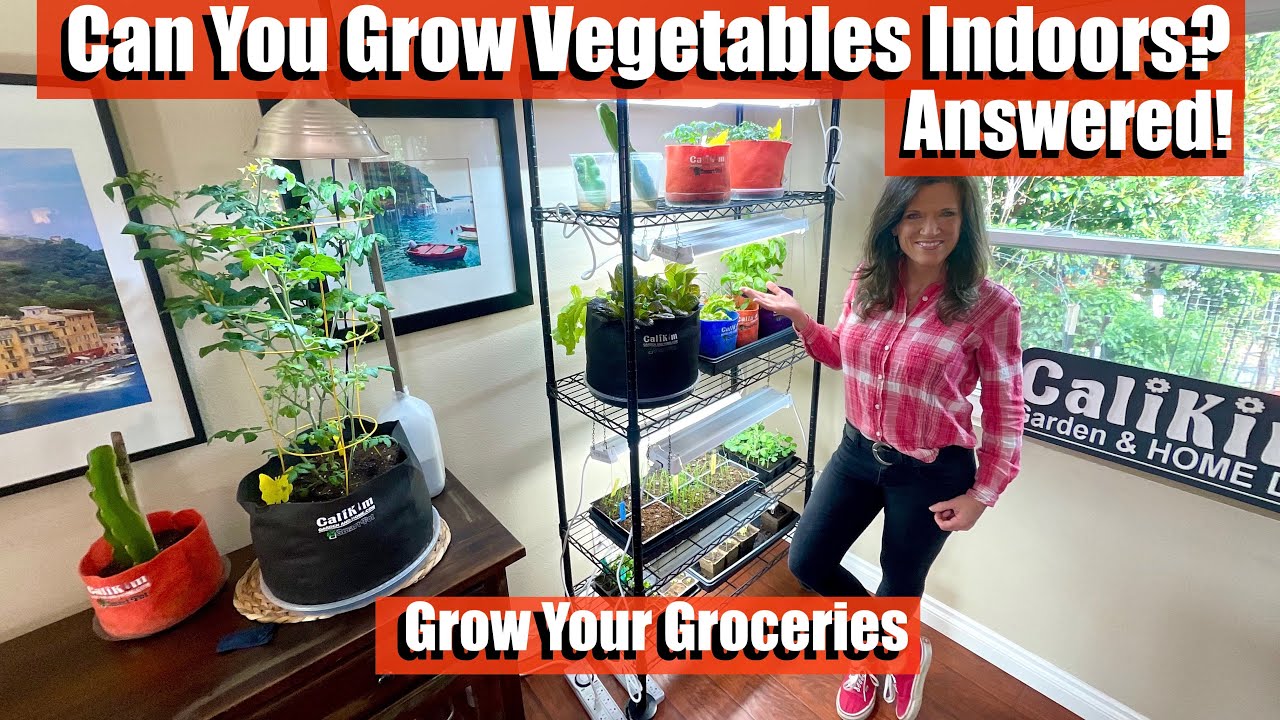
Light is crucial for plants. Indoor gardens need artificial lighting to mimic sunlight. LED grow lights are popular because they use less energy. They provide the right spectrum for plant growth. Compact fluorescent lights are also effective. They are affordable and easy to find.
Containers And Soil
Plants need proper containers to thrive. Choose containers with good drainage. Plastic pots are lightweight and durable. Ceramic pots add a touch of style. Soil quality affects plant health. Use potting soil designed for vegetables. It should be light and well-draining. Mix in organic matter like compost for extra nutrients.
Creating The Perfect Environment
Growing a vegetable garden indoors is both exciting and rewarding. The key to success lies in creating the perfect environment. Each plant has specific needs. Understanding these ensures healthy growth and a bountiful harvest. Let's explore how to set up an ideal indoor garden environment.
Temperature Control
Temperature plays a vital role in plant growth. Most vegetables thrive between 65°F and 75°F. Too hot or too cold? Plants may struggle. Use a thermometer to monitor room temperature. Consistency is key. Avoid placing plants near heaters or drafty windows. These can cause fluctuations.
Humidity Management
Humidity affects plant health and growth. Most vegetables prefer moderate humidity levels, around 40% to 60%. Too dry? Leaves may wilt. Too humid? Mold may form. A hygrometer helps track humidity. If needed, use a humidifier or dehumidifier. Aim for balance to keep plants happy.
Plant Care And Maintenance
Growing a vegetable garden indoors requires careful attention to plant care. Proper maintenance ensures your plants thrive and produce healthy vegetables. Focus on watering and nutrient needs for optimal growth.
Watering Techniques
Indoor plants need specific watering techniques. Use well-draining pots to prevent waterlogging. Check soil moisture regularly. Water when the top inch of soil feels dry. Avoid overwatering, which can lead to root rot. Use room temperature water for best results.
Nutrient Requirements
Plants need essential nutrients to grow well. Indoor gardens might need extra feeding. Use a balanced fertilizer to provide key nutrients. Follow package instructions for the right amount. Consider slow-release fertilizers for steady nutrient supply. Test your soil for nutrient levels regularly.
Common Challenges
Growing a vegetable garden indoors presents challenges like limited space and light. Managing soil quality and pest control indoors can be difficult. Ensuring proper temperature and humidity levels is crucial for plant health.
Growing a vegetable garden indoors can be a rewarding experience. However, it comes with its own set of challenges. You might find yourself grappling with issues you never expected. From dealing with pesky invaders to preventing diseases, these obstacles can be daunting but not insurmountable. Understanding these challenges can help you create a thriving indoor garden. Let's explore some common hurdles you may face and how to tackle them effectively.
Pest Control
Indoor gardens aren't exempt from pests. Tiny bugs can find their way into your home and wreak havoc on your plants. I've faced this when aphids took over my basil plant, almost overnight. It was a nightmare seeing those tiny green bugs munch away at the leaves. To combat pests, frequent inspection is key. Check your plants regularly for any signs of pest infestation. Use simple remedies like neem oil or insecticidal soap to keep them at bay. Encouraging natural predators, like ladybugs, can also be a great help. Don't let these tiny invaders discourage your gardening enthusiasm.
Disease Prevention
Diseases can spread rapidly in the controlled environment of your home. Without the natural elements to balance things out, your indoor plants might be more susceptible to infections. I once ignored the importance of air circulation, and my tomato plants paid the price. Ensure your plants have enough space to breathe. Good airflow can significantly reduce the risk of disease. Keep your garden clean by removing dead leaves and debris, which can harbor pathogens. Watering at the base of the plant instead of overhead can prevent mold and mildew. By being proactive, you can keep your indoor garden healthy and thriving. Have you ever faced any of these challenges in your indoor gardening journey? Share your experiences and solutions in the comments! Your insights might just help a fellow gardener.
Harvesting Tips
Growing a vegetable garden indoors is possible with the right conditions. Ensure adequate light for plants to thrive. Use pots with good drainage to avoid waterlogging.
Growing a vegetable garden indoors is a rewarding journey that culminates in the excitement of harvesting your own fresh produce. But knowing when and how to harvest is crucial to enjoying the best flavors and extending the life of your indoor garden. Let's dive into some essential harvesting tips that can make all the difference in your indoor gardening experience.
When To Harvest
Timing your harvest is key to getting the most out of your vegetables. Leafy greens like spinach and lettuce are best picked when the leaves are young and tender. This usually happens around three to four weeks after planting. Root vegetables such as radishes and carrots should be harvested when their tops peek just above the soil. If you wait too long, they might become tough or lose their flavor. Keep an eye on the color and size of your vegetables. For example, tomatoes should be a vibrant red and easily detach from the vine. You'll find that harvesting at the right moment ensures taste and nutrition are at their peak.
Storing Your Produce
Once you’ve harvested your vegetables, proper storage is crucial to maintain freshness. Leafy greens can be stored in a plastic bag with a damp paper towel to keep them crisp in the fridge. For root vegetables, try storing them in a cool, dark place. A kitchen pantry or a cellar works well. This prevents them from sprouting or rotting too quickly. Consider using glass containers for herbs. They stay fresher longer, and you can easily see when supplies are running low. Storing your produce correctly ensures you can enjoy your indoor garden's bounty for weeks. Have you considered labeling your storage containers with harvest dates? It helps in using the oldest produce first, reducing waste and ensuring you're always eating the freshest food.
Credit: www.youtube.com
Frequently Asked Questions
Can Vegetables Grow Without Sunlight Indoors?
Yes, many vegetables can grow indoors using artificial light. LED grow lights are popular for indoor gardening. They mimic sunlight and help plants thrive. You can adjust the light spectrum for different growth stages. Herbs, leafy greens, and root vegetables are ideal for indoor growing.
What Vegetables Are Best For Indoor Gardening?
Leafy greens like spinach and lettuce are great indoors. They require less space and light. Herbs like basil and cilantro are also suitable. Root vegetables like radishes and carrots can grow in containers. Choose compact varieties for better results in limited indoor spaces.
How Do I Start An Indoor Vegetable Garden?
Start by choosing suitable containers and soil. Select vegetables compatible with indoor conditions. Use grow lights to simulate sunlight. Maintain a consistent watering schedule. Ensure proper ventilation and monitor temperature. Regularly check plants for pests and diseases.
Can Indoor Gardens Produce Year-round?
Yes, indoor gardens can produce vegetables year-round. Controlled environments allow for consistent growth. Adjust lighting, temperature, and humidity for optimal conditions. Rotate crops and choose varieties suited for continuous harvest. Indoor gardening offers flexibility and extended growing seasons.
Conclusion
Growing a vegetable garden indoors is possible and rewarding. You can enjoy fresh greens all year. Start with easy-to-grow plants like lettuce or herbs. Ensure proper light, water, and soil for healthy growth. Use grow lights if natural light is limited.
Small spaces can still produce abundant harvests. Experiment with containers and shelves to maximize space. Indoor gardening offers a fun way to engage with nature. Enjoy the satisfaction of growing your own food. Try it today and see the benefits firsthand.
Happy gardening!


