
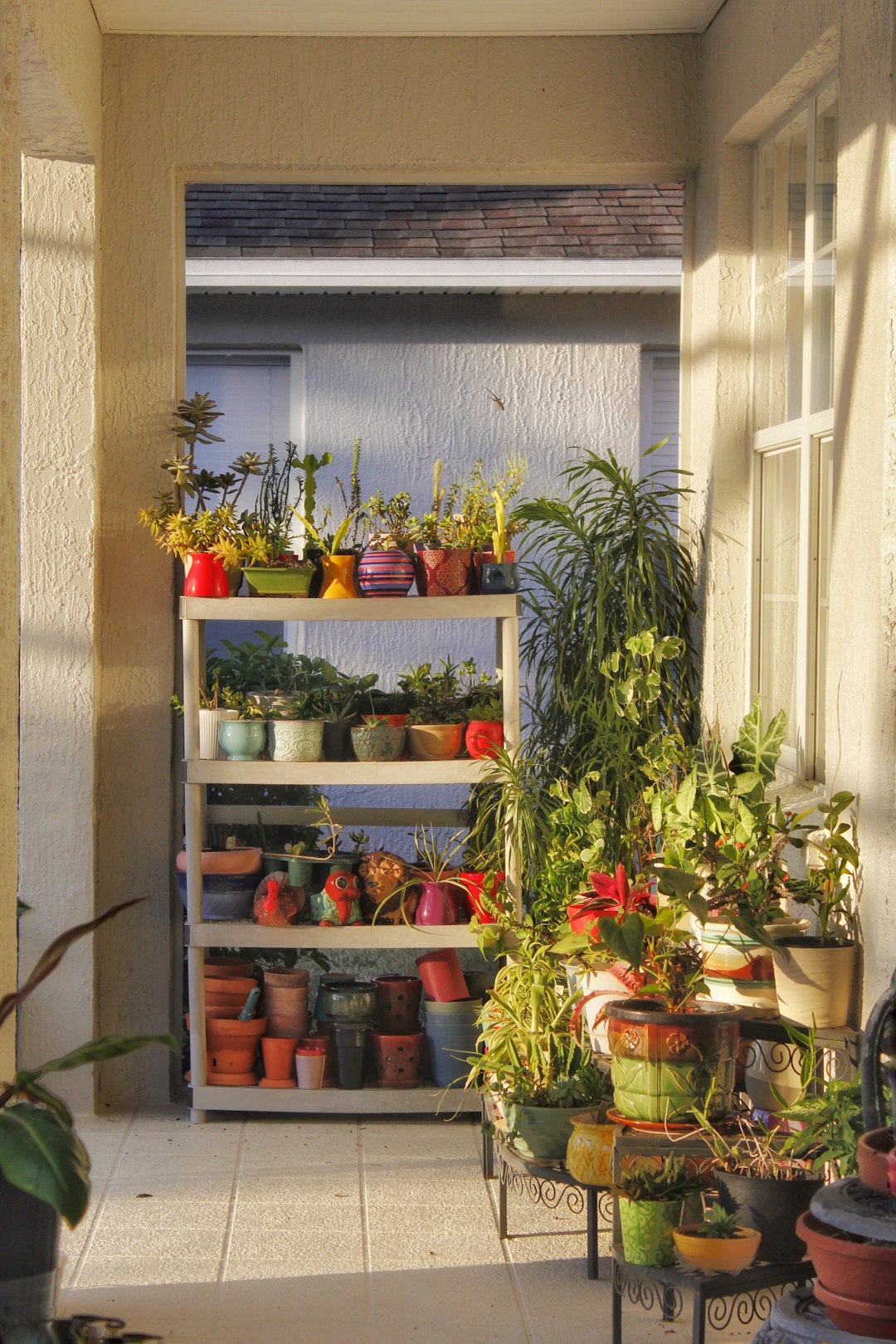
Imagine stepping into your garden, surrounded by vibrant blooms and lush greens that you nurtured from tiny seeds. This dream can become a reality when you master the art of starting seeds indoors.
But when exactly should you begin this exciting process? Timing is everything, and getting it right can mean the difference between a thriving garden and a disappointing one. As you read on, you'll uncover the secrets to perfect timing and learn how to transform your gardening efforts from a hopeful experiment into a rewarding success story.
Prepare to dive into a world where planning and patience pay off, and discover the optimal moments to kickstart your garden's growth indoors.
Choosing The Right Seeds
Starting seeds indoors is the first step to a thriving garden. The right seeds can make all the difference. Choosing wisely ensures strong plants and a fruitful harvest. This guide helps you select the best seeds for your garden.
Understanding Seed Packets
Seed packets provide vital information for gardeners. They reveal planting instructions, growth habits, and care tips. Always read the packet before purchasing. Look for details on germination times and soil requirements. This helps you plan your indoor planting schedule.
Selecting Suitable Varieties
Not all seeds thrive indoors. Consider your local climate and available space. Choose varieties that are known for indoor success. Leafy greens and herbs often grow well indoors. Research suitable options for your garden. This ensures healthy growth and a productive season.
Timing Your Planting
Start your indoor garden by planting seeds 6-8 weeks before the last frost. This timing ensures healthy growth and readiness for transplanting. Adjust based on local climate and plant varieties.
Planning your indoor garden can be as exciting as it is rewarding. However, the real success lies in timing your planting just right. You don't want to start too early and end up with leggy seedlings, nor too late and miss out on the perfect growing season. Understanding when to start seeds indoors is crucial for a bountiful harvest. Let's break it down and make it simple for you to get started.
Considering Your Growing Zone
Your growing zone is the first thing you should consider. It's like your garden's fingerprint, unique to your location. The USDA Plant Hardiness Zone Map is a great resource to identify your zone. If you're in zone 6, your frost-free season is shorter compared to someone in zone 9. Knowing your zone helps you choose the right plants and the best time to start them indoors. Think of it as aligning your gardening schedule with nature’s calendar.
Calculating Frost Dates
Once you know your growing zone, calculating frost dates is the next step. These dates are your guideposts for starting seeds indoors. The last spring frost date tells you when it's safe to move seedlings outside. Seed packets often mention how many weeks before the last frost you should start seeds indoors. For tomatoes, it's usually about 6-8 weeks. Check your calendar and mark these important dates. It's like setting a countdown for your gardening adventure. By planning with frost dates, you give your plants the best start possible. Timing your planting isn't just about following rules; it's about understanding your garden's rhythm. Have you ever thought about how this timing impacts your yield? Share your thoughts in the comments below!
Preparing For Indoor Planting
Starting indoor seedlings is essential for a thriving garden. Begin six to eight weeks before the last frost. Adjust timing based on plant type and regional climate, ensuring strong growth before transplanting outdoors.
Preparing to start seeds indoors is an exciting venture for any gardening enthusiast. It's about creating a nurturing environment that mimics the natural conditions plants need to thrive. Whether you're a seasoned gardener or a novice, you can enjoy fresh greens and colorful blooms year-round with the right setup. Let’s dive into the essential steps to get your indoor planting off to a great start.
Gathering Necessary Supplies
Before you begin, it's important to have the right tools at hand. Seed trays and pots are essential for holding your soil and seeds. Look for ones that have drainage holes to prevent waterlogging. You'll also need quality potting soil designed for seed starting. It's lighter and provides better aeration than regular garden soil, which helps your seeds sprout more effectively. Don't forget about labels. As you plant different seeds, label each tray to keep track of what’s growing. This avoids confusion and ensures you give each plant the care it needs.
Setting Up A Growing Area
Choose a space in your home with enough natural light. A sunny windowsill can be perfect, but if sunlight is limited, consider investing in grow lights. They provide the essential light spectrum plants need to grow. Ensure the area is clean and clutter-free. This will help you manage your plants better and maintain a healthy growing environment. Ventilation is crucial. Keep the area well-ventilated to prevent mold and mildew. A small fan can help circulate air, keeping the plants happy and healthy. --- Have you ever tried starting seeds indoors but found them struggling? The right preparation can make all the difference. Take the time to gather your supplies and set up a suitable area. Your future garden will thank you. What seeds are you most excited to start this season?
Seed Starting Techniques
Starting seeds indoors can feel like embarking on a new adventure. Whether you’re a seasoned gardener or a newbie, knowing the right techniques can make a huge difference. How do you ensure those tiny seeds grow into strong, healthy plants? Let's dive into some effective methods to kickstart your indoor gardening journey.
Using Seed Trays And Pots
Seed trays and pots are like the cozy homes for your seeds. They offer a controlled environment where you can monitor growth closely. You might find yourself wondering what size to choose. Small pots are great for single seeds, while trays can accommodate several at once.
Have you ever thought about repurposing household items? Egg cartons or yogurt containers can be perfect alternatives. Just make sure to poke holes for drainage. This simple trick not only saves money but also adds a personal touch to your gardening.
Ensuring Proper Soil Conditions
Soil is the foundation your seeds need to thrive. It should be light and rich in nutrients. Avoid using garden soil indoors; it can be too heavy and may harbor pests. Instead, opt for seed-starting mixes found at garden centers.
Consider adding some perlite or vermiculite to improve drainage. These materials help retain moisture without waterlogging the roots. Have you ever noticed how plants flourish with just the right balance of water and air? It's all about creating the perfect soil environment.
Are you checking the pH levels? Soil that's too acidic or too alkaline can hinder growth. A simple soil test kit can guide you. With correct soil conditions, you’re setting the stage for a successful gardening journey.
As you experiment with these techniques, what surprises you most about the seed-starting process? Share your experiences and questions in the comments below!
Managing Light And Temperature
Starting a garden indoors offers many advantages. But it requires managing light and temperature effectively. These factors play a vital role in plant growth. Proper management ensures healthy, thriving plants.
Utilizing Grow Lights
Natural light can be limited indoors. Grow lights provide the necessary light for your plants. They mimic sunlight, helping plants photosynthesize. Choose LED or fluorescent lights for energy efficiency. Position the lights 6 inches above the plants. Adjust the height as plants grow. Ensure the lights are on for 12-16 hours daily. This cycle mimics daylight and promotes growth.
Maintaining Ideal Temperature
Temperature is crucial for indoor gardening success. Most plants thrive between 65°F and 75°F. Avoid placing plants near cold drafts or heat sources. Too much heat or cold can stress plants. Use a thermometer to monitor room temperature. Some plants need cooler nights. Adjust your indoor environment to match plant needs. Consistent temperatures ensure healthy and happy plants.
Watering And Fertilizing
Watering and Fertilizingare crucial aspects of starting your indoor garden successfully. These elements determine how well your plants will grow, and they need careful attention. With the right watering schedule and fertilizer choice, you can ensure your indoor plants thrive from the start.
Establishing A Watering Schedule
Creating a watering schedule for your indoor plants isn't just about routine; it's about understanding their needs. It's easy to overwater in the enthusiasm of nurturing. A simple rule is to check the soil moisture by sticking your finger about an inch deep into the soil. If it feels dry, it's time to water.
Consider the type of plant and its water needs. Some plants prefer dry soil, while others thrive in consistently moist environments. Track their growth and adjust your schedule accordingly. You might notice that during winter, your plants need less water as the growth slows down.
Have you ever noticed your plants looking droopy despite regular watering? It could be a sign of overwatering. Pay attention to the signs your plants give you, and adjust your watering habits. Your plants are often your best teachers.
Choosing The Right Fertilizer
Fertilizing indoor plants can be tricky. Too much can burn the roots, while too little leaves them starved for nutrients. You want to strike a balance. Read the labels carefully and choose a fertilizer that suits the type of plants you're growing.
Liquid fertilizers are popular because they're easy to apply and fast-acting. Granular fertilizers, on the other hand, release nutrients slowly, which can be beneficial for sustained growth. Which one do you prefer? Your choice can impact how your plants develop over time.
Consider trying organic fertilizers. They are gentle on the plants and the environment. If you're growing edible plants indoors, organic options can ensure that no harmful chemicals end up in your food. It's an investment in both your plants and your health.
Watering and fertilizing might seem like basic tasks, but they hold the power to transform your indoor garden. As you tend to your plants, remember that each one is unique in its needs. How will you adapt your approach to meet them?
Transplanting To The Garden
Timing is crucial for indoor starts. Begin seeds 6-8 weeks before planting outdoors. Ensure adequate light and warmth for healthy growth. Proper planning leads to a successful garden transplant.
Transplanting your seedlings to the garden is an exciting milestone in your gardening journey. It signifies the moment when your indoor efforts bloom into outdoor possibilities. But timing and preparation are crucial to ensuring those delicate seedlings thrive.
Hardening Off Seedlings
Before you rush to plant your seedlings outside, it's essential to prepare them for the harsher conditions of the garden. This process is known as "hardening off." It helps seedlings adjust to outdoor temperatures, sunlight, and wind. Start by placing your seedlings outside for a few hours each day, gradually increasing their time outside over a week. Choose a sheltered spot initially to protect them from strong winds and direct sunlight. This gradual exposure strengthens their stems and reduces the shock of transplanting.
Choosing The Right Time For Transplanting
Timing is everything. Consider the last frost date in your area to determine the best time to transplant. Planting too early can expose seedlings to cold temperatures, stunting their growth or killing them. A good practice is to wait until the soil is warm and nighttime temperatures consistently stay above 50°F (10°C). Observe your seedlings, too. They should have a few sets of true leaves and a robust root system before transplanting. Have you ever noticed how some plants seem to thrive when moved outdoors, while others struggle? Often, it’s the attention to timing and preparation that makes all the difference. Is your garden ready to welcome its new guests? Take the time to harden off your seedlings and choose the right transplanting moment for a bountiful garden harvest!
Common Mistakes To Avoid
Starting seeds indoors can be a rewarding experience. But, beginners often make common mistakes that hinder plant growth. Knowing these pitfalls can ensure a successful indoor gardening journey. Let's explore some frequent errors and how to avoid them.
Overwatering Or Underwatering
Watering seems simple, but it's easy to get wrong. Too much water can drown seedlings. It causes root rot and mold. Too little and they wilt. Check soil moisture regularly. The top layer should be moist, not soggy. Use a spray bottle for even watering. This prevents over-saturation.
Ignoring Light Requirements
Light is crucial for seedling growth. Many gardeners overlook this need. Natural light may not be enough. Consider using grow lights. Place them close to the seedlings. Around 2 to 3 inches away. Ensure lights are on for 12-16 hours daily. This mimics natural sunlight and promotes healthy growth.
Benefits Of Starting Indoors
Starting your garden indoors can be a game-changer for many reasons. It provides you control over growing conditions, allowing you to maximize the potential of your plants. Whether you're a seasoned gardener or a newbie, understanding the benefits of starting indoors can transform your gardening experience. Let’s dive into why beginning your garden indoors might just be the boost you need.
Extending The Growing Season
Imagine harvesting fresh tomatoes while others are just starting theirs. By starting your seeds indoors, you can extend your growing season significantly. This means more time for your plants to flourish and produce.
Think of it as giving your seedlings a head start. While outdoor conditions might still be too chilly, your indoor setup can provide the warmth and protection they need to thrive.
Have you ever wished for that extra month to enjoy your garden? Starting indoors makes it possible to have a longer, more fruitful season.
Improving Seedling Survival Rates
Starting seeds indoors can dramatically improve their survival rates. You control the environment, so threats like pests and harsh weather are minimized.
Consider the vulnerability of tiny seedlings in unpredictable outdoor conditions. Indoors, you can monitor and adjust factors like moisture and light, ensuring they grow strong.
Have you faced disappointment with seedlings wilting or failing? With indoor starting, you can nurture them until they're robust enough to face the elements.
So, when should you start your seeds indoors? Assess your local climate and think about the plants you want to grow. Could this be the year you transform your garden with an indoor head start?
Tips For Garden Success
Starting seeds indoors boosts garden success. Begin six to eight weeks before the last frost date. Check seed packets for specific timing.
When it comes to starting seeds indoors, timing and technique are crucial. The right approach can make a huge difference in the success of your garden. Imagine peering through your window to see your thriving garden, all because you took the right steps early on. Let's dive into some practical tips to ensure your garden flourishes.
Monitoring Growth Progress
Keep a close eye on your seedlings. Check their growth daily to ensure they are developing well. Are the leaves a healthy green? Are the stems sturdy? Record your observations in a simple notebook. This can help you track their progress and spot any issues early. If you notice yellowing leaves, it might be a sign of nutrient deficiency or overwatering. A personal trick I've found useful is setting a reminder on my phone to check the seedlings. This way, I never miss a day, and my plants get the attention they need.
Adjusting Techniques As Needed
Be flexible with your approach. What works for one plant might not work for another. If you notice slow growth, consider adjusting the light source or the watering schedule. Try moving your seedlings closer to the window if they look leggy. This can help them get more light and grow stronger. Experiment with different techniques if something isn't working. Don't be afraid to try a new watering method or change the soil mix. Your garden is a living experiment, and adapting is part of the fun. Have you ever found yourself feeling stuck with your garden's progress? Adjusting your techniques can breathe new life into your plants and your enthusiasm.
Frequently Asked Questions
When Should I Start Seeds Indoors?
Starting seeds indoors depends on the plant type and climate. Generally, start seeds 6-8 weeks before the last frost date. This gives seedlings enough time to grow strong before transplanting outdoors. Always check seed packet instructions for specific timing advice for each plant variety.
How Do I Choose The Right Seeds?
Choose seeds based on your climate and garden conditions. Consider the growing season length and sunlight availability. Select seeds with a high germination rate and suited to your region. Research which plants thrive in your area to ensure a successful garden outcome.
What's The Best Soil For Starting Seeds Indoors?
Use a seed-starting mix rather than regular potting soil. Seed-starting mixes are lightweight and ensure proper drainage. They often contain components like peat moss and vermiculite. This mix helps seeds germinate efficiently and provides essential nutrients for young seedlings.
How Do I Ensure Proper Seedling Growth?
Provide adequate light, water, and temperature for seedlings. Use grow lights if natural light is insufficient. Maintain a consistent watering schedule, keeping soil moist but not soggy. Ideal temperatures for most seedlings range between 65-75°F. Monitor conditions closely for optimal growth.
Conclusion
Starting seeds indoors opens up a world of gardening opportunities. Timing is key for successful growth. Plant seeds indoors 6-8 weeks before the last frost. This ensures strong and healthy seedlings. Check your region's frost dates online. Use seed packets for specific instructions.
A little planning goes a long way. Watch seedlings grow and thrive. Feel the joy of nurturing new life. Enjoy the rewards of your hard work. Gardening is fun and fulfilling. Happy planting!


