
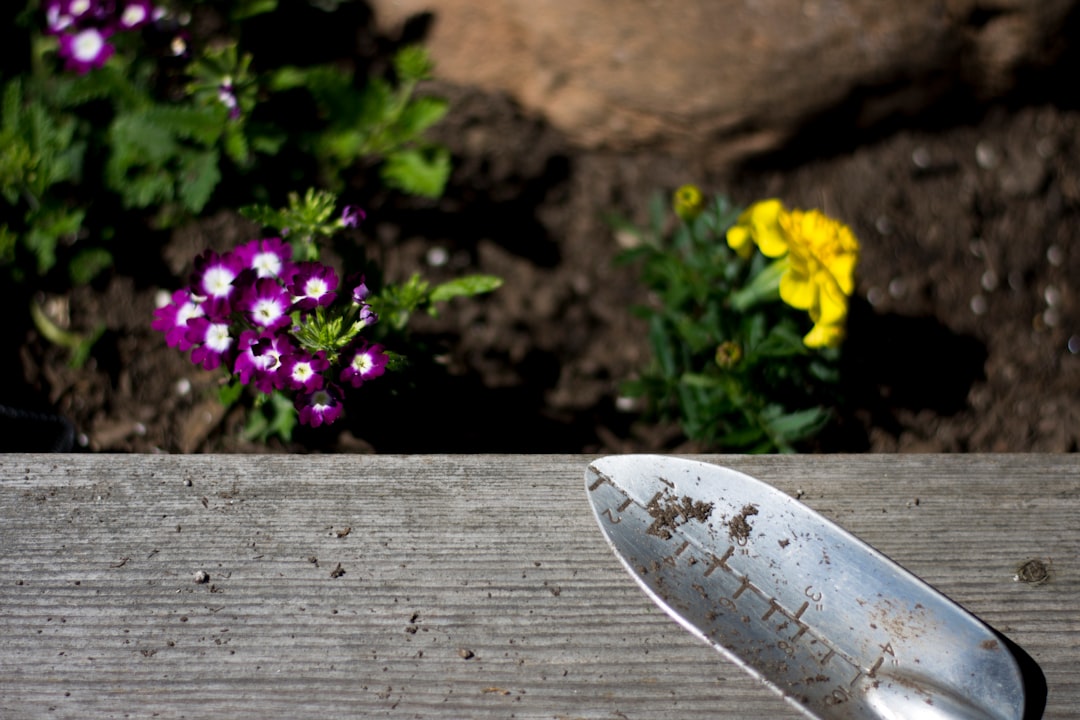
Have you ever wondered why your plants seem to struggle despite your best efforts? The secret might lie in your garden tools.
Just like you wouldn't use dirty dishes to serve food, using unsterilized tools can spread diseases and pests among your plants. Imagine the satisfaction of seeing your garden thrive, knowing that you’ve taken an essential step to ensure its health.
Sterilizing your garden tools is crucial, and it's simpler than you might think. By the time you finish reading this, you'll know exactly how to keep your tools clean and your plants happy. Ready to give your garden the care it deserves? Let's dive in!

Credit: www.wikihow.com
Importance Of Sterilising Garden Tools
Sterilising garden tools prevents the spread of plant diseases. Clean tools with a bleach solution or rubbing alcohol. This practice ensures healthy plants and a flourishing garden. Properly sterilised tools help maintain a thriving garden environment, reducing the risk of infection and plant damage.
Sterilising garden tools is essential for maintaining a healthy garden. Have you ever wondered why some plants in your garden thrive while others struggle? The answer might lie in how clean your tools are. Sterilising your garden tools is not just about cleanliness; it's a crucial step in preventing the spread of diseases and pests.
Protect Your Plants From Diseases
Your garden tools can be silent carriers of disease. A simple cut on a plant can become a gateway for bacteria and fungi if your tools are contaminated. By sterilising your tools, you reduce the risk of spreading diseases between plants. This is especially important when you are pruning or dividing plants. A clean tool ensures that each plant has a fighting chance to grow healthy and strong.
Extend The Life Of Your Tools
Sterilising tools is not just beneficial for plants but also for the tools themselves. Rust and dirt can degrade your tools over time. Regular cleaning and sterilising keep your tools in top condition, extending their lifespan. This means you spend less on replacements and more time enjoying your garden.
Improve Your Gardening Success
Imagine spending hours nurturing your garden only to see plants wilting or infected. Wouldn't it be disheartening? Sterilising your tools is a proactive step towards gardening success. It enhances the chances of your plants thriving, leading to a more fruitful gardening experience.
Save Time And Effort In The Long Run
Think about the time and effort you invest in your garden. Now, consider how much more you’d need if your plants became diseased. By keeping your tools sterilised, you prevent problems before they start. This saves you the headache of dealing with plant diseases and gives you more time to enjoy the beauty of your garden. Sterilising garden tools might seem like a small task, but its impact is significant. Next time you reach for your gardening tools, ask yourself: are they ready to protect your garden?

Credit: www.deep-roots-project.org
Common Plant Diseases Spread By Dirty Tools
Garden tools can spread plant diseases if not properly cleaned. Sterilising tools helps prevent this. Use a bleach solution or rubbing alcohol for effective cleaning. Wipe thoroughly and let them dry. Regular maintenance keeps your garden healthy and thriving.
When was the last time you cleaned your garden tools? You might not realize it, but dirty tools can carry and spread diseases between plants. These diseases can harm your garden more than pests or poor weather. Let's dive into some common plant diseases that can hitch a ride on your unsterilized tools and how you can prevent them.
Powdery Mildew
Powdery mildew is a widespread fungal disease that affects various plants, including roses, cucumbers, and grapes. It appears as a white or gray powder on leaves and stems. If you prune infected plants without cleaning your tools, you can quickly spread the mildew to healthy plants. Imagine working hard to grow a thriving rose bush, only to see it covered in mildew a week later.
Root Rot
Root rot is a sneaky disease caused by fungi that thrive in wet conditions. It attacks the roots, making it difficult for plants to absorb nutrients. When you use dirty shovels or trowels, you risk transferring fungi from diseased soil to healthy soil. This can be especially disastrous for potted plants, which have limited space for recovery.
Bacterial Blight
Bacterial blight affects many plants, including beans and tomatoes, causing dark, water-soaked lesions. It spreads through contact with infected plant material, which can easily happen if your pruning shears are not sterile. This disease can significantly reduce yields, causing frustration for home gardeners eagerly waiting for their harvest.
Verticillium Wilt
Verticillium wilt is a serious disease that affects a wide range of plants, including trees, vegetables, and flowers. It causes leaves to wilt and turn yellow, eventually killing the plant. If your tools have come into contact with infected soil or plant debris, they can carry the disease to other areas of your garden. Are your tools inadvertently aiding this silent killer?
Anthracnose
Anthracnose targets trees, shrubs, and even turf grass, causing dark sunken lesions on leaves, stems, and fruit. It's spread through spores that can easily stick to your tools. If you notice these symptoms, inspect your tools and clean them thoroughly before moving to another section of your garden. Keeping your garden tools clean isn't just a chore—it's a crucial step in maintaining a healthy garden. Regularly sterilizing your tools can prevent the spread of these diseases, saving you time, money, and heartache. Next time you finish gardening, take a moment to clean your tools. Your plants will thank you.
Essential Tools For The Sterilisation Process
Keeping your garden tools clean is essential. It prevents the spread of diseases. To do this effectively, you need some specific tools. These tools make the sterilisation process easier and more effective. Here are the essential tools you need for sterilising garden tools.
1. Disinfectant Solutions
Disinfectant solutions are crucial for sterilisation. They kill bacteria and fungi on tools. Use common household bleach or alcohol. Mix bleach with water in a 1:9 ratio. Alcohol should be at least 70% concentration. These solutions are readily available and effective.
2. Stiff-bristled Brush
A stiff-bristled brush helps remove dirt. It reaches into crevices of tools. This ensures the disinfectant works effectively. Scrub tools before applying any solution. This step is vital for thorough cleaning.
3. Protective Gloves
Protective gloves are important for safety. They prevent skin contact with chemicals. Choose gloves that are chemical-resistant. This keeps your hands safe during sterilisation.
4. Clean Cloths Or Rags
Clean cloths or rags help dry tools. After rinsing, wipe tools with a dry cloth. This prevents rust and keeps tools in good condition. Use different cloths for different tools to avoid cross-contamination.
5. Container For Soaking
A container is needed for soaking tools. Use a bucket or a large basin. Ensure it's large enough for your tools. Fill it with disinfectant solution for soaking. This ensures all parts of the tool are sterilised.
6. Wire Wool Or Sandpaper
Wire wool or sandpaper helps remove rust. Use them on metal parts of tools. This ensures the disinfectant reaches all surfaces. It also prolongs the life of your tools.
Having these tools ready makes the process smoother. Your garden tools will be clean and safe to use.
Choosing The Right Sterilisation Method
Selecting the right method to sterilise garden tools helps prevent the spread of diseases. Consider soaking tools in a bleach solution for effective disinfection. Regularly cleaning and drying tools also ensures they remain in good condition, promoting healthier garden practices.
Choosing the right sterilisation method for your garden tools can make all the difference in maintaining a healthy garden. Whether you're dealing with pesky plant diseases or simply want to ensure your tools are clean and ready for use, understanding the various methods available is crucial. It's not just about cleanliness; it's about protecting your garden from unseen threats. So, how do you decide which method is best for your tools?
Chemical Solutions
Using chemical solutions is often a quick and effective way to sterilise garden tools. Products like bleach and alcohol are popular choices. They kill most pathogens on contact. Bleach is highly effective but requires dilution. Mix one part bleach to nine parts water to create a safe cleaning solution. Alcohol, especially rubbing alcohol, is great for a quick wipe-down of smaller tools. Always wear gloves when handling these solutions to protect your skin.
Heat-based Methods
Heat-based sterilisation is another powerful option. It uses high temperatures to eliminate bacteria and viruses. Consider using boiling water or a steam cleaner. Simply boil your tools for at least 30 minutes. This ensures all germs are eradicated. Alternatively, steam cleaning can be applied to large tools that cannot be submerged in water. Have you ever tried baking your smaller tools? Placing them in an oven at 180°C for 20 minutes can work wonders.
Natural Alternatives
Natural alternatives provide a gentler approach to sterilisation. Vinegar and hydrogen peroxide are excellent choices. Vinegar is not only a household staple but also a powerful cleaner. Use a 50/50 vinegar-water mix to soak your tools. Hydrogen peroxide is a safe option that effectively kills bacteria. It's perfect for those who prefer to avoid harsh chemicals. You might be surprised by how well a saltwater solution works, too. Mixing salt and water offers a natural disinfectant that’s easy on the environment. Choosing the right method can be a game changer. Consider the materials of your tools and the severity of contamination. What works for one tool may not work for another. By tailoring your approach, you ensure your garden remains a thriving space. What method will you try first?
Step-by-step Sterilisation Guide
Sterilising garden tools keeps plants healthy. Dirty tools spread diseases. Regular cleaning is vital.
This guide helps you sterilise tools effectively. Follow these steps for best results.
Preparing Tools For Cleaning
Start with gathering all your tools. Remove dirt and debris first. Use a stiff brush for this.
Check for rust or damage. Repair or replace as needed. Inspect handles and blades carefully.
Applying Sterilisation Techniques
Choose a sterilising solution. Common options include bleach or alcohol. Mix one part bleach to nine parts water.
Soak metal parts in the solution. Leave them for 10 minutes. Wipe down non-metal parts with a cloth.
Drying And Storing Tools
After sterilising, rinse tools with clean water. Dry them completely with a towel. Moisture causes rust, so ensure they are dry.
Store tools in a dry place. Keep them organised and accessible. Proper storage extends their lifespan.
Frequency Of Sterilising Garden Tools
Maintaining healthy plants often begins with clean tools. But how often should you sterilise your garden tools? This is a question many gardeners ponder. The frequency can depend on various factors such as the type of plants you're working with and the condition of your garden. Let's explore how often you should be giving your tools that much-needed cleaning session.
Regular Use: Weekly Cleaning
If you're an avid gardener who spends time in the garden daily, aim to sterilise your tools every week. Regular use exposes tools to a variety of soil and plant materials that can harbor diseases. Weekly sterilising helps prevent the spread of harmful pathogens. You've likely noticed after a busy week of gardening, tools can look a bit grimy. A weekly clean keeps them in tip-top shape.
After Handling Diseased Plants
Whenever you deal with diseased plants, it's crucial to sterilise your tools immediately afterward. This helps prevent transferring pathogens to healthy plants. Imagine pruning a plant with powdery mildew and then moving on to another without cleaning your shears. You risk spreading the disease, impacting the health of your garden.
Seasonal Transitions: A Deep Clean
At the change of seasons, give your tools a thorough sterilisation. This not only removes any lingering residues but also prepares them for the upcoming season’s tasks. Consider it a fresh start for your tools, much like spring cleaning for your home. A deep clean at these times can ensure your tools are ready to support the growth and health of your plants.
Rainy Days: Perfect Opportunity
Rainy days are perfect for indoor tasks like cleaning garden tools. Since you can't be out digging and planting, use this time to sterilise your equipment. It's a productive way to spend those dreary days. Plus, when the rain clears, you'll have clean tools ready for action, keeping your garden thriving.
How often do you find yourself cleaning your garden tools? Maybe this is a routine you can tweak for better results. A consistent cleaning schedule might be just what your garden needs for a healthier environment.
Common Mistakes To Avoid
Avoid using dirty cloths, as they can spread germs. Don't forget to rinse tools after sterilizing. Skipping protective gloves might lead to accidents.
Sterilising garden tools is crucial for maintaining a healthy garden, but even the most seasoned gardeners can make mistakes. Avoiding these common pitfalls ensures your tools are not just clean but genuinely sterile. A few simple adjustments can make all the difference in protecting your plants.
Not Cleaning Before Sterilising
Jumping straight to sterilising without cleaning is a frequent error. Dirt and debris can block disinfectants from reaching all surfaces. Always start with a thorough wash using soap and water. This step maximises the effectiveness of your sterilising solution.
Using Ineffective Sterilising Agents
Not all cleaning agents are created equal. Household bleach, diluted properly, is a reliable choice. Ensure the solution is fresh and mixed correctly, usually one part bleach to nine parts water. Other options include alcohol or hydrogen peroxide, but always check their effectiveness for your specific tools.
Inadequate Contact Time
Rushing the sterilisation process is a mistake many make. For your disinfectant to work, it needs enough time to sit on the tool's surface. A common guideline is a minimum of ten minutes. Have you ever found yourself impatiently rinsing too soon? Remember, patience here can save your plants later.
Neglecting Hard-to-reach Areas
Every nook and cranny of your tool needs attention. These hidden spots can harbor pathogens that spread to your plants. Use brushes or cloths to reach every part. Reflect on a time when you missed a spot—did it lead to an unexpected garden issue? Attention to detail is key.
Skipping Regular Maintenance
Sterilising should be a regular habit, not a one-off task. Make it part of your routine after every use, especially when working with infected plants. Consistency helps in preventing disease outbreaks. Are you keeping up with this practice, or is it time to reassess your routine?
Ignoring Personal Safety
Protect yourself while sterilising. Wear gloves and ensure good ventilation when using chemicals. Have you ever underestimated the fumes from bleach? Prioritise your safety as much as your plants'. Avoid these common mistakes, and your garden tools will remain in top condition, safeguarding your plants' health. How can you refine your sterilising process today?
Benefits Of Regular Tool Sterilisation
Keeping garden tools clean prevents disease spread among plants. Use a mix of water and bleach for sterilisation. Regular cleaning boosts tool longevity and plant health.
Sterilising garden tools might not be the first thing on your gardening checklist, but it's essential for maintaining a healthy garden. Regular tool sterilisation offers numerous benefits that can significantly enhance your gardening experience. It's not just about cleanliness; it's about creating a thriving ecosystem in your backyard.
Protect Your Plants
When you sterilise your garden tools, you shield your plants from diseases. Dirty tools can carry pathogens from one plant to another, infecting them in the process. Imagine spending months nurturing your garden only for a disease to spread overnight. Clean tools ensure that your plants remain healthy and vibrant.
Extend Tool Longevity
Sterilising tools also prolongs their life. Residue and dirt can cause rust and wear, reducing the effectiveness of your equipment. A simple cleaning routine can save you money and keep your tools in top condition. Regular sterilisation can be seen as an investment in your gardening future.
Improve Garden Efficiency
Sterilised tools work better. They cut cleaner and operate more smoothly, enhancing your gardening efficiency. You’ll notice the difference when pruning or planting. Cleaner cuts mean quicker recovery for your plants, leading to a more productive garden.
Enhance Personal Safety
Using sterilised tools reduces the risk of injury. Sharp, clean blades are less likely to slip, and rust-free handles offer a better grip. Have you ever struggled with a rusty spade that wouldn’t cooperate? It’s frustrating and potentially dangerous. Sterilisation ensures your tools are safe to handle.
Build A Routine
Creating a routine for sterilisation can be satisfying and rewarding. It’s a moment to connect with your garden, ensuring everything is in its best state. Plus, it’s a great opportunity to inspect your tools for any damage or wear. How often do you take time to assess the health of your gardening gear? Regular sterilisation transforms your gardening experience. You safeguard your plants, extend tool life, improve efficiency, and enhance safety. Consider making tool sterilisation a regular habit. It’s a small effort with big rewards.
:strip_icc()/BHG-Pruning-Roses-100398048-593d5673b2b14156b3eaddf1515c4beb.jpg)
Credit: www.bhg.com
Frequently Asked Questions
Why Is Sterilising Garden Tools Important?
Sterilising garden tools prevents the spread of diseases between plants. It ensures a healthy garden environment. Regular cleaning reduces the risk of contamination. This practice also extends the life of your tools. Keeping tools clean is essential for effective gardening.
How Often Should I Sterilise My Garden Tools?
It's recommended to sterilise garden tools after each use. This is especially important if you've worked with diseased plants. Regular cleaning maintains tool efficiency. It also helps in preventing disease spread. Make it a routine for best results.
What Are Common Methods To Sterilise Tools?
Common methods include using bleach solutions, rubbing alcohol, or hydrogen peroxide. Each method is effective in killing pathogens. Always clean tools with water and soap first. Follow up with a disinfectant for thorough sterilisation. Choose a method that suits your preference and tool material.
Can I Use Vinegar For Sterilising Tools?
Yes, vinegar can be used to sterilise tools. It's a natural disinfectant. Soak tools in vinegar for effective cleaning. However, it's less potent than chemical disinfectants. It's best for light cleaning and maintenance. For severe contamination, consider stronger solutions.
Conclusion
Sterilising garden tools is essential for plant health. Clean tools stop disease spread. Regular maintenance ensures long-lasting equipment. First, remove dirt and debris. Then, use a disinfectant solution. Dry tools completely to prevent rust. Store them in a dry place.
This routine saves time and money. Healthy plants need healthy tools. Keep your garden thriving with clean tools. Remember, a little effort goes a long way. Happy gardening!


