Imagine having a slice of the desert right in your living room. That’s the magic of an indoor cactus garden.
You don’t need a green thumb or a sprawling backyard to create this tranquil oasis. Cacti are not just any plants; they’re resilient, low-maintenance, and uniquely beautiful. They’re the perfect companions for your busy lifestyle. But where do you begin?
The idea might seem daunting, but it’s simpler than you think. In this guide, you'll discover step-by-step how to start your very own indoor cactus garden. You'll learn what supplies you need, the best types of cacti to choose, and the secrets to keeping them healthy and vibrant. Curious about how these spiky wonders can transform your home? Read on, because by the end of this article, you’ll be ready to create a stunning cactus display that’s sure to impress.
Choosing The Right Cactus Varieties
Starting an indoor cactus garden is not just about picking any cactus you find appealing; it's about choosing varieties that will thrive in your specific indoor environment. Understanding the different types of cacti and their needs can make a big difference in your gardening success. Before you fill your space with these prickly beauties, let's explore how to make the right selections for your indoor garden.
Popular Indoor Cactus Types
Some cacti are more suited for indoor life than others. The Bunny Ears Cactusis a favorite due to its unique appearance and manageable size. It adds a playful touch to any room without demanding much space.
The Christmas Cactusis another great choice, especially if you're looking for a cactus that blooms. Its vibrant flowers can bring a splash of color to your home, making it a popular pick during the festive season.
If you want something a bit larger, the Golden Barrel Cactusmakes a striking centerpiece. Its round shape and golden spines are sure to draw attention.
Factors To Consider For Selection
When selecting your cacti, consider the lighting conditionsin your home. Do you have a sunny windowsill or a spot that's mostly shaded? Some cacti, like the Easter Cactus, prefer indirect light, while others, such as the Prickly Pear, thrive in direct sunlight.
Think about the spaceavailable. If you have limited room, opt for smaller varieties like the Fairy Castle Cactus. Its compact form fits well on shelves or small tables.
It's also important to consider your commitment level. Are you ready to take on a cactus that needs regular attention, or do you prefer a low-maintenance option? The Moon Cactus, with its colorful top, is perfect for beginners as it requires minimal care.
Choosing the right cactus is like picking the perfect pet—it should fit your lifestyle and home. What do you want to achieve with your indoor garden? By answering this question, you'll make a more informed decision, ensuring your cactus garden thrives.
Preparing The Planting Space
Creating an indoor cactus garden starts with proper space preparation. This step ensures your cacti thrive in their new environment. Understanding lighting, temperature, and humidity is crucial for healthy growth.
Ideal Lighting Conditions
Cacti need bright light for optimal growth. Place them near a window with plenty of sunlight. South-facing windows are often best. If natural light is limited, use grow lights. Ensure they mimic sunlight for at least six hours daily. Avoid direct sunlight during peak hours to prevent scorching.
Temperature And Humidity Requirements
Cacti prefer warm temperatures. Keep the room between 65°F and 80°F. Avoid sudden temperature changes. These can stress the plants. Humidity should be low to mimic desert conditions. Use a dehumidifier if necessary. Ensure air circulation to prevent mold and mildew.
Selecting Suitable Containers
Creating an indoor cactus garden starts with choosing the right containers. Containers play a crucial role in the health and growth of your cacti. They must complement your indoor space while serving their functional purpose.
Size And Material Considerations
The size of the container affects root growth. Cacti prefer snug spaces. Large containers can lead to overwatering. Choose a pot slightly bigger than the cactus. This ensures the cactus has room to grow without excess soil.
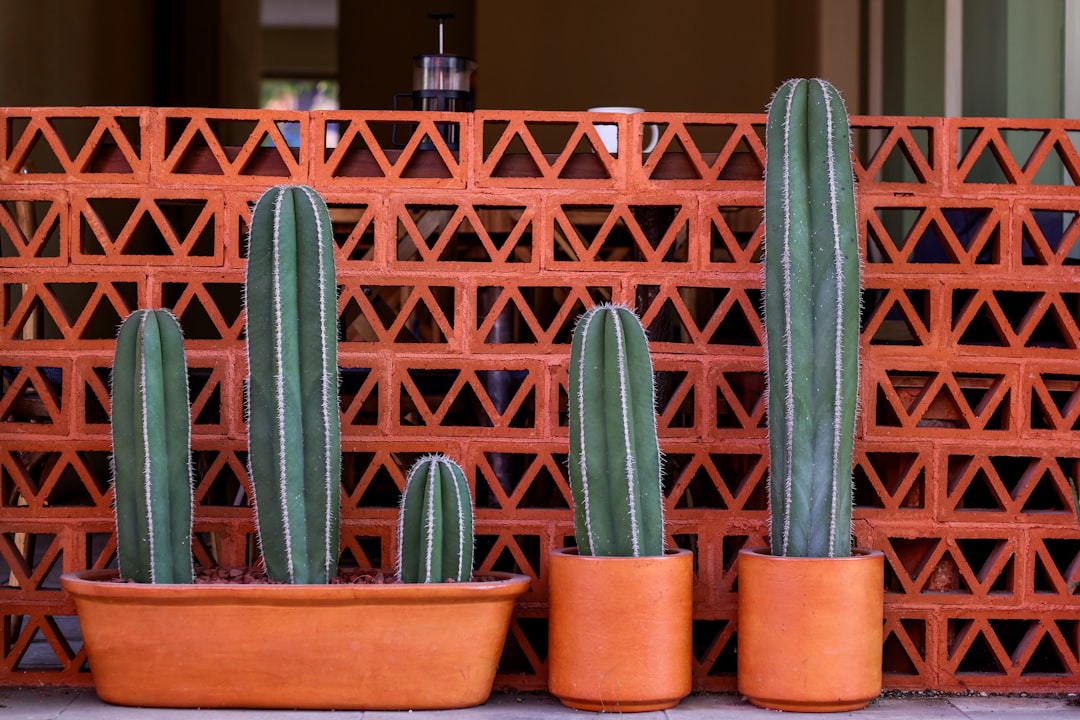
Material is equally important. Terracotta pots are breathable. They allow moisture to escape. This prevents root rot. Plastic pots retain moisture. Use them carefully to avoid overwatering.
Drainage Importance
Proper drainage is vital for cactus health. Cacti thrive in dry conditions. Containers must have drainage holes. These holes let excess water escape. Without them, roots may rot.
Consider adding a layer of gravel. This aids drainage. It prevents water from pooling at the bottom. Your cactus stays healthy and happy.
Soil And Potting Mix
Starting an indoor cactus garden requires the right soil and potting mix. Choose a well-draining mix to prevent rot. Cactus-specific soil often contains sand, gravel, and perlite, ensuring proper aeration and water flow. This setup helps your cacti thrive indoors.
Creating a thriving indoor cactus garden starts with understanding the importance of soil and potting mix. Many beginners might assume that any soil will do, but cacti have specific needs. Choosing the right soil ensures your cacti receive the necessary nutrients without excess moisture.
Essential Nutrients For Cacti
Cacti thrive on a diet rich in essential nutrients. They need a well-draining soil mix that provides stability and aeration. Nutrients like phosphorus, potassium, and calcium are crucial for their growth. I once neglected these needs, thinking my cacti would thrive in regular potting soil. They suffered and struggled to grow. You can avoid this mistake by ensuring your soil mix is nutrient-rich and well-draining.
Diy Potting Mix Recipe
Making your own potting mix is simpler than you might think. Here's a basic recipe to get you started: - 1 part potting soil: Provides a base for structure. - 1 part coarse sand: Enhances drainage. - 1 part perlite or pumice: Adds aeration and reduces compaction. Mix these components thoroughly. Ensure the soil feels gritty and drains quickly when watered. Have you ever wondered why drainage is so critical? Cacti naturally grow in arid environments. Overwatering can lead to root rot, a common issue for new gardeners. Creating your own potting mix isn't just cost-effective; it gives you control over the nutrients your cacti receive. With this knowledge, you can help your indoor cactus garden thrive. Remember, the soil is the foundation of your plant's health. Are your cacti getting the nutrients they need?
Watering Techniques
Starting an indoor cactus garden involves learning proper watering techniques. Cacti need minimal water, preferring infrequent but thorough watering sessions. Ensure pots have drainage holes to prevent root rot.
Watering your indoor cactus garden requires special care. Cacti are unique in their water needs. Understanding the right techniques is vital for their growth. These hardy plants store water in their stems. This means they need less frequent watering than most houseplants. Proper watering ensures healthy, vibrant cacti.
Frequency And Method
Cacti generally need watering every two to three weeks. This depends on factors like light and temperature. In warmer months, they may need water more often. During winter, cacti enter a dormant phase. Water them less during this time. Use the soak-and-dry method for watering. Thoroughly soak the soil, then let it dry completely. This mimics desert rain patterns. Always use a pot with drainage holes. This prevents water pooling at the bottom.
Signs Of Overwatering
Overwatering is a common mistake. Cacti suffer when they receive too much water. Look for signs like yellowing leaves. Soft, mushy stems indicate excess water. Check for mold or rot at the base. These are warning signs. If you notice these, reduce watering immediately. Allow the soil to dry out completely. Adjust your watering schedule accordingly. An overwatered cactus can recover with proper care. Use less water and observe changes. Healthy cacti have firm, plump stems. They show no signs of rot.
Fertilization Strategies
Fertilizing your indoor cactus garden is essential for healthy growth. Cacti require nutrients to thrive in indoor environments. By understanding fertilization strategies, you can ensure your cacti flourish. This involves choosing the right types of fertilizers and knowing the best times to apply them. Let's explore these key aspects of cactus care.
Types Of Fertilizers
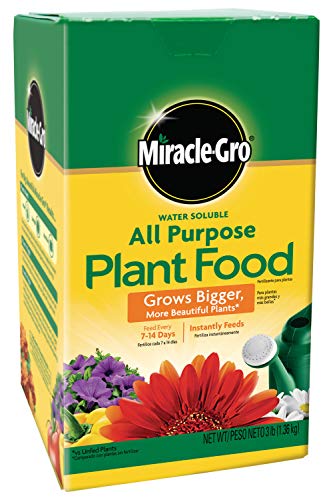
Cacti need fertilizers low in nitrogen and high in phosphorus and potassium. Consider using a balanced liquid fertilizer. A 10-30-10 ratio is ideal. Organic options like fish emulsion or seaweed extract also work well. Slow-release granules can provide nutrients over time. Choose the type that fits your gardening style and cactus needs.
Application Timing
Timing is crucial for fertilizing indoor cacti. During the growing season, apply fertilizer every four weeks. This period typically spans from spring to early summer. In winter, reduce fertilization. Cacti are dormant then and need fewer nutrients. Avoid over-fertilizing, as it can harm your plants. Always follow the recommended dosage on the fertilizer package.
Pruning And Maintenance
Indoor cactus gardens need regular pruning and maintenance for healthy growth. Trim dead parts and remove excess branches. This helps the cactus get enough light and air. Regular care keeps your cactus looking fresh and vibrant.
Creating a thriving indoor cactus garden requires more than just placing a few plants on a sunny windowsill. Pruning and maintenance are essential for keeping your cacti healthy and vibrant. Although these tasks might seem daunting, they are crucial steps that ensure your indoor desert thrives. You'll soon realize that tending to your cactus garden can be both therapeutic and rewarding.
Trimming Guidelines
Trimming your cacti is not as intimidating as it sounds. Begin by identifying any dead or damaged parts of the plant. Use a sharp, clean knife or scissors to carefully remove these areas. This not only helps maintain the plant's shape but also encourages new growth. Always wear gloves to protect your hands from the spines. Some cacti might have tiny, almost invisible spines that can be quite painful if lodged in your skin. Regular trimming keeps the plant neat and prevents overcrowding, especially if your cacti are growing in a confined space.
Disease Prevention
Keeping your cacti disease-free is a key aspect of maintenance. Overwatering is the most common mistake, leading to root rot. Ensure your pots have adequate drainage and only water when the soil is completely dry. Remember, cacti prefer to be on the drier side. Examine your plants frequently for signs of pests or disease. Look for any unusual spots, discoloration, or changes in texture. Early detection can prevent more severe problems. If you notice any issues, isolate the affected plant to stop the spread and consult a guide or expert for treatment options. Have you ever thought about what it means to nurture something so resilient yet so delicate? Your attention to detail in pruning and disease prevention can make all the difference in the health and longevity of your indoor cactus garden.
Propagation Methods
Starting an indoor cactus garden involves understanding propagation methods. Propagation is the process of creating new plants from existing ones. Different methods suit different needs and skill levels. Learn these techniques to grow your cactus collection at home.
Seed Propagation
Seed propagation is a rewarding way to grow cacti. First, choose high-quality seeds from a reliable source. Fill a shallow tray with cactus soil mix. Sprinkle seeds evenly across the surface. Gently press them into the soil. Cover the tray with a clear lid or plastic wrap. This keeps moisture in and helps seeds germinate. Place the tray in a warm, sunny spot. Check regularly and mist to keep the soil moist. Within weeks, tiny seedlings appear. Transplant them into individual pots when they are large enough to handle.
Cuttings And Grafting
Cuttings offer a fast way to propagate cacti. Choose a healthy section of the plant. Use a clean knife to cut a piece. Allow the cutting to dry for a few days. This forms a callous and prevents rot. Plant the cutting in a pot with cactus soil. Water sparingly until roots develop.
Grafting combines two cacti to create one plant. It involves joining the top of one cactus to the base of another. Both parts should be healthy and disease-free. Use a sharp knife to make clean cuts. Secure the graft with rubber bands or string. Place in a warm location with indirect light. With time, the graft will fuse, creating a unique cactus.
Decorating With Cacti
Start your indoor cactus garden by selecting various cactus types suited for indoors. Ensure proper drainage and sunlight. Arrange them creatively to enhance your room's aesthetic.
Decorating with cacti is a delightful way to breathe life into your indoor spaces. These resilient plants bring a touch of the desert to your home, making it feel both exotic and serene. Their diverse shapes and sizes allow for versatile arrangements that can complement any interior design.
Creative Display Ideas
Consider arranging your cacti in a tiered planter. This not only saves space but also creates a visual cascade of greenery. Each tier can host different cactus varieties, showcasing their unique forms and colors. Think about using hanging planters for smaller cacti. It adds a vertical element to your decor and draws the eye upward, making your space feel larger. You could hang them in clusters at varying heights for a dynamic look. Another fun idea is to use unconventional containers like old teacups or glass jars. This adds a personal touch and makes your cactus garden a conversation starter. Plus, it's a great way to recycle items you already own.
Combining Cacti With Other Plants
Mixing cacti with other plants can create an intriguing contrast. Pair a tall cactus with a leafy plant, like a fern or a peace lily, to balance textures and shapes. The soft leaves of the fern highlight the cactus's spiky silhouette. Try grouping cacti with succulents. They share similar care needs, making them ideal companions. A collection of small succulents and cacti on a windowsill can mimic a mini desert landscape right in your home. Experiment with layering plants of different heights and colors. A low-growing cactus can work well with a taller plant, like a snake plant. This adds depth to your display and creates a more dynamic arrangement. Have you ever tried creating a themed plant corner? Imagine a nook dedicated to plants from different regions, with your cacti representing the arid zones. It can be an exciting way to learn about various ecosystems while beautifying your home. Remember, the key is balance and variety. How will you showcase the unique beauty of cacti in your home?
Frequently Asked Questions
How Do I Choose The Right Cactus For Indoors?
Selecting an indoor cactus depends on light conditions and space. Opt for varieties like Christmas cactus or bunny ears. They're adaptable and require minimal care. Consider the aesthetics and size of the plant to fit your room. Ensure you have well-draining soil to keep your cactus healthy.
What Type Of Pot Is Best For Cacti?
Choose pots with drainage holes to prevent overwatering. Terracotta pots are ideal as they allow the soil to dry quickly. Ensure the pot size accommodates your cactus's growth. Proper drainage is essential to avoid root rot. The pot's material should complement your home's decor.
How Often Should I Water Indoor Cacti?
Water indoor cacti every two to four weeks, depending on humidity. Ensure the soil dries completely between waterings. Overwatering can lead to root rot and other issues. Adjust watering frequency with seasonal changes. Less water is needed in winter when growth slows down.
What Lighting Do Indoor Cacti Need?
Indoor cacti thrive in bright, indirect sunlight. Place them near windows with sufficient light. Avoid direct sunlight as it can scorch the plant. Use grow lights if natural light is insufficient. Adapt lighting based on the cactus variety and its specific needs.
Conclusion
Creating an indoor cactus garden is simple and rewarding. Cacti need little water and sunlight, making them easy to care for. Start with small pots and choose different cactus types for variety. Use well-draining soil to keep plants healthy. Arrange them where they get sunlight.
Watch your garden grow and change over time. It's a great way to bring nature indoors. Enjoy the beauty and uniqueness of cacti. They add life and charm to any space. So, get started and have fun with your new indoor garden.