Imagine having a slice of the desert right in your living room. An indoor cactus garden not only brings a touch of the exotic into your home but also requires surprisingly little maintenance.
You might think these prickly plants are tough and unyielding, but giving them the right care can transform your space into a vibrant oasis. If you’ve ever felt a twinge of excitement at the thought of nurturing your own little desert, you’re in the right place.
This guide will show you how to keep your indoor cactus garden thriving, so each time you walk past, you feel a sense of pride and tranquility. Ready to dive into the fascinating world of cacti? Let’s get started.
Choosing The Right Cactus Varieties
Choosing the right cactus varieties is crucial for a thriving indoor garden. Each cactus offers unique beauty and care requirements. Selecting the right types can enhance the garden's appeal and simplify maintenance.
Research Popular Cactus Varieties
Start by exploring popular cactus varieties. Common choices include the Golden Barrel, Christmas Cactus, and Bunny Ear Cactus. These varieties are known for their distinctive shapes and vibrant colors.
Consider Space And Size
Think about the space you have for your indoor cactus garden. Some cacti grow tall, while others remain small. Choose varieties that fit well in your living area.
Understand Light Requirements
Cacti need different light conditions. Some thrive in bright light; others prefer indirect sunlight. Ensure your home provides the right light for the chosen varieties.
Evaluate Water Needs
Cactus varieties have varying water needs. Some require frequent watering, while others need less. Research each type's water requirements to avoid overwatering or underwatering.
Check Temperature Tolerance
Consider the temperature tolerance of each cactus variety. Indoor conditions vary, and some cacti prefer warmer environments. Choose varieties suited to your home's climate.
Learn About Growth Patterns
Understand the growth patterns of different cacti. Some grow quickly; others are slow-growing. Knowing this helps in planning for repotting and space adjustments.
Assess Maintenance Levels
Evaluate the maintenance levels required for each cactus type. Some need frequent care; others are low-maintenance. Select varieties that match your gardening experience and time availability.
By carefully choosing the right cactus varieties, you create a beautiful and manageable indoor garden. Consider these factors to ensure your cactus garden thrives with minimal effort.
Ideal Potting Mix
Creating the perfect potting mix is essential for a thriving indoor cactus garden. Cacti are unique plants that require specific conditions to grow well. Understanding the right potting mix can make all the difference in their health. Let's dive into what makes an ideal potting mix for your cacti.
What Is A Potting Mix?
A potting mix is a blend of materials used to grow plants in containers. It provides the necessary environment for root growth and plant stability. For cacti, this mix must mimic their natural desert habitat.
Essential Components Of A Cactus Potting Mix
Cactus potting mix needs fast-draining materials. This prevents water retention which can harm cacti roots. Sand, gravel, and perlite are common ingredients. They ensure proper drainage and aeration.
The Importance Of Sand In Cactus Mix
Sand is crucial in a cactus mix. It replicates the sandy soil of desert environments. This helps cacti roots stay dry and healthy. Use coarse sand for best results.
Gravel For Improved Drainage
Gravel is another key component in cactus potting mix. It aids in drainage and prevents soil compaction. A layer of gravel at the bottom of the pot helps excess water escape.
Perlite For Aeration
Perlite is a lightweight, volcanic rock that enhances aeration. It allows air to circulate around the roots. This is vital for healthy cactus growth.
Mixing It All Together
Create a balanced potting mix by combining these components. Use equal parts sand, gravel, and perlite. Adjust the mix based on your specific cactus type.
Why Regular Soil Isn’t Enough
Regular potting soil retains too much moisture for cacti. This can lead to root rot. Cacti need a mix that drains quickly and stays dry.
Watering Techniques
Taking care of an indoor cactus garden can be rewarding. Cacti are known for their low maintenance needs. But understanding proper watering techniques is key. Watering is not just about frequency. It's also about knowing the signs of overwatering. Let’s explore effective watering techniques for your cactus garden.
Frequency And Amount
Watering frequency depends on the season. In summer, water your cacti every 7-10 days. During winter, reduce it to once a month. Always let the soil dry completely before watering again. The amount of water is crucial. Use just enough to soak the soil. Ensure excess water drains out. Overwatering leads to root rot. Use pots with drainage holes.
Signs Of Overwatering
Overwatered cacti show specific signs. Soft, mushy stems indicate excess water. Yellowing or black spots appear on the plant. These are signs of distress. The roots may rot, causing the plant to fall over. If you see these signs, reduce watering immediately. Let the soil dry out completely. Assess the drainage system of your pot. Good drainage prevents overwatering issues.
Lighting Requirements
Caring for an indoor cactus garden requires understanding its lighting needs. Light is crucial for cacti to thrive. Too much or too little light can harm them. Knowing the right balance is key.
Natural Light Vs. Artificial Light
Cacti love natural sunlight. Place them near south-facing windows. Sunlight helps them grow strong. But, not all homes have enough light. Artificial lights can help. LED grow lights are a great option. They provide the right spectrum for growth. Ensure they mimic natural light. This helps keep cacti healthy.
Positioning Your Cactus
Position matters for your cactus. South or west windows are best. They get the most sunlight. Rotate your cactus every week. This ensures even growth. Avoid placing them in dark corners. Lack of light leads to weak cacti.
Watch for signs of too much sun. Brown spots mean sunburn. Move them slightly away from direct light. Adjust their position based on seasons. More light in winter, less in summer. This keeps them balanced year-round.
Temperature And Humidity
Caring for an indoor cactus garden involves maintaining ideal temperature and humidity levels. Keep temperatures between 70-80°F during the day. Ensure humidity stays low, around 30-40%, to mimic desert conditions.
When tending to an indoor cactus garden, understanding the nuances of temperature and humidity is crucial. These resilient plants might be synonymous with deserts, but even they have their specific preferences. Striking the right balance can make the difference between a thriving cactus and a struggling one. Let's dive into how you can master the temperature and humidity settings for your indoor cactus haven.
Understanding Temperature Needs
Cacti thrive best in warm environments. They generally prefer temperatures between 65°F and 80°F (18°C to 27°C) during the day. Nighttime temperatures can drop slightly, but aim to keep them above 50°F (10°C). If your home naturally fits this range, you're in luck. If not, consider a space heater or a sunny windowsill to help maintain warmth. Always be cautious of cold drafts and sudden temperature changes, as these can stress your cacti.
The Role Of Humidity
Cacti are adapted to arid conditions, so low humidity levels are ideal. Aim to keep the humidity in your home between 10% and 30%. Too much humidity can lead to rot and disease. A dehumidifier can be a helpful tool in particularly humid climates. Alternatively, you can place your cacti near a fan or an air conditioning unit for drier air. Consider checking humidity levels with a hygrometer to ensure an optimal environment.
A Personal Story: Learning From Mistakes
I once placed my cactus near a humidifier, thinking it would create a more "natural" atmosphere. Big mistake. Within weeks, I noticed mold beginning to form. I quickly moved it to a drier spot, and it bounced back. This taught me to pay close attention to the micro-environment around my plants. It's crucial to observe and adjust based on what your plants are telling you.
Temperature Fluctuations: What To Watch For
Sudden changes in temperature can shock your cacti. This can happen if they're close to an exterior door or window. Avoid placing them in areas where temperature drops are frequent, like near air conditioning vents. If you notice a drop in temperature, consider moving your plants temporarily. It's always better to err on the side of caution.
Engaging Your Senses: Observing And Adjusting
Look at your cacti frequently. Are they showing signs of distress, such as discoloration or softness? These can be clues that the temperature or humidity isn't quite right. Adjusting your environment can lead to remarkable improvements. Have you ever had to make a quick change to save a plant? How did it turn out for you? In your journey of caring for an indoor cactus garden, remember that temperature and humidity are your allies. By keeping these elements in check, you provide the best chance for your cacti to flourish.
Fertilizing Your Cacti
Caring for your indoor cactus garden involves more than just watering. Fertilizing is key to healthy growth. Cacti need nutrients to thrive indoors. Fertilizing helps them grow strong and vibrant. It replenishes essential nutrients in the soil. But, timing and type of fertilizer matter. Let's explore how to fertilize your cacti effectively.
Best Time To Fertilize
Cacti grow actively in warmer months. This is the best time to fertilize. Spring and summer are ideal. During these months, cacti absorb nutrients better. Fertilizing in winter can harm them. They rest and need fewer nutrients then. Always check the growth cycle of your specific cacti. This ensures you fertilize at the right time.
Types Of Fertilizers
Choosing the right fertilizer is crucial. Use a balanced, water-soluble fertilizer. It should be low in nitrogen. High nitrogen can damage cacti. A 10-10-10 or 5-10-10 formula works well. Organic fertilizers are also suitable. They release nutrients slowly. This benefits the cacti over time. Avoid fertilizers with high salt content. They can harm the plant roots. Always dilute the fertilizer before use. This prevents over-fertilizing and root burn.
Repotting Guidance
Cactus gardens thrive with proper repotting. Fresh soil and the right container size help roots breathe. Use gloves to protect your hands from spines.
Caring for an indoor cactus garden is a delightful venture that adds a touch of desert charm to your home. However, just like any other plant, cacti sometimes need a new pot to thrive. This process, known as repotting, is essential for maintaining the health and beauty of your spiky friends. Let’s dive into how you can effectively repot your indoor cactus garden and keep it looking vibrant and fresh.
When To Repot
Recognizing when your cactus needs a new home can be a game-changer. Cacti generally require repotting every 2-4 years, but there are signs that can prompt an earlier move. If you notice roots poking out of the drainage holes, or if the cactus appears top-heavy or stunted, it’s time to consider repotting. Another indicator is the soil condition. If the soil is compacted, doesn't absorb water well, or has a white crust, your cactus might be asking for a refresh. Repotting is not just about space; it’s also about giving your cactus fresh soil and nutrients to thrive.
Steps For Repotting
Repotting a cactus might sound intimidating, but it’s simpler than you think. Here’s a straightforward guide to make the process easy and stress-free: 1. Gather Your Tools: You’ll need a new pot with drainage holes, cactus soil mix, gloves, and a small trowel. A pair of tongs or a towel can help handle spiky cacti safely. 2. Choose the Right Pot: Select a pot that is one size larger than the current one. Too big, and you risk overwatering; too small, and your cactus won't have room to grow. 3. Prepare the Cactus: Water your cactus lightly a few days before repotting. This makes it easier to remove from the pot. 4. Remove the Cactus: Carefully take the cactus out of its pot. If it’s stuck, gently tap the sides or use a knife around the edge to loosen the soil. 5. Examine the Roots: Shake off excess soil and check the roots for any rot or damage. Trim any unhealthy roots with clean scissors. 6. Potting the Cactus: Fill the new pot with a layer of cactus soil, place your cactus, then add more soil around it. Ensure the base of the cactus is at the same depth as before. 7. Water Sparingly: After repotting, wait a week before watering. This allows any root damage to heal and prevents rot. Repotting isn’t just a chore; it’s a chance to connect with your plants and ensure they have the best environment to flourish. Have you ever repotted a cactus and seen it burst with new growth? It’s a rewarding experience that highlights the importance of this simple act of care. So, grab your gloves and give your indoor cactus garden the attention it deserves.
Pest And Disease Management
Keeping your indoor cactus garden healthy involves careful pest and disease management. Cacti, though tough, can suffer from pest invasions and diseases. Knowing how to spot issues early is crucial for their survival. Regular monitoring helps prevent long-term damage.
Common Pests
Cacti often attract pests like spider mites, mealybugs, and scale insects. Spider mites are tiny and hard to see. They leave small webs on cactus surfaces. Mealybugs appear as white, cottony masses. They cluster around plant joints and bases. Scale insects look like small bumps on stems. These pests suck sap and weaken the plant.
Preventive Measures
Prevention is key to maintaining a healthy cactus garden. Keep your plants clean and dust-free. Use a soft brush to remove dust from cactus surfaces. Provide good air circulation around each plant. This reduces the risk of pest infestation. Avoid overwatering, as it attracts pests and causes root rot.
Inspect new plants before adding them to your collection. This helps prevent introducing pests to your existing cacti. Use insecticidal soap or neem oil for early pest control. Apply these treatments carefully, following the instructions on the label.
Seasonal Care Tips
Indoor cactus gardens require minimal water, bright light, and balanced temperatures to thrive year-round. Rotate pots to ensure even sunlight exposure. Use well-draining soil to prevent root rot and maintain healthy growth.
When caring for an indoor cactus garden, adjusting your routine with the changing seasons is crucial. Each season brings unique challenges and opportunities for your cacti to thrive. Understanding these shifts can make a significant difference in the health and beauty of your indoor garden.
Winter Care
Winter can be a tough time for cacti as they enter a dormancy phase. Reduce watering during this time; once a month is often enough. Your cacti might look a little shrunken, but that's normal. Keep them in a bright spot, but away from direct heat sources like radiators. A friend once kept her cactus too close to a heater, and it ended up dehydrated. Learn from her mistake and maintain a cool environment. Consider grouping your cacti together. This can create a microclimate that retains warmth. Just make sure there's enough space for air circulation to prevent mold.
Summer Adjustments
Summer is growth season for your cacti. Increase watering frequency, but ensure the soil dries out between waterings. Overwatering is a common pitfall that can lead to root rot. Move your cacti to a sunnier spot if they’re not already basking in full light. I once moved my cactus to a south-facing window, and the growth spurt was noticeable. However, be wary of too much direct sunlight. It can cause sunburn, especially if your cacti are not used to intense light. If you notice any discoloration, provide some shade during the hottest parts of the day. Do you have any other seasonal care tips that work for your indoor cactus garden? Share your thoughts below!
Creative Arrangement Ideas
Creating an indoor cactus garden allows you to bring the desert indoors. With creative arrangement ideas, you can transform your space into a stunning display. Cacti are unique and come in various shapes and sizes. Arranging them creatively enhances their beauty and adds character to your home.
Group By Size And Shape
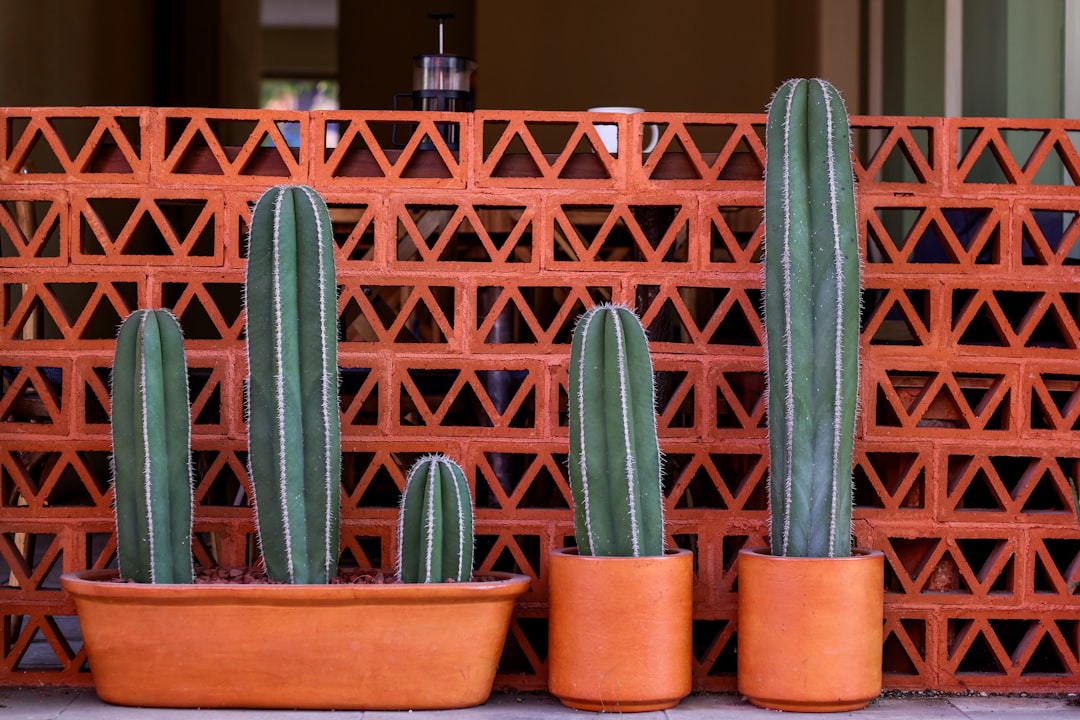
Arrange cacti by size and shape for visual harmony. Tall cacti can stand in the back, creating height. Round ones can sit in the front, offering depth. This arrangement allows each plant to shine.
Use Colorful Pots
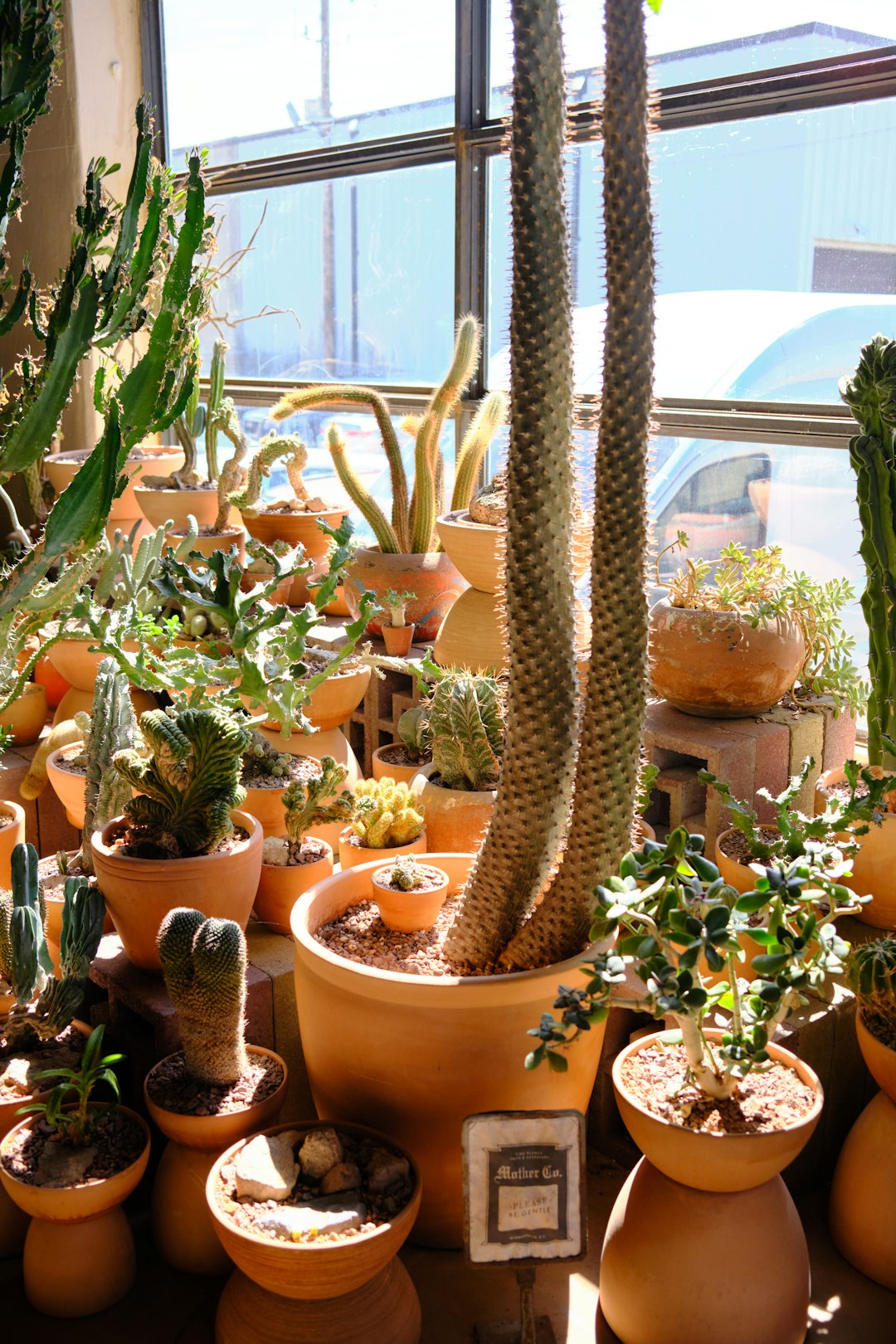
Bright pots add vibrancy to your cactus garden. Choose colors that complement your decor. Different pot styles can highlight the uniqueness of each cactus. This adds a personal touch to your garden.
Create A Mini Desert Scene
Sand and stones mimic a desert environment. Use small rocks to create pathways. Sand can fill gaps, making the arrangement look natural. This idea transports the desert charm indoors.
Hang Cacti In Macramé
Macramé hangers give a bohemian feel. Hanging cacti saves space and adds dimension. Choose sturdy hangers to support the weight. This arrangement adds interest to your walls.
Mix With Other Succulents
Combine cacti with succulents for variety. Succulents have diverse colors and textures. Mixing them creates a lush and vibrant display. This arrangement offers a fresh look.
Frequently Asked Questions
How Often Should I Water Indoor Cacti?
Water indoor cacti sparingly, about every 2-4 weeks. Ensure soil is dry before watering. Overwatering can cause root rot. Adjust frequency based on season and humidity levels. During winter, reduce watering as cacti are dormant.
What Type Of Soil Is Best For Cacti?
Use well-draining soil, specifically cactus potting mix. This prevents waterlogging and root rot. Mix with sand or perlite for improved drainage. Avoid heavy soils that retain moisture. Proper soil promotes healthy growth and prevents disease.
Can Indoor Cacti Grow In Low Light?
Cacti prefer bright, indirect sunlight. However, some can tolerate low light conditions. Ensure they receive at least 4-6 hours of light daily. Rotate pots occasionally to maintain even growth. Consider artificial grow lights if natural light is insufficient.
How Do I Prevent Pests On Cacti?
Inspect cacti regularly for pests like mealybugs or spider mites. Use insecticidal soap or neem oil for treatment. Ensure proper ventilation and avoid overwatering. Healthy cacti are less susceptible to infestations. Regular care and observation help prevent pest issues.
Conclusion
Taking care of an indoor cactus garden is rewarding. These plants require minimal effort. Just sunlight, water, and a touch of love. Remember to water sparingly. Cacti thrive in dry soil. Find a sunny spot for them. They love bright spaces.
Regularly check for pests or diseases. Keep them healthy and happy. With patience, your cacti will flourish. Enjoy the beauty they bring. An indoor cactus garden adds charm to your home. Perfect for plant lovers seeking simplicity. Embrace the joy of growing cacti.
They are beautiful, resilient, and easy to maintain. Happy gardening!