Ever wonder why your indoor plants aren't thriving as they should? The secret might be in how you water them.
Knowing the right way to water your indoor garden can be the difference between lush, vibrant greenery and wilting leaves. Imagine transforming your living space into a thriving oasis with just a few simple tweaks. By mastering the art of watering, you can unlock the full potential of your indoor plants and create a healthier, more beautiful environment in your home.
Dive in to discover expert tips that will make your indoor garden flourish like never before. Your plants will thank you, and you'll enjoy the satisfaction of a thriving indoor garden. Keep reading to learn how to nurture your green companions effectively.
Choosing The Right Watering Tools
Selecting suitable watering tools is crucial for indoor gardening success. Tools like watering cans with narrow spouts help avoid overwatering. Consider self-watering pots to maintain consistent moisture levels effortlessly.
Taking care of an indoor garden can be a rewarding experience, but choosing the right watering tools is crucial for the health of your plants. It's not just about grabbing any watering can; the right equipment can make all the difference. Whether you're a newbie or a seasoned plant enthusiast, having the right tools can significantly impact your gardening success. Let’s dive into the essential equipment and innovative solutions that can help you efficiently water your indoor garden.
Essential Equipment
When starting out, you need some basic tools that will make watering your plants easier and more effective. A watering can with a long, narrow spout is perfect for reaching into the tight spaces between leaves without spilling water everywhere. This tool allows precise water delivery, preventing overwatering. A spray bottle is another must-have, especially for plants that thrive in high humidity. Misting is essential for tropical plants like ferns and orchids, which need a bit more moisture in the air. Finally, consider using a moisture meter to determine when your plants actually need water. It takes the guesswork out of watering and helps prevent root rot, a common issue with indoor plants. Have you ever wondered if you’re over or under-watering? A moisture meter can give you peace of mind.
Innovative Watering Solutions
While traditional tools are effective, innovative solutions can make watering more efficient. Self-watering pots are an excellent option if you travel frequently or forget to water your plants regularly. They come with a built-in reservoir that allows the plant to absorb water as needed. Another innovative tool is the watering globe. These glass or plastic globes are filled with water and then inserted into the soil. As the soil dries, it naturally draws water from the globe, ensuring consistent moisture levels. For tech enthusiasts, smart watering systems are becoming increasingly popular. These devices can be programmed to water your plants at specific times, and some even have sensors that detect moisture levels. Imagine being able to control your indoor garden's watering schedule from your smartphone! Choosing the right watering tools can transform your indoor gardening experience. Have you tried any of these innovative solutions, or do you prefer sticking to the basics? Either way, making informed choices will keep your plants thriving and your indoor garden a place of beauty and relaxation.
Determining Water Needs
Understanding the water needs of your indoor garden is essential for plant health. Each plant requires different amounts, so check soil moisture regularly. Use your finger or a moisture meter to ensure proper hydration.
Determining the water needs of your indoor garden is crucial for its health and growth. Every plant is unique and requires different care, making it essential to understand their specific water requirements. You might wonder, how can you ensure you're providing the right amount of water without overdoing it? Let’s dive into some practical strategies to help you become a more attentive plant parent.
Understanding Plant Requirements
Different plants have different water needs. Succulents, for example, thrive in dry conditions and need less frequent watering. On the other hand, ferns prefer consistently moist soil. Take time to research the specific plants in your indoor garden. A quick search or a chat with a local nursery can provide valuable insights. Understanding these needs helps prevent common watering mistakes.
Recognizing Signs Of Overwatering And Underwatering
Overwatering and underwatering are common pitfalls. But how can you tell if your plant is suffering from either? Overwatering often leads to yellowing leaves and root rot. You might notice a musty smell or mushy stems. On the flip side, underwatered plants tend to have brown, crispy leaf edges and drooping stems. If you notice these signs, adjust your watering schedule accordingly. Feel the soil to determine if it's too wet or dry before watering again. A moisture meter can be a helpful tool for accuracy. Have you ever had a plant that just wouldn't thrive? Consider revisiting your watering habits. A small change might make all the difference in keeping your indoor garden lush and vibrant.
Timing Your Watering Routine
Watering indoor gardens requires perfect timing. Early mornings or late evenings are ideal. This helps plants absorb moisture without rapid evaporation.
Timing your watering routine for an indoor garden is crucial for maintaining healthy plants. Overwatering or underwatering can lead to wilting, yellowing leaves, or even plant death. By understanding when to water, you ensure your plants get the right amount of moisture they need to thrive. Let's delve into the specifics of timing your watering routine effectively.
Best Times To Water
Morning is the ideal time to water your indoor plants. It allows the soil to absorb moisture before the afternoon heat increases evaporation. If you're not a morning person, consider watering early in the evening, but ensure there's enough time for the leaves to dry to prevent mold. When I started my indoor garden, I noticed my plants seemed healthier when I watered them around 7 AM. They had the entire day to bask in the sunlight, which complemented the morning watering. Have you noticed a difference in your plant's health based on the time you water them?
Adjusting For Seasonal Changes
Seasonal changes play a significant role in how often you should water your plants. During winter, indoor heating can dry out the air, requiring more frequent watering. Conversely, in summer, higher humidity might mean you can water less often. Consider using a moisture meter to check the soil's dryness. In the winter, I found that my plants needed watering about every 10 days instead of weekly. Have you tried adjusting your watering schedule with the changing seasons? Timing your watering routine isn't just about sticking to a schedule. It's about observing and responding to your plant's needs. By paying attention to the time of day and the seasons, you can ensure your indoor garden remains lush and vibrant.
Techniques For Effective Watering
Watering indoor gardens requires understanding plant needs and soil moisture levels. Check soil with your finger for dampness. Adjust watering frequency based on humidity and plant type, ensuring roots get the right amount.
Watering your indoor garden effectively is crucial for maintaining vibrant and healthy plants. The right techniques can make a world of difference, ensuring your plants receive the moisture they need without overdoing it. Let’s dive into some practical methods that cater to the diverse needs of your indoor flora.
Top-down Watering
Top-down watering is the most common method. You simply water your plants from above, allowing gravity to help moisture reach the roots. To avoid overwatering, ensure the top inch of soil is dry before the next watering session. Using a watering can with a narrow spout can help you control the water flow. This minimizes the risk of displacing soil. I’ve found this method particularly effective for my spider plants and succulents.
Bottom Watering Method
Bottom watering involves placing your plant pots in a tray filled with water. This allows the plants to absorb moisture through the drainage holes at the base. It’s a gentle way to ensure your plants get enough water without soaking the foliage. This method works wonders for African violets, which are sensitive to water on their leaves. You’ll know your plant has absorbed enough when the topsoil feels slightly damp. It’s a great way to promote healthy root growth, too.
Misting For Humidity
Misting helps increase humidity, which is ideal for tropical plants. Use a spray bottle to mist the leaves lightly. This can prevent your plants from drying out, especially during winter when indoor air is dry. I’ve noticed that my ferns thrive when misted regularly. However, be careful not to overdo it, as too much moisture can lead to fungal issues. Do you find your indoor air too dry? Misting could be your solution to maintaining a lush indoor garden. By adopting these watering techniques, you tailor your care to each plant’s specific needs. Which method will you try first?
Water Quality Considerations
Proper watering is vital for indoor gardens. The water quality impacts plant health. It's crucial to understand the types of water suitable for plants. Addressing water hardness is also important. Both factors ensure optimal plant growth and vitality.
Types Of Water To Use
Tap water is common in indoor gardening. It's easily accessible but may contain chemicals. Chlorine and fluoride are often in tap water. These can harm sensitive plants. Let tap water sit for 24 hours. This allows chemicals to evaporate.
Distilled water is another option. It lacks minerals, making it safe for most plants. But, some minerals are essential for plant growth. Consider supplementing these if using distilled water.
Rainwater is ideal for indoor gardens. It's free from chemicals and rich in nutrients. Collect rainwater in clean containers. Use it to water your plants regularly.
Addressing Water Hardness
Water hardness affects plant health. Hard water contains high mineral levels. Calcium and magnesium are common in hard water. These minerals can build up in soil. This buildup can harm plant roots.
Test your water for hardness. Use water hardness test strips. They are easy and quick to use. If your water is hard, use a water softener. Alternatively, mix hard water with distilled water. This reduces mineral concentration.
Regularly check for mineral buildup. Look for white crust on soil or pots. Remove buildup by flushing soil with distilled water. This helps maintain plant health and growth.
Preventing Water-related Issues
Preventing water-related issues in your indoor garden is crucial. Excessive moisture can harm your plants. It leads to root rot and fungal growth. Understanding how to manage these problems helps keep your garden thriving.
Dealing With Root Rot
Root rot occurs from overwatering. It suffocates plant roots. This leads to decay. Signs include yellow leaves and stunted growth. To prevent root rot, check soil moisture regularly. Use pots with drainage holes. Allow the soil to dry between waterings. Trim affected roots to save your plant.
Managing Fungal Growth
Fungal growth can damage plants. It appears as powdery or fuzzy spots. High humidity and wet soil encourage fungi. Ensure proper air circulation around plants. Avoid watering leaves directly. Use a fan to lower humidity. If fungi appear, apply a natural antifungal spray.
Using Technology In Watering
Technology simplifies watering indoor gardens. Smart sensors detect soil moisture and automatically adjust water flow. Efficient watering systems ensure plants receive the right amount without manual intervention.
Watering your indoor garden might seem straightforward, but integrating technology can make it both efficient and precise. With the advancement of smart tools, you can now cater to your plants’ needs with minimal effort. You might be wondering how technology fits into watering routines and whether it’s worth the investment. Let’s delve into the world of tech-savvy gardening and see how it can transform your indoor garden care.
Smart Watering Systems
Smart watering systems are a game-changer for plant enthusiasts. These systems automate the watering process, ensuring your plants receive the right amount of water at the right time. Think of it as having a personal gardener that never forgets or overdoes it. Imagine setting up a schedule on your smartphone or tablet, and your system takes care of the rest. Some advanced models even adjust based on weather forecasts or seasonal changes. If you've ever been on vacation and worried about your plants, a smart watering system can ease that anxiety.
Monitoring Soil Moisture
Monitoring soil moisture is crucial for healthy plant growth. Overwatering can be just as harmful as underwatering. Here’s where technology steps in to save the day. Soil moisture sensors are small devices that you insert into the soil, and they measure how much water is present. These sensors connect to your smartphone, giving you real-time data about your plants' needs. No more guessing games or poking your finger into the soil. The insights you gain from monitoring can inform your watering schedule and even help you learn about each plant’s unique needs. Have you ever thought about the precise needs of your indoor garden? Using technology, you can tailor your care to each plant’s preference. Embrace the potential of technology in your indoor gardening routine. You might find that it not only saves you time but also helps your plants thrive like never before.
Caring For Different Plant Types
Watering indoor plants requires understanding their specific needs. Each plant type demands different care to thrive indoors. Discover how to water succulents, tropical plants, and herbs efficiently. Ensure your indoor garden stays lush and vibrant.
Succulents And Cacti
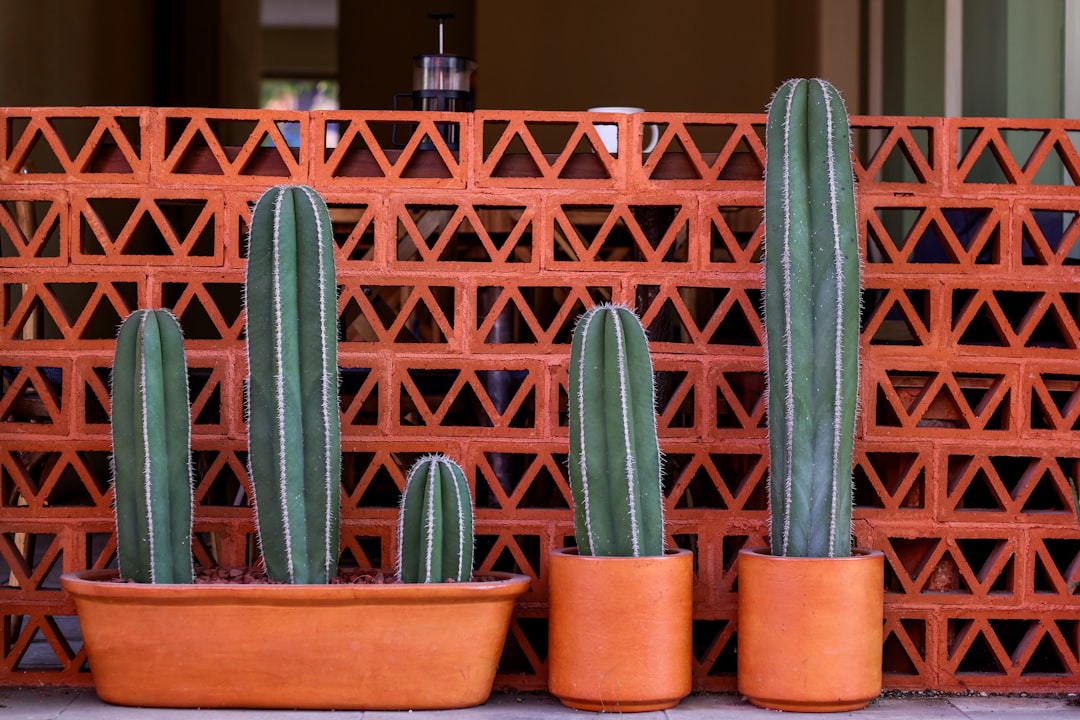
Succulents and cacti prefer dry soil. Water them sparingly to mimic desert conditions. Check the soil before watering. It should be completely dry. Overwatering leads to root rot, so be cautious. Use a pot with drainage holes for best results.
Tropical Plants
Tropical plants enjoy humid environments. They need regular watering to stay healthy. Keep the soil consistently moist but not soggy. Mist their leaves to create humidity. Ensure the pot has good drainage to avoid waterlogging.
Herbs And Vegetables
Herbs and vegetables require more frequent watering. They thrive in moist, well-drained soil. Check the top inch of soil. If dry, water the plant. Water directly at the base to prevent leaf diseases. Ensure proper drainage to maintain healthy growth.
Frequently Asked Questions
How Often Should I Water My Indoor Garden?
The frequency of watering depends on the plant types and environmental conditions. Generally, most indoor plants require watering once a week. Check the soil moisture level regularly. If the top inch is dry, it's time to water. Adjust frequency based on seasons; less in winter, more in summer.
What Is The Best Time To Water Indoor Plants?
The best time to water indoor plants is in the morning. Morning watering allows the plants to absorb moisture efficiently. It also prevents fungal growth by allowing excess water to evaporate during the day. If mornings are not feasible, early evening is the next best option.
Can Overwatering Harm Indoor Plants?
Yes, overwatering can harm indoor plants by causing root rot. Excess water suffocates roots, preventing them from absorbing nutrients. Symptoms of overwatering include yellowing leaves and wilting. To prevent overwatering, ensure proper drainage and check soil moisture regularly before watering.
How Do I Know My Indoor Garden Needs Water?
Check the soil's top inch; if it's dry, plants need water. Feel the soil texture; dry soil indicates a need for watering. Additionally, observe plant leaves; drooping or wilting suggests insufficient moisture. Use moisture meters for accurate readings and adjust watering accordingly.
Conclusion
Caring for your indoor garden requires attention and patience. Regular watering keeps plants healthy and vibrant. Monitor soil moisture to prevent overwatering. Use the right tools for effective watering. Adjust watering based on plant needs. Remember, every plant is different.
Observe them closely for signs of thirst or stress. A consistent routine helps maintain their well-being. Enjoy watching your indoor garden flourish with proper care. Happy gardening!