When to Plant a Garden?
When it comes to gardening, timing is everything. Knowing when to plant your garden can be the difference between a bountiful harvest and a disappointing season.
Imagine stepping outside to a lush array of colorful blooms and fresh vegetables, all because you knew the secret to perfect planting. What if you could ensure that your garden thrives, giving you more time to enjoy the beauty and bounty of your hard work?
The good news is, you can! By understanding the right moments to plant, you set yourself up for a garden that flourishes. Dive in with us to discover the optimal times to sow your seeds and nurture your plants. Your dream garden awaits!
Choosing The Right Season
Choosing the right season to plant a garden is crucial. Each season offers unique benefits and challenges for gardening. Understanding these can help you decide the best time to start planting. Whether you are new to gardening or have experience, knowing what each season offers can enhance your garden's growth.
Spring Planting Benefits
Spring is a popular time for planting. The soil is warming after winter's chill. Plants thrive in mild temperatures. Rainfall is plentiful, reducing the need for constant watering. Many vegetables and flowers grow well in spring. It's ideal for starting your garden.
Summer Planting Considerations
Summer brings intense heat. Plants require more water and care. Some crops, like tomatoes and peppers, love the heat. Growth can be rapid if plants are well-maintained. Choose heat-resistant varieties for best results. Sunlight is abundant, promoting healthy growth.
Fall Planting Advantages
Fall offers cooler temperatures. It reduces stress on plants. Many root vegetables thrive in fall. Pests are less active, protecting your crops. Fall planting extends the growing season. It prepares your garden for winter.
Winter Challenges
Winter poses significant challenges for gardening. Frost can damage delicate plants. Soil is often too hard for planting. Protect plants with covers or mulch. Limited daylight hampers growth. Plan carefully if you choose to plant in winter.
Understanding Climate Zones
Understanding climate zones is key to knowing the right time to plant a garden. Different zones have varying temperatures and seasons, which affect planting schedules. Consider your local climate to ensure successful growth.
Planting a garden is an exciting journey, but timing is everything. Understanding climate zones can be your secret weapon for a thriving garden. Why? Because climate zones dictate the best times to plant specific types of plants. By aligning your planting schedule with your zone, you enhance growth chances and minimize risks. Imagine planting tomatoes in early spring only to lose them to a late frost. Knowing your climate zone prevents such mishaps. Let's dive into how you can identify your zone and tailor your planting strategy for success.
Identifying Your Zone
To start, you need to know which climate zone you live in. The United States Department of Agriculture (USDA) provides a handy Plant Hardiness Zone Map. This map divides regions based on average minimum temperatures. Look up your location on the map; it's usually categorized into zones ranging from 1 to 13. Each zone tells you the temperatures your plants will endure. Once you've found your zone, check local resources or gardening groups. They often have insights on microclimates specific to your area. You may be surprised to find slight variations even within your neighborhood. These nuances can impact your planting schedule.
Zone-specific Planting Tips
Now that you've identified your zone, tailor your planting calendar. If you're in Zone 5, consider starting your seeds indoors in early March. By the time May rolls around, your seedlings will be ready to handle outdoor conditions. For those in warmer zones like Zone 10, early planting can be a game-changer. You might plant summer veggies like peppers and cucumbers as early as February. This gives them a head start, maximizing your harvest before the blistering heat arrives. Don't forget perennials! In colder zones, plant them in early fall. Their roots will establish before winter, ensuring robust growth come spring. In warmer zones, a spring planting might be more beneficial. Consider what works best for your specific plants. Have you ever wondered why your neighbor's roses bloom early and yours don't? It might be a zone-related trick. Adjusting planting time based on your zone can lead to unexpected wins in your garden. Understanding climate zones is more than just knowing when to plant. It's about optimizing growth and preventing losses. Are you ready to sync your garden with nature’s rhythm? Start by identifying your zone and watch your garden flourish.
Planting Based On Frost Dates
Planting a garden requires timing based on frost dates to ensure healthy growth. Knowing local frost dates helps determine the best planting time. This approach protects plants from unexpected cold, ensuring a thriving garden.
Planting a garden based on frost dates can make or break your gardening success. Knowing when to plant ensures your garden thrives, free from the dangers of unexpected frost. This timing depends on two critical dates: the last frost date in spring and the first frost date in fall. Understanding these can help you plan your planting schedule effectively, avoiding disappointment and wasted effort.
Last Frost Date Importance
The last frost date marks the end of freezing temperatures in spring. Planting too early can mean disaster for sensitive plants like tomatoes and cucumbers. A late frost can kill seedlings, setting you back weeks. Check local frost date forecasts and mark your calendar. Use this date as your starting point for planting most vegetables and flowers. In my own garden, I once planted tomatoes two weeks before the last frost date. A sudden frost hit, and I lost all my seedlings. This taught me the hard way to wait patiently for nature's cue. Have you ever rushed into planting only to regret it?
First Frost Date Guidelines
The first frost date signals the start of cooler weather in the fall. Knowing this date helps you plan when to harvest and when to plant autumn crops like kale and spinach. These hardy plants can tolerate a bit of frost, but others cannot. Consider using a garden planner or app to track these dates annually. This can guide your decisions, ensuring you maximize your growing season. With this knowledge, you can enjoy a bountiful harvest right until the first frost. In my experience, extending the growing season by covering plants with frost blankets can make a big difference. Have you tried protecting your plants from early frost? Each garden has its quirks, so experiment to find what works best for you.

Credit: www.anneofalltrades.com
Soil Temperature And Moisture
Garden planting thrives when soil temperature and moisture are just right. Warm soil encourages seed germination. Moisture aids root growth, ensuring healthy plants.
Planting a garden is more than simply choosing your favorite vegetables and flowers. It requires understanding the environment in which they will thrive. Two crucial factors to consider are soil temperature and moisture. Both have a significant impact on the growth and success of your garden. Imagine planting seeds in cold, wet soil. They might not sprout or could rot. Knowing the right conditions can make a big difference in your gardening success.
Ideal Soil Temperature
Soil temperature is a key factor in determining when to plant your garden. Most plants have a preferred temperature range for germination. Vegetables like lettuce and spinach prefer cooler soil, around 45°F to 65°F. On the other hand, tomatoes and peppers thrive in warmer soil, typically between 70°F and 85°F. You can measure soil temperature using a simple soil thermometer. Insert it about two inches into the soil to get an accurate reading. Check the temperature in the morning, as it’s usually the coolest time of day. Have you ever planted seeds that didn’t sprout? The soil might have been too cold. Make sure to check and wait for the ideal temperature before planting.
Managing Soil Moisture
Soil moisture is just as important as temperature. Too much water can suffocate seeds or cause root rot. Too little can dry them out, preventing germination. The key is to keep the soil consistently damp but not soaked. Create a schedule to check your garden’s moisture. Stick your finger about an inch into the soil. If it feels dry, it’s time to water. If it’s still moist, wait another day. Have you ever overwatered your plants, thinking more water meant better growth? Balancing soil moisture can be tricky. Use mulch to help retain moisture and reduce evaporation. This way, you can maintain a steady water supply for your plants. Understanding soil temperature and moisture can set your garden up for success. What will you plant this season, now that you know these crucial tips?
Moon Phases And Planting
Have you ever wondered if the moon could guide your gardening efforts? Moon phases and planting is an ancient practice where gardeners use the lunar cycle to decide when to sow seeds and plant crops. Many believe this method enhances growth and yields, tapping into the natural rhythms of the earth and sky. But how does it work? And when is the best time to plant according to the moon?
Lunar Gardening Benefits
Gardening by the moon isn't just folklore; it’s a method backed by some scientific observations. The moon’s gravitational pull affects water tides, and similarly, it can influence the moisture levels in soil. When you plant during specific moon phases, you might find improved seed germination and root development.
Have you ever noticed how your plants seem to thrive after a full moon? That's because the moon's gravitational pull is at its peak, often leading to better water absorption. Consider planning your garden activities around the lunar cycle to potentially boost your plant’s health.
Best Moon Phases For Planting
The moon goes through several phases, but not all are ideal for planting. The waxing phase, when the moon is growing towards a full moon, is perfect for planting leafy greens and above-ground crops. This is when energy is drawn upward, benefiting foliage growth.
During the waning phase, after the full moon, focus on root crops like carrots and potatoes. The energy during this time is directed downward, nourishing roots and bulbs. You might find your underground crops developing beautifully when planted during this phase.
Next time you plan your gardening schedule, why not try aligning it with the moon phases? You may uncover a natural rhythm that enhances your gardening success. What do you think—will you give lunar gardening a shot?

Credit: gardeninminutes.com
Crop-specific Timing
Knowing the right time to plant each crop is key to a successful garden. Different plants thrive in varying seasons. Understanding crop-specific timing ensures healthy growth and abundant harvests.
Growing a garden requires more than just enthusiasm and a green thumb; timing is crucial. Different crops demand specific planting windows to flourish. Understanding crop-specific timing can mean the difference between a bountiful harvest and a disappointing yield. You might have experienced this firsthand, like the time I planted tomatoes too early and watched them struggle through a late frost. Knowing the right time to plant can save you from such heartache and ensure your garden thrives.
Vegetable Planting Windows
When to plant vegetables depends largely on your local climate and the type of vegetable. Consider the last frost date in your area as a starting point. Cool-weather crops like lettuce and peas can be sown early in spring. They can handle a bit of chill. Warm-weather vegetables such as tomatoes and peppers need to wait until after the last frost. They thrive in the warmth of late spring or early summer. A planting calendar, tailored to your region, can be a handy tool. It helps plan when to start seeds indoors or plant directly in the soil.
Flower Planting Calendars
Flowers, too, have their preferred planting times. Annuals and perennials each have their seasons for optimal growth. Spring is ideal for planting most annual flowers, giving them time to bloom throughout summer. Perennials often do best when planted in the fall, allowing roots to establish before winter sets in. Do you have a favorite flower that never seems to thrive? Check its planting schedule; it might be the key to success.
Herb Planting Schedules
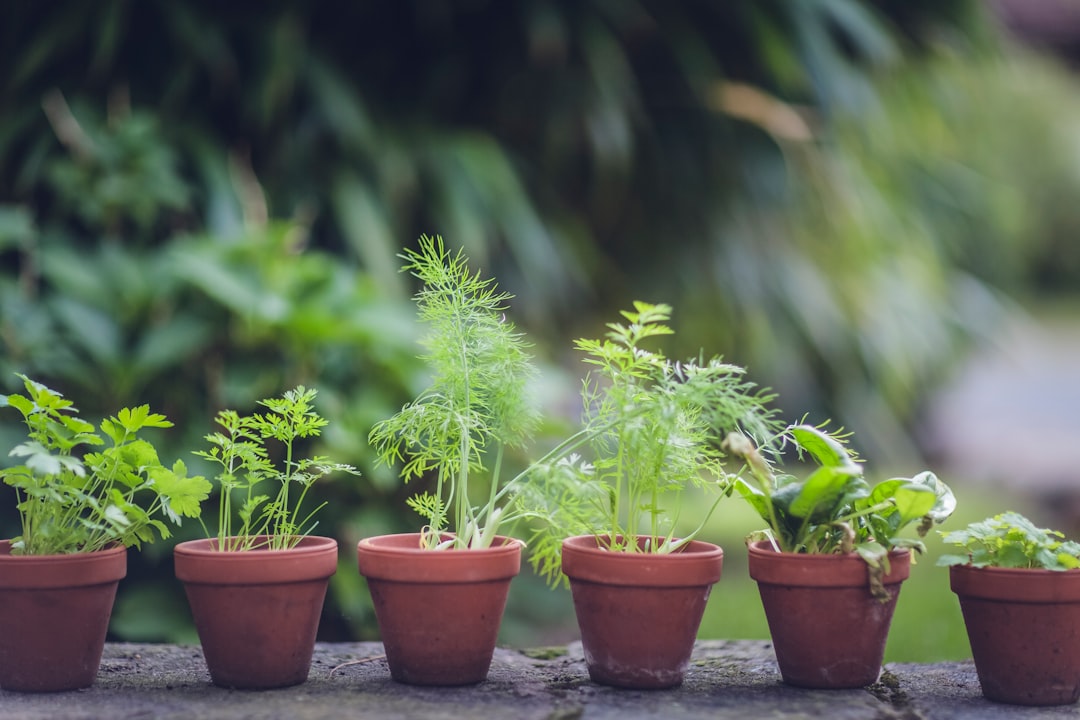
Herbs are a wonderful addition to any garden, but they also have specific needs. Some herbs like basil and cilantro prefer warmer temperatures and should be planted after the last frost. Others, such as parsley and chives, can be planted earlier in the season. They can endure cooler weather. Have you ever noticed how some herbs bolt quickly? This can often be avoided by planting them at the right time, ensuring a longer harvest period. A little research and planning can turn your herb garden into a year-round source of fresh flavor. Understanding crop-specific timing isn't just about following a set calendar; it's about observing and responding to your unique environment. What will you plant next, now that you have the timing advantage?
Using Gardening Tools
Planting a garden requires knowing the right time to sow seeds. Use gardening tools to prepare the soil efficiently. Timing depends on the plant type and climate, ensuring healthy growth and bountiful harvests.
Planting a garden can be a delightful yet challenging endeavor. The secret to a thriving garden often lies in the tools you use. You might think of shovels and rakes, but digital tools can also play a vital role. These modern aids can help you plan, schedule, and maintain your garden with precision and ease. Let's explore some of these essential tools that can make your gardening experience more fruitful and enjoyable.
Garden Planner Apps
Garden planner apps are a game-changer for any gardener, novice or experienced. These apps can guide you in selecting the right plants for your climate, soil type, and personal taste. They offer features like visual layouts, which allow you to design your garden virtually before you even break ground. Imagine having a digital assistant that reminds you which plants can coexist harmoniously. Some apps even provide information on companion planting, which can boost your garden’s productivity. Are you taking advantage of these tech-savvy tools?
Calendars And Timers
Calendars and timers are essential for ensuring that your garden thrives. They help you remember crucial tasks like watering, fertilizing, and pruning. A simple calendar, whether digital or paper, can keep your gardening schedule organized and stress-free. Timers can take automation a step further by managing your watering system. I once forgot to water my tomatoes during a hot spell, and a timer could have saved me from the wilted disaster. Have you considered how a simple timer might transform your gardening routine? Using these tools not only saves time but also increases the likelihood of a successful harvest. As you plan your garden, ask yourself which tools will make your gardening journey more enjoyable and productive.
Adapting To Weather Changes
Garden planting thrives on understanding weather patterns. Timing relies on local climate and frost dates. Adjust planting schedules to maximize growth in changing conditions.
Adapting to weather changes is crucial for successful gardening. You can't predict everything Mother Nature throws at you, but you can be prepared. Understanding how to handle unexpected frosts and heat waves ensures your garden thrives even in unpredictable conditions.
Handling Unexpected Frosts
Unexpected frosts can damage tender plants overnight. Keep an eye on weather forecasts, especially during the early spring and late fall. If frost is predicted, cover your plants with old sheets or burlap to protect them. Consider using cold frames or cloches for added protection. These structures create a mini greenhouse effect, trapping heat and safeguarding against frost. A friend once saved her entire vegetable patch by using old windows to create makeshift cold frames. Think about planting frost-resistant varieties. Crops like kale, spinach, and carrots can withstand chilly nights. Have you tried growing any of these hardy plants in your garden?
Dealing With Heat Waves
Heat waves can stress your plants, leading to wilting and reduced yields. Water your garden early in the morning or late in the evening to minimize evaporation. A deep soak encourages roots to grow deeper, making plants more drought-resistant. Mulching is a game-changer during hot spells. It keeps the soil cool and retains moisture. I remember one scorching summer, my neighbor's tomato plants thrived under a thick layer of straw mulch while mine struggled. Choose heat-tolerant plant varieties for your garden. Consider options like lavender, succulents, and peppers that thrive in high temperatures. How does your garden fare during those sizzling summer months? Adaptability is key in gardening. By preparing for weather changes, you ensure a bountiful harvest no matter what challenges arise. What strategies have you found effective in dealing with unpredictable weather?
:max_bytes(150000):strip_icc()/ms-what-to-plant-when-5e28cc19d4094cdc8f4fceab5ea9095b.jpg)
Credit: www.marthastewart.com
Frequently Asked Questions
What Is The Best Time To Plant Vegetables?
The best time to plant vegetables varies by region and climate. Generally, spring and fall offer ideal conditions. Spring planting is great for warm-season crops, while fall is perfect for cool-season vegetables. Check local frost dates and soil temperature for more accuracy.
Can I Plant A Garden In Winter?
Yes, you can plant a garden in winter in mild climates. Some vegetables thrive in cooler temperatures, such as kale, spinach, and garlic. Use row covers to protect plants from frost. Always consider your local climate and weather patterns before planting.
How Does Climate Affect Planting Times?
Climate plays a crucial role in determining planting times. Warmer climates allow for earlier planting, while colder regions may require waiting until late spring. Understanding your climate helps in choosing the right plants and ensuring they thrive well throughout the season.
When Should I Start Planting Seeds Indoors?
You should start planting seeds indoors 6 to 8 weeks before the last frost. This gives plants a head start and helps in growing strong seedlings. Check seed packet instructions for specific timing. Consider your local frost dates for optimal results.
Conclusion
Planting a garden needs careful planning. Timing affects growth and yield. Check your local climate and frost dates. Choose plants suited to your region's conditions. Start seeds indoors for an early harvest. Direct sow seeds after the last frost. Remember, patience and care lead to a thriving garden.
Observe and learn from each season. Gardening is a journey. Each year offers new lessons and rewards. Happy planting, and may your garden flourish with each new season. Enjoy the fruits and beauty of your hard work.