
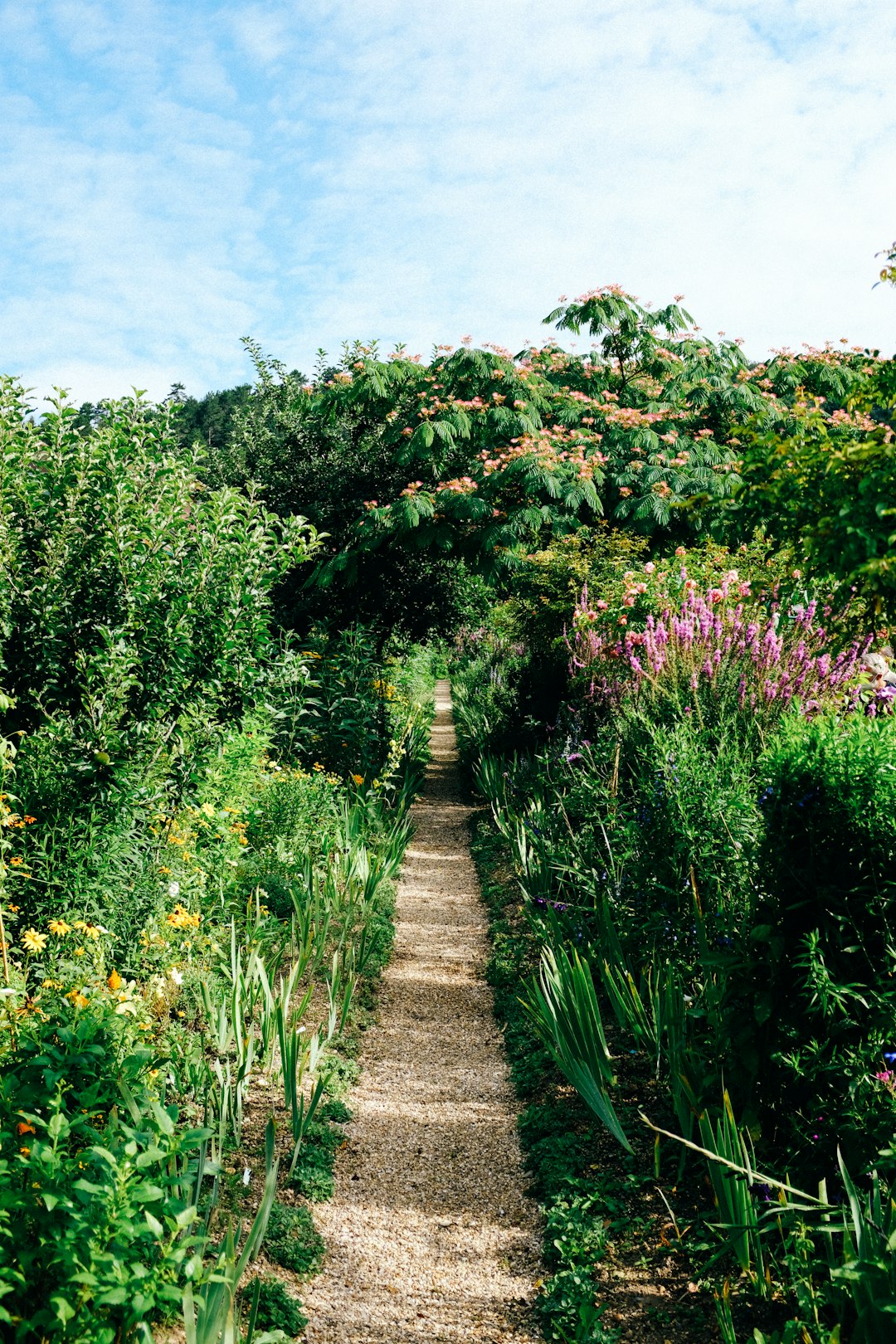
Imagine transforming your garden into a personal paradise, a place where you can relax, entertain, and enjoy nature’s beauty right at your doorstep. As you envision your dream garden, you might wonder, "Do you need planning permission to landscape a garden?"
This question is more common than you think. You’re not alone in wanting to make sure your garden makeover goes smoothly without any legal hiccups. Understanding whether you need permission could save you time, money, and headaches down the road.
If you're ready to dive into landscaping, knowing the rules can be your secret weapon to a stress-free project. Stick around to discover the ins and outs of garden planning permissions and ensure that your landscaping efforts are not only beautiful but compliant. You'll learn what aspects require approval and how to navigate this often-overlooked part of garden design, so you can focus on creating the outdoor space you’ve always dreamed of.
Understanding Planning Permission
Landscaping a garden can transform your outdoor space. But do you need planning permission? Understanding planning permission is key before starting your garden project. Knowing the rules will help you avoid legal trouble. This section will break down the basics. It's essential for any homeowner planning a garden makeover.
What Is Planning Permission?
Planning permission is a formal consent from local authorities. It ensures that your project complies with regulations. This approval is important for maintaining community standards. It also protects the environment and local heritage.
When Is Planning Permission Required?
Not all landscaping projects need permission. Minor changes like planting flowers don't usually need it. Major changes, like adding walls or large structures, may require it. Checking local guidelines will help you know what's needed.
Exemptions To Planning Permission
Some projects are exempt from needing permission. Small fences and garden paths often fall into this category. It's crucial to verify these exemptions with your local council. They can provide specific information for your area.
Consequences Of Not Getting Permission
Not obtaining planning permission can lead to fines. Worse, you may have to undo your work. This can be costly and frustrating. It's best to follow the rules from the start.
How To Apply For Planning Permission
The process usually involves filling out an application. You'll submit details of your project to your local authority. They will review it and make a decision. This process can take several weeks, so plan accordingly.
Basic Landscaping Activities
Planning permission is often unnecessary for basic garden landscaping. Planting trees, creating flower beds, and laying paths usually don't require approval. Always check local regulations to ensure compliance.
Transforming your garden into a personal oasis can be a rewarding endeavor. Yet, before you grab your shovel and start digging, it's essential to understand the rules surrounding garden landscaping. The good news is that most basic landscaping activities don't require planning permission, offering you the freedom to unleash your creativity without bureaucratic barriers. But what exactly falls under these basic activities?
Common Garden Changes
When you think about basic landscaping, consider small adjustments that can make a big difference. Planting trees or shrubs is a popular choice. Not only do they add beauty, but they also offer privacy and shade. Have you ever thought about creating a flower bed? It's a simple way to inject color and life into your garden. Installing paths or patios is another common upgrade. It helps in defining spaces and provides functionality. The stone path I added last summer turned a muddy walkway into a charming feature. Thinking of erecting a small fence to keep the pets in? Go ahead. Most minor fences don't need permission.
Exemptions From Permission
While many activities are free from planning permission, it's crucial to know the exceptions. If you're planning to build a large deck or patio, check local regulations. Over a certain height, you might need approval. Are you adding a garden pond? Generally, small ponds are fine, but larger water features might require a nod from your local council. Lastly, if your property is a listed building or in a conservation area, the rules change. Your freedom to landscape may be more restricted. As you plan your garden transformation, always think about the scale of your projects. Are you planning something that might impact your neighbors? If so, it might be worth a quick chat with them or a look at the planning rules. In the journey to creating your garden paradise, knowing when you need permission can save you from potential headaches. What are your garden goals this year, and do you need to adjust them?
Major Landscaping Projects
Transforming your garden into a beautiful oasis involves more than just planting a few flowers. Major landscaping projects can significantly alter the look and feel of your outdoor space, but they may also require planning permission. Understanding when you need permission can save you time and money, and keep your project on track.
Building Structures
Adding structures like sheds or gazebos can enhance your garden's functionality. Yet, it's crucial to know that anything larger than a simple storage shed might require planning permission. Consider the size and location. If your structure impacts your neighbor's view or access, you may need approval.
Reflect on a friend who built a greenhouse only to learn later it was too close to the property boundary. Navigating these rules upfront can prevent costly mistakes.
Installing Fences And Walls
Fences and walls are essential for privacy and security, but there are rules around their height and placement. Generally, you can install a fence up to two meters high without planning permission. However, if your home is near a road, regulations might limit this height.
Have you ever thought about how a taller fence could block sunlight? Discussing these plans with neighbors can help maintain good relationships and ensure compliance.
Constructing Decks And Patios
Decks and patios expand your living area into the great outdoors. While planning permission for these can be less stringent, you must consider the ground level and drainage. If your deck is raised or affects water flow, permission is likely required.
A friend once built a deck that caused waterlogging in his yard because he overlooked drainage. What impact will your patio have on the environment?
Major landscaping projects can transform your garden into a dream space, but they come with responsibilities. When planning, always check if permission is required to avoid future headaches. Wouldn't it be easier to enjoy your garden knowing everything is above board?
Environmental Considerations
Planning permission for garden landscaping often depends on local regulations. Factors like tree removal and building structures may require approval. Understanding environmental impacts ensures compliance and protects natural habitats.
When planning to landscape your garden, environmental considerations play a significant role in determining whether you need planning permission. These considerations are not just about adhering to regulations but also about preserving the beauty and health of our planet. Understanding how your garden project impacts protected areas, heritage sites, wildlife, and ecosystems can guide you in making environmentally responsible decisions.
Protected Areas And Heritage Sites
Landscaping in or near protected areas and heritage sites often requires special attention. These zones are safeguarded due to their historical or environmental significance. Before you start digging, check with local authorities to see if your garden falls within such a site. Failing to comply with restrictions can lead to hefty fines and damage to irreplaceable environments. Imagine the pride in knowing your garden respects and preserves history and nature. This added layer of research could save you time and prevent potential legal headaches.
Impact On Wildlife And Ecosystems
Your garden is more than just a personal retreat; it's part of a larger ecosystem. Consider how your landscaping choices might affect local wildlife and plant life. For instance, the removal of native plants can disrupt food sources for local animals. Think about adding features that support biodiversity, like bird feeders or a pond. Wouldn't it be wonderful to watch butterflies and birds thrive in your garden? Small changes can make a big difference in maintaining the ecological balance. By addressing these environmental considerations, you not only comply with legal requirements but also contribute to a healthier planet. What steps will you take to ensure your garden is both beautiful and environmentally friendly?
Local Regulations And Guidelines
Determining if planning permission is needed for garden landscaping depends on local regulations. Simple changes often don't require permission, but major alterations might. Always check with local authorities to ensure compliance and avoid potential fines. Understanding these guidelines helps you plan effectively and legally.
When you decide to landscape your garden, the thrill of transforming your outdoor space can sometimes overshadow crucial considerations like local regulations and guidelines. It's easy to get caught up in the excitement of choosing plants and designing pathways, but understanding these rules is essential. Navigating these guidelines ensures your project is both beautiful and compliant, preventing potential legal issues down the road.
Consulting Local Authorities
Before picking up a shovel, it's wise to consult your local authorities. Each region has specific rules regarding what changes you can make to your property. Reach out to your city’s planning department or local council to get the correct information. Imagine discovering mid-project that a retaining wall you built requires a permit you didn’t obtain. Avoid such setbacks by getting the facts straight from the start. You can often find necessary forms and contact info on your town’s official website.
Adhering To Community Standards
Your garden might be a personal sanctuary, but it’s also part of a larger community. Many neighborhoods have guidelines to maintain a cohesive look and feel. These standards can include everything from the height of fences to the types of plants you can use. Ignoring these standards might not just upset neighbors; it could lead to fines. Have you ever considered how your landscaping choices affect your community's overall aesthetics? By adhering to these guidelines, you ensure harmony with your surroundings. Understanding these regulations and guidelines might feel daunting, but it’s a crucial part of the landscaping process. By taking these steps, you protect your investment and contribute positively to your community. So, what steps will you take to ensure your garden project is compliant and community-friendly?
Steps To Obtain Permission
To landscape a garden, start by checking local regulations to see if planning permission is needed. Contact your local planning authority for guidance on required permits. Submit the necessary forms and documents for approval, ensuring your garden project complies with all guidelines.
Obtaining planning permission for landscaping a garden can seem daunting. Yet, understanding the steps involved eases the process. Following a clear path ensures a smooth journey towards your dream garden. Below, we outline key steps to secure permission.
Preparing Necessary Documents
Gather essential documents before starting the application process. Include a detailed site plan of your garden. Highlight existing structures and proposed changes. Prepare sketches or drawings of your landscape design. These visuals help convey your vision clearly. Also, gather ownership documents for the property. Ensure everything is accurate and up-to-date.
Submitting Applications
Now, submit your application to the local planning authority. Ensure all forms are complete and accurate. Double-check every detail before sending it off. Include all supporting documents like site plans and designs. Pay any required fees with your submission. Keeping copies of everything submitted is wise. It helps track the progress of your application.
Awaiting Approval
The waiting period can vary for each application. During this time, the authority reviews your submission. They might visit the site to better understand the project. Stay patient and be prepared for possible inquiries. Sometimes, they ask for additional information. Respond promptly to keep things moving smoothly.
Consequences Of Non-compliance
Landscaping a garden can transform your outdoor space. Yet, it's crucial to understand the consequences of non-compliance with planning permission regulations. Ignoring these rules can lead to significant issues. This section delves into the potential repercussions of landscaping without proper permission.
Legal Repercussions
Non-compliance can result in legal troubles. Authorities might demand you undo your changes. This could mean tearing down structures or removing plants. Legal action may be pursued against you. This can lead to court proceedings. It's stressful and time-consuming.
Financial Penalties
Ignoring planning rules can be costly. Fines can be imposed for unauthorized changes. These penalties vary but are often substantial. You might face costs to restore the garden. Legal fees can also add up quickly. Non-compliance is financially burdensome.
Tips For A Smooth Approval Process
Transforming your garden into a beautiful landscape can be thrilling. Yet, securing planning permission can seem daunting. With the right approach, the process can be smooth and straightforward. Here are some tips to ease your journey in obtaining approval for your garden landscape project.
Engaging Professionals
Hiring professionals can simplify the approval process. Architects and landscape designers understand local regulations. They can help create plans that comply with rules. Their expertise can prevent costly mistakes. Professionals often have established relationships with authorities. This can speed up approval significantly.
Effective Communication With Authorities
Clear communication with local authorities is crucial. Contact them early in your planning stage. Ask specific questions about regulations. Provide detailed information about your project. Transparency builds trust and eases approval. Respond promptly to any feedback or requests. This demonstrates your commitment to compliance.
Frequently Asked Questions
Do I Need Planning Permission For Garden Landscaping?
In most cases, planning permission is not needed for garden landscaping. However, if you plan significant changes like adding walls, fences, or structures, you might require permission. It’s best to consult with your local planning authority to ensure compliance.
Can I Add A Garden Pond Without Permission?
Generally, small garden ponds don’t need planning permission. If the pond is large or affects drainage, you might need approval. Checking with your local council is advisable to avoid any future complications.
Are There Restrictions For Building Garden Fences?
Building a fence typically doesn’t require planning permission unless it exceeds a height of 2 meters. If your property is near a road or listed, specific restrictions might apply. Always check local regulations before proceeding with your project.
Is Planning Permission Needed For Outdoor Lighting?
Outdoor lighting usually doesn’t need planning permission. However, if the lighting impacts neighbors or wildlife, you might face restrictions. Consult your local planning authority to ensure your lighting plans comply with local guidelines.
Conclusion
Landscaping a garden can be exciting and rewarding. It's important to know if planning permission is required. Check local regulations and guidelines. Each area may have different rules. Simple changes often don't need permission. Large projects might. Always confirm with local authorities.
This saves time and stress. Understanding requirements helps avoid legal issues. Planning well ensures smooth progress. Your garden can become a beautiful retreat. Enjoy the process and watch your garden transform. Happy gardening!


