Imagine stepping into your backyard and picking fresh vegetables and herbs, knowing they are free from harmful chemicals. This is the beauty of having your own organic garden.
If you've ever been curious about transforming a patch of soil into a thriving, natural haven, you're in the right place. Organic gardening not only rewards you with delicious produce but also connects you to nature in a profound way.
You might wonder, "Where do I start? " Or "Can I really do this without any prior experience? " The answer is a resounding yes! With a few simple steps, you can cultivate a garden that nourishes both the body and soul. Ready to dig in and discover how you can create your own organic paradise? Let's get started!
Benefits Of Organic Gardening
Embracing organic gardening not only nurtures your plants, but also benefits the environment. It promotes healthier living by avoiding harmful chemicals. This practice supports biodiversity, improves soil health, and reduces pollution. Let’s explore the compelling benefits of organic gardening.
1. Better Soil Health
Organic gardening enriches soil with natural nutrients. Compost, manure, and green manure contribute to soil fertility. These organic materials improve soil structure and water retention. They also promote beneficial soil organisms like earthworms.
2. Chemical-free Produce
Organic gardens produce chemical-free fruits and vegetables. This means safer, healthier food for your family. Avoiding pesticides and synthetic fertilizers reduces health risks. Enjoy fresh produce without harmful residues.
3. Environmental Benefits
Organic gardening reduces pollution and conserves resources. It uses natural methods for pest control and fertilization. This minimizes chemical runoff into water sources. Organic practices also help preserve local wildlife habitats.
4. Biodiversity Support
Organic gardens support diverse ecosystems. They provide habitats for various insects, birds, and animals. This balance helps control pests naturally. Greater biodiversity leads to a more resilient garden.
5. Cost-effective
Organic gardening can save money over time. You rely less on expensive chemical fertilizers and pesticides. Homemade compost and natural pest solutions are budget-friendly. This sustainable approach is economical in the long run.
6. Improved Taste And Nutrition
Organic produce often tastes better. Many believe it is more flavorful and nutritious. Natural growing methods enhance the quality of fruits and vegetables. Enjoy fresh, delicious meals from your garden.

Credit: www.azurefarmlife.com
Choosing The Right Location
Selecting the best spot for an organic garden is crucial. Ensure it receives at least six hours of sunlight daily. Also, check for good drainage and protection from strong winds.
Choosing the right location for your organic garden is crucial. A perfect spot can make a big difference. It affects plant growth and health. You need to consider several factors. These include sunlight and soil. Each plays a vital role in your garden's success.
Sunlight Requirements
Plants need sunlight to grow. Most vegetables require six hours of sun daily. Choose a spot without shade. Trees or buildings can block sunlight. Observe your yard throughout the day. Identify areas that receive full sun. Morning sunlight is best for many plants. It helps with photosynthesis. Avoid places with excessive afternoon heat. It can harm delicate leaves.
Soil Considerations
The soil is a plant's foundation. Good soil supports healthy roots. Check your garden soil before planting. It should be rich and well-draining. Avoid clay-heavy soil. It holds too much water. Test the soil pH level. Most plants prefer neutral pH. Add compost to improve soil quality. It enriches the soil naturally. Turn the soil to aerate it. This helps roots breathe and grow strong.
Preparing The Soil
Creating a thriving organic garden starts with the soil. Healthy soil ensures robust plant growth. It is the foundation of any garden. Preparing it well can make all the difference.
Composting Basics
Composting enriches the soil naturally. It involves decomposing organic matter like kitchen scraps and yard waste. The process creates nutrient-rich compost. This improves soil structure and fertility. Start by selecting a suitable compost bin. Add layers of green and brown materials. Green materials include vegetable peels and grass clippings. Brown materials include leaves and small branches. Turn the compost regularly to speed up decomposition. Finished compost should be dark and crumbly. Spread it over your garden soil to enhance its quality.
Natural Soil Amendments
Natural amendments boost soil health without chemicals. They help improve nutrient content and drainage. One popular amendment is bone meal. It adds phosphorus, which supports root development. Another is blood meal, rich in nitrogen. Nitrogen promotes leafy growth. Eggshells add calcium to prevent blossom-end rot. Use these amendments in moderation. Too much can harm plants. Always test your soil before adding amendments. This ensures you provide the right nutrients. Your plants will thank you with healthy growth.
Selecting Plants For Your Garden
Choosing the right plants is crucial for an organic garden's success. Each plant has its own needs and benefits. A well-planned selection can lead to a thriving, healthy garden. Let's explore some options for your organic garden.
Native Plants
Native plants are well-suited to local climates. They require less water and maintenance. These plants are naturally resistant to local pests. Native species also support local wildlife, including beneficial insects. Consider local flowers, shrubs, and trees. Your local garden center can help identify native options.
Companion Planting
Companion planting involves growing plants that benefit each other. Certain plants can deter pests naturally. Some improve soil nutrients for their neighbors. For example, basil grows well with tomatoes. It can repel harmful insects. Marigolds can deter nematodes from your vegetable garden. Use companion planting to enhance garden health and productivity.
Natural Pest Control
Natural pest control keeps your organic garden healthy and thriving. It avoids harmful chemicals, using nature to solve pest problems. You create a balanced ecosystem in your garden.
Beneficial Insects
Some insects help your plants by eating harmful pests. Ladybugs and lacewings feast on aphids. These insects act as natural defenders for your garden. Attract them by planting flowers like marigolds and daisies.
Ground beetles are another ally. They eat slugs, snails, and caterpillars. Create a habitat for them with mulch and stones. Encourage these insects to stay and protect your plants.
Homemade Remedies
Make simple solutions from household items to deter pests. Mix water with dish soap for a gentle spray. Use it to wash away mites and aphids. This solution won't harm your plants.
Garlic and chili spray is another effective remedy. Blend garlic cloves and chili peppers with water. Strain and spray on plants to keep bugs away. It's a natural way to protect your garden.
Neem oil is a powerful natural pesticide. Mix it with water and spray on leaves. It disrupts insect growth and keeps pests in check. Always test a small area first to ensure plant safety.

Credit: www.facebook.com
Watering Techniques
Watering is crucial for maintaining a thriving organic garden. But how do you ensure that your plants get just the right amount of water? The key lies in understanding effective watering techniques that not only conserve water but also promote healthy plant growth. Discover how rainwater harvesting and efficient irrigation methods can transform your garden into a lush paradise.
Rainwater Harvesting
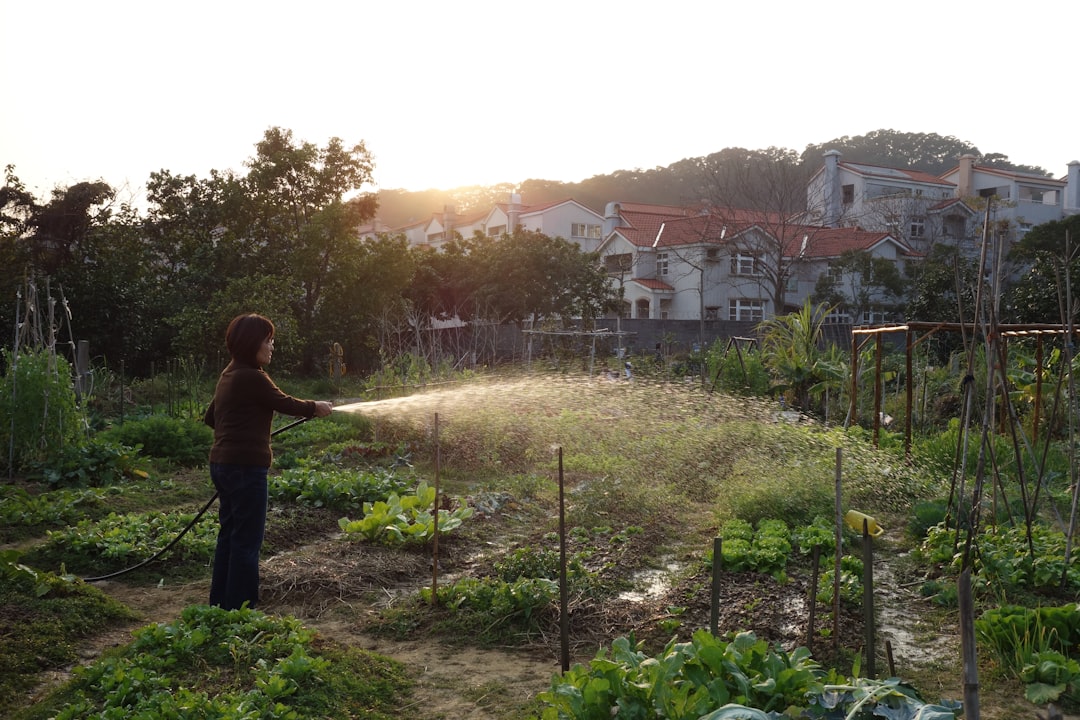
Collecting rainwater is a simple yet powerful technique to water your garden sustainably. Imagine using nature's gift to nurture your plants instead of relying solely on tap water. You can set up rain barrels under your gutters to capture and store rainwater. This water can then be used during dry spells, reducing your dependency on municipal water sources.
Rainwater is free of chemicals typically found in tap water, offering your plants a more natural watering option. Plus, it can save you money on your water bill. Have you ever considered how much water goes to waste during a rainstorm? Capturing it can make a significant difference.
Efficient Irrigation Methods
Consider drip irrigation as a solution to water your garden efficiently. This method delivers water directly to the plant roots, minimizing evaporation and runoff. You can install a system that provides precise amounts of water to each plant, ensuring they get exactly what they need without excess.
Another option is using soaker hoses, which work similarly to drip irrigation but are easier to set up. These hoses can be laid directly on the soil, slowly releasing water along their length. This method helps maintain consistent soil moisture, essential for healthy plant growth.
Have you ever thought about watering your garden early in the morning or late in the afternoon? Doing so can reduce water loss due to evaporation, making your irrigation efforts more effective. What changes can you make to your watering routine to improve efficiency?
Consider experimenting with different techniques and monitoring your plants’ response. This approach can lead to a more productive and sustainable garden, tailored to your specific needs. What will you try next to enhance your watering strategy?
Maintaining Your Organic Garden
Maintaining your organic garden requires dedication and care. A thriving garden doesn't happen overnight. Regular attention ensures healthy plants and abundant harvests. In this section, learn how to keep your organic garden flourishing.
Regular Monitoring
Regular monitoring is crucial for a healthy garden. Inspect plants weekly for pests and diseases. Early detection prevents major problems. Look for signs of wilting, discoloration, or unusual spots. Keep an eye on soil moisture levels. Overwatering or underwatering can harm plants. Proper balance is key.
Monitor the growth of your plants. Healthy growth indicates a balanced ecosystem. Note any changes in plant size or leaf color. Adjust care accordingly to maintain optimal conditions.
Seasonal Adjustments
Seasonal adjustments help your garden adapt to climate changes. As seasons change, so do plant needs. In spring, focus on planting and new growth. Summer requires more watering and pest control.
Fall is the time for harvesting and preparing for winter. Mulch your garden to protect roots from the cold. Winter maintenance involves planning for the next planting season. Clean and repair tools, and plan crop rotations.
Adjusting care with the seasons ensures plant health. It maximizes yields and keeps your garden productive year-round. Stay attuned to weather patterns and temperature changes. Adapt your gardening practices to match the season.
Harvesting And Storing Produce
Harvesting and storing produce from an organic garden ensures fresh, chemical-free vegetables. Pick fruits and vegetables at peak ripeness for the best taste. Store them in a cool, dry place to maintain freshness. Proper storage extends shelf life, reducing waste and preserving nutrients.
Enjoy homegrown goodness all year round.
Having an organic garden is a rewarding journey, but knowing how to properly harvest and store your produce is crucial for enjoying the fruits of your labor. The way you handle your harvest can impact flavor, nutritional value, and longevity. Let’s explore some effective strategies to make the most of your garden’s bounty.
Timing Your Harvest
Knowing when to pick your produce is half the battle. Timing can vary based on the type of vegetable or fruit, so keep an eye on maturity signs. For tomatoes, check for vibrant color and a slight give when gently squeezed. The time of day also matters. Harvesting in the cool morning preserves freshness. This is when plants are plump with moisture, making them tastier and more nutritious. Do you pay attention to the specific needs of each plant in your garden?
Preserving Techniques
Proper storage can extend the life of your harvest. Consider drying herbs like basil and oregano for year-round use. Simply hang them upside down in a dark, well-ventilated space. For vegetables like carrots and potatoes, cool and dark conditions are ideal. A basement or a root cellar can maintain their freshness for months. How do you plan to keep your produce fresh and flavorful? Freezing is another great option. Blanch vegetables briefly before freezing to maintain their color and texture. This technique is perfect for green beans and peas. Your freezer can become a treasure trove of summer flavors, ready to be enjoyed even in the dead of winter. Having a well-thought-out plan for harvesting and storing produce can transform your gardening experience. It can ensure that you savor the taste of summer long after the season has passed.

Credit: calikimgardenandhome.com
Frequently Asked Questions
What Is An Organic Garden?
An organic garden uses natural methods for growth, avoiding synthetic chemicals. It emphasizes healthy soil, biodiversity, and sustainable practices. Organic gardening promotes environmental health and produces chemical-free fruits and vegetables. By using compost, crop rotation, and natural pest control, gardeners maintain a balanced ecosystem.
How Do You Start An Organic Garden?
Begin by choosing a sunny spot with good drainage. Prepare the soil with organic compost. Select organic seeds or plants and plan your garden layout. Use natural methods to manage pests and weeds. Regularly water and maintain your garden for healthy growth.
What Are The Benefits Of Organic Gardening?
Organic gardening offers numerous benefits, including chemical-free produce and environmental sustainability. It enhances soil health and encourages biodiversity. By avoiding synthetic chemicals, organic gardens protect beneficial insects and wildlife. Additionally, organic produce is often more nutritious and flavorful, providing health benefits to gardeners and consumers.
How Do You Control Pests Organically?
Use natural methods like companion planting, beneficial insects, and homemade sprays. Introduce ladybugs or predatory insects to manage pests. Neem oil or insecticidal soap can deter unwanted insects. Regularly inspect plants for signs of pests and remove them manually if needed.
Maintain a healthy, balanced ecosystem for optimal results.
Conclusion
Creating an organic garden is simple and rewarding. Start with healthy soil. Choose natural fertilizers and pest control. Plant a variety of vegetables and herbs. Water regularly and watch for weeds. Enjoy the beauty and bounty of your garden. Fresh, homegrown produce tastes delicious.
It's also healthier for you and the planet. Gardening connects you with nature. It brings peace and relaxation. Share your harvest with friends and family. Inspire others to grow their own food. Keep learning and experimenting. Your garden will flourish.
Happy gardening!