
Are you dreaming of a garden that bursts with color and life? The secret to a captivating garden design often lies in the choice and harmony of colors.
But how many colors should you actually use to create that perfect visual impact? It's a question that might leave you pondering, yet mastering this can transform your outdoor space into a stunning masterpiece. Imagine stepping into your garden and feeling an immediate sense of peace and joy.
The right color palette can evoke emotions, influence mood, and even improve your overall well-being. Too many colors might overwhelm the senses, while too few might leave your garden looking bland. Striking the perfect balance is key, and it’s easier than you might think. In this guide, we’ll explore how to choose the right number of colors for your garden design. You’ll discover tips and tricks that will help you create a cohesive and beautiful garden that reflects your personal style and captivates everyone who visits. Ready to transform your garden into a vibrant oasis? Let’s dive in and uncover the art of color harmony in garden design.
Choosing A Color Palette
Creating a garden design involves choosing the right number of colors. Limit your palette to three to five shades. This balance provides harmony and visual appeal without overwhelming the space.
Choosing the right color palette can transform your garden design. It sets the mood and creates harmony. The right colors make your garden more inviting. Selecting colors involves understanding basic principles.
Understanding Color Theory
Color theory helps in choosing harmonious colors. It involves the color wheel. Primary colors are red, blue, and yellow. Secondary colors are green, orange, and purple. They are made by mixing primary colors. Tertiary colors are blends of primary and secondary colors. Using the color wheel, you can create stunning combinations. Complementary colors, opposite on the wheel, create contrast. Analogous colors, next to each other, offer a soothing blend.
Warm Vs. Cool Colors
Warm colors include reds, oranges, and yellows. They create energy and excitement. These colors make spaces feel cozy. Cool colors are blues, greens, and purples. They bring calmness and tranquility. Cool colors make spaces feel larger. Mixing warm and cool colors adds balance. Consider your garden's size and purpose. This helps in choosing the right tone.
Monochromatic Schemes
Monochromatic schemes use one color in varying shades. This approach creates a unified look. Different shades add depth and interest. It’s simple yet elegant. A monochromatic garden feels peaceful. It’s perfect for relaxing spaces. Choose a color that suits your mood. Then, play with its shades and tints. This keeps the garden design cohesive. By choosing the right colors, your garden becomes a visual delight.
Credit: www.gardendesign.com
Impact Of Colors On Mood
A garden design with the right balance of colors can greatly affect mood. Too many colors might overwhelm the senses, while a few carefully chosen hues can create a calming, inviting space. Consider mixing greens with soft yellows or blues for a tranquil environment.
Impact of Colors on Mood Colors in your garden don't just look pretty; they can also influence how you feel. Whether you're seeking a space that energizes or one that soothes, the right palette can make all the difference. Think about what mood you want to create as you plan your garden design. Consider your personal experiences with colors. Have you ever walked into a bright, colorful garden and felt instantly uplifted? Or maybe a soft, pastel garden made you feel calm and relaxed. These reactions aren't just by chance; colors have a powerful impact on mood.
Energizing Hues
Bold colors like red, orange, and yellow can invigorate and energize. They are great for areas where you want to feel more alive, like a morning coffee spot. These hues can stimulate both you and your plants, promoting a lively atmosphere. Planting vibrant flowers near your patio can make it a lively hangout. Imagine sipping your morning coffee surrounded by bright marigolds and sunflowers. Wouldn't that make your day start with a burst of energy?
Calming Shades
On the other hand, blues, greens, and purples tend to create a calming effect. These colors are perfect for relaxation spaces like a reading nook or meditation area. They can help you unwind after a long day, offering a peaceful retreat. Consider adding lavender or bluebells to your garden. These can transform a chaotic mind into a tranquil state. Do you have a corner in your garden where you go to relax? Try adding some calming shades there and notice the difference.
Balancing Bright And Subtle Tones
Too much of one type of color can be overwhelming, so balance is key. Mixing bright and subtle tones can create a harmonious space. This balance can make your garden feel both lively and peaceful, providing the best of both worlds. Try alternating between bold and soft colors in your plant beds. A vibrant tulip next to a pale lily can offer visual interest and emotional balance. How do you balance colors in your garden? Mixing tones might just be the perfect solution for a balanced mood.
Complementary Color Combinations
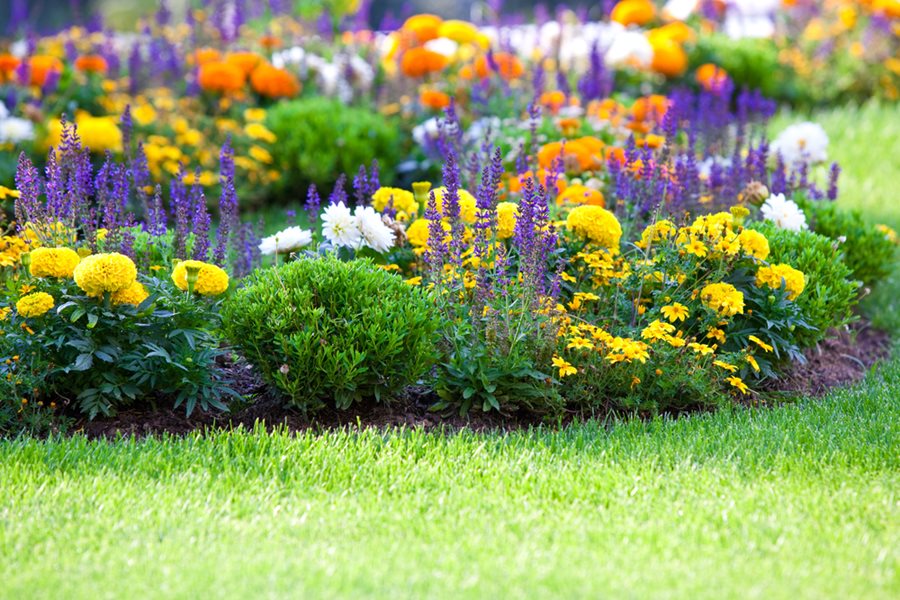
Choosing the right number of colors for a garden design creates a balanced look. Complementary colors, like purple and yellow or blue and orange, add vibrancy. Limit the palette to three or four colors to maintain harmony and avoid a cluttered appearance.
Creating a vibrant garden doesn’t just mean filling it with random colors. The secret lies in choosing the right complementary color combinations. These colors are opposite each other on the color wheel and, when used together, create harmony and balance. Imagine a garden where every color works in perfect harmony, enhancing the beauty of each plant and flower. Let's dive into how you can achieve this with complementary colors in your garden design.
Using The Color Wheel
The color wheel is your best friend when designing a garden. It helps you see which colors naturally go well together. Think about pairing purple flowers with yellow, or blue with orange. These combinations naturally attract the eye and create a pleasing contrast. A handy tip is to print out a color wheel and take it with you when shopping for plants. This visual guide will help you pick out the right flowers that complement each other. Have you ever tried using a color wheel to plan your garden?
Creating Visual Interest
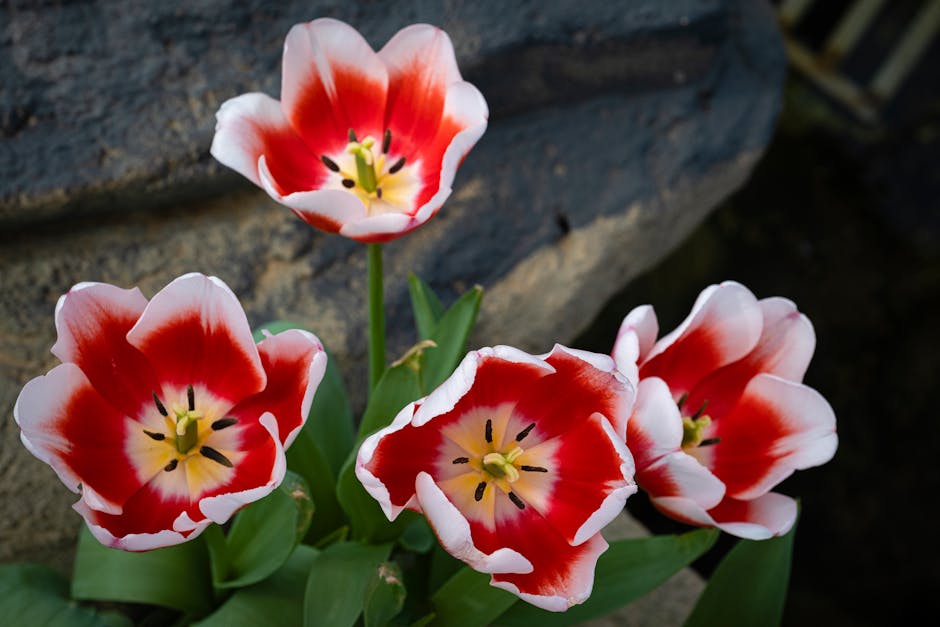
Using complementary colors isn’t just about contrast. It’s about creating visual interest that keeps your garden engaging. Picture a bed of red tulips bordered by lush green foliage. These combinations draw the eye and can even make your garden appear larger. Play around with different shades and intensities of your chosen colors. A light blue next to a fiery orange can be just as striking as a deep blue with a soft orange.
Avoiding Clashing Colors
No one wants a garden that looks chaotic or mismatched. This is where understanding complementary colors really pays off. By choosing colors that work well together, you can avoid clashing colors that compete for attention. Keep in mind that less can sometimes be more. Too many contrasting colors might make your garden look busy. Stick to two or three main complementary colors for a cohesive look. Have you considered which colors might clash in your garden design? Incorporating complementary color combinations into your garden design can transform your outdoor space into a visual masterpiece. Remember, the goal is to enhance the natural beauty around you with thoughtful color choices.
Seasonal Color Changes
Designing a garden with seasonal color changes brings vibrancy. Use a mix of two to three colors. This keeps the space lively without overwhelming it. Consider the changing seasons for a harmonious look all year round.
Creating a garden design that changes with the seasons is like painting a canvas that evolves with time. Seasonal color changes can transform your garden into a dynamic and ever-changing masterpiece. Each season offers a unique palette, allowing your garden to stay vibrant and interesting throughout the year. How many colors should you really aim for in each season? Let’s explore how you can make your garden bloom beautifully all year round.
Spring Blooms
Spring is the season of renewal and fresh beginnings. It's the perfect time to fill your garden with vibrant colors. Think about planting tulips, daffodils, and cherry blossoms. These flowers bring rich reds, yellows, and pinks to your space. In my garden, a mix of these flowers creates a stunning spectacle. The colors uplift the spirit after a long winter. You can experiment with different combinations to see what works best for you.
Summer Vibrance
Summer brings warmth and a burst of life. Consider adding sunflowers, marigolds, and lavender to your garden. These plants offer a mix of bright yellows, oranges, and purples. A friend once told me about the joy of watching bees buzzing around lavender in summer. It’s a small touch that adds to the vibrancy of the season. Are you ready to let your garden buzz with life too?
Autumn Hues
Autumn is when the garden takes on a more muted, yet equally beautiful, color scheme. Think about planting chrysanthemums, asters, and maple trees. These bring deep reds, golds, and browns to your garden. Watching the leaves change color is a breathtaking experience. It’s a reminder of nature’s cycle and beauty. What colors will you choose for your autumn garden?
Winter Highlights
Winter doesn't mean your garden has to look lifeless. Consider evergreens, holly, and winter berries for some color. These plants keep your garden looking lively with greens and reds. I remember a winter walk where I spotted bright red holly against a backdrop of snow. It was a simple but striking view. Can you picture how a few strategic plants can transform your winter garden? In every season, aim for a balanced mix of colors. Don’t overwhelm your space with too many hues. Instead, focus on a few standout colors that complement each other. This approach ensures your garden remains a harmonious and inviting space all year round. How will you use color to enhance your garden's seasonal charm?
Focal Points With Color
Choosing the right number of colors in garden design enhances its visual appeal. Stick to three to five colors for balance. This creates a harmonious and attractive outdoor space.
When planning a garden, color is not just about aesthetics—it's about creating focal points that draw attention to key areas. Focal points with color can guide your eye, highlight specific features, and add depth to your garden design. It’s a way to make your garden not just seen, but experienced.
Highlighting Key Features
In garden design, certain elements deserve to be highlighted. Use bold colors to draw the eye to these key features. Imagine a stunning water fountain surrounded by vibrant red tulips, instantly capturing attention. Select colors that contrast with the surrounding plants to make these features stand out. A bright yellow flower bed against a backdrop of green foliage can transform a corner of your garden into a visual masterpiece. Have you ever noticed how a splash of color can make even a simple bench look inviting?
Creating Depth And Dimension
Color can help you create depth in your garden, making a small space feel larger. Darker hues can recede into the background, while brighter colors come forward. This trick of the eye can add layers to your design. Consider planting darker colored plants at the back and lighter shades at the front. This not only adds dimension but also creates a journey for the eye to follow. You might find that your garden feels more expansive and intriguing.
Using Color To Guide The Eye
Strategically placed colors can guide visitors through your garden. Use color to create pathways that lead to different sections. A row of purple lavender can lead you to a cozy seating area, making the journey as delightful as the destination. Think about how you move through your garden and where you want to lead guests. Use colors to create a natural flow, ensuring each section feels connected yet distinct. What if your favorite part of the garden was just a few steps away, marked by a trail of cheerful marigolds? By thoughtfully choosing and placing colors, you can create a garden that's not only beautiful but also full of surprises and experiences.
Incorporating Textures And Patterns
Incorporating textures and patterns in garden design adds depth and interest. Colors alone can be captivating, but textures create a sensory experience. A well-designed garden uses textures to create visual interest and variety.
Mixing Foliage And Flowers
Mix different foliage with flowers for an appealing garden design. Leaf shapes, sizes, and colors create a dynamic environment. Broad leaves next to fine grasses offer a striking contrast. This contrast enhances the visual appeal of your garden.
Consider plant height and structure. Tall, spiky plants can provide a dramatic backdrop. Ground covers fill in spaces, adding lushness. Combining these elements ensures your garden stays engaging throughout the year.
Adding Hardscape Elements
Hardscape elements introduce texture and pattern in garden design. Use stone pathways to guide visitors. They add both function and beauty. Brick or wood materials bring warmth to the space.
Incorporate decorative features like sculptures or fountains. These add focal points and interest. Hardscape elements should complement plant textures. Balance is key. Too much of one element can overwhelm the garden.
Enhancing With Natural Materials
Natural materials add texture and depth to gardens. Use wood chips or bark for pathways. These materials offer a soft, organic feel. They help retain soil moisture and suppress weeds.
Rocks and pebbles create visual interest and contrast. Place them strategically around plants. They enhance the garden's natural beauty. Natural materials blend seamlessly with plants. The result is a harmonious, inviting space.
Sustainable Color Choices
Choosing sustainable colors in garden design enhances beauty while preserving nature. Limit the palette to three or four colors for harmony. This approach reduces environmental impact and creates a serene space.
Creating a vibrant and sustainable garden isn't just about picking any colorful plant that catches your eye. It's about making thoughtful choices that benefit the environment and your garden's health. Sustainable color choices not only enhance your garden's beauty but also support local ecosystems and conserve resources.
Native Plant Selections
Native plants are a fantastic choice for sustainable gardening. They naturally thrive in your local climate and soil conditions, reducing the need for excessive watering and fertilizers. Plus, they attract local pollinators like bees and butterflies, adding a dynamic splash of life and color to your garden. Have you ever noticed how a garden buzzing with life feels more vibrant?
Drought-resistant Options
Drought-resistant plants are lifesavers for gardens in dry regions. They maintain their vibrancy with minimal water, making them perfect for sustainable gardening. Succulents and lavender are excellent examples, offering a range of colors from soothing greens to striking purples. Have you tried using these plants to add color without increasing your water bill?
Eco-friendly Practices
Adopting eco-friendly practices can further enhance your garden's sustainability. Consider using organic compost to nourish your plants naturally and avoid harmful chemicals. Implementing a rainwater collection system can also be a game-changer. Imagine reducing your water usage while keeping your garden lush and colorful. What eco-friendly practices are you excited to try in your garden? By focusing on native plants, drought-resistant options, and eco-friendly practices, you can create a garden that’s not only colorful but also kind to the planet. Your garden can be a stunning oasis that respects nature's balance. What steps will you take to make your garden more sustainable?
:strip_icc()/japanese-forest-grass-pink-lilies-pavers-7dff7e8d-909e275c9f39446f989a77bda3263e59.jpg)
Credit: www.bhg.com

Credit: www.iowapublicradio.org
Frequently Asked Questions
How Many Colors Should A Garden Have?
A garden should typically have three to five colors. This ensures a balanced and aesthetically pleasing design. Too many colors can overwhelm the senses. Focus on complementary colors to create harmony. Consider seasonal changes to maintain visual interest throughout the year.
What Is The Best Color Combination For Gardens?
The best combination includes complementary colors, like purple and yellow or blue and orange. These combinations create visual appeal. Use neutral colors like green as a base. Incorporate varying shades to add depth. Consider the natural surroundings for inspiration.
Can Too Many Colors Ruin Garden Design?
Yes, too many colors can make a garden look chaotic. It distracts from the design's focal points. Stick to a limited palette for coherence. Balance bright colors with softer tones. This approach enhances harmony and visual appeal.
How Do Colors Affect Garden Mood?
Colors significantly impact a garden's mood. Bright colors like red energize the space. Softer hues like blue and green create calmness. Use warm colors for a cozy feel. Cool colors provide tranquility. Consider the mood you wish to convey when selecting colors.
Conclusion
Choosing colors for your garden design can be fun and simple. Stick to a few colors. This ensures harmony and balance. Bold colors create energy. Soft colors bring calm. Think about plant size and bloom time. Mix heights for variety.
Remember, your garden is personal. Let it reflect your taste and style. Experiment with different combinations. See what pleases your eye. Enjoy the process and watch your garden grow beautifully. Your garden can become a peaceful haven. A place of joy and relaxation.
Happy gardening!


