
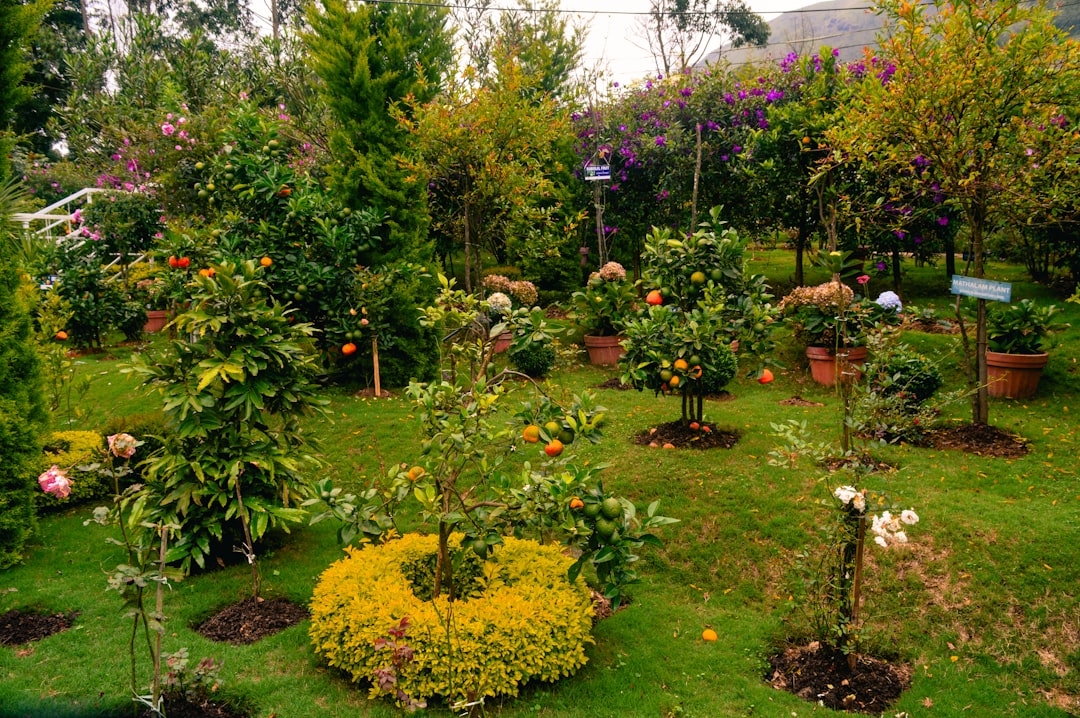
Imagine stepping into your backyard and feeling an immediate sense of peace. The air is fresh, the plants around you are thriving, and there's a gentle buzz of life.
This isn't just any garden; it's a sustainable garden. But what exactly does that mean? If you've ever wondered how you can create a space that's not only beautiful but also kind to the planet, you're in the right place.
Sustainable garden design is all about making choices that benefit both you and the environment. It’s about understanding how to use resources wisely and creating a garden that can flourish for years to come. Curious to learn how you can transform your outdoor space into a haven of sustainability? Keep reading, and discover the secrets to designing a garden that’s as good for the earth as it is for your soul.
Sustainable Garden Design Principles
Sustainable garden design principles focus on creating eco-friendly, efficient outdoor spaces. These principles aim to reduce environmental impact while promoting natural growth. They incorporate methods that support the ecosystem and conserve resources. Each garden becomes a thriving habitat, blending beauty with functionality. Let's delve into some key principles.
Permaculture Concepts
Permaculture concepts guide sustainable garden design. This approach mimics natural ecosystems. It uses layered planting to maximize space. Edible plants grow alongside ornamental ones. Composting enriches the soil, reducing waste. This creates a self-sustaining garden system.
Biodiversity Importance
Biodiversity plays a crucial role in garden health. Different plants attract various wildlife. Birds, bees, and butterflies pollinate and control pests. Diverse gardens are more resilient. They resist diseases better. Healthy biodiversity ensures a balanced ecosystem.
Water Conservation Techniques
Water conservation is vital in sustainable gardening. Techniques like rainwater harvesting collect water for reuse. Drip irrigation targets water at plant roots. This reduces evaporation and waste. Selecting drought-tolerant plants saves water. Mulching retains soil moisture efficiently.
Choosing Eco-friendly Materials
Sustainable garden design focuses on using eco-friendly materials to protect the environment. Choosing local and recycled materials helps reduce waste and supports biodiversity. This approach not only creates beautiful gardens but also promotes a healthier planet.
Creating a sustainable garden isn't just about choosing the right plants; it's also about selecting materials that respect the environment. Choosing eco-friendly materials can transform your garden into a paradise that harmonizes with nature. By considering the origins and impacts of your garden materials, you contribute to a greener planet.
Recycled And Natural Options
Opting for recycled materials in your garden design is a smart and sustainable choice. Think about using reclaimed wood for raised beds or old bricks for pathways. These materials not only reduce waste but also give your garden a unique character. Natural materials, like stones or bamboo, blend seamlessly with the landscape. They require minimal processing, which means less energy consumption. Have you ever thought about using coconut coir as a potting mix? It's a fantastic renewable resource that supports plant growth.
Non-toxic Solutions
Avoiding harmful chemicals is crucial for a sustainable garden. Look for paints and stains labeled as non-toxic when treating wooden features. This ensures that harmful substances won't leach into the soil or harm wildlife. For pest control, you can rely on natural predators or homemade remedies. A simple mix of soap and water can deter many common garden pests. These small choices make a big difference in keeping your garden safe and healthy.
Durability And Longevity
When selecting materials, think long-term. Durable options might require a larger upfront investment but save money and resources over time. Consider materials like steel or treated timber for structures, which can withstand weather changes. Longevity also means less frequent replacements. Have you ever replaced a garden fence and realized the effort and waste involved? Choosing durable options reduces this need and keeps your garden intact for longer. Choosing eco-friendly materials means you're not only building a garden but nurturing a sustainable lifestyle. What choices will you make today to ensure your garden thrives tomorrow? By focusing on recycled, non-toxic, and durable options, you lay the groundwork for a garden that respects and celebrates nature.
Native Plant Selection
Sustainable garden design focuses on choosing native plants that thrive naturally in local climates. These plants require less water and maintenance, supporting local wildlife. Native selections enhance biodiversity and promote a healthier ecosystem.
Are you considering sustainable garden design? Embracing native plant selection might be your secret weapon for a thriving garden. Native plants, those naturally growing in your region, offer a wealth of advantages that align beautifully with sustainable practices. Let's dig deeper into why opting for native species could transform your garden into a resilient and eco-friendly oasis.
Benefits Of Native Species
Native plants are like old friends to the local environment. They thrive without demanding constant attention, reducing the need for fertilizers and pesticides. This means fewer chemicals in your soil and water, benefiting both the ecosystem and your garden's health. Imagine a garden teeming with butterflies, bees, and birds. Native plants attract these beneficial pollinators, boosting biodiversity right in your backyard. Your garden becomes a vital hub for wildlife, making it more dynamic and vibrant.
Climate Adaptability
Native species are naturally attuned to your local climate. They withstand extreme weather conditions better than non-native plants, ensuring your garden flourishes through the seasons. This adaptability means less watering and fewer resources spent battling against nature's whims. Think about the harsh summer heat or unexpected frost. Native plants are your garden warriors, standing strong through climate challenges. By selecting them, you're not only saving time but also conserving water and energy.
Maintenance And Care
One of the joys of native plant selection is the reduced maintenance. These plants are accustomed to the local soil and climate, requiring less pruning, watering, and general upkeep. Your weekends could be spent enjoying your garden, not constantly tending to it. Imagine the ease of stepping into your garden and having it look stunning with minimal effort. Native plants bring a sense of freedom and simplicity to gardening, allowing you to focus on creativity and enjoyment. Have you ever considered the ripple effect of your gardening choices? With native plants, you're crafting a sustainable legacy for future generations. Your garden becomes a living testament to eco-friendly practices, inspiring others to think green. Ready to see the impact of native plants in your garden? What choices will you make today to ensure your garden thrives tomorrow?
Energy-efficient Landscaping
Sustainable garden design focuses on creating landscapes that use less water and energy. This approach involves using native plants, improving soil health, and designing spaces that benefit both people and wildlife. Efficient use of resources helps in reducing environmental impact and maintaining natural beauty.
Creating a sustainable garden isn’t just about planting native species or reducing chemical use. Energy-efficient landscaping plays a crucial role too. Imagine a garden that not only thrives but also conserves energy. This approach can reduce your utility bills and enhance your garden’s natural beauty. Here's how you can implement energy-efficient strategies in your landscape design.
Solar Lighting
Harnessing the power of the sun can transform your garden into a glowing oasis at night. Solar lights are easy to install and require no wiring, making them a hassle-free choice. Choose solar path lights to illuminate walkways or use solar spotlights to highlight your favorite plants. These lights charge during the day and automatically turn on at dusk, saving you electricity. Plus, they come in various styles, so you can match them with your garden’s aesthetic. Have you considered how solar lighting could enhance your outdoor space?
Windbreaks And Shade Management
Windbreaks and shade management can significantly impact your garden’s energy efficiency. Planting trees or shrubs strategically can reduce wind speed, protecting your garden and home from heat loss. This natural barrier acts as insulation, especially in colder months. In summer, shade trees can lower temperatures, cutting cooling costs. Think about the placement of your trees; do they provide shade where it's most needed? A well-placed tree can offer more than just beauty—it’s nature’s air conditioner.
Low-energy Irrigation
Watering your garden doesn't have to be a drain on resources. Low-energy irrigation systems, like drip irrigation, deliver water directly to the plant roots. This method reduces water waste and ensures your plants get exactly what they need. Consider using a rain barrel to collect water, providing a free and sustainable source for your garden. You might be surprised at how much water you can save. Is your current irrigation system as efficient as it could be? By focusing on these energy-efficient landscaping techniques, you not only contribute to a healthier planet but also create a more self-sustaining garden. Each step you take towards sustainability is a step towards a better future. How will you make your garden more energy-efficient today?
Wildlife-friendly Gardens
Wildlife-friendly gardens are a haven for local fauna. They provide a natural space where animals can thrive. These gardens balance beauty with ecological responsibility. By designing with nature in mind, you create a living landscape. It supports a diverse range of species. Let's explore how to make a garden welcoming to wildlife.
Creating Habitats
Start by adding native plants to your garden. They offer food and shelter to local wildlife. Use logs, rocks, and water features. These elements create safe havens for small animals. Consider different layers of vegetation. Trees, shrubs, and ground cover support a wide range of species.
Pollinator Support
Pollinators are vital for a healthy ecosystem. Include flowers that bloom at different times. This provides continuous food sources for bees and butterflies. Avoid using pesticides. They harm these crucial insects. Install bee hotels or butterfly houses. These structures offer safe nesting sites.
Bird-friendly Features
Birds need food, water, and shelter. Plant berry-producing shrubs and trees. They provide natural food sources. Add bird baths and feeders. They attract various bird species. Ensure there are safe nesting areas. Dense shrubs and birdhouses work well. These features create a welcoming space for birds.
Innovative Waste Reduction
Innovative waste reduction in sustainable garden design is about making smart choices that minimize waste while enhancing your garden's beauty and functionality. It's a creative way to make your garden eco-friendly without sacrificing style. Imagine turning waste into resources while creating a haven for biodiversity right in your backyard. This approach not only helps the environment but also adds a unique touch to your garden. Let's dive into some practical methods to reduce waste innovatively in your garden.
Composting Methods
Composting is a fantastic way to transform kitchen scraps and garden waste into rich soil nutrients. By setting up a compost bin, you can reduce household waste significantly. Choose between traditional composting, vermicomposting using worms, or bokashi composting for quicker results. Each method enriches your soil while minimizing landfill waste.
Have you tried composting yet? If not, imagine turning your vegetable peels and coffee grounds into vital nutrients for your plants. It's a simple step that can have a big impact on your garden's health.
Upcycling In Garden Design
Upcycling involves creatively reusing materials that might otherwise be discarded. Consider using old pallets to build raised beds or turning glass bottles into garden borders. These projects not only reduce waste but also add character to your garden. Look around your home for items that can be repurposed; you might be surprised at what you can create.
Have you ever thought about using those old tires as planters? It could be a fun weekend project that saves money and adds a quirky touch to your garden.
Minimizing Plastic Use
Reducing plastic in your garden is crucial for sustainability. Opt for biodegradable pots or make your own from recycled materials. When shopping for garden supplies, choose products with minimal packaging. Every small choice contributes to a larger environmental impact.
Is there a plastic item in your garden you could replace today? Consider switching to metal or wooden tools, which are more durable and eco-friendly.
By taking steps to reduce waste, you not only enhance your garden but also contribute to a healthier planet. What small change will you make in your garden today to embrace sustainability?
Community And Education
Sustainable garden design focuses on creating eco-friendly spaces. It uses native plants, conserves water, and supports local wildlife. This approach promotes harmony between nature and human needs.
Community and Education Sustainable garden design goes beyond individual efforts. It thrives on community engagement and shared learning experiences. By fostering a sense of community and prioritizing education, sustainable gardening becomes a collective journey that benefits everyone involved.
Collaborative Gardens
Imagine transforming a vacant lot into a thriving green space with your neighbors. Collaborative gardens bring people together, pooling resources and ideas to create something beautiful and sustainable. They offer a unique platform for you to connect with others, share knowledge, and cultivate a sense of ownership over your environment. These gardens often serve as community hubs. They can host events, provide fresh produce, and even offer a peaceful retreat from the urban hustle. Have you ever thought about starting a garden with your community? It’s a rewarding way to make a positive impact.
Workshops And Learning Events
Workshops are a powerful tool in sustainable garden design. They provide hands-on experiences where you can learn directly from experts and fellow enthusiasts. Attending these events can significantly boost your gardening skills and confidence. Learning isn’t limited to just planting techniques. Workshops can cover topics like composting, water conservation, and native plant selection. Have you ever attended a gardening workshop? They can be eye-opening and inspire you to try new sustainable practices at home.
Raising Awareness
Awareness is the first step towards change. By engaging in community gardens and educational events, you can raise awareness about the importance of sustainability. Sharing your experiences with friends and family can spark interest and encourage others to join the movement. Think about the stories you could tell about your gardening journey. They can illustrate the benefits of sustainable practices and inspire others to follow suit. What stories will you share to inspire change in your community?
Frequently Asked Questions
What Is Sustainable Garden Design?
Sustainable garden design focuses on creating eco-friendly and low-maintenance landscapes. It utilizes native plants, conserves water, and reduces waste. This approach enhances biodiversity and minimizes environmental impact. By prioritizing sustainability, it promotes a healthier ecosystem and supports local wildlife.
Why Choose Sustainable Garden Design?
Choosing sustainable garden design helps conserve natural resources and supports local ecosystems. It reduces water usage and chemical dependency. By incorporating native plants, it attracts beneficial wildlife. Sustainable gardens are low-maintenance and cost-effective, providing long-term environmental benefits.
How Does Sustainable Garden Design Save Water?
Sustainable garden design saves water by using drought-tolerant plants and efficient irrigation systems. It involves mulching to retain moisture and prevent evaporation. Rainwater harvesting and soil improvement techniques further enhance water conservation. This approach promotes a healthy, thriving garden with minimal water use.
What Plants Are Best For Sustainable Gardens?
Native plants are ideal for sustainable gardens as they adapt to local conditions. They require less water and maintenance. These plants support local wildlife and enhance biodiversity. Examples include coneflowers, lavender, and ornamental grasses. Choosing native species ensures a resilient and thriving garden ecosystem.
Conclusion
Sustainable garden design nurtures both nature and your space. It creates harmony between plants, wildlife, and humans. This approach respects the earth, while offering beauty and function. Eco-friendly practices enhance soil health and conserve water. Native plants thrive and support local ecosystems.
Simple changes make a big difference. Composting reduces waste and enriches soil. Renewable materials provide lasting benefits. Sustainable gardens offer peace and joy. They contribute to a healthier planet. Begin your journey today with small steps. Every effort counts towards a greener future.
Embrace sustainable garden design for a thriving environment.


