
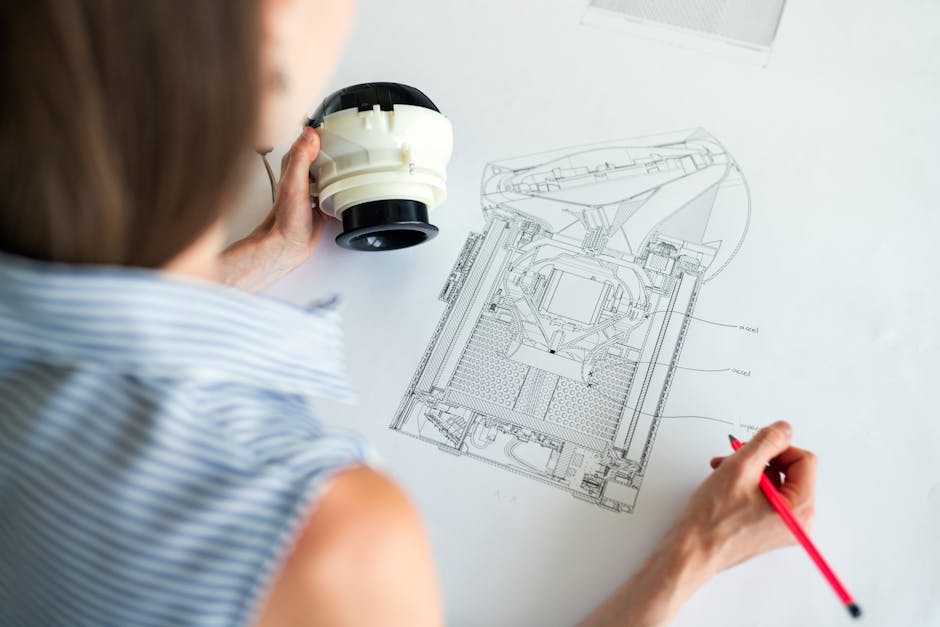
Imagine stepping into your dream garden—a lush oasis bursting with vibrant flowers, cozy nooks, and winding paths that lead you to moments of tranquility. It all starts with a plan.
Whether you're a seasoned gardener or a budding enthusiast, drawing a garden design plan can transform your outdoor space into a personalized paradise. Are you ready to create a masterpiece that reflects your style and meets your needs? In this guide, you'll discover simple steps to sketch out a garden design plan that brings your vision to life.
We'll explore tools and techniques that make the process fun and easy, so you can start planting with confidence. Stay with us, and unlock the secrets to crafting a garden that feels like an extension of your home—inviting, inspiring, and entirely yours.

Credit: www.pinterest.com
Choosing The Right Tools
Creating a garden design plan starts with selecting the right tools. The tools you choose can make the process smoother and more enjoyable. It’s crucial to have reliable tools to bring your garden vision to life.
Finding Reliable Drawing Tools
Graph paper helps draw precise garden layouts. Its grid lines assist in scaling your design accurately. Pencils are essential for sketching and erasing mistakes easily. Choose mechanical pencils for sharp and consistent lines.
Using Measuring Tools
Tape measures are vital for measuring real garden spaces. They ensure your design matches the actual garden size. Rulers help measure smaller design elements. They provide accuracy in sketching intricate details.
Incorporating Technology
Design software offers advanced features for garden planning. It allows you to visualize your garden in 3D. Tablets are useful for digital sketching. They offer precision and flexibility in modifying designs.
Opting For Color Tools
Colored pencils add life to your garden sketches. They help visualize plant colors and textures. Markers provide vibrant and bold colors. They enhance the overall appearance of your garden plan.
Assessing Your Space
Creating a garden design plan begins with understanding your space. Knowing the dimensions and features helps in planning effectively. A detailed assessment ensures your garden thrives.
Understanding your space involves measuring and recognizing light patterns. These steps make your garden design process smoother.
Measuring The Area
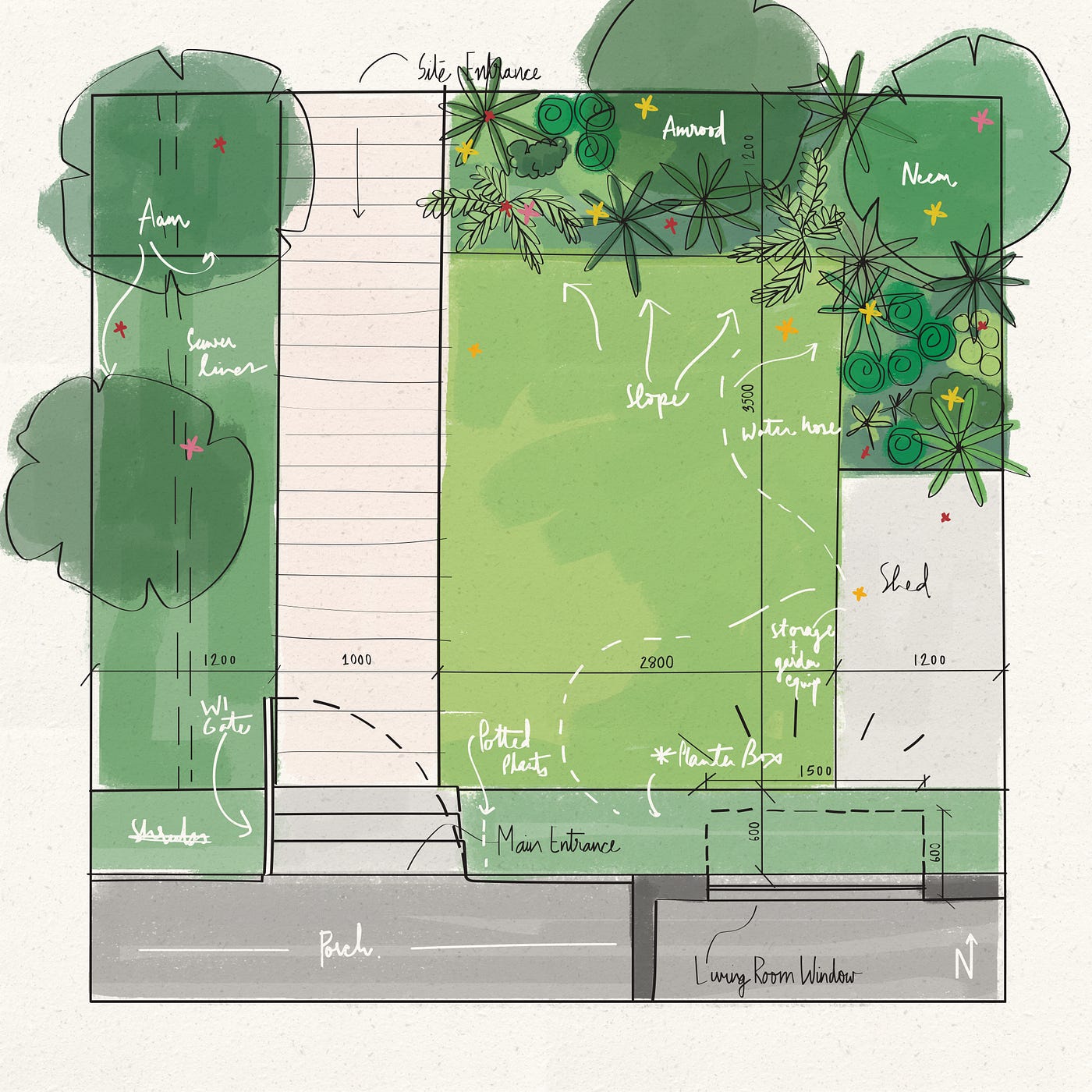
Start by measuring your garden area. Use a tape measure for accuracy. Record the length and width of the space. Take note of any irregular shapes or features. Draw a simple sketch with measurements. This helps in visualizing the layout.
Consider paths, patios, and existing structures. Mark these on your sketch. Knowing the precise size aids in choosing plants and decorations.
Identifying Sun And Shade Zones
Observe your garden throughout the day. Notice where the sun hits directly. Identify areas that remain shaded. Use this information to plan plant placements.
Plants have different light needs. Some thrive in full sun. Others prefer shaded spots. Mark the sunny and shady zones on your sketch. This ensures each plant grows in the right spot.
Setting Your Goals
Creating a garden design starts with setting clear goals. Decide on your garden's style and purpose. Consider plant types and features you want to include.
Creating a garden design plan starts with setting your goals. This step is crucial as it lays the foundation for everything else you do. You need to understand what you want from your garden and how it will fit into your lifestyle. Think about how you use your outdoor space now. Are there activities you wish you could do but can't because of its current design? Identifying these gaps will guide you in setting clear goals for your garden.
Functional Considerations
Consider how you want to use your garden. Is it a place for relaxation or a space for entertaining friends? Maybe you're looking to grow your own vegetables or create a play area for your kids. Write down these ideas. This is your starting point. You might want a small seating area for morning coffee or a larger dining space for family gatherings. Whatever it is, be specific. Don't forget practical needs. Think about pathways, storage, and privacy. Do you need a shed for tools or a fence to keep pets safe? Planning for these functional aspects will make your garden work for you.
Aesthetic Preferences
Your garden should reflect your personal style. Do you prefer a modern minimalist look or a lush, vibrant setting? Picture how you want it to feel—tranquil, lively, or whimsical. List colors, materials, and plant types that appeal to you. This helps create a cohesive look. Perhaps you love the idea of a Zen garden with simple lines and calming colors. Or maybe you dream of an English cottage garden bursting with blooms. Balance is key. Aim to blend functionality with aesthetics. A beautifully designed seating area is useless if it's uncomfortable or impractical. Make sure your garden's beauty enhances its usability. Have you ever walked into a garden and felt instantly at peace? That's the power of good design. Your garden can be your sanctuary if you set the right goals. What vision do you want to bring to life in your outdoor space?
Sketching The Layout
Creating a garden design plan starts with sketching the layout. This step sets the foundation for your dream garden. A well-thought-out sketch ensures that all elements fit harmoniously. It helps visualize the final outcome and guides the planting process.
Drawing To Scale
Begin by drawing your garden space to scale. Use graph paper for accuracy. Each square can represent a foot or meter, depending on your garden size. This precision helps to plan the space effectively. Include boundaries, paths, and existing structures in your sketch. This ensures you use every inch wisely.
Incorporating Key Features
Identify key features you want in your garden. These could be flower beds, vegetable patches, or water features. Sketch these elements into your layout. Consider their size and position. Think about sunlight, shade, and water access. This planning helps create a balanced and functional garden.
Also, think about the flow of movement. Pathways should connect different areas effortlessly. This enhances the overall garden experience. Make sure there is enough space for walking and maintenance. Your sketch should reflect these considerations clearly.
Selecting Plants And Materials
Creating a garden design plan requires careful selection of plants and materials. This step ensures your garden not only looks beautiful but also thrives. Consider climate, soil, and sunlight. These factors impact plant health and growth. Choosing the right materials enhances the garden's aesthetic and functionality. Let's explore how to choose plant varieties and pick hardscape materials.
Choosing Plant Varieties
Begin by assessing your garden's climate zone. This determines suitable plant choices. Choose plants that thrive in your zone's temperature range. Think about sunlight exposure. Plants have different light needs. Some love the sun, others prefer shade. Soil type is crucial. Test your soil to understand its composition. Consider plant height and width. Plan for mature plant size. Mix colors and textures for visual interest. Diversity in plant choices attracts beneficial insects. This supports a healthy garden ecosystem.
Picking Hardscape Materials
Hardscape materials define garden structure and pathways. Choose durable options that withstand weather conditions. Stone, wood, and concrete are popular choices. Consider the garden's style. Modern gardens suit sleek materials like metal. Traditional gardens may feature rustic stone. Think about maintenance needs. Some materials require regular upkeep, others are low-maintenance. Color and texture matter. Coordinate them with plant choices for harmony. Hardscape materials impact the garden's ambiance. They create focal points and guide movement through space.
Credit: medium.com
Incorporating Water Features
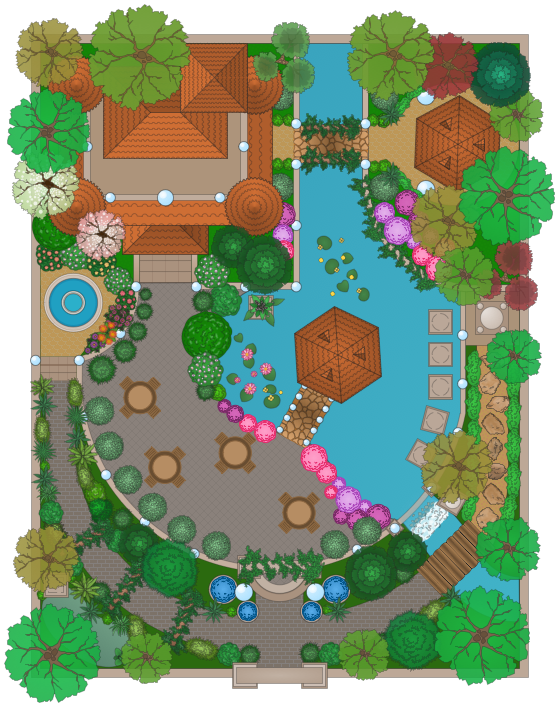
Incorporate water features to elevate garden design plans. Create soothing ambiance and enhance visual appeal with ponds, fountains, or waterfalls. Integrating water elements can transform outdoor spaces into tranquil retreats, inviting wildlife and offering relaxation.
Incorporating water features into your garden design plan can elevate your outdoor space from ordinary to extraordinary. Water elements like fountains or ponds introduce a sense of tranquility and can become the focal point of your garden. They offer visual appeal and the soothing sound of flowing water can create a peaceful atmosphere. But before you start, there are several factors to consider to ensure your water feature enhances your garden rather than detracts from it.
Types Of Water Features
There are various types of water features to consider, each with its unique charm and function. Fountains are a popular choice due to their versatility and ease of installation. They come in many styles, from traditional tiered designs to modern sculptures, and can fit into almost any garden size. Ponds, on the other hand, offer a habitat for aquatic plants and wildlife. They require more space but can transform your garden into a mini-ecosystem. If space is limited, a water wall or bubbling rock might be ideal. These features take up less room and provide a modern, sleek aesthetic.
Positioning And Maintenance Tips
Choosing the right position for your water feature is crucial. Consider placing it where it can be easily viewed and enjoyed, like near a patio or living room window. Think about sunlight; placing a pond in full sun might lead to algae growth, while a shaded spot can provide a cooler environment for fish. Maintenance is another key factor. Regular cleaning is essential to prevent debris buildup, and ensuring the water pump is in good condition will keep the feature functioning smoothly. Have you considered the impact of a water feature on your garden's ecosystem? Sometimes, the right water element can attract beneficial insects and birds, enhancing biodiversity in your backyard. However, neglected features can also become breeding grounds for mosquitoes. So, maintaining your water feature not only keeps it looking beautiful but also ensures it contributes positively to your garden environment. By carefully selecting and maintaining a water feature, you can add a unique touch to your garden that delights the senses and fosters a thriving ecosystem.
Adding Lighting Elements
Introducing lighting enhances your garden design, adding depth and ambiance. Consider solar lights for paths or spotlights for plants. This thoughtful addition makes your garden inviting and visually appealing, even after dusk.
Adding lighting elements to your garden can transform a simple outdoor space into a magical retreat. Imagine the warm glow highlighting your favorite plants or pathways, creating an inviting atmosphere for evening gatherings. Lighting not only enhances the aesthetic appeal but also increases safety and usability of your garden at night.
Types Of Garden Lighting
Choosing the right type of lighting can make a significant difference. Solar lights are popular because they are energy-efficient and easy to install. They charge during the day and provide a soft glow at night. LED lights are another great option, offering durability and a variety of colors. You might consider string lights for a whimsical touch around trees or pergolas. They are perfect for creating a cozy ambiance. Spotlights can be used to highlight specific garden features. If you have a beautiful tree or a sculpture, a well-placed spotlight can draw attention to it.
Strategic Placement
Where you place your lights is just as important as the type of light you choose. Think about the areas you use most often at night. Do you need to light up a pathway for safety? Consider placing lights near seating areas to create a welcoming environment. You might want to illuminate water features to give them a magical glow. Have you ever noticed how a softly lit pond seems to shimmer in the dark? Avoid over-lighting, which can wash out the natural beauty of your garden. Instead, focus on subtle accents that enhance the existing features. Consider how the light interacts with your plants and structures. In my own garden, I placed small solar lights along the path leading to my gazebo. It not only improved visibility but also added a charming touch. Experiment with different placements to see what works best for you. Adding lighting elements is an exciting opportunity to express your creativity. What unique lighting ideas can you dream up for your garden?
Credit: medium.com
Reviewing And Refining The Plan
Refining your garden design plan involves reviewing plant placements and layout. Adjustments ensure harmony and functionality. This step helps visualize the final garden look and feel.
Creating a garden design plan is a rewarding process, but the real magic happens during the review and refinement stage. This is where your initial ideas evolve into a cohesive and practical plan that truly reflects your vision. It's a bit like the final touches on a painting, where every brushstroke counts. You might find yourself questioning choices and pondering alternatives, which is a great sign that you're invested in crafting the best possible garden space.
Seeking Expert Feedback
Sometimes, all it takes is a fresh set of eyes to spot areas for improvement. Have you considered reaching out to garden design professionals for their insights? They can provide invaluable feedback, identifying potential pitfalls or suggesting enhancements. Imagine the difference a seasoned designer could make with their experience! Plus, this step can affirm your choices or gently guide you toward better options.
Making Adjustments
Now that you've gathered feedback, it's time to make adjustments. Don't be afraid to change elements that don't quite fit or add features that enhance your design. Perhaps that large tree in the corner would be better positioned elsewhere for optimal sunlight. Think of this stage as fine-tuning an instrument; each adjustment brings you closer to harmony. Consider creating a checklist of adjustments. Would shifting the seating area provide a better view? Is there enough space for your favorite flowering plants? These simple tweaks can transform your garden from good to great. As you refine your plan, ask yourself: Does this design reflect my personality? Is it functional and aesthetically pleasing? Answering these questions will guide your decisions and help you craft a garden that's uniquely yours. Engage with the process, enjoy it, and remember, even small adjustments can make a big difference.
Frequently Asked Questions
What Tools Are Needed For Garden Design?
To design a garden plan, you'll need graph paper, a ruler, and colored pencils. You may also use a computer with garden design software for more detailed plans. These tools help visualize plant placement and garden features.
How Do I Start A Garden Design Plan?
Begin by measuring your garden space and sketching it on paper. Identify existing features like trees and structures. Then, consider the plants and layout that suit your style and climate.
What Should A Garden Design Plan Include?
A comprehensive garden plan includes plant species, pathways, seating areas, and water features. Consider sunlight and shade areas, plant height, and seasonal changes. Include maintenance information for optimal growth.
How Can I Make My Garden Design Sustainable?
Choose native plants that thrive in your climate and require less water. Incorporate composting and rainwater harvesting systems. Use organic materials and avoid harmful pesticides. Sustainable design reduces environmental impact and maintenance.
Conclusion
Creating a garden design plan can be simple. Start with a clear vision. Sketch your ideas using basic shapes. Consider plant placement for sunlight needs. Factor in paths and seating areas. Keep maintenance in mind. Choose plants suited to your climate.
Remember, balance is key. Use colors and textures wisely. Your garden should reflect your personality. Enjoy the process. Let creativity guide your plans. A well-designed garden brings joy and relaxation. It becomes your personal outdoor retreat. With careful planning, your garden will flourish.
Make your space beautiful and inviting. Happy gardening!


