

Imagine walking into your kitchen and being greeted by the vibrant scent of fresh herbs. It's like having a little slice of nature right at home.
But to keep your indoor herb garden flourishing, there's one crucial ingredient you need to get right: light. Are you unsure about how much light your herbs require to thrive? You're not alone. Understanding your herbs' light needs can be the difference between a lush, aromatic garden and a wilted disappointment.
In this guide, you'll discover exactly how much light your indoor herb garden needs to stay healthy and vibrant. Stick with us, and turn your indoor garden into a lush paradise.
Importance Of Light For Herb Growth
The success of an indoor herb garden heavily relies on light. Light fuels photosynthesis, a process essential for plant growth. Herbs need light to produce energy, grow strong, and remain healthy. Without enough light, herbs become weak and spindly. Understanding the importance of light helps gardeners create an optimal environment for their herbs.
Why Herbs Need Light
Light helps herbs produce food through photosynthesis. It allows them to convert sunlight into energy. This energy supports growth and development. Without sufficient light, herbs struggle to thrive. They may become leggy and pale. Proper lighting ensures herbs grow robustly.
Types Of Light For Herbs
Herbs can thrive under natural sunlight or artificial light. Natural sunlight provides a full spectrum of light. It benefits most indoor herbs. Artificial lights, like LED and fluorescent, are suitable alternatives. They offer controlled light conditions. Choose the right type based on your space and herb type.
Light Duration For Indoor Herbs
Herbs require a specific amount of light each day. Most herbs need 6 to 8 hours of light daily. Some may require more. Adjust light duration according to the herb species. Ensure consistent light exposure for uniform growth.
Signs Of Insufficient Light
Herbs show clear signs when light is inadequate. They become tall and thin. Leaves may turn yellow or drop. Growth slows down noticeably. Recognizing these signs helps in adjusting light conditions promptly.
Optimizing Light For Herb Growth
Position herbs near windows for maximum sunlight. Use grow lights to supplement natural light. Rotate pots regularly for even light distribution. Monitor light levels and adjust as needed. An optimal light setup ensures healthy herbs.
Types Of Light Sources
Creating a flourishing indoor herb garden requires understanding light sources. Light impacts plant growth and health. Choosing the right light source enhances your garden's success. Let's explore the types of light sources suitable for indoor herbs.
Natural Light
Natural light is crucial for herb growth. Herbs need sunlight to thrive. Place your garden near windows for the best exposure. South-facing windows offer the most sunlight. East or west-facing windows provide moderate light. North-facing windows offer minimal natural light. Observe how light changes during the day.
Artificial Light Options
Artificial light is essential for areas with limited sunlight. LED grow lights are popular for indoor gardening. They are energy-efficient and provide necessary light spectrum. Fluorescent lights are another option for herb gardens. They are affordable and offer good light quality. Choose full-spectrum bulbs for better results.
Incandescent bulbs are less ideal for plant growth. They produce more heat than light. Consider using a mix of natural and artificial light. It enhances plant growth and health. Monitor your plants and adjust light sources as needed.
Light Intensity And Duration
Creating an indoor herb garden can be rewarding. Light plays a crucial role in plant growth. Both the intensity and duration of light matter. Understanding these can help your herbs flourish.
Optimal Light Levels
Herbs need bright light. Many thrive with around 2000 lumens per square foot. This mimics the sunny conditions they love. South-facing windows often provide enough natural light. But not all homes have this luxury.
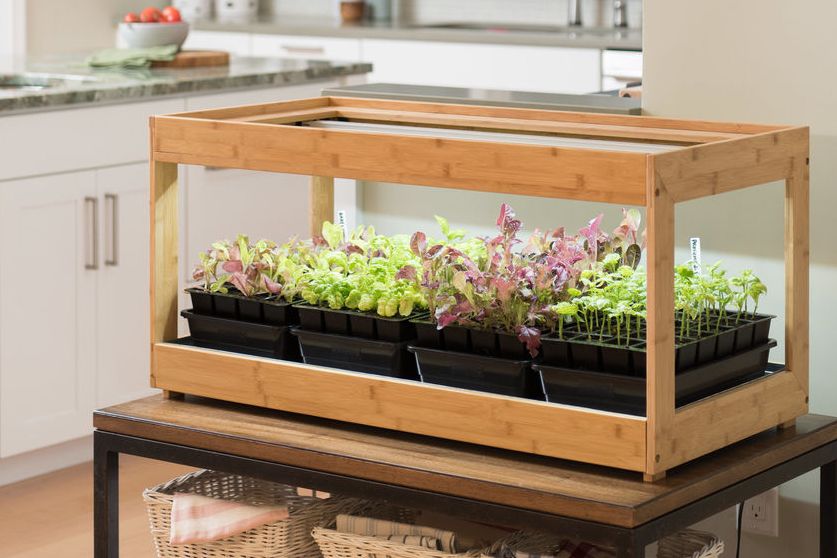
Consider using grow lights. They offer consistent light levels. LED grow lights are energy-efficient. They provide the full spectrum of light. Ideal for indoor gardens.
Daily Light Requirements
Herbs need consistent light daily. Most require 6 to 8 hours of light. This simulates their natural growing conditions. Some herbs, like basil, prefer even more light.
Set a timer for your grow lights. Ensure they turn on and off at the same time. This helps maintain a steady growth cycle. Consistency is key for healthy herbs.
Adjust light duration as needed. Observe your plants. If they grow leggy, they might need more light. If they wilt, they might need less.
Credit: nymag.com
Choosing The Right Location
Choosing the right location for your indoor herb garden is crucial. Herbs need the right amount of light to thrive. Understanding where to place them can make a big difference. Whether you have a sunny window or need artificial light, the right setup is key. Let's explore how to find the best spot for your herbs.
Window Placement
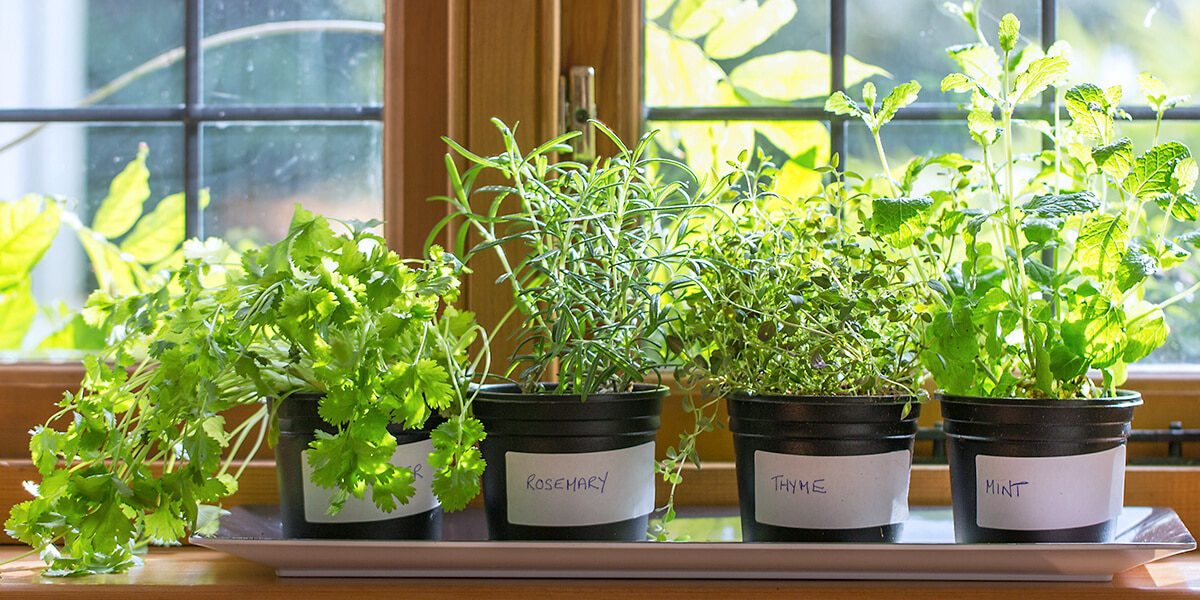
Natural light is vital for herbs. A south-facing window offers the best light. This placement provides direct sunlight for most of the day. East or west-facing windows work too. They give enough light for herbs to grow well. North-facing windows usually provide less light. Consider using them only for shade-tolerant herbs.
Check for obstructions outside your window. Trees or buildings can block sunlight. Rotate your herb pots every few days. This ensures even light exposure. Clean your windows regularly. Dirty windows reduce the amount of light that comes through.
Indoor Lighting Setup
Not all homes have the right natural light. Use grow lights to supplement or replace sunlight. LED grow lights are energy efficient. They provide the right spectrum for herb growth. Position the lights 6-12 inches above the herbs. Adjust the height as the plants grow.
Leave the lights on for 12-16 hours a day. This mimics natural sunlight. Use a timer to automate this process. Avoid placing herbs near heat sources. They can dry out the soil quickly. Ensure good air circulation around your herbs. This prevents mold and keeps them healthy.
Common Light Challenges
Creating an indoor herb garden is a rewarding experience. Yet, light challenges can hinder growth. Understanding these challenges is crucial for healthy herbs.
Low Light Conditions
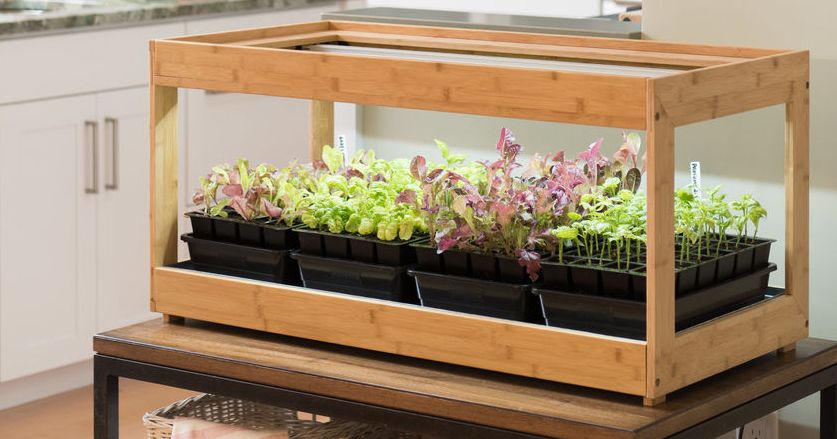
Many homes have limited natural light. Herbs need sunlight to thrive. Low light can cause weak, leggy plants. Basil and thyme struggle without enough light. Consider using grow lights. They mimic sunlight indoors. Position them close to your herbs. Keep them on for 12-16 hours daily.
Overexposure Risks
Too much light can harm herbs. Bright, direct sunlight may burn leaves. Rosemary and lavender can tolerate more light. Others, like mint, prefer indirect light. Move herbs away from windows during peak sun hours. Use curtains to filter sunlight. Adjust the position based on plant needs.
Credit: nymag.com
Monitoring And Adjusting Light
Monitoring and adjusting light in an indoor herb garden is essential. Light influences the growth and health of your herbs. Too much or too little light can affect their development. Regularly checking light levels helps maintain a thriving garden.
Signs Of Light Deficiency
Plants may show signs if they lack light. Yellowing leaves indicate stress. Herbs might grow tall and spindly, reaching for light. Slow growth or no new leaves means they need more light. Watch for these signs to ensure your herbs stay healthy.
Adapting To Seasonal Changes
Seasons affect indoor light availability. Days shorten in winter, reducing natural light. Consider using grow lights during darker months. Adjust the position of your garden as sunlight shifts. South-facing windows provide more light in winter. Keep your herbs in optimal light conditions year-round.
Tools And Gadgets For Light Management
Managing light for your indoor herb garden is crucial. Proper light ensures healthy growth and vibrant leaves. Different tools and gadgets can help manage light effectively. These devices assist in optimizing light conditions, ensuring plants receive adequate sunlight.
Using Light Meters
Light meters measure light intensity accurately. They help determine if your herbs get enough light. These devices provide readings of the light level in your garden. You can adjust your setup based on meter readings. Light meters are easy to use and affordable.
Smart Lighting Solutions
Smart lighting solutions offer advanced light control. They include programmable LED grow lights. These lights mimic natural sunlight. You can set timers and adjust brightness levels. Smart lights adapt to your plants' needs. They promote healthy growth and save energy.
Credit: platthillnursery.com
Frequently Asked Questions
How Many Hours Of Light Do Herbs Need?
Indoor herbs typically need 10-12 hours of light daily. Natural sunlight or grow lights can be used to meet this requirement. Position your herb garden near a south-facing window for optimal light exposure. If natural light is insufficient, consider using LED grow lights to supplement.
Can Herbs Grow In Low Light Conditions?
Some herbs can grow in low light, but growth may be slower. Varieties like mint, parsley, and chives can tolerate less light. However, for optimal growth, providing adequate light is crucial. Using artificial lighting can help boost growth in low-light environments.
What Type Of Light Is Best For Herbs?
Herbs thrive best under full-spectrum LED grow lights or bright, indirect sunlight. Full-spectrum lights mimic natural sunlight, promoting healthy growth. Positioning your herbs near a window with ample natural light can also be effective. Ensure the herbs receive consistent light exposure for healthy development.
Do Herbs Need Direct Sunlight Indoors?
Direct sunlight is beneficial but not always necessary for indoor herbs. Most herbs grow well with bright, indirect light. Direct sunlight can sometimes cause leaf burn. Position herbs near windows with filtered light or use grow lights to provide the necessary light without harming the plants.
Conclusion
Growing herbs indoors needs the right light for success. Ensure your plants receive enough daily sunlight to thrive. Most herbs prefer bright light, lasting about 6-8 hours. Use grow lights if natural light is limited. Keep an eye on your plants.
Yellow leaves can mean too little light. Remember, each herb has its own needs. Find a balance that works for you and your space. With patience and attention, your indoor herb garden will flourish. Enjoy fresh herbs at your fingertips all year round.
Happy gardening!


