
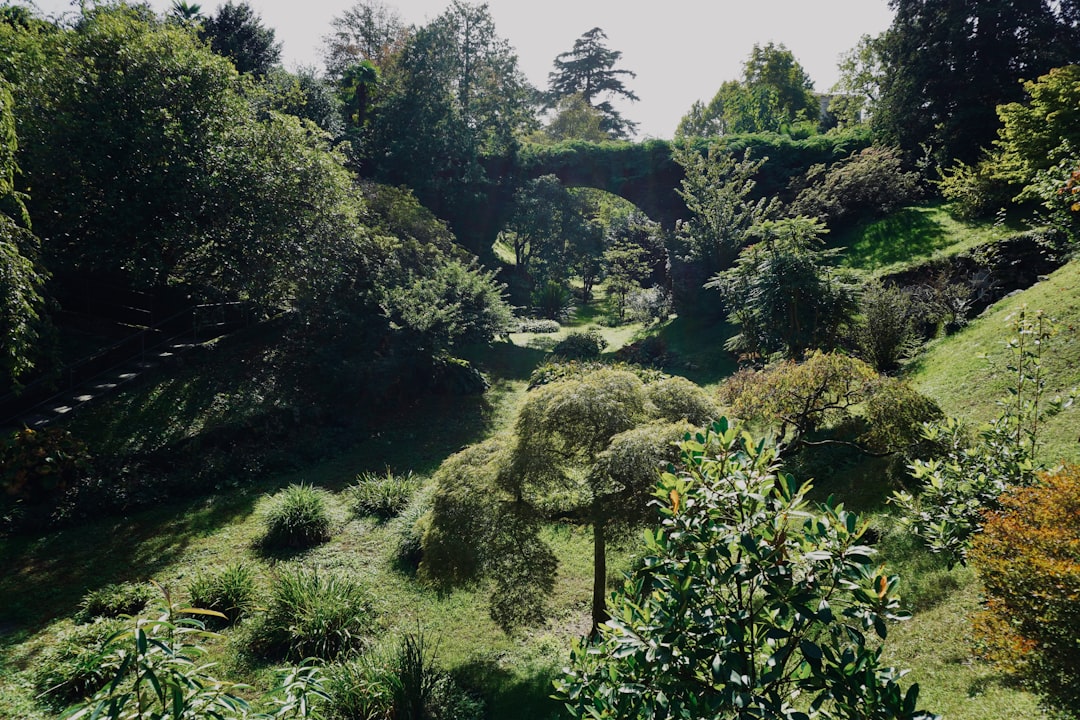
Imagine stepping into a garden where every turn reveals a new surprise. A place where nature reigns and beauty isn't tamed but celebrated in its raw form.
This isn't just any garden; it's a wild garden crafted by a landscape designer who understands the allure of the untamed. As you explore this unique space, you're invited to embrace the unexpected and find joy in the wildness that often escapes manicured lawns and perfectly pruned hedges.
Your senses come alive as you witness a tapestry of colors, textures, and scents that defy convention. Why settle for ordinary when you can have extraordinary? Discover how a wild garden can transform your outdoor space into a haven where nature's beauty shines. Curious to know the secrets behind creating such a captivating landscape? Let’s delve into the art and magic of wild garden design that could redefine your own backyard oasis.
The Philosophy Of Wild Gardens
The philosophy of wild gardens embraces nature's untamed beauty. It rejects rigid design rules. Wild gardens celebrate spontaneity, diversity, and harmony. They invite nature to take the lead, fostering ecosystems full of life. This approach encourages sustainable practices. It enhances biodiversity and nurtures habitats for various species. Let's explore the core elements of this unique philosophy.
The Essence Of Wild Beauty
Wild gardens capture nature's raw elegance. They highlight natural shapes, colors, and textures. Designers let plants grow freely. This creates dynamic and ever-changing landscapes. Embracing imperfections, wild gardens offer authentic charm. Their beauty lies in their unpredictability.
Biodiversity As A Key Principle
Wild gardens prioritize biodiversity. They integrate a range of plant species. Native plants thrive here, supporting local wildlife. Each species contributes to a balanced ecosystem. This diversity ensures resilience against pests and diseases.
Harmony With Nature
Wild gardens aim for harmony with nature. Designers work with existing landscapes. They consider soil, climate, and natural features. This approach minimizes human intervention. It allows nature to flourish in its own rhythm.
Sustainability And Environmental Impact
Wild gardens promote sustainability. They use organic gardening techniques. This reduces chemical use and preserves soil health. Composting enriches the earth naturally. Water conservation strategies are employed. Wild gardens reflect a commitment to eco-friendly practices.
Cultural And Personal Expression
Every wild garden tells a story. Designers express personal creativity and cultural influences. These gardens reflect individual values and beliefs. The wild garden becomes a living canvas. It connects people to nature and heritage.
Benefits Of Wild Gardens
Wild gardens are a delightful fusion of nature and design. They offer a unique charm, blending beauty with practicality. These gardens do more than just please the eye. They provide numerous benefits to the environment and gardeners alike. By embracing a wilder approach, you can create a space that thrives with minimal intervention. Let's explore the benefits of wild gardens.
Biodiversity Boost
Wild gardens attract a variety of wildlife. Birds, butterflies, and bees find refuge here. This biodiversity is crucial for a healthy ecosystem. Native plants and flowers encourage pollinators. This helps your garden thrive naturally. A vibrant ecosystem is a testament to nature's balance.
Sustainability And Eco-friendliness
Wild gardens are eco-friendly. They require fewer resources. Native plants grow well without chemicals. This reduces pollution and conserves water. Sustainable gardens support local wildlife. They contribute to the planet's health.
Low Maintenance
Wild gardens are easy to maintain. They require less effort than manicured lawns. Native plants adapt to local conditions. They need less watering and care. This saves time and energy. Enjoy a beautiful garden with minimal work.
Design Principles For Wild Gardens
Wild gardens offer a refreshing escape. They blur the lines between nature and design. These gardens embrace the wild and untamed. They provide a haven for both plants and creatures. Designing such gardens requires thoughtful principles. These principles ensure harmony and sustainability.
Embracing Native Plants
Native plants thrive in local conditions. They require less water and maintenance. This makes them a smart choice for wild gardens. These plants support local wildlife. Birds, bees, and butterflies benefit from them. Native plants blend seamlessly into the landscape. They create a natural and authentic feel.
Creating Natural Pathways
Natural pathways guide exploration through the garden. They invite visitors to wander and discover. Gravel, wood chips, or stepping stones suit these paths. They blend with the environment and enhance beauty. Curved paths mimic nature's organic flow. This adds intrigue and softens the landscape.
Incorporating Water Features
Water features bring life to wild gardens. Ponds and streams attract wildlife. They provide habitats for frogs, insects, and birds. Even a small fountain adds tranquility. The sound of water soothes and calms. It enhances the garden's natural atmosphere. Water features enrich biodiversity and visual appeal.
Choosing Plants For A Wild Garden
A landscape designer's wild garden thrives with native and drought-resistant plants. These plants attract local wildlife, create natural beauty, and require less maintenance. They ensure a vibrant ecosystem and a lush, sustainable garden.
Choosing the right plants for a wild garden is crucial. It brings nature closer to home. A wild garden mimics nature's untamed beauty. This requires thoughtful plant selection. Each plant plays a role in creating a balanced ecosystem. The right mix of plants can make a garden thrive. Let's explore how to choose plants for your wild garden.
Native Plant Selection
Native plants are ideal for wild gardens. They adapt well to local climates. Native plants require less maintenance. They are resistant to local pests and diseases. Using native plants supports local wildlife. Birds and insects find shelter and food. This creates a vibrant, living garden.
Perennials Vs. Annuals
Perennials return year after year. They establish strong root systems. This makes them drought-resistant. They provide consistent beauty throughout seasons. Annuals offer bursts of color. They need replanting each year. Both have roles in a wild garden. A mix of perennials and annuals can enhance diversity.
Attracting Wildlife
A wild garden should invite wildlife. Choose plants that offer nectar for bees. Berry-producing plants feed birds. Dense shrubs provide hiding spots. Wildlife adds life and movement. It enriches the garden's ecosystem. This connection with nature is rewarding.
Integrating Edible Plants
Transform gardens into vibrant ecosystems by integrating edible plants. This approach enhances biodiversity and offers fresh produce. Design a wild garden that delights the senses and sustains local wildlife.
Integrating edible plants into a landscape designer's wild garden not only enhances its visual appeal but also adds functionality. Imagine walking through your garden, picking fresh herbs for dinner or plucking ripe berries for breakfast. This approach transforms a typical garden into a vibrant, living pantry, which can be both sustainable and rewarding.
Herbs And Vegetables
Herbs and vegetables are the backbone of any edible garden. Even a small patch can host a variety of these plants. Consider adding basil, thyme, and mint for their aromatic leaves and culinary uses. Vegetables like tomatoes, peppers, and lettuce can be strategically placed in sunny spots. They not only thrive under the sun but also provide a burst of color. Have you tried growing your own salad ingredients yet?
Fruit-bearing Shrubs
Fruit-bearing shrubs are excellent for adding layers to your garden. Blueberries, raspberries, and currants are not just delicious; they are also visually striking. Plant them along pathways or as borders. Their seasonal blooms and fruits can attract beneficial insects. What fruits would you love to harvest from your backyard?
Companion Planting
Companion planting is a clever way to boost plant health and yield. Pairing certain plants can deter pests and enhance growth. For example, marigolds planted alongside tomatoes can help repel nematodes. Carrots and onions grow well together as they do not compete for nutrients. Have you considered what plant partnerships you can create in your garden? Each choice you make in integrating edible plants turns your wild garden into a dynamic ecosystem. What steps will you take to enrich your garden with edible plants?
Seasonal Changes In Wild Gardens
Wild gardens offer a unique beauty throughout the year. Each season brings its own charm and character. Observing these changes can be a delightful experience. They provide a natural rhythm and flow to the garden. Understanding these shifts can enhance appreciation for a wild garden's beauty.
Spring Awakening
Spring breathes life into the wild garden. Buds burst open. Fresh green shoots emerge from the soil. Flowers begin to bloom, painting the landscape with color. Birds return, their songs filling the air. The garden feels alive and vibrant.
Summer Flourishing
Summer brings fullness and lushness. Plants grow tall and strong. Insects buzz and flutter, pollinating flowers. The warmth of the sun nurtures the growth. The garden becomes a haven of activity and life.
Autumn Transformation
Autumn paints the garden in warm hues. Leaves change color, creating a fiery display. Some plants go to seed, providing food for wildlife. The garden prepares for a restful winter. It's a time of harvest and reflection.
Winter Serenity
Winter blankets the garden in quietness. Frost decorates the landscape with a delicate touch. Plants rest, conserving energy for spring. The garden offers a serene beauty. It's a time for peace and stillness.
Challenges And Solutions
Crafting a wild garden poses unique challenges, from balancing biodiversity to managing growth. Solutions often involve creative design and strategic plant selection to ensure harmony and sustainability.
Creating a wild garden as a landscape designer comes with its own set of challenges. You might dream of a garden where nature thrives in its raw form. However, the reality often requires a delicate balance between letting wildness flourish and maintaining an orderly appearance. This journey is filled with obstacles like invasive species, pest control, and the constant effort to balance chaos with beauty. Let's explore how you can navigate these challenges and find effective solutions.
Invasive Species Management
Invasive species can quickly overrun your wild garden, suffocating native plants. Their rapid growth is a common issue many designers face. You might see them as uninvited guests that need managing. To tackle this, start with regular monitoring. Identify which invasive species are present. Engage in manual removal or introduce natural predators to control their spread. Consider planting native species that can compete with these invaders, strengthening your garden’s natural defenses.
Balancing Wildness And Order
How do you maintain a garden that looks wild yet organized? This is the eternal question for landscape designers. You want it to feel natural but not chaotic. One solution is to use structured elements like paths or borders. They create a visual guide that organizes the wild growth. Regular pruning and strategic planting can help retain a tidy appearance while allowing nature to take its course. Remember, a garden's beauty often lies in its imperfections. Embrace the wildness but steer it with gentle hands.
Pest Control
Pests can turn your wild garden into a battleground. They’re often drawn to the abundance of plants and can quickly become a nuisance. You might find that traditional methods like pesticides harm the very biodiversity you seek to preserve. Opt for natural pest control methods. Encourage beneficial insects like ladybugs and lacewings that prey on harmful pests. Use companion planting to deter unwanted visitors. Reflect on your experiences: have you seen certain plants repel pests effectively? Share your insights and learn from others in your community. Every garden is unique, with its own set of challenges. How do you plan to address yours?
Wild Garden Inspiration
Explore a landscape designer's wild garden, where nature's beauty meets creativity. This garden blends colorful blooms with lush greenery, offering a tranquil escape. Discover how wild elements create harmony and inspire serenity.
Creating a wild garden can be an exciting venture that brings the untamed beauty of nature into your backyard. It's about embracing the unpredictable charm and natural patterns found in the wilderness. Imagine the thrill of having a space where vibrant flowers grow freely, creating a habitat for wildlife and offering a peaceful escape from the structured world. This section will provide you with inspiration from famous wild gardens, personal stories from designers, and practical tips for transforming your space into a wild garden paradise.
Famous Wild Gardens
Famous wild gardens offer a glimpse into the magic that can unfold when nature is allowed to lead the way. Monet's Garden in Giverny, France, is a classic example. Here, the painter's love for unruly beauty is reflected in his water lilies and wisterias. Great Dixter in England showcases a mix of traditional and wild planting, with towering meadow plants and colorful blooms. These gardens prove that wild beauty can be stunning and serene. Have you ever visited a garden that felt alive and untamed? Such spaces can ignite your imagination and show you the possibilities for your own garden.
Personal Stories From Designers
Landscape designers often have unique stories about their journey with wild gardens. Take Anna, who transformed her suburban lawn into a thriving wild haven. She describes the joy of watching butterflies and birds visit her colorful garden. Her experience proves that wild gardens attract biodiversity, turning your space into a living ecosystem. Another designer, Tom, talks about the challenge and reward of managing a garden where nature takes the lead. He encourages you to embrace imperfections and see them as part of the garden's charm. These stories highlight how personal connections with nature can inspire innovative garden designs.
Transforming Your Space
Turning your garden into a wild oasis is not as daunting as it seems. Start small by adding native plants that thrive in your local climate. These plants require less maintenance and naturally support local wildlife. Consider letting some areas grow freely, reducing the need for constant trimming. Create paths that meander through the garden, allowing you to explore its beauty from different angles. What small changes can you make today to invite nature into your space? By experimenting with different layouts and plant combinations, you can discover a garden that reflects your personality and environmental values. Let your garden be a testament to the wild beauty that nature offers.
Frequently Asked Questions
What Is A Wild Garden?
A wild garden embraces nature’s unruly beauty, using native plants and minimal maintenance. It thrives on natural growth patterns, attracting wildlife like birds and butterflies. This garden style emphasizes biodiversity and ecological balance, allowing plants to grow freely and harmoniously.
It's perfect for those who love nature's spontaneity.
How Do You Design A Wild Garden?
Designing a wild garden involves choosing native plants, understanding local ecology, and creating natural habitats. Start by assessing soil and sunlight, then select plants that thrive in your environment. Incorporate elements like logs, rocks, and water features to encourage wildlife.
Minimal intervention allows the garden to evolve naturally.
Why Choose A Wild Garden Over Traditional?
A wild garden promotes biodiversity, supports local wildlife, and requires less maintenance. Unlike traditional gardens, it uses native plants that thrive naturally, reducing the need for fertilizers and pesticides. This eco-friendly approach enhances soil health and creates a sustainable, self-sufficient ecosystem, offering a sanctuary for nature enthusiasts.
What Plants Are Best For Wild Gardens?
Native plants are ideal for wild gardens as they adapt to local conditions. Consider wildflowers, grasses, and shrubs that naturally thrive in your region. These plants provide food and shelter for local wildlife, fostering a balanced ecosystem. They also require less water and maintenance, making them sustainable choices.
Conclusion
A wild garden offers beauty and life. It's a dance of colors and textures. Every plant and flower tells a story. They thrive without strict rules. Nature finds balance on its own. Wild gardens invite birds and insects. They create a lively ecosystem.
Peace and calm bloom here. You can enjoy nature's art. Embrace the wild garden's charm. It's a place to relax and dream. Let your imagination wander. Discover the secrets of nature. A wild garden is a sanctuary. It nurtures your soul and spirit.
Create your own wild garden today.


