
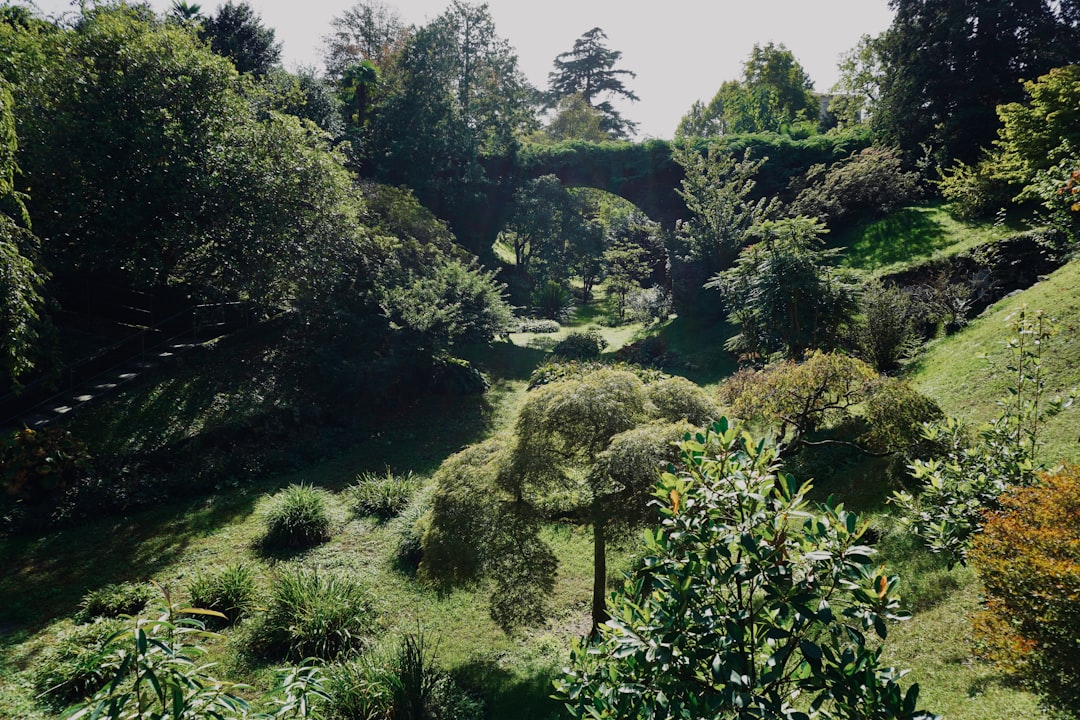
Imagine stepping into a world where nature thrives in its most vibrant, untamed form—a garden that feels alive, bursting with color and life at every turn. As you walk through this wild paradise, you're not just observing; you're experiencing a sensory feast that captures your heart and mind.
This isn't just any garden; it's a masterpiece crafted by a landscape designer who understands the delicate dance between chaos and order. You might wonder how such a garden could exist right in your own backyard. What secrets do landscape designers hold to create these wild yet harmonious environments?
And more importantly, how can you harness these techniques to transform your own outdoor space into a sanctuary that feels both magical and natural? You'll discover the art and science behind wild garden design. You'll learn how to create a space that invites exploration, nurtures biodiversity, and reflects your unique personality. Get ready to unlock the secrets of turning your garden into a wild, enchanting escape that resonates with your senses and soul.
The Philosophy Of Wild Gardens
The philosophy of wild gardens is about embracing nature's unpredictability. It celebrates the untamed beauty found in spontaneous growth. Wild gardens blend art with nature, creating spaces that evolve naturally. This approach honors the inherent charm of unmanicured landscapes. It invites biodiversity and fosters ecological balance. Passionate gardeners find joy in its simplicity and authenticity.
Embracing Natural Growth
Wild gardens allow plants to grow without constraints. This method respects the natural rhythm of life. It encourages flora to flourish in their true form. Gardeners observe the natural patterns and adapt accordingly. This creates a harmonious relationship between plants and their environment.
Enhancing Biodiversity
Wild gardens support a variety of plant and animal life. They offer habitats for birds, insects, and small mammals. Native plants thrive and attract local wildlife. This increases the garden’s ecological richness. Diverse ecosystems ensure balanced and healthy growth.
Creating A Sustainable Space
Wild gardens require minimal human intervention. They reduce the need for fertilizers and pesticides. This approach promotes organic growth and sustainability. It conserves water and nurtures soil health. The garden becomes a self-sustaining ecosystem.
Celebrating Imperfection
Wild gardens find beauty in imperfection. They cherish the irregular patterns and unexpected blooms. Each plant has a unique character and charm. The garden evolves naturally, revealing its surprises over time. This philosophy values authenticity over artificial perfection.
Benefits Of Embracing Nature's Wildness
Embracing nature's wildness in garden design offers numerous benefits. This approach celebrates untamed beauty and fosters a deeper connection with the natural world. A wild garden design can be a rich tapestry of life, providing both aesthetic pleasure and ecological advantages.
Biodiversity Boost
Wild gardens create a haven for diverse plants and animals. Native plants attract local wildlife, supporting bees, butterflies, and birds. This biodiversity strengthens ecosystems, making them more resilient. A diverse garden is less likely to suffer from pests and diseases. It balances itself naturally, reducing the need for chemicals.
Environmental Impact
Wild gardens play a crucial role in environmental health. They improve soil quality through natural composting. Native plants require less water and maintenance, conserving resources. By reducing lawn areas, wild gardens decrease carbon emissions. They also provide habitats for endangered species, promoting conservation.
Aesthetic Appeal
Wild gardens offer unique and ever-changing beauty. Each season brings new colors and textures. They reflect the natural landscape, blending seamlessly with their surroundings. The randomness of wild growth creates a sense of wonder and discovery. Such gardens offer a peaceful retreat from the structured world.
Design Principles For A Wild Garden
Creating a wild garden demands a unique approach. It embraces nature's untamed beauty. The design principles focus on blending native plants with naturalistic techniques. There's a delicate balance between order and chaos. Each element plays a crucial role in achieving harmony. Let's explore these principles further.
Choosing Native Plants
Native plants thrive in their natural habitat. They adapt well to local conditions. This reduces the need for extra care. Native plants attract local wildlife. Birds and insects find food and shelter. These plants enrich the ecosystem. Choose species that suit your region's climate. Consider soil type and sunlight. This ensures your wild garden flourishes.
Naturalistic Planting Techniques
Naturalistic planting mimics nature's patterns. It avoids strict lines and shapes. Plants grow in clusters, not rows. Varied heights create visual interest. Taller plants provide shade. Shorter ones fill gaps. Use a mix of textures and colors. This creates a dynamic landscape. Nature-inspired planting promotes biodiversity. It supports a thriving garden environment.
Creating A Balance Between Order And Chaos
A wild garden blends structure with spontaneity. Balance is essential. Paths guide visitors through the space. They offer glimpses of untamed beauty. Design elements provide subtle order. Yet, allow areas for nature to roam free. Wildflowers grow unpredictably. Trees stand firmly. This mix adds intrigue and excitement. A wild garden captures nature's essence.
Incorporating Water Features
Water features add charm and tranquility to any wild garden. They create a natural habitat for wildlife and enhance the garden's beauty. Water features like ponds and streams make the landscape vibrant and alive. Let's explore how to integrate these elements into your garden.
Natural Ponds And Streams
Natural ponds invite life into your garden. Birds, frogs, and insects find a home here. Streams provide a soothing sound that calms the mind. Both elements mimic nature's own designs. This makes the garden feel more authentic and wild.
Place ponds in low-lying areas. This helps water naturally collect. Use rocks and native plants around the edges. They create a seamless transition into the landscape. Streams can flow gently or cascade over rocks. This adds movement and sound to the garden. Choose native stones to line the streambed. This keeps the look natural and cohesive.
Wildlife-friendly Water Elements
Wildlife-friendly water features support local ecosystems. They attract beneficial insects and birds. These creatures help control pests and pollinate plants. Include shallow edges in your design. This allows small animals easy access to water. Consider adding floating plants. They provide shade and shelter for aquatic life.
Birdbaths are another great addition. They offer birds a place to drink and bathe. Use natural materials for a rustic look. Ensure the water is clean and fresh. This encourages wildlife to visit often. By designing with wildlife in mind, your garden becomes a haven for nature.
Wildlife Habitats In Your Garden
Transform your garden into a haven for wildlife. Wild gardens support biodiversity and enrich local ecosystems. They attract various species, from bees to birds. Creating a wildlife habitat is both rewarding and enjoyable. You'll witness the beauty of nature unfold in your backyard. Let's explore how to make your garden wildlife-friendly.
Attracting Pollinators
Pollinators are vital for plant growth. Bees, butterflies, and other insects help plants reproduce. To attract them, plant a mix of flowers. Choose native species for best results. Bright colors and sweet scents draw pollinators in. Provide a continuous bloom from spring to fall. This ensures a steady food source. Avoid using pesticides. They harm beneficial insects.
Creating Shelters For Small Creatures
Small creatures need safe spaces to thrive. Build shelters using natural materials. Piles of logs or stones offer great hiding spots. Dense shrubs and tall grasses also provide cover. These areas protect animals from predators. They also offer nesting sites. Consider building a bug hotel. Use wood, bamboo, and straw to create compartments. These attract insects and small critters. A pond or water feature can support frogs and newts. Ensure easy access with gentle slopes or ramps. Watch as your garden comes alive with diversity.
Seasonal Changes In A Wild Garden
Seasonal changes bring unique beauty to a wild garden. Each season offers distinct colors, scents, and textures. This dynamic transformation makes wild gardens enchanting and ever-evolving.
Spring Awakening
Spring breathes life into a wild garden. Buds appear on branches, signaling new beginnings. Vibrant flowers start to bloom, painting the garden with color. The air fills with fresh scents. Birds return, chirping joyfully. Insects buzz, celebrating nature's rebirth. Greenery grows rapidly, transforming the landscape. The garden awakens from winter's rest.
Summer Flourish
Summer brings a burst of growth. Plants reach their peak, displaying lush foliage. Flowers are at their most vibrant, attracting butterflies and bees. The sun shines brightly, warming the soil. Long days encourage plants to thrive. Sounds of nature fill the garden. Watering becomes crucial to maintain health. Summer's warmth nurtures the wild garden's beauty.
Autumn Transition
Autumn marks a shift in the garden's mood. Leaves change color, creating a tapestry of reds, oranges, and yellows. Flowers fade, but berries and seeds appear. The air becomes crisp, signaling cooler days. Wildlife prepares for the coming winter. The garden feels peaceful, yet alive. Autumn's colors offer a final spectacle before dormancy.
Winter Rest
Winter brings quiet to the wild garden. Leaves have fallen, exposing bare branches. The landscape turns serene and stark. Frost coats the ground, adding sparkle. Most plants rest, conserving energy for spring. Wildlife seeks shelter, awaiting warmer days. Winter's chill covers the garden. A time for reflection and anticipation.
Sustainability Practices
In a wild garden, sustainability takes center stage. A landscape designer's vision includes practices that protect the environment. These practices help maintain a balanced ecosystem. They ensure the garden thrives naturally.
Organic Gardening Methods
Organic gardening avoids harmful chemicals. It relies on natural solutions to control pests. Companion planting is one such method. It involves growing plants that support each other. This reduces the need for pesticides. Beneficial insects also play a big role. Ladybugs and bees help pollinate and control pests. Organic mulches suppress weeds and retain moisture. This enhances the garden's health.
Water Conservation Strategies
Efficient water use is crucial in a wild garden. Drip irrigation systems deliver water directly to plant roots. This reduces water waste. Rain barrels collect and store rainwater. This provides a sustainable water source. Drought-tolerant plants are another smart choice. They require less water and thrive in dry conditions. These strategies help preserve precious water resources.
Soil Health And Composting
Healthy soil forms the garden's foundation. Composting enriches the soil naturally. It involves recycling organic waste like leaves and kitchen scraps. This process creates nutrient-rich compost. It improves soil structure and fertility. Earthworms and microorganisms thrive in healthy soil. They break down organic matter, boosting soil health. Regular soil testing ensures optimal nutrient levels. This supports vibrant plant growth.
Challenges And Solutions
Creating a wild garden is a rewarding venture. It offers a natural retreat. Yet, it presents unique challenges. Landscape designers must overcome these hurdles. Success lies in finding effective solutions. Let's explore some common challenges and how to address them.
Managing Invasive Species
Invasive species can quickly overtake a garden. They disrupt native plant growth. Regular monitoring is essential. Identify invasive plants early. Remove them promptly to prevent spread. Use barriers to control growth. Introduce native plants to maintain balance. This helps sustain the garden's natural ecosystem.
Balancing Wildness And Maintenance
A wild garden should feel natural. It must also be manageable. Striking this balance is tricky. Set clear boundaries for growth. Regular pruning keeps plants healthy. It prevents overgrowth. Mulching controls weeds. It retains soil moisture. Plan pathways for easy access. This ensures maintenance tasks are simple.
Wild gardens require thoughtful planning. Address challenges with practical solutions. This creates a thriving, sustainable landscape.
Inspiration From Famous Wild Gardens
Wild gardens offer a unique charm with their untamed beauty. They blend nature's spontaneity with artistic design. These gardens inspire many landscape designers today. Famous wild gardens worldwide provide endless inspiration. They showcase diversity, creativity, and nature's resilience. Let's explore some notable examples and the lessons from their creators.
Notable Wild Gardens Worldwide
The High Line in New York City stands out for its innovative design. It's a green oasis on a repurposed railway track. The garden features native plants and wildflowers. It reflects an urban escape amidst towering skyscrapers.
In the UK, Great Dixter offers a historical wild garden. It’s a blend of formal and informal styles. This garden is a living example of creativity and tradition.
The Kirstenbosch National Botanical Garden in South Africa is another gem. Located at the foot of Table Mountain, it's a showcase of biodiversity. The garden is home to many indigenous plants and blooms year-round.
Lessons From Renowned Designers
Piet Oudolf is a master of wild garden design. His work emphasizes natural plant communities and seasonal dynamics. He believes in capturing nature's essence in his designs.
Fergus Garrett, known for his work at Great Dixter, teaches about plant diversity. His approach involves mixing different textures and colors. This creates a harmonious and lively garden space.
Tom Stuart-Smith, a British landscape designer, advocates for ecological gardening. He focuses on sustainability and native species. His designs are both environmentally friendly and visually stunning.
These designers show that wild gardens combine art with ecology. They teach us to appreciate the beauty in nature's imperfections.
Frequently Asked Questions
What Is A Wild Garden?
A wild garden embraces nature's beauty by using native plants and minimal human intervention. It fosters biodiversity, providing habitats for wildlife. Unlike traditional gardens, wild gardens focus on natural growth patterns, creating a more sustainable environment. They enhance ecological balance and require less maintenance, making them ideal for eco-conscious landscape designers.
How To Design A Wild Garden?
Designing a wild garden starts with choosing native plants suited to your climate. Consider plant height, color, and bloom times for visual interest. Incorporate natural elements like rocks and logs for wildlife habitats. Allow plants to grow freely, minimizing intervention.
Prioritize biodiversity and ecological sustainability in your design choices.
Why Choose Native Plants For Wild Gardens?
Native plants are well-adapted to local climates, requiring less water and maintenance. They support local wildlife, providing food and shelter. Native plants enhance biodiversity, contributing to ecological balance. Choosing them for wild gardens promotes sustainability and resilience. Their natural beauty complements the landscape, creating an authentic wild garden experience.
What Are Benefits Of A Wild Garden?
Wild gardens enhance biodiversity, supporting local ecosystems and wildlife. They require less maintenance, saving time and resources. These gardens promote sustainability by using native plants. Wild gardens offer aesthetic appeal with their natural beauty. They encourage ecological balance, fostering a healthier environment.
Creating a wild garden aligns with eco-friendly landscaping practices.
Conclusion
A wild garden invites nature to thrive. Colors blend with rich textures. Birds and bees find refuge among the blooms. Each plant grows in harmony, creating a living tapestry. Wildlife visitors add life to the scene. Every season brings new surprises, keeping the garden vibrant.
This design approach celebrates nature’s beauty and resilience. It reminds us to embrace the wilderness in our spaces. A wild garden isn't just a garden. It's a living sanctuary. Perfect for those seeking peace and connection with nature. Let this garden inspire you to create your own natural oasis.


