

Imagine stepping outside your door into a vibrant oasis buzzing with life. A wild garden is not just a collection of plants; it’s a living masterpiece that invites nature into your backyard.
You might think designing such a garden is a daunting task, but it’s easier than you think. By embracing the natural chaos of wildlife, you can create a space that’s not only beautiful but also supports local ecosystems. Ever wondered how to transform your garden into a haven for birds, bees, and butterflies?
As you read on, you’ll discover simple steps to design a wild garden that thrives with minimal maintenance. Let’s unlock the secrets to creating your personal sanctuary that bursts with colors, sounds, and life. Your wild garden awaits!

Credit: blog.gardenwildlifedirect.co.uk
Choosing Native Plants
Designing a wild garden begins with choosing the right plants. Native plants offer many advantages. They thrive in local climates and support local wildlife. Selecting native species can transform your garden into a haven. It becomes a sanctuary for birds, bees, and other creatures. Understanding the benefits and how to find these plants is key.
Benefits Of Native Species
Native plants adapt to local soil and weather. They need less water and care. This means lower maintenance for your garden. Native plants also resist pests. This reduces the need for harmful chemicals.
Wildlife relies on native plants for food and shelter. Birds, bees, and butterflies visit more often. This boosts your garden's health and beauty. Native plants also help preserve biodiversity. They maintain a balanced ecosystem.
Finding Local Varieties
Visit local nurseries to find native plants. They often carry a wide range. Speak with knowledgeable staff about your garden needs. They can suggest the best species for your area.
Look for native plant societies or groups. They offer resources and advice. Many hold plant sales with local varieties. Online databases also help identify native species. Search by region or climate for accurate results.
Consider plants from your neighborhood. Look at gardens and natural areas nearby. Observe what thrives in similar conditions. This ensures successful growth in your wild garden.
.71710867786471529.jpg)
Credit: www.rspb.org.uk
Creating A Planting Plan
Designing a wild garden involves creating a planting plan that mimics nature. Choose native plants to attract local wildlife. Arrange them in layers for a natural look.
Creating a planting plan is a pivotal step in designing your wild garden. It allows you to visualize how your garden will evolve over time. With a well-thought-out plan, you can ensure that your garden not only looks beautiful but also thrives year-round. Understanding your space and climate is essential. How will you map out your garden to make the most of your space and resources? Let's dive into the details.
Mapping Your Garden
Begin by sketching a simple map of your garden. Use graph paper to maintain scale, marking existing features like trees, pathways, and structures. Identify areas with varying sunlight and shade. This will guide your plant choices, ensuring each species thrives in its designated spot. Consider creating zones for different plant types. Perhaps a corner for wildflowers, another for grasses. This organized chaos enhances the garden's natural allure.
Seasonal Planting Guide
Plan your planting around the seasons. Choose a mix of plants that bloom at different times of the year to ensure continuous color. Think about perennials that come back every year, reducing the need for replanting. Include annuals for bursts of seasonal color and variety. Research native plants that thrive in your local climate. They require less maintenance and support local wildlife. This balance ensures your garden remains vibrant and sustainable. Reflect on the balance between aesthetics and practicality. What plants will best serve your vision while being easy to maintain? By engaging with these elements, you create a garden that's not just wild, but also a cohesive ecosystem. Your garden should be as enjoyable to plan as it is to admire.
Incorporating Natural Elements
Creating a wild garden involves embracing the beauty of nature’s chaos. Incorporating natural elements enhances this untamed aesthetic. Natural elements like stones, logs, and water features add authenticity to your garden. They help create a harmonious environment where plants and wildlife thrive.
Using Stones And Logs
Stones are excellent for defining pathways and borders. They create natural barriers and add texture. Arrange stones in clusters for an organic look. Choose varying sizes to mimic natural landscapes.
Logs serve as decorative accents and practical features. Use them as seating or planters. They enrich soil and provide habitats for insects. Place logs strategically to guide flow through the garden.
Water Features And Ponds
Water features bring tranquility and movement. A small pond attracts birds and frogs. Flowing water enhances the sensory experience. Consider a fountain to add sound and life.
Ponds support aquatic plants and animals. They increase biodiversity and create serene spots for reflection. Ensure the water remains clean to sustain life.
Encouraging Wildlife
Create a wild garden by choosing native plants that attract local wildlife. Incorporate water features to invite birds and insects. Allow areas to grow naturally, fostering habitats for various creatures.
Designing a wild garden invites nature's creatures to your backyard. It becomes a lively haven, buzzing with life. A key goal is to encourage wildlife to visit your garden. This enriches the ecosystem and adds charm to your outdoor space.
Birdhouses And Feeders
Birdhouses provide safe nesting spots for birds. Place them in quiet areas to avoid disturbances. Use different sizes to attract diverse bird species. Feeders are another way to draw birds. Fill them with seeds like sunflower or millet. Hang them at varied heights. This attracts a range of birds. Keep the feeders clean. This prevents disease spread. Regularly refill them to ensure a steady food supply.
Habitat For Pollinators
Pollinators, like bees and butterflies, are vital for gardens. Plant native flowers to provide food for them. Choose a mix of colors and shapes. This attracts different pollinators. Include flowering plants that bloom in each season. This ensures food year-round. Avoid pesticides. They harm pollinators. Instead, use natural pest control methods. Create sheltered spots with rocks or logs. These offer homes for beneficial insects.
Balancing Aesthetics And Function
Creating a wild garden involves balancing beauty with purpose. Choose diverse plants to attract wildlife. Design with natural paths and seating for enjoyment.
Balancing aesthetics and function in a wild garden requires careful planning. A wild garden thrives on a blend of beauty and practicality. Each plant plays a role. Some attract wildlife, while others add visual appeal. Striking the right balance enhances the garden's allure and functionality. This section explores how to achieve this balance.
Color And Texture Combinations
Colors and textures create depth and interest in a wild garden. Choose plants with varying hues. Bright yellows, soft purples, and deep greens work well together. Textures add another layer of interest. Mix large leafy plants with delicate grasses. This contrast draws the eye and creates harmony. Consider seasonal changes, too. Some plants bloom in spring, others in fall. This ensures year-round visual appeal.
Functional Plant Grouping
Group plants based on their function for a cohesive design. Some plants repel pests naturally. Others might attract pollinators like bees and butterflies. Place these near fruiting plants to boost yield. Water-loving plants should be near a water source. Drought-tolerant species can thrive in drier spots. This thoughtful grouping conserves resources and enhances plant health. It also creates a sustainable, self-sufficient ecosystem.
Sustainable Gardening Practices
Sustainable gardening practices are essential for a thriving wild garden. These methods ensure the garden flourishes while protecting the environment. By using eco-friendly techniques, you can create a garden that supports wildlife and conserves resources.
Composting And Soil Health
Composting is a natural way to enrich soil health. It transforms kitchen scraps and yard waste into nutrient-rich compost. This organic matter improves soil structure and fertility. Healthy soil supports strong plant growth. It also reduces the need for chemical fertilizers. Start composting by collecting organic waste in a compost bin. Turn the pile regularly to speed up decomposition. Your garden will thank you with lush, vibrant growth.
Water Conservation Techniques
Water conservation is crucial for a sustainable garden. Collect rainwater in barrels to reduce water usage. Drip irrigation systems deliver water directly to plant roots. This minimizes waste and ensures plants receive adequate moisture. Mulching is another effective method. It helps retain soil moisture and reduces evaporation. Choose native plants that require less water. These plants are adapted to local conditions and thrive with minimal irrigation.
Maintaining A Wild Garden
Maintaining a wild garden requires a gentle touch. This garden thrives on natural beauty. Yet, it needs some care to stay vibrant. Regular maintenance keeps the garden healthy and thriving. With a few simple steps, your wild garden will flourish.
Pruning And Weeding Tips
Pruning helps control plant growth. It keeps plants from becoming too wild. Use sharp tools for clean cuts. Trim dead branches and overgrown areas. This encourages new growth. Weeding is crucial for a healthy garden. Remove weeds regularly to prevent competition. Weeds steal nutrients from other plants. Pull them by hand for best results. Target the roots to stop them from growing back. Consistent pruning and weeding ensure your garden stays lush and lovely.
Seasonal Maintenance Schedule
A seasonal schedule keeps your garden in top shape. In spring, focus on new plantings. Add mulch to retain moisture. Summer requires regular watering. Trim plants to control their size. Fall is perfect for cleaning up. Remove dead leaves and debris. Prepare your garden for winter. In winter, protect plants from frost. Cover delicate plants with fabric. Each season has its tasks. This ensures your garden remains healthy year-round.
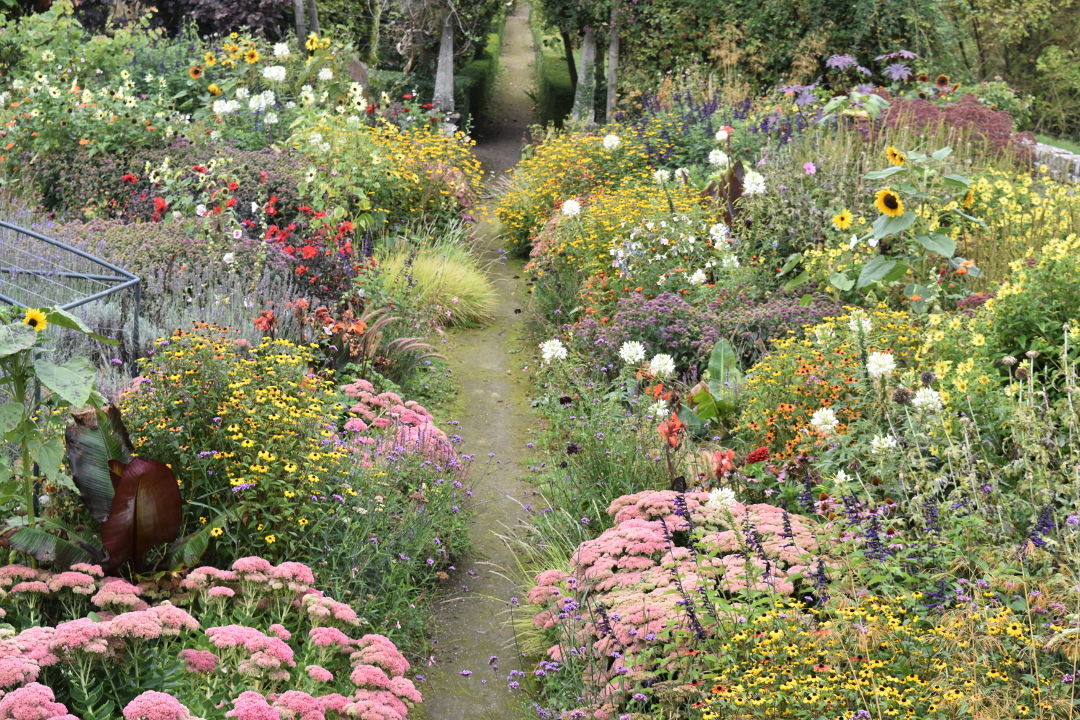
Credit: www.finegardening.com
Frequently Asked Questions
What Is A Wild Garden Design?
A wild garden design embraces natural elements, prioritizing native plants and biodiversity. It fosters habitats for wildlife, promoting ecological balance. This approach celebrates untamed beauty and minimal maintenance, encouraging spontaneous growth and seasonal changes. It's perfect for those who appreciate nature's unpredictable charm and want a sustainable garden.
How To Start A Wild Garden?
To start a wild garden, choose native plants suited to your climate. Prepare the soil by removing weeds and adding compost. Plant in clusters for a natural look and vary heights for visual interest. Allow plants to self-seed and spread, encouraging wildlife-friendly habitats and biodiversity.
Which Plants Are Best For Wild Gardens?
Native plants are ideal for wild gardens as they thrive naturally and support local ecosystems. Consider wildflowers like coneflowers and daisies, shrubs like elderberry, and grasses like switchgrass. These plants require minimal care, attract pollinators, and enhance biodiversity, creating a dynamic and sustainable environment.
How To Maintain A Wild Garden?
Maintaining a wild garden involves minimal intervention. Allow plants to self-seed and grow naturally. Prune selectively to encourage healthy growth and remove invasive species. Mulching helps retain moisture and suppress weeds. Regularly monitor biodiversity, ensuring the garden supports diverse wildlife and remains ecologically balanced.
Conclusion
Creating a wild garden brings nature closer. Plants grow freely, attracting wildlife. It's a space for relaxation and discovery. Simple steps lead to a thriving garden. Choose native plants for easy care. Mix colors and textures for visual appeal. Paths offer exploration, adding charm.
Maintenance is minimal, allowing nature to lead. Watch birds and butterflies flutter around. A wild garden enriches your outdoor space. It offers a peaceful retreat. Enjoy the beauty and tranquility. Embrace the untamed charm of your wild garden. Let it become your haven of nature’s wonders.


