
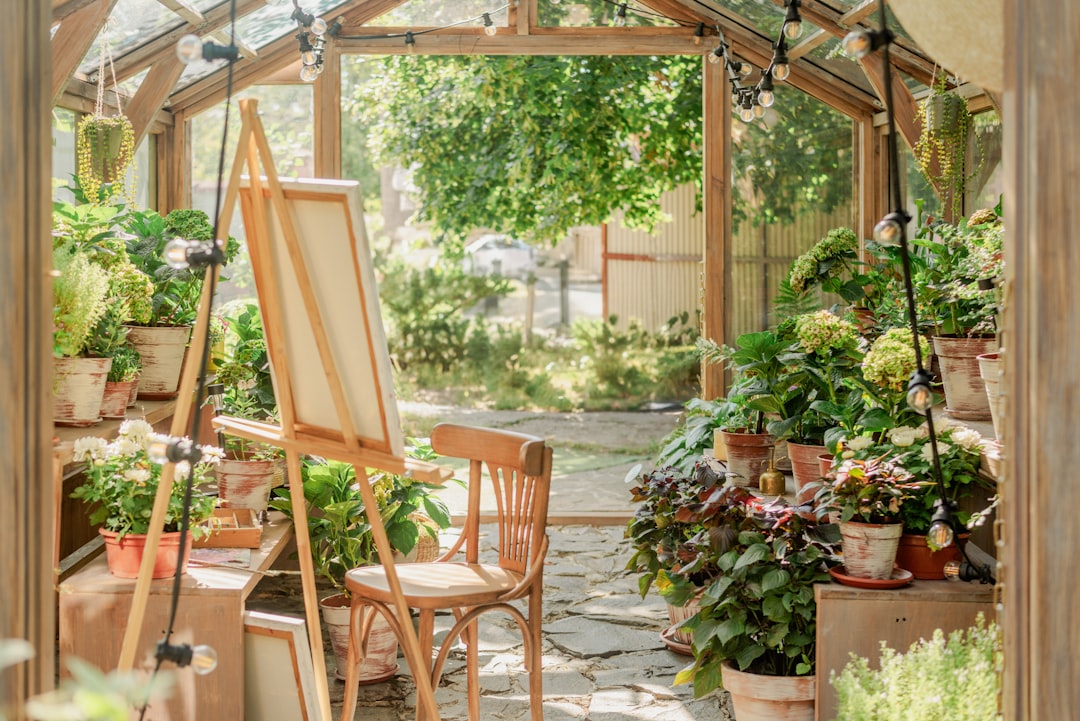
How to Become Garden Designer?
Have you ever looked at a beautiful garden and wondered about the magic behind its design? If you have a passion for creating outdoor spaces that bring joy and tranquility, becoming a garden designer might be your calling.
Imagine using your creativity to transform ordinary landscapes into stunning gardens that captivate the senses. As a garden designer, you have the chance to blend artistry with nature, crafting spaces that not only look good but also feel right. This blog will guide you through the steps to become a skilled garden designer, from honing your design skills to understanding plants and materials.
Whether you're dreaming of starting your own business or enhancing your backyard, this guide is designed to inspire and equip you with the tools you need. Keep reading to discover how you can turn your love for gardens into a rewarding career, and unlock the secrets to creating outdoor masterpieces.
The Role Of A Garden Designer
Garden designers transform outdoor spaces into beautiful, functional areas. Becoming one involves learning design principles, plant knowledge, and gaining experience through practice. Courses in horticulture or landscape design can be beneficial.
The role of a garden designer is both creative and practical, demanding a unique blend of skills to transform outdoor spaces. As a garden designer, you’re not just about planting flowers and shrubs. You’re crafting an environment that speaks to the soul, balancing aesthetics with functionality. Whether you're designing a lush backyard retreat or a minimalist urban garden, your role is pivotal in bringing a client's vision to life.
Key Responsibilities
Garden designers wear many hats. Planning and conceptualizing are at the heart of your responsibilities. You’ll create detailed designs and layouts, considering elements like sunlight, soil, and climate. Another key task is client collaboration. You’ll engage with clients to understand their preferences and needs, translating their ideas into feasible designs. Finally, project management is crucial. Overseeing the installation process ensures the design is executed as envisioned, maintaining quality and coherence throughout.
Skills Required
To thrive as a garden designer, certain skills are indispensable. Creativity tops the list, enabling you to design visually appealing yet functional spaces. Technical skills are also vital. You'll need to draft precise plans and understand horticultural requirements. Knowledge of various plant species and their growing conditions is essential. Communication skills are equally important. You must articulate ideas clearly to clients and collaborate effectively with landscapers and suppliers. Your ability to convey concepts can make or break a project’s success. As you navigate this career path, consider the impact of your designs. How will you create spaces that resonate with those who inhabit them?
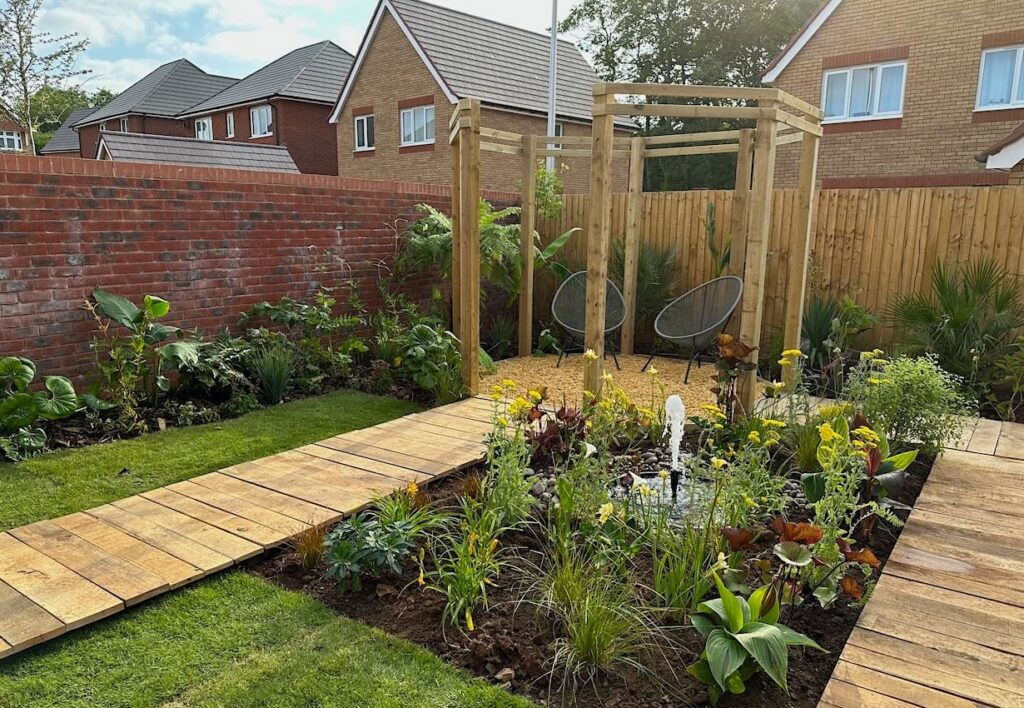
Credit: www.gardenninja.co.uk
Educational Pathways
Explore the steps to become a garden designer. Start with courses in landscape design or horticulture. Gain practical experience through internships or volunteer work in gardening projects.
Embarking on a journey to become a garden designer is an exciting adventure filled with creativity and growth. Understanding the educational pathways can help you tailor your learning to fit your goals. Whether you are seeking formal education or exploring online courses, each path offers unique advantages and can shape your career in garden design. What educational route will you choose to nurture your passion for garden design?
Formal Education Options
Pursuing a formal education in garden design can provide a comprehensive foundation. Many universities offer degrees in landscape architecture or horticulture. These programs often cover plant biology, design principles, and project management. In a classroom setting, you can benefit from hands-on experiences. You might find yourself designing a garden for a school project or collaborating with peers on real-world challenges. Such experiences can build your confidence and skills. Some schools even offer internships, allowing you to gain practical experience. These opportunities can be invaluable as they often lead to networking connections in the industry.
Online Courses
If you prefer flexibility, online courses might be an ideal option. Platforms like Coursera or Udemy offer courses specifically tailored to garden design. They cover a variety of topics, from basic design principles to advanced landscaping techniques. Online courses allow you to learn at your own pace. You can fit your studies around your schedule, making it easier to balance work, family, and education. Consider joining online forums or communities related to garden design. Engaging with others can provide insights and motivation. You might even find a mentor willing to share advice and experiences. Choosing an educational path is a personal decision. Reflect on your lifestyle, goals, and learning preferences. Which path resonates with you and propels you toward your dream of becoming a garden designer?
Building Experience
Embarking on a garden design career requires hands-on experience and creativity. Start by learning plant types and their care. Experiment with small projects to hone your skills, gradually taking on larger designs.
Building a career as a garden designer isn't just about studying plants and design principles. It’s about getting your hands dirty, literally, and gaining firsthand experience. Building experience is crucial to truly understanding the nuances of landscape design, and it can set you apart in a competitive field.
Internships And Apprenticeships
Consider internships or apprenticeships with established garden designers or landscape architecture firms. These opportunities let you learn from seasoned professionals and understand real-world applications of design theories. You’ll witness the entire process, from initial client meetings to the final touches of a project. While working as an intern or apprentice, pay close attention to how seasoned designers handle challenges. Ask questions and take notes. Use this chance to build connections and get feedback on your ideas. An internship or apprenticeship can also help you decide which aspect of garden design you’re most passionate about. Is it crafting intricate layouts, selecting plant varieties, or something else? Finding your niche can be invaluable as you progress in your career.
Volunteer Opportunities
Volunteering offers another path to gaining practical experience. Many community gardens, botanical gardens, or non-profit organizations look for volunteers to help with projects. These experiences can broaden your understanding of how different gardens operate. Volunteering allows you to experiment with design ideas without the pressure of a client’s expectations. It’s a safe space to try new things and learn from any mistakes. Plus, it’s a great way to give back to your community while honing your skills. Think about what unique contributions you can make through volunteering. Could your design ideas improve a community space? Could your plant knowledge benefit a local garden project? Your volunteer work can be a powerful addition to your portfolio. Experience in garden design is all about learning by doing. How will you take the first step in building your experience?
Developing A Portfolio
Building a portfolio is crucial for aspiring garden designers. Display your creative projects and diverse designs to attract potential clients. Highlight your skills in landscape planning, plant selection, and innovative garden layouts.
Developing a portfolio is a crucial step in becoming a successful garden designer. It's your visual resume, showcasing your skills, creativity, and versatility. A well-crafted portfolio can make the difference between landing a dream project or being passed over.
Showcasing Your Work
When creating your portfolio, ensure it captures the essence of your design style. Use high-quality photos of your completed projects. This will help potential clients visualize what you can do for them. Consider including before-and-after images to highlight your transformative skills. A brief description of each project can provide context and demonstrate your problem-solving abilities. Remember, your goal is to tell a story about your journey as a designer. Have you thought about incorporating sketches or mood boards? These elements can illustrate your design process and give insight into your creative thinking. They also offer a peek into how you conceptualize a garden before it's brought to life.
Creating A Diverse Range
Variety in your portfolio is key. Aim to include a mix of project types, from small residential gardens to larger commercial spaces. This diversity shows that you're adaptable and can handle different challenges. Clients appreciate seeing examples of sustainable or native plant designs, which are increasingly in demand. Demonstrating your ability to work with various styles and constraints can set you apart from other designers. Don't shy away from highlighting experimental projects. These can demonstrate your willingness to innovate and push boundaries. Have you tried creating a vertical garden or a rooftop oasis? Such projects can intrigue clients looking for something unique. In building your portfolio, remember that quality trumps quantity. Choose your best work to showcase your talent and dedication. Each piece should reflect your passion for garden design and your commitment to creating beautiful, functional spaces.
Networking Strategies
Networking is vital for aspiring garden designers. Building connections opens doors to opportunities. It helps you learn from experienced professionals. Networking can also lead to collaborations and partnerships. To grow your network, consider joining professional organizations and attending industry events.
Joining Professional Organizations
Professional organizations offer a community of like-minded individuals. They provide resources and support for garden designers. Membership often includes access to workshops and seminars. These events enhance your skills and knowledge. Organizations also offer directories where you can list your services. This increases your visibility in the industry.
Being part of such groups shows commitment to your craft. It adds credibility to your profile. Clients often trust designers associated with reputable organizations.
Attending Industry Events
Industry events are perfect for meeting professionals face-to-face. They offer a platform to showcase your work and ideas. Events include trade shows, exhibitions, and conferences. These gatherings often feature experts sharing insights and trends. Attending helps you stay updated with the latest in garden design.
Networking at events can lead to fruitful collaborations. You meet potential clients and partners. Always carry business cards to share your contact information. Engage in conversations and show genuine interest in others' work. Building relationships is key to success in garden design.
Marketing Your Services
Marketing your services is crucial for a garden designer. It helps you reach potential clients and build your brand. Effective marketing strategies can differentiate you from the competition. This section explores key methods to promote your garden design services.
Online Presence
Build a professional website. It showcases your portfolio and services. Use clear images of your past projects. Describe each project briefly. Make navigation easy for visitors. Include contact information prominently.
Leverage social media platforms. Share your designs and gardening tips. Engage with followers regularly. Respond to comments and questions promptly. Social media increases visibility and attracts clients.
Optimize your website for search engines. Use relevant keywords in titles and descriptions. This improves your site's ranking and attracts organic traffic.
Client Testimonials
Collect testimonials from satisfied clients. They enhance credibility and trust. Ask clients to share their experiences. Highlight specific benefits they received.
Display testimonials prominently on your website. Use them in marketing materials. Share them on social media. Positive reviews influence potential clients' decisions.
Encourage clients to provide detailed feedback. More specific testimonials resonate better. They offer a clearer picture of your services.
Staying Current With Trends
Stay updated with garden design trends by exploring magazines, online platforms, and social media. Discover new styles and techniques to create stunning outdoor spaces. Learn from experienced designers and adapt ideas to fit different environments.
Staying current with trends is crucial in the ever-evolving field of garden design. As a garden designer, your ability to adapt and innovate can set you apart. Embracing new ideas not only enhances your skills but also ensures your designs remain relevant and appealing. How do you ensure your designs are fresh and inspiring? Here are some key areas to focus on.
Sustainable Design Practices
Sustainability is no longer a buzzword; it's a necessity. More clients want gardens that are eco-friendly and resource-efficient. Integrating native plants can reduce water usage and maintenance. Consider rainwater harvesting systems to support irrigation needs. Composting not only enriches soil but also reduces waste. I once transformed a neglected urban space into a thriving green oasis using only recycled materials. This approach not only benefited the environment but also impressed the client with its cost-effectiveness.
Innovative Techniques
Innovation keeps garden designs exciting and unique. Vertical gardens are gaining popularity in urban areas with limited space. These gardens can turn a plain wall into a lush landscape, offering both beauty and insulation benefits. Smart gardening technology is also on the rise. Automated watering systems and garden lights controlled by smartphone apps make maintenance easier. Have you explored using augmented reality to visualize garden designs for clients? It’s a game-changer, allowing clients to see potential outcomes before a single plant is placed. Staying current with trends requires curiosity and a willingness to learn. Engage with industry forums, attend workshops, and connect with fellow designers. How will you embrace these trends to enhance your garden design skills?

Credit: www.dynascape.com
Overcoming Challenges
Becoming a garden designer is a rewarding journey, but challenges are inevitable. Navigating these hurdles can strengthen your skills and resilience. Understanding how to tackle common challenges will help you succeed in this creative field.
Dealing With Difficult Clients
Every designer encounters demanding clients. It's crucial to remain calm and professional. Listen to their needs and concerns. Clear communication is key. Define project goals early. Set realistic expectations to avoid misunderstandings. Sometimes, compromise is necessary. Find a balance between your vision and their desires. This builds trust and satisfaction.
Managing Project Budgets
Budget management is essential for every garden designer. Start by understanding the client's financial limits. Create a detailed plan to allocate resources effectively. Monitor expenses closely to avoid overspending. Use cost-effective materials without sacrificing quality. Keep clients informed about any budget changes. Transparency prevents conflicts. A well-managed budget leads to successful projects.
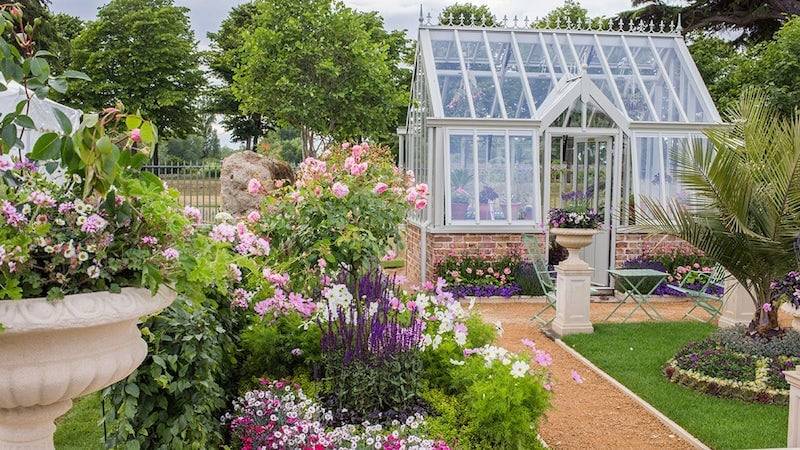
Credit: www.westminsterstone.com
Frequently Asked Questions
What Skills Are Needed To Become A Garden Designer?
To become a garden designer, you need creativity, technical skills, and horticultural knowledge. Understanding landscape architecture, plant species, and design principles is essential. Effective communication and project management skills are also important for working with clients and contractors.
How Do I Start A Career In Garden Design?
Start by obtaining a relevant degree or certification in landscape design or horticulture. Gain practical experience through internships and work on personal projects. Networking with industry professionals and joining garden design associations can also help you establish a career.
What Software Do Garden Designers Use?
Garden designers commonly use software like AutoCAD, SketchUp, and Adobe Illustrator. These tools help create detailed plans and visualizations. Some designers also use specialized landscape design software such as LANDWorksCAD or Vectorworks Landmark for more advanced projects.
How Much Does A Garden Designer Earn?
Garden designer earnings can vary widely based on experience, location, and project complexity. On average, garden designers can earn between $30,000 and $70,000 annually. Experienced designers and those working on high-end projects may earn significantly more.
Conclusion
Embarking on a garden design career excites many. It blends creativity with nature. Start with small projects. Grow your skills slowly. Connect with other designers. They can offer valuable insights. Keep learning new trends. Stay updated with tools and techniques.
Patience is key. Gardens take time to mature. Celebrate each success, big or small. Your designs will bring joy to others. Remember, every garden has a story. Yours can be part of that narrative. Enjoy the journey. Let your passion bloom!


