
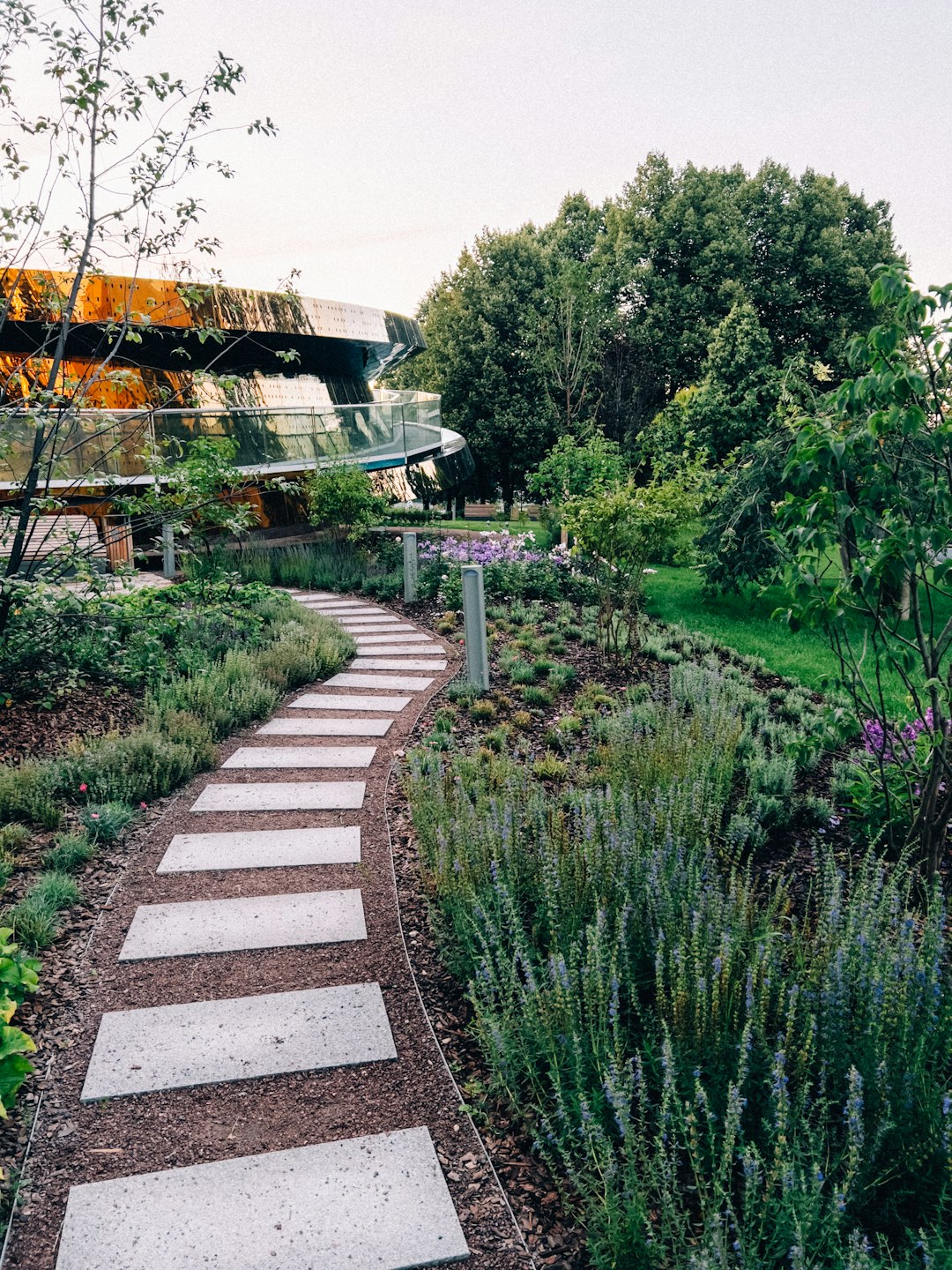
Imagine stepping into your backyard and feeling like you've entered a serene paradise. Your garden can be more than just a patch of grass or a collection of random plants.
It can be a carefully designed landscape that reflects your personal style and enhances your outdoor experience. But where do you start? Designing a garden landscape might seem daunting, but with a few key tips and a bit of creativity, you can transform your space into a breathtaking oasis.
You deserve a garden that invites relaxation, sparks joy, and even becomes the envy of your neighborhood. Ready to unlock the secrets of creating a stunning garden landscape? Let's dive in and discover how you can turn your vision into reality.
Assessing Your Space
Designing a garden landscape begins with assessing your space. Observe sunlight patterns and note soil conditions. Consider existing features like trees or paths. These elements shape the overall design and functionality.
Assessing your garden space is the first and most critical step in landscape design. It's about understanding what you have before deciding what you want. This initial assessment helps you make informed choices that enhance your garden’s natural beauty and functionality.
Measuring Your Garden
Start by measuring the dimensions of your garden. Use a tape measure to get the length and width. Sketch a rough layout on paper, noting these measurements. Create a simple table to list these measurements, which helps visualize the space: | Measurement | Length (m) | Width (m) | |--------------|------------|------------| | Front Yard | 10 | 5 | | Back Yard | 15 | 10 | Understanding these dimensions is crucial. It sets the stage for choosing the right plants and features. Have you ever bought furniture without measuring your room? The same principle applies here.
Identifying Key Features
Look for any existing features like trees, fences, or water elements. These elements could be assets or obstacles in your design. Recognizing them early helps you decide what to keep or change. List these features: - Large oak tree - Stone path - Small pond Consider how these features impact your design. A giant oak can provide shade but may block sunlight for other plants. Your small pond might become the focal point around which to build your garden paradise.
Evaluating Sunlight And Shade
Spend a day observing how sunlight moves across your garden. Note areas that get full sun, partial sun, and shade. This information is crucial for plant selection. Create a simple sun chart: - Morning: Full sun in the east corner - Noon: Partial shade near the oak tree - Afternoon: Shade in the west side Do you remember planting something that didn’t thrive because of poor sunlight? Avoid this mistake by choosing plants suited to the light conditions of each garden area. This small step ensures your garden blooms beautifully all year round. In assessing your space, you lay the foundation for a well-planned garden. Measure, identify, and evaluate—each step guides you towards a stunning landscape that reflects your vision. What discoveries have you made about your garden space today?
Setting Goals And Priorities
Designing a garden landscape starts with setting clear goals and priorities. Define the purpose and style of your garden. Consider elements like plants, pathways, and seating areas to create a balanced and harmonious space.
Designing a garden landscape is an exciting journey that begins with setting clear goals and priorities. Before you dig into the soil or choose your plants, take a moment to envision what you want to achieve. Setting goals not only guides your design process but also ensures the final outcome brings joy and satisfaction. Consider what you truly desire from your garden space and how it aligns with your lifestyle.
Determining Garden Purpose
What is the primary purpose of your garden? Some may seek a tranquil retreat for relaxation, while others might aim for a vibrant space to entertain family and friends. Perhaps you're keen on growing your own vegetables or creating a safe play area for your children. Start by listing your top priorities. Is it a place for meditation or a hub for weekend barbecues? Knowing your purpose will help you make informed decisions about layout, plant selection, and features. If your garden's main goal is to provide fresh produce, you'll need to focus on sunlight exposure and soil quality.
Balancing Aesthetics And Functionality
A beautiful garden is delightful, but it also needs to be practical. How can you strike a balance between aesthetics and functionality? Imagine a stunning flower bed that requires constant upkeep; it might look great initially but could become a burden over time. Consider the maintenance level you're comfortable with. If low maintenance is key, choose hardy plants that thrive with minimal attention. Design pathways that are both visually appealing and serve a purpose, like guiding guests through different sections of your garden. Think about how your garden will look through different seasons. A mix of evergreen plants alongside seasonal blooms can ensure year-round interest. Does the layout allow easy access to all areas without trampling delicate plants? Balancing beauty with usability is essential for a successful garden design. Setting goals and priorities is a critical step in garden design that can save you time, money, and frustration. What are your garden dreams? Start by defining them clearly, and you'll be well on your way to creating a space that not only looks stunning but also serves your needs perfectly.
Choosing A Design Style
Designing a garden landscape can transform your outdoor space. Choosing the right style makes a difference. It sets the tone for your garden's look and feel. A design style reflects your personality and complements your home's architecture. You can create a cohesive look that enhances your entire property.
Exploring Popular Garden Styles
Different garden styles offer unique aesthetics. The English garden style features lush greenery and winding paths. It creates a romantic and serene atmosphere. Japanese gardens focus on simplicity and nature. They use rocks, water, and minimal plants to bring peace. The Mediterranean style embraces bold colors and fragrant herbs. It suits sunny climates and invites relaxation.
Matching Style With Home Architecture
Your home's architecture guides your garden's design. A modern house pairs well with sleek and minimal landscapes. Geometric shapes and clean lines enhance modern styles. Traditional homes benefit from classic garden elements. Symmetrical designs and formal plantings match their elegance. Rustic cottages call for cottage-style gardens. Wildflowers and informal paths blend perfectly.
Planning Plant Selection
Planning plant selection is crucial in garden landscape design. It ensures a harmonious and thriving outdoor space. Consider various factors for a successful plant arrangement. These include climate, soil type, and visual appeal. Prioritize thoughtful plant choices for a vibrant and sustainable garden.
Understanding Plant Hardiness
Plant hardiness is key to selecting the right species. It refers to a plant's ability to survive in specific climates. Check the USDA Plant Hardiness Zone Map for guidance. Choose plants that thrive in your zone. This ensures they withstand local temperatures and conditions.
Incorporating Native Plants
Native plants offer numerous benefits for your garden. They adapt well to the local environment. This makes them more resilient and requires less maintenance. Native plants support local wildlife and biodiversity. They can also reduce the need for fertilizers and pesticides.
Seasonal Color Considerations
Seasonal color adds dynamic interest to your landscape. Select plants that bloom at different times of the year. This creates a garden with year-round visual appeal. Mix perennials and annuals for continuous color. Consider foliage color changes for added variety.
Creating Pathways And Structures
Designing a garden landscape involves crafting pathways and structures that guide the eye and movement. Use natural materials like stone or wood to create harmonious paths. Incorporate arches or trellises to add height and interest, making the garden both functional and visually appealing.
Creating pathways and structures in your garden isn't just about adding functionality; it's about enhancing the aesthetic appeal and creating a harmonious flow throughout the space. Pathways guide you through the garden, leading to hidden nooks or stunning views, while structures like arches or pergolas add vertical interest. Water features can bring soothing sounds and reflections into the mix, transforming your garden into a personal oasis. Ready to design a space where every step feels like a journey?
Designing Walkways
Walkways are the veins of your garden. They direct the flow and set the mood. Consider materials like gravel for a rustic feel or pavers for a clean, modern touch. Think about the width of your path. A narrow trail feels intimate, while a wide path is more welcoming. Let your walkways meander naturally, following the contours of your garden. Using edging can help define your walkways. From stones to metal, choose an edging that complements your garden style. It's a small detail that makes a big impact.
Incorporating Garden Structures
Structures can elevate your garden design. Arches can frame a view, while pergolas offer shade and a touch of romance. Choose materials that blend with your garden. Wood is warm and inviting; metal provides sleekness. Balance is key. Have you considered seating areas? A bench under a tree or a chair by a flower bed invites relaxation. It turns your garden into a living space.
Using Water Features
Water features add sound and movement. A small fountain can be the focal point, while a pond can host aquatic life. Location matters. A water feature near a seating area doubles its enjoyment. Imagine sipping tea with the sound of bubbling water nearby. Maintenance is important. Keep water clean and flowing smoothly. Your water feature should be a source of joy, not a chore. What elements will you choose for your garden? Perhaps a winding path that leads to a quiet bench, shaded by a pergola. Or maybe a bubbling fountain that provides calm amidst colorful blooms. Designing your garden is about creating a space that speaks to you.
Maximizing Space With Vertical Gardening
Maximizing space in garden landscapes can be a creative challenge. Vertical gardening offers an effective solution. It optimizes space by growing upwards. This approach suits small gardens and urban spaces. Vertical gardening also adds an aesthetic touch. It brings a refreshing dimension to your garden design. Let's explore practical ways to maximize space with vertical gardening.
Utilizing Trellises And Arbors
Trellises and arbors serve as vertical supports. They offer structure to climbing plants. These structures create stunning garden visuals. Trellises can support vegetables like peas and beans. Arbors enhance entrance pathways with flowering vines. Both options save ground space effectively. Choose materials like wood or metal for durability. Paint or stain them for a personalized touch.
Selecting Vertical Plants
Select plants that grow naturally upright. Climbing plants and vines are ideal choices. Consider plants like clematis or honeysuckle for color. Vegetables like tomatoes or cucumbers work well vertically. Herbs like rosemary and thyme thrive in vertical setups. Ensure plants get adequate sunlight and water. Regular maintenance keeps plants healthy and vibrant.
Lighting For Ambiance And Safety
Transform your garden into a beautiful and safe haven with thoughtful lighting design. Use soft lights along pathways for safety. Highlight plants and water features to create a peaceful ambiance. Choose energy-efficient options to save costs while keeping your garden inviting and secure.
Lighting can transform your garden landscape into a breathtaking oasis, offering both ambiance and safety after sunset. The right lighting can highlight your garden's beauty and ensure you and your guests navigate safely. Have you ever strolled through a garden in the evening and felt completely captivated by its charm? A well-lit garden can evoke emotions and make your outdoor space feel magical and secure.
Choosing Solar Vs. Electric Lights
When deciding between solar and electric lights, consider your garden's specific needs. Solar lights are energy-efficient and environmentally friendly, charging during the day to illuminate your garden at night. They're perfect for areas with ample sunlight and require minimal maintenance. On the other hand, electric lights offer consistent brightness regardless of weather conditions. They are ideal for larger gardens or areas needing more reliable illumination. While they might involve more upfront installation, their dependability is often worth the investment. Think about your garden's layout and climate. This can guide you in choosing the right type of lighting that balances ambiance and practicality.
Highlighting Key Areas
Focus on highlighting areas that deserve attention, like pathways, water features, or a favorite plant. Use lighting to guide the eye and enhance your garden's natural beauty. Pathway lights not only ensure safety but also create a welcoming route for visitors. Spotlights can accentuate unique features, like a statue or a pond, making them focal points even after dark. Think about where you spend most of your time in the garden. Ensure these spaces are well-lit to extend their usability into the evening. Consider using string lights for a whimsical touch, especially around seating areas. This can create a cozy atmosphere where you can enjoy late-night conversations. What areas in your garden would benefit most from enhanced lighting? Identifying these key spots can transform your garden into a stunning night-time retreat.
Implementing Sustainable Practices
Creating a garden landscape with sustainable practices involves choosing native plants that thrive in the local climate. Use compost and rainwater to nourish your garden naturally. Arranging plants wisely ensures minimal water use and promotes biodiversity.
Implementing sustainable practices in garden landscape design not only benefits the environment but also enhances the beauty and health of your garden. Embracing eco-friendly techniques can be simple and rewarding. Have you ever wondered how your garden can thrive while conserving resources? Let's dive into some practical ways to achieve this.
Water Conservation Techniques
Water is precious, and conserving it in your garden is both responsible and effective. Consider installing a rainwater harvesting system. It's a simple setup to collect rainwater in barrels or tanks. You can use this water for irrigation during dry spells. Drip irrigation is another method that minimizes water waste. It delivers water directly to the plant roots, reducing evaporation and runoff. This system is efficient and can be customized to suit your garden's needs. Explore native plants as they naturally require less water. They are adapted to local climates and soil conditions. Not only do they conserve water, but they also attract local wildlife and create a thriving ecosystem.
Composting And Soil Health
Composting is a fantastic way to enrich your soil and reduce waste. Start a compost pile with kitchen scraps and garden waste. It’s easy and cost-effective. As the compost breaks down, it turns into nutrient-rich soil that boosts plant growth. Healthy soil retains water better, reducing the need for frequent irrigation. It also supports beneficial organisms that keep your garden vibrant. What waste can you transform into something valuable for your garden? Consider adding cover crops during off-seasons. These plants improve soil health by adding organic matter and preventing erosion. They are a natural way to replenish nutrients and keep your garden ready for the next planting season. Implementing these sustainable practices can lead to a thriving garden that reflects your commitment to the planet. How will you make a positive impact in your garden today?
Maintaining Your Garden
Maintaining your garden ensures its health and beauty throughout the year. A well-maintained garden landscape adds charm and tranquility to your outdoor space. Consistent care helps plants thrive and keeps pests away. This section will guide you in keeping your garden vibrant and lush.
Regular Pruning And Weeding
Pruning helps plants grow strong and healthy. Cut away dead or overgrown branches. This encourages new growth and prevents disease. Use sharp tools for clean cuts. Weeding removes unwanted plants that compete with your garden. Pull weeds from the roots to stop regrowth. Regular weeding keeps your garden neat and orderly. Check your garden weekly for weeds and prune plants as needed.
Seasonal Cleanup Tips
Each season brings specific cleanup tasks. In spring, remove winter debris and prepare soil for planting. Summer is the time to trim hedges and check for pests. Fall requires raking leaves and protecting plants from frost. Winter is for mulching and covering delicate plants. Seasonal cleanup keeps your garden ready for new growth. Use proper tools and wear gloves for safety.
Frequently Asked Questions
What Are The Basics Of Garden Landscape Design?
Garden landscape design involves planning plant placement, selecting suitable materials, and considering the garden's overall style. Start with a clear vision, assess your space, and choose plants that thrive in your climate. Incorporate paths, water features, and focal points to enhance aesthetics and functionality.
How Do I Choose The Right Plants?
Choosing the right plants depends on your region's climate, soil type, and available sunlight. Select native or adaptable species for easy maintenance. Consider plant height, color, and seasonal changes to create visual interest. Group plants with similar water and sunlight needs for a harmonious garden landscape.
What Are Common Garden Design Mistakes?
Common mistakes include overcrowding plants, ignoring soil quality, and neglecting garden maintenance. Overplanting can lead to poor growth and plant health. Ensure good soil conditions and regular upkeep. Avoid a cluttered design by planning for growth and incorporating negative space for balance and aesthetics.
How Can I Incorporate Sustainability In My Garden?
Incorporate sustainability by using native plants, conserving water, and minimizing chemical use. Native plants require less water and maintenance. Install rainwater collection systems and use drip irrigation to conserve water. Compost organic waste to enrich soil naturally, promoting a healthy, eco-friendly garden environment.
Conclusion
Creating a beautiful garden landscape is rewarding and fun. Start by planning your space carefully. Choose plants that fit the climate and your style. Use paths and lighting to guide visitors and highlight features. Remember, balance and harmony are key.
Regular maintenance keeps your garden fresh and inviting. Your garden reflects your creativity and care. Enjoy the process and watch your vision come to life. Happy gardening!


