
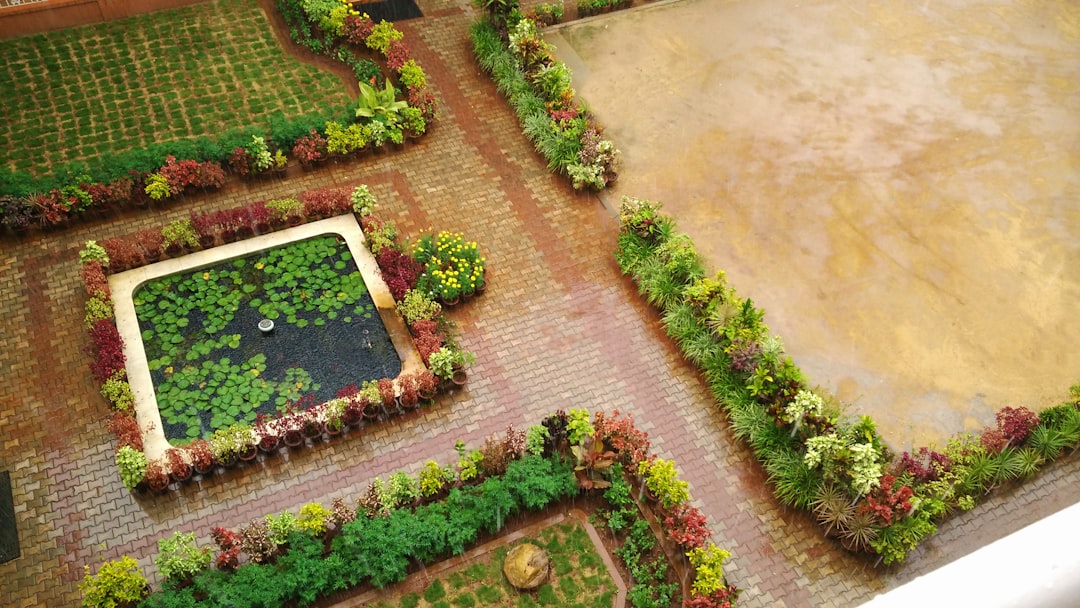
Imagine stepping into your garden and feeling an overwhelming sense of tranquility and beauty. Designing a garden layout can make this dream a reality, transforming your outdoor space into a personal paradise.
But where do you start? How do you ensure your garden not only looks stunning but also serves your needs? This is where many garden enthusiasts find themselves stuck. You’re not alone. With the right guidance, creating the perfect garden layout becomes an exciting and rewarding process.
You’ll discover simple, effective strategies to design your garden layout, ensuring it’s both functional and aesthetically pleasing. You'll learn how to make the most of your space, no matter its size, and turn your gardening dreams into tangible results. Ready to dig in and let your creativity bloom? Let's get started!
Planning Your Garden Space
Creating a garden layout starts with careful planning. Each garden is unique. The space you have, your goals, and priorities shape your design. A thoughtful approach ensures a thriving garden.
Assessing Available Space
First, measure the area you have for your garden. Consider its shape and size. Is the space square, rectangular, or irregular? Observe how sunlight hits different spots. Identify areas with shade or full sun. Check the soil quality. Is it sandy, clay, or loamy? Knowing your space helps make informed decisions.
Setting Goals And Priorities
What do you want from your garden? Fresh vegetables? Beautiful flowers? A relaxing retreat? List your goals. Rank them by importance. Maybe homegrown food tops your list. Or perhaps aesthetic beauty. Align your layout with these priorities. Ensure your design meets your primary needs first.
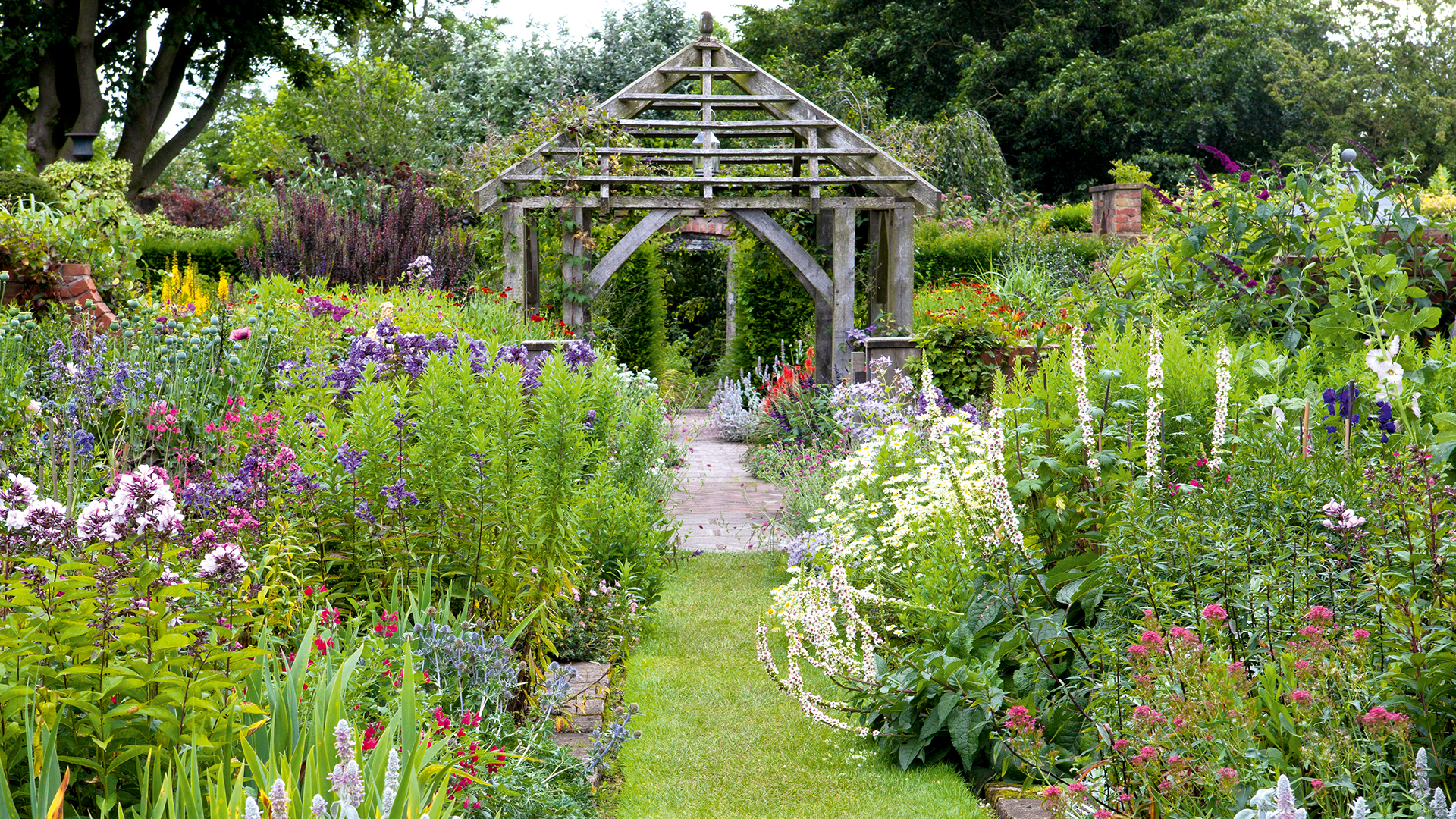
Credit: www.homesandgardens.com
Choosing Plants And Features
Selecting the right plants and features is key in garden layout design. Consider plant size, sunlight needs, and maintenance. Adding paths and seating enhances both beauty and function.
Designing your garden layout is an exciting adventure. Choosing plants and features can transform your space into a personal oasis. It's crucial to balance aesthetics with functionality, ensuring your garden thrives in your environment. Let’s dive into selecting the right plants and adding appealing features to create a harmonious garden.
Selecting Plants For Your Climate
Choosing plants that suit your local climate is essential. You want greenery that will thrive without excessive maintenance. Consider native species, which often require less water and resist local pests. Research your area's hardiness zone. This helps you understand which plants can survive the winter and summer temperatures. You don’t want to invest in beautiful blooms that wilt in the first frost. Talk to local garden centers or friends with green thumbs. They often have practical insights about what works well. I once planted a stunning tropical bush, only to watch it wither in my northern garden. Lesson learned: know your climate!
Incorporating Hardscape Elements
Hardscape elements add structure and function to your garden. Think about pathways, patios, or decorative rocks. These features not only enhance beauty but also make navigation easier. Consider the materials you use. Stone paths can be rustic and charming, while wooden decks offer warmth and relaxation. Choose elements that complement your home’s style. Balance is key. You don’t want hardscape features to overshadow your plants. Ask yourself: does this element enhance or detract from the natural beauty? Experiment with water features like fountains or ponds. They can be calming and attract wildlife. Just ensure they fit the scale of your garden. A small space doesn’t need a sprawling pond. Remember, your garden should reflect your personality and preferences. Are you ready to create a space that’s uniquely yours?
Creating Functional Zones
Creating functional zones in your garden is key to maximizing its potential. Each area serves a unique purpose, enhancing your outdoor experience. Thoughtful design can transform your garden into a versatile space. Let's explore how to design relaxing zones and set up productive gardens.
Designing Relaxation Areas
Relaxation zones provide a peaceful retreat in your garden. Choose a quiet corner away from noise. Add comfortable seating like benches or loungers. Consider shade options with trees or umbrellas. Soothing colors create a calming atmosphere. Surround the area with fragrant flowers or shrubs. Incorporate water features for tranquil sounds. Keep pathways clear for easy access. Use soft lighting for evening relaxation. Design with privacy in mind, using tall plants or screens.
Setting Up Vegetable And Herb Gardens
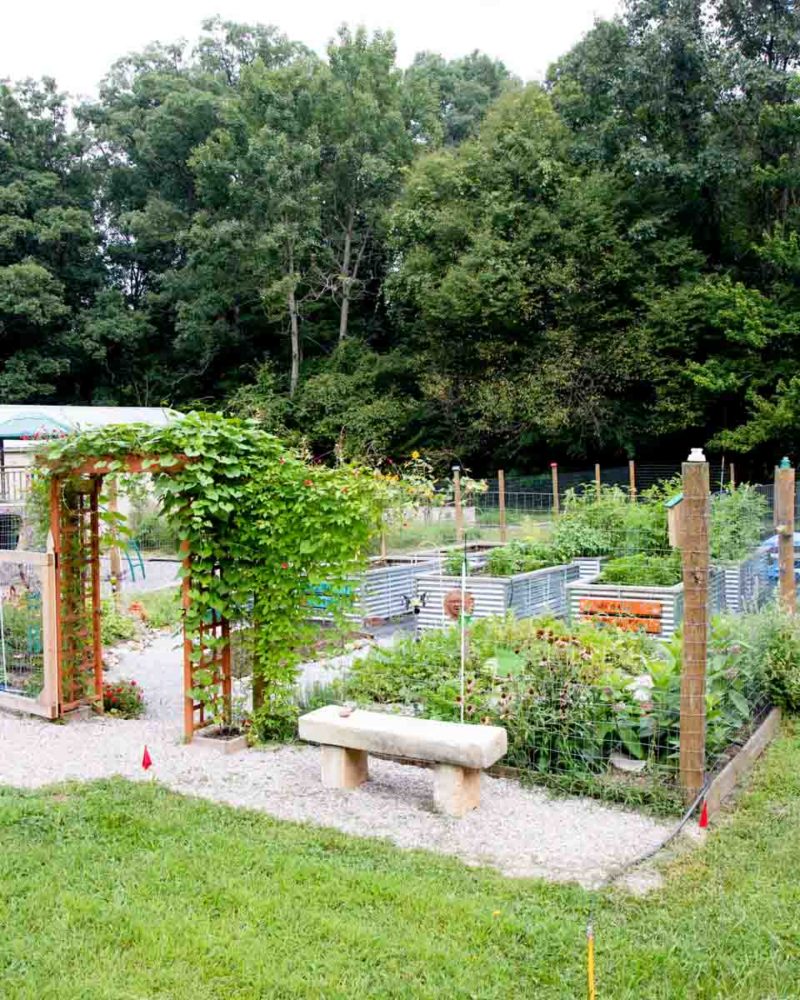
Vegetable and herb gardens bring fresh produce to your doorstep. Start by selecting a sunny spot for optimal growth. Raised beds improve drainage and soil quality. Plan your layout for easy access to each plant. Group similar plants together for efficient care. Rotate crops annually to maintain soil health. Choose herbs that thrive in your climate. Incorporate companion planting to deter pests naturally. Install irrigation systems for consistent watering. Mulch beds to retain moisture and reduce weeds.
Credit: growfully.com
Design Principles And Aesthetics
Creating a garden layout involves more than placing plants randomly. The design should reflect harmony, beauty, and purpose. Good design principles guide you in achieving a garden that pleases the eye and calms the mind. Aesthetic values are essential in shaping the garden's overall appearance. They help in making a space inviting and relaxing.
Consider the colors, textures, and patterns. These elements play a crucial role in garden design. They help in creating a visual appeal that attracts and soothes.
Using Color And Texture
Color adds life to your garden. Choose colors that complement each other. Bright colors can energize the space. Soft colors create a calming effect. Mix different hues to add interest and depth.
Texture is another important element. It refers to the surface quality of plants and materials. Use plants with different textures. Combine smooth leaves with rough bark. This contrast adds richness to the garden. Consider using gravel, stones, or wood. These materials introduce diverse textures. They make the garden more engaging.
Balancing Symmetry And Asymmetry
Symmetry brings order and balance to the garden. It involves arranging elements in a mirrored pattern. This design principle gives a sense of stability. Symmetrical gardens often look formal and structured.
Asymmetry, on the other hand, offers freedom. It involves arranging elements unevenly. This design creates a natural and relaxed atmosphere. Asymmetrical gardens feel more dynamic and spontaneous.
Achieving balance between symmetry and asymmetry enhances aesthetics. It allows for variety and interest. Experiment with both principles. Find what works best for your garden's style.
Maximizing Space Utilization
Designing a garden layout efficiently maximizes space for plants and pathways. Thoughtful arrangement enhances accessibility and ensures sunlight reaches every corner. Incorporate vertical gardening and smart zoning to create a balanced, inviting outdoor space.
Maximizing space utilization in your garden is an exciting challenge that can lead to a lush, productive area even if you have limited room. Whether you have a small backyard or just a balcony, using space wisely can turn any plot into a thriving oasis. The key is to think creatively and make every inch count.
Vertical Gardening Techniques
Vertical gardening is a game-changer for small spaces. Imagine growing your favorite vegetables or flowers on walls or fences. You can use trellises, hanging baskets, or tiered planters to add layers of greenery. This approach not only saves ground space but also adds visual interest. Have you ever considered how stunning strawberries look cascading from a hanging basket? Think about utilizing vertical structures for climbing plants like beans or peas. They naturally grow upwards, making them perfect candidates for this technique. By going vertical, you increase your planting area without expanding your physical footprint.
Space-saving Planting Methods
Consider interplanting as a method to maximize your garden's productivity. This involves planting different crops close together that can share the same space effectively. For instance, you can plant lettuce between taller tomato plants. This way, the lettuce benefits from the shade of the tomatoes, and you double your harvest from the same patch. Another method is succession planting. This involves timing your plantings so that as one crop finishes, another is ready to take its place. Picture harvesting spring greens and immediately sowing summer squash in the same spot. Reflect on your own garden. Are there areas that could benefit from these techniques? How could you rearrange your layout for better yield and beauty? Embrace the challenge of maximizing space, and your garden will thank you with bountiful harvests and vibrant growth.
:max_bytes(150000):strip_icc()/SPR-vegetable-garden-layout-8600906-hero-22dbab3241cc4676b6eb7b6ea2283195.jpg)
Credit: www.thespruce.com
Sustainability And Maintenance
Designing a garden layout involves choosing plants that thrive together. Consider seasonal changes and local climate. Arrange paths for easy access, promoting regular maintenance. Sustainable practices like using native plants reduce water usage and support local wildlife. Thoughtful planning ensures a beautiful, low-maintenance garden year-round.
Creating a sustainable garden layout benefits both nature and your wallet. It promotes eco-friendly practices and reduces maintenance efforts. Sustainable gardens thrive with minimal human intervention, conserving resources. Let's explore how to achieve this through smart design choices.
Choosing Eco-friendly Materials
Select materials that are kind to the environment. Use recycled materials like reclaimed wood for garden beds. Opt for natural stones instead of synthetic options. These choices reduce environmental impact. They also provide a rustic, authentic look. Choose locally sourced materials to cut down on transportation emissions. This supports local businesses, too.
Effective Water Management
Water is vital for any garden. Use it wisely to maintain sustainability. Install a rainwater harvesting system. This collects rainwater for future use. Drip irrigation systems minimize water waste. They deliver water directly to plant roots. Mulching helps retain soil moisture, reducing the need for frequent watering. Choose drought-resistant plants. They require less water and thrive in dry conditions. This approach saves water and reduces maintenance efforts. `
Seasonal Adjustments
Creating a garden layout that thrives all year round requires more than just a design plan. It demands flexibility and foresight to adapt to seasonal changes. Whether you're facing the scorching heat of summer or the icy chill of winter, making seasonal adjustments is crucial for a flourishing garden. Embrace the rhythm of nature by preparing your garden to withstand and thrive through different weather conditions.
Adapting To Weather Changes
Weather can be unpredictable. Your garden layout should be ready to face these changes head-on. Consider adding windbreaks like hedges or fences to protect delicate plants from harsh winds. In warmer months, shade structures can prevent sun damage. On the other hand, during colder months, mulch helps insulate the soil, keeping roots warm.
Think about installing a rainwater collection system. This can be a lifesaver in dry spells, ensuring your plants remain hydrated. What's the point of a beautiful layout if your plants can't endure the weather? Keep them safe and healthy by being proactive.
Preparing For Seasonal Planting
Each season brings its own planting opportunities. Planning ahead will ensure your garden doesn't miss out on seasonal blooms and harvests. Research which plants thrive in different seasons and adjust your layout accordingly. Spring might be perfect for planting colorful annuals, while autumn can be ideal for hearty vegetables.
Organize your garden beds based on these seasonal needs. Think about rotating crops to enhance soil health and reduce pests. Use a planting calendar to remind you when to start seeds indoors or when to transplant seedlings outside. How can you ensure a continuous, vibrant garden? By aligning your planting schedule with the seasons.
Designing a garden layout that accommodates seasonal adjustments is not just about aesthetics. It's about creating a resilient and productive space. Are you ready to make your garden adaptable to every season? Start making these thoughtful adjustments now!
Expert Insights And Case Studies
Designing a garden layout can seem complex. Yet, with the right guidance, it becomes an enjoyable task. Gathering insights from experts and examining case studies can provide a clear path. This section dives into the wisdom shared by seasoned professionals. It also highlights real-life examples of successful gardens.
Lessons From Successful Gardens
Observing established gardens reveals valuable lessons. One such garden is the famous Sissinghurst Castle Garden in England. Its design uses symmetry and color harmony. Each section has a unique theme, creating a cohesive look. This garden teaches the importance of planning and creativity.
Another notable example is the Brooklyn Botanic Garden. It showcases how native plants thrive when placed correctly. This garden highlights the role of sustainable practices. It uses water-efficient plants, reducing maintenance costs.
Interviews With Garden Designers
Insights from experienced garden designers can be transformative. We spoke with Laura, a renowned garden designer. She emphasizes starting with a clear vision. "Always consider the local climate," she advises. This ensures that plants will flourish.
Another designer, Mark, shares his approach to creating balance. He uses a mix of textures and heights. Mark believes that a garden should reflect the owner's personality. This personal touch makes the space more inviting.
These expert insights and case studies provide a roadmap. They inspire creativity and practical planning. Whether you're starting small or have a large space, these tips can guide you. With thoughtful design, your garden can be both beautiful and functional.
Frequently Asked Questions
What Are The Essentials For Garden Layout Design?
To design a garden layout, consider sunlight, soil type, and water access. Choose plants suitable for your climate and plan pathways. Incorporate seating areas, focal points, and ensure efficient drainage. Proper spacing between plants is crucial for growth. Sketch your plan before planting for better visualization and efficiency.
How Do I Choose Plants For My Garden?
Select plants based on your garden's sunlight exposure, soil type, and climate. Consider their growth habits and maintenance needs. Opt for a mix of seasonal flowers, shrubs, and trees. Native plants are often more resilient and require less care. Ensure plants complement each other in color and height.
What Is The Best Garden Layout Shape?
The best garden layout shape depends on your space and needs. Rectangular layouts are simple and versatile. Curved layouts can offer a more natural feel. Circular designs create focal points and are great for small spaces. Balance aesthetics with functionality for optimal results.
How Do I Ensure Good Drainage?
Good drainage is essential for healthy plants. Assess soil type and amend with sand or compost if needed. Create slopes or install drainage systems to direct water away. Raised beds can improve drainage in problematic areas. Regularly check for water pooling and adjust as necessary.
Conclusion
Designing a garden layout can be a fun project. Start by considering your space and needs. Think about sunlight, soil, and plant types. Draw a simple plan to visualize your ideas. Remember to include paths and seating areas. Use plants of different heights for depth.
Keep maintenance in mind when choosing plants. A well-thought-out layout enhances the garden's beauty. It also makes caring for it easier. Take your time and enjoy the process. Your garden will become a peaceful retreat. A place to relax and enjoy nature.
Happy gardening!


