
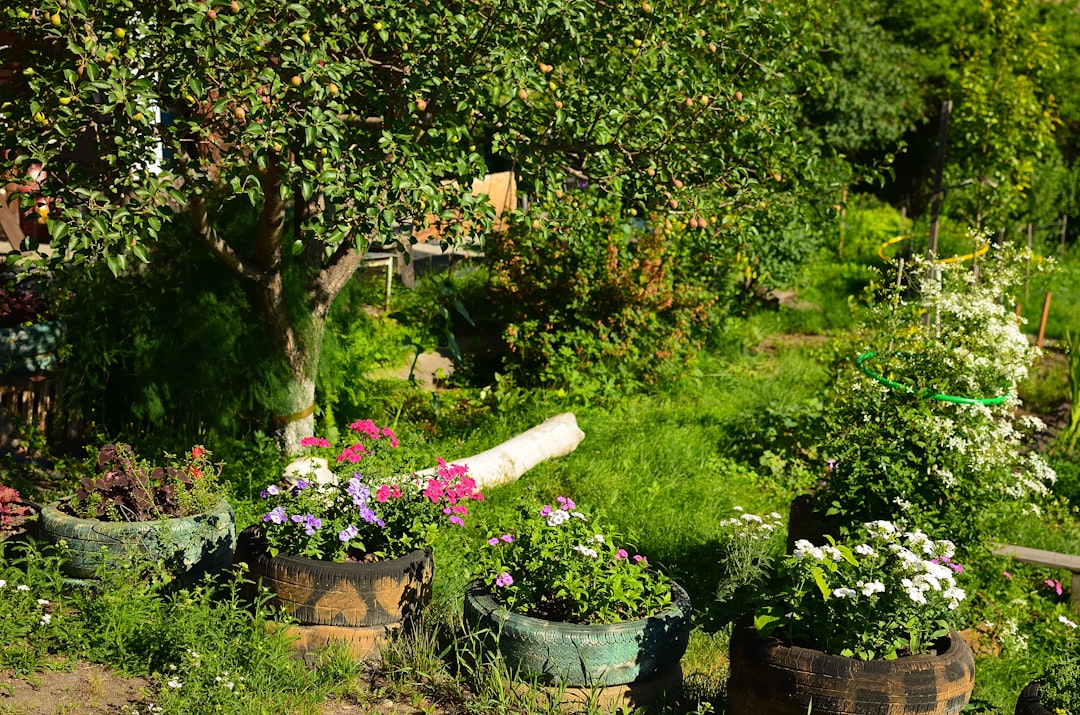
Imagine stepping into your backyard and being greeted by the vibrant colors and enticing aromas of an organic garden. You can make this vision a reality by preparing your garden bed with natural, sustainable methods.
As you embark on this green adventure, you’ll discover the joy of nurturing plants and the satisfaction of knowing you’re contributing to a healthier planet. In this guide, we'll show you how to create the perfect foundation for your organic garden.
You’ll learn simple techniques that not only boost your garden’s productivity but also align with your eco-friendly values. With every step, you'll gain confidence, knowing that your efforts are leading to a thriving oasis filled with wholesome fruits, vegetables, and flowers. Are you ready to unlock the secrets to a flourishing organic garden bed? Let's get started!
Choosing The Right Location
Creating an organic garden bed begins with location. A proper spot ensures healthy growth. It's crucial to find a place that meets the needs of your plants. Consider sunlight, shade, and water proximity. These factors impact plant health. A carefully selected location can lead to a thriving garden. Let's explore these key aspects.
Sunlight And Shade Considerations
Sunlight is essential for most plants. They need at least six hours daily. Observe the chosen spot throughout the day. Note areas with direct sun and shaded regions. Some plants prefer partial shade. Match plant needs with available light. This ensures optimal growth and productivity. Avoid areas with too much shade. It can hinder plant development.
Proximity To Water Sources
Water access is vital for an organic garden. Choose a spot near a water source. This makes watering easier and efficient. Check the distance to a hose or rain barrel. Consider rainwater collection options. Ease of access saves time and effort. It also ensures consistent plant hydration. A nearby water source supports a healthy garden.
Selecting Organic Materials
Choosing the right organic materials is key for a healthy garden bed. Consider compost, leaves, and grass clippings. These enrich the soil, providing essential nutrients for plant growth.
Preparing an organic garden bed starts with selecting organic materials that will nourish your soil and plants naturally. This choice impacts the health of your garden and the quality of the produce. Using organic materials ensures you avoid synthetic chemicals, promoting a sustainable gardening practice. Have you ever wondered about the best materials to enrich your garden bed? Here’s a breakdown of some options to consider.
Compost And Manure Options
Compost is a gardener’s best friend. Rich in nutrients, it improves soil structure and retains moisture. You can create your own compost using kitchen scraps and yard waste. This approach is not only cost-effective but also allows you to recycle waste into valuable gardening material. Manure is another excellent option. It provides a rich source of nitrogen, essential for plant growth. Consider using well-rotted manure from cows, horses, or chickens. Fresh manure can be too strong and may harm your plants, so ensure it’s properly aged. Have you tried adding both compost and manure to your garden bed? The combination could give you a thriving garden.
Mulching Materials
Mulch serves multiple purposes in your garden. It suppresses weeds, retains soil moisture, and adds organic matter as it decomposes. Straw and grass clippings are popular choices for mulching. They’re readily available and break down relatively quickly. Wood chips offer a longer-lasting option. They protect the soil from temperature fluctuations and add organic matter slowly. Be mindful of the type of wood, as some can alter soil pH. Which mulch do you think will suit your garden best? Consider availability and how quickly you want the mulch to break down. Selecting the right organic materials can transform your garden bed into a thriving ecosystem. Each choice you make can impact the growth and health of your plants.
Preparing The Soil
Preparing the soil is a crucial step in creating a thriving organic garden bed. Healthy soil supports plant growth and increases yield. It ensures your plants receive necessary nutrients and water. Follow these steps to prepare your soil effectively.
Testing Soil Quality
Begin by testing the soil quality. This helps you understand the nutrient levels. Purchase a soil test kit from a garden store. Follow the instructions to test your soil. Look for pH levels, nitrogen, phosphorus, and potassium content. A balanced pH between 6 and 7 is ideal for most plants. Adjust the soil based on test results.
Improving Soil Structure
Improving soil structure is vital for plant health. Good soil structure allows air and water to circulate. First, remove rocks and debris from the soil. Then, add organic matter like compost or aged manure. These materials enrich the soil with nutrients. They also improve drainage and aeration. Mix the organic matter thoroughly into the soil. This will create a supportive environment for plant roots.
Building The Garden Bed
Preparing an organic garden bed involves clearing the area of weeds and debris. Add compost to enrich the soil. Use tools to loosen the earth, ensuring good drainage and aeration. Select plant-friendly spots for optimal growth.
Building a garden bed sets the foundation for a thriving organic garden. Whether you choose a raised bed or an in-ground bed, each method offers unique benefits tailored to your garden's needs. The right approach can enhance soil quality, improve drainage, and make gardening more accessible. Let's dive into the details of each method to help you decide which one aligns best with your gardening goals.
Raised Bed Construction
Raised beds are a popular choice for many gardeners. They offer excellent drainage and keep the soil warm. To build a raised bed, start by selecting a sunny spot in your garden. Use untreated wood, bricks, or concrete blocks to form the perimeter. Ensure the bed is no wider than four feet so you can reach the center without stepping on the soil. Fill it with a mix of soil and compost, aiming for a depth of at least 12 inches. Consider your local climate. In colder areas, raised beds can heat up faster in spring, extending your growing season. Have you ever tried using recycled materials for your raised bed? It's an eco-friendly option that can add character to your garden.
In-ground Bed Preparation
In-ground beds use the existing soil, making them a more natural option. Begin by selecting a spot that receives adequate sunlight. Clear the area of grass and weeds, either by hand or with a hoe. Loosen the soil with a spade or tiller. This improves aeration and allows roots to penetrate easily. Add a layer of organic compost on top to enrich the soil with nutrients. Test your soil. Knowing its pH level can help you decide if amendments are needed. Have you thought about using a cover crop during the off-season? It can prevent erosion and improve soil fertility for your next planting. Whichever method you choose, building a garden bed is a rewarding experience. It provides a sense of accomplishment and a step closer to sustainable living. Which approach resonates with you and your gardening space?
Planting Techniques
Preparing an organic garden bed begins with clearing weeds and debris. Next, enrich the soil using compost or natural fertilizers. Finally, ensure proper drainage by loosening the soil with a garden fork or tiller.
Planting techniques are the backbone of a thriving organic garden bed. They can make the difference between a flourishing garden and one that struggles. By focusing on thoughtful planting strategies, you can maximize the health and yield of your plants. Whether you're a seasoned gardener or just starting, there are simple methods you can apply to enhance your gardening success.
Companion Planting
Companion planting involves growing different plants together that can benefit each other. This technique can help you naturally repel pests, enhance growth, or even improve flavor. For instance, planting basil next to tomatoes can deter pests and boost the tomatoes' taste. Think about the relationships between your plants. Some combinations, like carrots and onions, can work well because they don't compete for the same nutrients. Additionally, certain plants can provide shade or support for others, creating a mini-ecosystem in your garden. Do you know that marigolds can protect your crops from nematodes? This small choice can lead to healthier plants without chemicals. Experiment with different pairings and observe how they thrive together.
Crop Rotation Strategies
Crop rotation is about changing the location of your crops each season. This practice helps prevent soil depletion and reduces the risk of disease. For instance, if you plant tomatoes in one spot this year, consider planting legumes there next year. By rotating crops, you ensure that your soil maintains a balance of nutrients. Plants like beans can fix nitrogen in the soil, benefiting the next crop you plant. This approach supports sustainable gardening and can lead to healthier harvests. Consider keeping a garden journal. Note which plants were planted where and the results. This record will help you plan future rotations and improve your garden's productivity over time. Are you ready to try something new in your garden this season?
Watering And Maintenance
Caring for an organic garden bed involves regular watering and maintenance. These steps ensure plants grow healthy and strong. Understanding efficient irrigation methods and organic pest control is key. A well-maintained garden bed means thriving plants and bountiful harvests.
Efficient Irrigation Methods
Watering is crucial for plant growth. Drip irrigation systems are effective. They deliver water directly to the roots. This method reduces water waste and prevents over-watering. Soaker hoses also work well. They allow water to seep slowly into the soil. Choose the right time to water. Early morning or late afternoon is best. This prevents evaporation and keeps plants hydrated. Collect rainwater to use for watering. It's a sustainable and cost-effective practice.
Organic Pest Control
Pests can harm your garden bed. Use organic methods to control them. Introduce beneficial insects like ladybugs. They eat pests and protect plants. Plant marigolds to repel harmful insects. Their scent keeps pests away. Use natural sprays made from garlic or neem oil. These deter pests without chemicals. Regularly check plants for signs of pests. Early detection helps manage infestations. Keep your garden clean and free of debris. This reduces hiding spots for pests.
Seasonal Care Tips
Preparing an organic garden bed begins with clearing weeds and debris. Use compost to enrich soil for healthy plants. Rotating crops helps prevent soil depletion and maintain garden fertility.
Preparing an organic garden bed requires attentive care throughout the year. Seasonal changes can significantly impact your garden's health and productivity. Knowing how to adapt your gardening practices to different seasons ensures that your plants thrive and your soil remains fertile. Let's dive into some effective seasonal care tips to keep your garden bed in top shape.
Winterizing The Garden
Winter can be harsh, but it's an important time for your garden. Start by cleaning up fallen leaves and debris. This helps prevent pests and diseases from overwintering. Consider adding a layer of organic mulch. It insulates the soil, protecting roots from freezing temperatures. Mulch also retains moisture, reducing the need for frequent watering. Think about planting cover crops like clover or rye. They enrich the soil by fixing nitrogen and preventing erosion. As a bonus, they add organic matter when tilled into the soil in spring.
Spring Preparation
Spring is the season of renewal. Begin by testing your soil. Knowing the pH and nutrient levels helps you make informed decisions about amendments. It's time to wake up your garden bed. Remove any winter mulch and weeds that have crept in. Freshen up the soil by gently turning it over, aerating it for better root growth. Spring is perfect for adding compost. Organic compost boosts soil fertility and structure. It supports plant health and increases resistance to pests. Have you thought about rotating your crops? Changing the location of your plants prevents soil depletion and reduces pest buildup. It’s a simple yet effective strategy to maximize your garden’s productivity. As you prepare your organic garden bed for each season, consider what it needs to flourish. What challenges do you face in your garden? Embrace these seasonal care tips and watch your garden thrive.
Frequently Asked Questions
What Is The Best Soil For Organic Gardening?
The best soil for organic gardening is loamy soil enriched with compost. It provides nutrients and drains well, promoting healthy plant growth. Mixing in organic matter like manure improves soil fertility. Ensure the soil pH is neutral to slightly acidic for most plants to thrive optimally.
How Do I Make Garden Bed Organic?
To make a garden bed organic, use natural materials like compost and mulch. Avoid synthetic fertilizers and pesticides. Incorporate organic practices like crop rotation and companion planting. Regularly add organic matter to maintain soil health and promote biodiversity in your garden.
Why Is Organic Gardening Beneficial?
Organic gardening is beneficial as it enhances soil health and reduces chemical exposure. It supports biodiversity and protects the environment. Organic practices improve plant resilience and increase nutrient content in produce. This sustainable method fosters healthier ecosystems and contributes to long-term environmental well-being.
How Often Should I Water My Organic Garden Bed?
Water your organic garden bed based on plant needs and climate. Generally, aim for one inch of water weekly. Early morning or evening watering minimizes evaporation. Check soil moisture regularly and adjust watering frequency, ensuring consistent hydration for optimal plant growth.
Conclusion
Creating an organic garden bed is a rewarding task. It nurtures the soil. Plants grow healthier. You enjoy fresh produce. This journey involves careful planning. Select good materials. Prepare the soil with care. Follow simple steps. Watch your garden bloom.
Patience and dedication are key. Each season brings new growth. You learn from each experience. Gardening connects us with nature. It offers peace and satisfaction. Start today. Enjoy your garden's beauty and bounty. Organic gardening benefits both the earth and you.
Embrace this green lifestyle. Your garden will thank you.


