
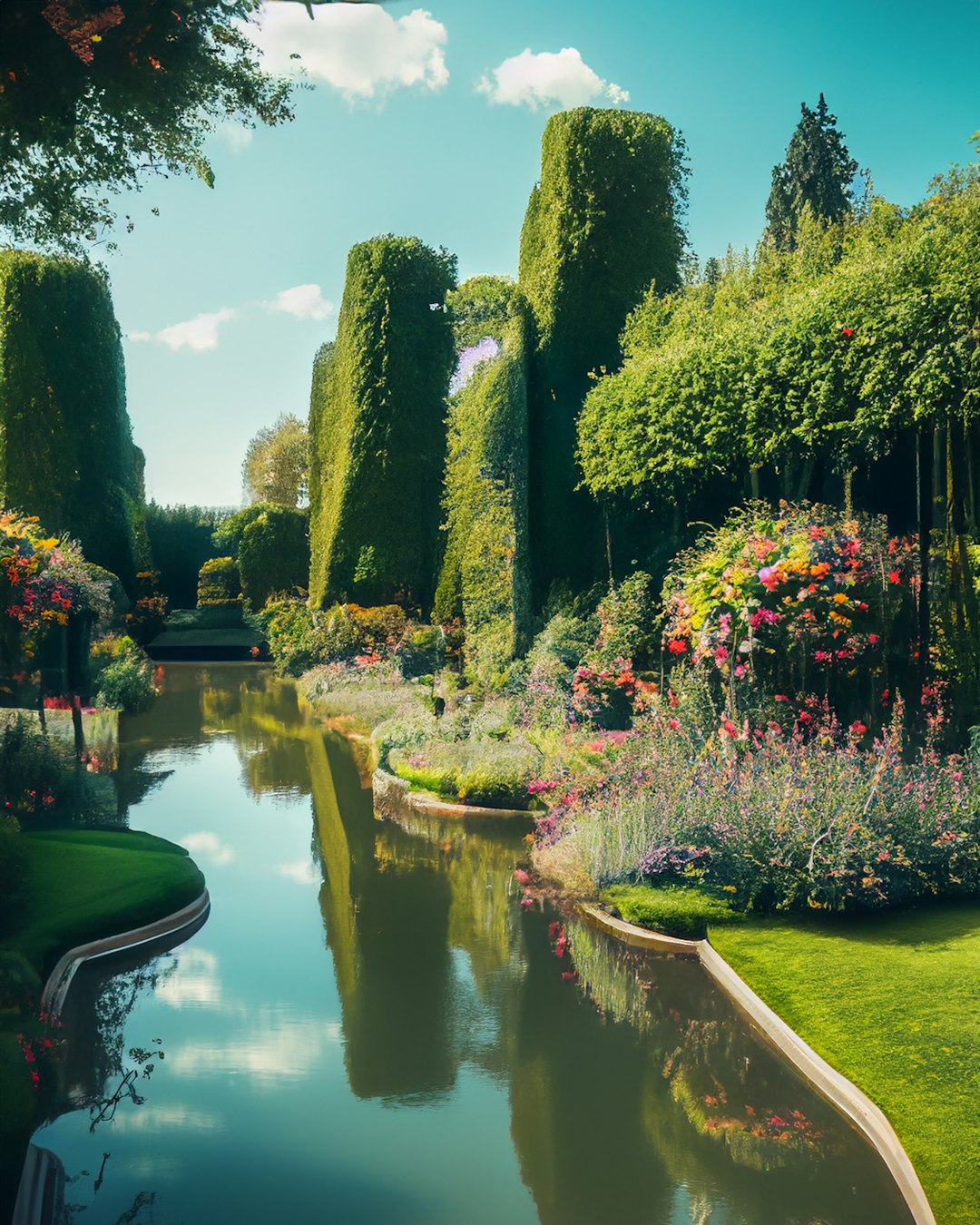
Imagine stepping into a lush, tranquil space where nature’s beauty unfolds in harmonious simplicity. This is the essence of an English garden design.
You might wonder what sets this style apart or why it feels so enchanting. Picture yourself strolling through winding paths, past blooming roses, and under the shade of majestic trees. The subtle charm of an English garden invites you to pause, breathe, and escape the chaos of everyday life.
But how exactly do these gardens create such a captivating experience? By understanding the principles behind this design, you can transform your own outdoor space into a sanctuary of elegance and peace. Ready to uncover the secrets of English garden design and see how it can enrich your life? Let’s dive deeper into this timeless art of gardening.
History Of English Gardens
English gardens have a rich history that dates back centuries, blending nature with art in a way that's both structured and whimsical. They evoke a sense of tranquility and beauty, inviting you to step into a world where every plant and pathway tells a story. But where did this iconic style originate?
Origins In 18th Century
The English garden design began to take shape in the 18th century. This era marked a departure from formal, geometric gardens prevalent in Europe. Instead of rigid lines and precise symmetry, English gardens embraced natural landscapes. Think sweeping lawns, winding paths, and scattered groups of trees. This shift was inspired by the desire to imitate the pastoral beauty of the English countryside.
During a visit to an English garden, I was struck by how effortlessly the landscape seemed to flow. The garden’s design allowed for a sense of freedom and discovery, guiding you to explore its hidden corners. It's this sense of exploration that made English gardens so popular.
Influence Of Romanticism
As Romanticism took hold in the late 18th and early 19th centuries, English gardens evolved further. This cultural movement emphasized emotion, nature, and individualism. Gardens became a reflection of these ideals, featuring wildflowers, secluded spots, and water elements like lakes and streams.
Romanticism encouraged the use of ruins and follies—structures meant to evoke mystery and nostalgia. Such features added depth and intrigue, making each visit an emotional journey. When you wander through these gardens, do you feel the tug of history and imagination?
Your own garden can embrace these principles. Consider adding a winding path or a small pond to mimic the serene beauty of English gardens. Let the natural world inspire your creativity, transforming your space into a personal retreat.
Key Elements
The English garden design offers a blend of beauty and tranquility. This style captures nature’s essence while providing a serene escape. The key elements define its charm and elegance. Each part contributes to a cohesive, delightful landscape.
Natural Landscapes
An English garden thrives on natural landscapes. Soft lines and gentle curves mimic nature’s flow. The garden appears unplanned, yet each plant is carefully chosen. Trees, shrubs, and flowers blend in harmony. Paths meander through lush greenery, inviting exploration.
Water Features
Water features add tranquility to the garden. Ponds, streams, and fountains bring life and sound. The gentle trickle of water soothes the senses. Fish and water plants enhance the natural feel. Reflection pools create a sense of depth and calm.
Classical Architecture
Classical architecture adds elegance to an English garden. Structures like gazebos, pergolas, and benches provide visual interest. They offer spaces to sit and enjoy the garden's beauty. Arbors and trellises guide the eye and support climbing plants. Stone paths and brick walls add timeless charm.
Plant Selection
Choosing the right plants is crucial for an English garden. The charm of these gardens lies in their lush, layered look. The variety of plants creates a tapestry of textures and colors. The key is to blend native species with seasonal flowers.
Native Species
Native plants thrive in English gardens. They adapt well to the local climate and soil. These species require less maintenance and provide natural beauty. Consider plants like foxgloves, primroses, and bluebells. They add authenticity and charm.
Seasonal Color
Seasonal color keeps the garden vibrant year-round. Choose plants that bloom in different seasons. Spring daffodils and tulips bring bright hues. Summer roses and lavender add warmth. Autumn asters and chrysanthemums provide rich tones. Winter evergreens maintain greenery.
Mixing these plants creates a dynamic garden. It ensures continuous interest and beauty. The garden evolves with each season. This makes every visit a new experience.
:strip_icc()/BHG-English-Garden-Design-101648946-cb979dac6007472a84bef6d4c3d1eab1.jpg)
Credit: www.bhg.com
Design Principles
English garden design is a timeless style. It blends natural beauty with structured elegance. The design principles guide the creation of these gardens. They ensure a harmonious and visually pleasing space. These principles help balance nature's wildness and human touch. Let's explore the key elements that shape this enchanting garden style.
Balance And Harmony
Balance and harmony are vital in English garden design. They create a peaceful and inviting atmosphere. Designers use plants of varying heights, colors, and textures. This adds depth and interest. Balancing hard and soft elements is also important. Paths, benches, and statues complement lush greenery. The garden feels welcoming and complete.
Symmetry And Asymmetry
Symmetry and asymmetry play key roles in English gardens. Symmetry offers a formal and structured look. It uses evenly spaced plants and paths. This creates a sense of order and elegance. Asymmetry introduces a more natural feel. It mimics nature's randomness. Designers mix both techniques for unique gardens. This blend adds charm and character.
Famous English Gardens
Famous English gardens offer a glimpse into centuries of horticultural artistry. Each garden tells a unique story through its design and plant selections. These gardens are cherished for their beauty and historical significance. They reflect the charm and elegance of traditional English landscapes.
Kew Gardens
Kew Gardens is a world-renowned botanical garden in London. It spans over 300 acres and hosts an incredible plant collection. Visitors can explore diverse habitats, from rainforests to deserts. The Palm House is a striking Victorian glasshouse filled with tropical plants. The Temperate House is the largest Victorian glasshouse in the world. It houses rare and threatened species from around the globe. Kew Gardens also offers educational programs and seasonal events. It's a UNESCO World Heritage site, preserving plant diversity for future generations.
Sissinghurst Castle Garden
Sissinghurst Castle Garden is located in Kent, England. Vita Sackville-West and Harold Nicolson created this iconic garden in the 1930s. The garden is famous for its romantic and informal design. It features a series of themed "rooms" with different color schemes. The White Garden is particularly beloved for its serene beauty. Visitors can stroll through vibrant borders and historic ruins. The tower offers panoramic views of the surrounding countryside. Sissinghurst Castle Garden remains an inspiration for gardeners worldwide.
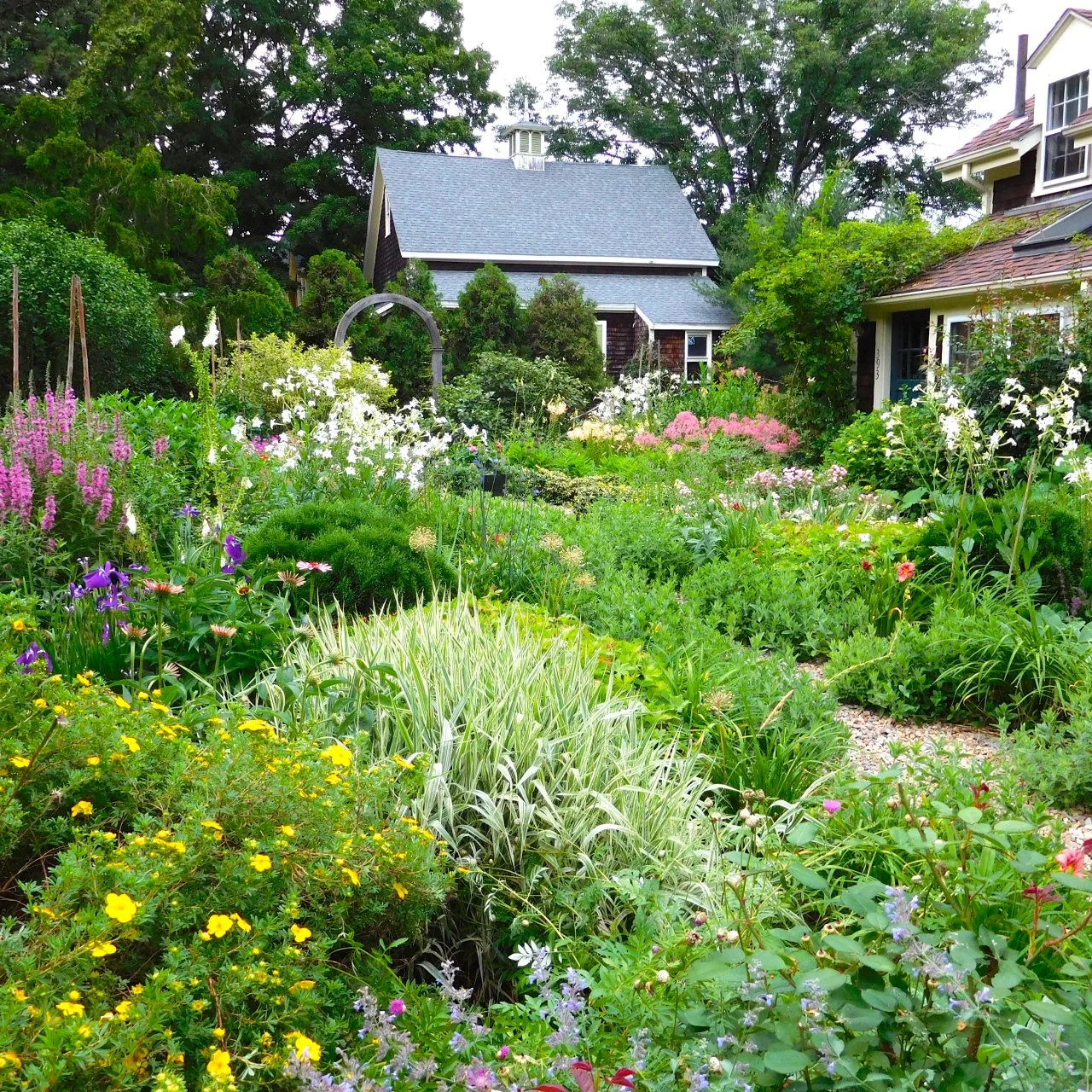
Credit: www.hgtv.com
Modern Adaptations
English garden design blends nature with art, creating picturesque landscapes. Emphasis lies on harmony and balance, featuring lush lawns, vibrant flower beds, and meandering paths. This style embraces a natural, effortless look, making it both charming and serene.
Modern adaptations of English garden design breathe new life into traditional landscapes, blending the charm of the past with the needs of today. These gardens are not just about aesthetics; they reflect the values of modern society. By integrating contemporary elements with classic features, you can create a space that is both beautiful and functional.
Sustainable Practices
Incorporating sustainable practices into your garden can make a significant impact. Consider using native plants that require less water and support local wildlife. This not only reduces your garden's environmental footprint but also enhances its natural beauty. Composting is another simple yet effective way to enrich your soil naturally. By recycling kitchen scraps and garden waste, you can create nutrient-rich compost. This can help your plants thrive while reducing waste. Rainwater harvesting is a practice that can save you money and conserve water. Installing a rain barrel allows you to collect and use rainwater for your garden. It's a smart choice for any modern English garden.
Contemporary Trends
Contemporary trends in garden design often emphasize minimalism. Clean lines and uncluttered spaces can make your garden feel open and inviting. Using modern materials like stainless steel or glass can add a sleek touch to your outdoor area. Vertical gardens are gaining popularity as they offer a solution for small spaces. By growing plants on walls or trellises, you can maximize your garden's potential. These living walls can also improve air quality and add a unique visual element. Incorporating technology into your garden can enhance its functionality. Automated watering systems and smart lighting are just a few ways you can modernize your outdoor space. Imagine controlling your garden's features with just a tap on your smartphone. Have you thought about how these modern adaptations could transform your garden? By blending sustainability with contemporary design, you can create a space that reflects your values and meets your needs. What's your vision for your ideal garden?

Credit: www.youtube.com
Frequently Asked Questions
What Defines An English Garden Design?
An English garden design features lush greenery, winding paths, and vibrant flowers. It focuses on a natural and informal appearance. Key elements include mixed plantings, ornamental structures, and water features. These gardens reflect a harmonious blend of nature and artistry.
How To Create An English Garden?
To create an English garden, start with a mix of perennials and shrubs. Incorporate winding paths and seating areas. Use ornamental structures like arches or benches to add charm. Choose plants that offer seasonal interest and color. Ensure the garden layout feels organic and inviting.
What Plants Are Common In English Gardens?
Common plants in English gardens include roses, lavender, and foxgloves. Shrubs like boxwood and hydrangeas are popular choices. Perennials such as delphiniums, peonies, and hollyhocks add vibrant colors. These plants thrive in temperate climates and provide a classic English garden feel.
Are English Gardens Low Maintenance?
English gardens can be low maintenance with careful planning. Choose hardy plants suited to local climate conditions. Opt for perennials that require minimal care. Regular pruning and mulching help maintain the garden's appearance. Balance plant diversity for a sustainable, low-maintenance garden.
Conclusion
An English garden design brings charm and tranquility to any space. Its natural look mixes colorful flowers, lush greenery, and neat paths. Such gardens create a calm, peaceful retreat. They also offer a welcoming vibe with their informal style. Anyone can enjoy the beauty and relaxation they provide.
A well-planned English garden fits small yards or large estates. It’s about balance and harmony, making it perfect for nature lovers. This timeless design connects people with nature. Start your garden journey today and enjoy its serene beauty. Your own slice of English tradition awaits.


