
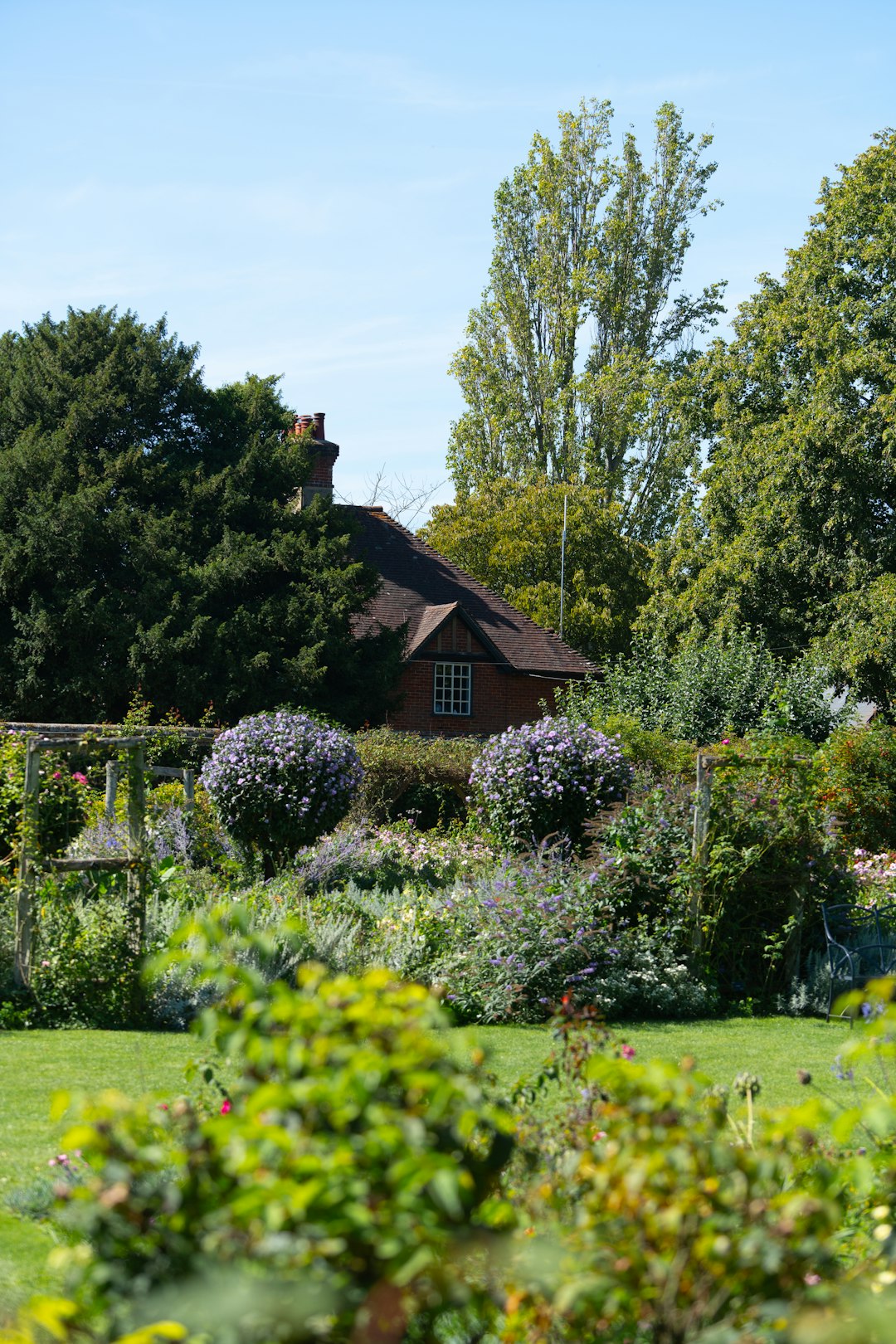
Imagine stepping out of your door into a vibrant tapestry of colors, where every path leads you through a whimsical maze of blooms and greenery. Your large front yard holds the potential to become a breathtaking English cottage garden, a place where nature’s beauty embraces you every day.
You might be wondering how to transform your sprawling space into this charming paradise, and that's exactly what we're here to explore. Creating an English cottage garden isn't just about planting flowers; it's about crafting an enchanting escape right outside your home.
With the right planning, creativity, and a dash of inspiration, you can turn your front yard into a picturesque oasis that captivates the senses and refreshes the spirit. But how do you start? What plants should you choose? How can you maintain that perfect balance of wild yet wonderfully curated? In this guide, we'll unravel the secrets to landscaping your large front yard into a stunning English cottage garden. You'll discover tips and tricks that not only simplify the process but also ensure that your garden becomes a personal sanctuary for you and a visual delight for anyone who passes by. Ready to dig in and cultivate your dream garden? Let's get started!
Design Principles
Transform your large front yard into an English cottage garden with thoughtful design principles. Balance vibrant flowers and lush greenery. Incorporate winding pathways and cozy seating areas. Focus on harmony and color. Create a peaceful, inviting space for all seasons.
Designing a large front yard English cottage garden can seem like a daunting task. Yet, understanding basic design principles can simplify the process. These principles help create a space that feels both charming and cohesive, allowing you to transform your yard into a picturesque retreat.
Embrace Natural Flow
Start by observing how people naturally move through your yard. Are there existing paths that people already take? Use these as a basis for your garden paths to keep the flow organic. Think about the curves and lines in nature. Straight lines can look harsh, while gentle curves invite exploration. Consider adding meandering pathways that draw visitors in and encourage them to explore further. Your plants can guide this natural flow. Taller plants can act like walls, creating rooms or sections within the garden. Lower plants can be used to define pathways or borders, subtly guiding movement without feeling restrictive.
Balance And Symmetry
Balance doesn't mean everything has to be perfectly matched. Consider the weight and volume of your plants. A large shrub on one side can be balanced by a cluster of smaller plants on the other. Symmetry can bring a sense of order to a large space. You might place matching plantings on either side of a path or entrance. But don't be afraid to mix things up a bit to keep it interesting. Reflect on how you feel in different parts of the garden. Are there areas that feel too empty or too crowded? Adjusting the balance can change how inviting your garden feels, making it a place you and others will want to linger. Think about the balance between hardscapes and plants. Does a stone path need a companion of soft, flowing flowers? Your garden should feel like a seamless blend of all its elements, creating harmony in every corner. What do you feel when you step into your garden? Is there a particular area that draws you in or feels out of place? By focusing on these design principles, your garden can become a living canvas, ever-changing with the seasons and your creativity.
Choosing Plants
Selecting the right plants breathes life into a large front yard English cottage garden. Consider hardy perennials like lavender and foxglove for a touch of elegance. Adding roses and hydrangeas will create a vibrant and timeless charm.
Choosing the right plants is a crucial step in creating an enchanting English cottage garden in your large front yard. The plant choices can transform your space into a vibrant display of color and texture, echoing the charm and whimsy of traditional English gardens. By selecting plants wisely, you can ensure your garden is not only beautiful but also sustainable and easy to maintain.
Native Plant Selection
Opting for native plants can be a game-changer. They are naturally adapted to your local climate, which means they require less water and care. Plus, they support local wildlife by providing food and habitat. Consider plants like lavender, which thrives in various climates and adds a lovely fragrance. Foxgloves and hollyhocks can provide height and drama, while English daisies offer a cheerful ground cover. Visit a local nursery and discuss with experts about the best native plants for your garden.
Color And Texture Combinations
Color and texture breathe life into your garden. The magic lies in how you mix and match them to create visual interest and harmony. Have you ever noticed how a blend of soft pastels can evoke a serene feeling, while bold, vibrant colors excite the senses? Try pairing the soft pinks of roses with the deep purples of salvia. The contrast can be striking yet harmonious. For texture, combine the feathery foliage of ferns with the broad leaves of hostas. Experiment with different plant heights and leaf shapes to add depth and intrigue to your garden. By thoughtfully choosing plants that suit both your aesthetic and environmental needs, you can create a stunning English cottage garden that feels like a timeless escape. What plants will you choose to bring your garden vision to life?
Creating Pathways
Creating pathways in a large front yard cottage garden enhances its charm. Paths guide the visitor, leading them through the lush greenery. They offer structure, ensuring every corner is easily accessible. The right path materials and design make a significant difference.
Materials For Paths
Choose materials that complement the garden's rustic feel. Gravel gives a natural look, perfect for informal gardens. Cobblestones are durable and add a vintage touch. Bricks provide a classic appearance, ideal for English gardens. Consider maintenance and weather conditions before deciding.
Curved Vs. Straight Paths
Curved paths create a sense of mystery and intrigue. They mimic natural lines and soften the garden's overall look. Straight paths offer a more formal and structured appearance. They guide visitors directly from point A to B. Choose based on the garden's style and the desired mood.
Incorporating Water Features
Enhance your large front yard English cottage garden by incorporating water features. A small pond or fountain can add charm and tranquility. These elements blend well with blooming flowers and lush greenery, creating a serene atmosphere.
Incorporating water features in your large front yard English cottage garden can transform an ordinary space into a serene oasis. Water features add movement and sound, attracting wildlife and creating a peaceful atmosphere. Imagine walking through your garden, the gentle sound of trickling water providing a soothing backdrop. Let's explore how you can bring this tranquil element into your garden design.
Types Of Water Features
When considering water features, variety offers endless possibilities for your garden's aesthetic. A classic choice is a pond, which can be home to lilies and fish, adding life and color. If space is limited, a birdbath is a compact option that invites feathered visitors, enhancing the garden's charm. Fountains are another popular choice. They come in various styles, from rustic stone to sleek modern designs, fitting any theme you envision. If you prefer something unique, consider a stream or a waterfall. These options create a naturalistic feel, mimicking the beauty of nature. What type of water feature resonates with your garden vision?
Placement And Maintenance
Strategic placement of water features is crucial for enhancing your garden's aesthetic. Place them in view from windows or patios, where you spend time relaxing, to maximize enjoyment. Consider the sun's path—too much direct sunlight can promote algae growth in ponds. Maintenance ensures your water feature remains a garden highlight, not a headache. Regular cleaning prevents debris build-up and keeps the water clear. For ponds, invest in a good filtration system to maintain water quality. Fountains and birdbaths need periodic scrubbing to remove algae and dirt. Have you thought about how often you're willing to maintain your water feature? Regular care will keep your garden's centerpiece stunning and inviting. Incorporating water features into your English cottage garden doesn't just enhance its beauty; it invites tranquility and life into your outdoor space. Take the plunge and see how these elements transform your garden into a personal haven.
Building Garden Structures
Creating structures in your cottage garden can transform the space. They add depth, charm, and functionality. Structures like arbors, trellises, and seating areas can enhance your garden's beauty. Each offers a unique way to enjoy your outdoor area.
Arbors And Trellises
Arbors invite guests into your garden. They act as gateways, leading the way. Choose materials that blend with your garden style. Wood, metal, or stone can suit different looks. Cover them with climbing roses or vines. This provides shade and adds color overhead.
Trellises offer support for plants. They can define spaces or guide pathways. Place them strategically for privacy or decoration. Wisteria or clematis can create lovely displays. These structures can become focal points in your garden.
Seating And Rest Areas
Seating areas encourage relaxation. Place benches under trees or near flower beds. Use natural materials for a rustic feel. Stone or wood benches blend well with cottage gardens. Add cushions for comfort and style.
Create rest areas for quiet moments. Small tables can hold books or tea cups. Arrange chairs to face garden views. These spots can become favorite places to unwind. Enjoy the peaceful surroundings in your garden oasis.
Seasonal Planting Tips
Creating an English cottage garden in a large front yard requires careful planning. Each season brings its own charm and challenges. By understanding seasonal planting, you can ensure year-round beauty. Let's explore some essential tips for each season.
Spring And Summer Blooms
Spring welcomes vibrant life into your garden. Consider planting daffodils and tulips for early color. These bulbs thrive in the cool spring air. As summer approaches, introduce roses and peonies. Their lush blooms bring elegance and fragrance. Hydrangeas can also add a splash of color. They thrive in the summer sun and provide a romantic touch.
Fall And Winter Interest
Fall is perfect for planting asters and chrysanthemums. They add rich hues to your garden as the air cools. Planting evergreens provides year-round structure. Boxwoods and hollies maintain their green color through the winter. For additional winter interest, consider red-twig dogwood. Its vibrant stems stand out against the snow. Add ornamental grasses for texture and movement. Their plumes sway beautifully in the winter breeze.
Sustainable Gardening Practices
Creating a large front yard English cottage garden requires sustainable gardening practices. These practices preserve the environment and enhance the garden's beauty. They ensure healthy soil, conserve water, and protect local wildlife. This section explores effective strategies for sustainable gardening.
Water Conservation Techniques
Water conservation is crucial for sustainable gardening. Use rain barrels to collect rainwater from rooftops. This stored water is perfect for watering your plants. Drip irrigation systems deliver water directly to the plant roots. This minimizes evaporation and water waste.
Mulch is another great tool for conserving water. It retains moisture in the soil, reducing the need for frequent watering. Choose native plants that thrive in your local climate. They require less water and are more resilient.
Eco-friendly Pest Control
Managing pests in an eco-friendly way protects your garden. Encourage beneficial insects like ladybugs and spiders. They naturally control pests without harming plants. Planting marigolds and basil can repel unwanted insects.
Use organic sprays made from natural ingredients. Garlic and peppermint oils deter pests effectively. Regularly inspect plants for signs of infestation. Early detection helps in controlling pests before they spread.
Companion planting is another effective technique. It involves planting certain crops together to repel pests. For example, planting onions near carrots can keep carrot flies away.
Enhancing Curb Appeal
Transforming a large front yard into an English cottage garden enhances curb appeal with colorful blooms and greenery. Choose native plants and mix them with fragrant flowers for a welcoming look. Add winding paths and charming features like a wooden bench or birdbath to complete the inviting scene.
Enhancing curb appeal in a large front yard English cottage garden is like painting a masterpiece. Every element you add plays a significant role in creating a welcoming and charming environment. Whether it's the soft glow of lighting or the defined structure of fencing, each piece contributes to the garden's overall beauty and allure. Imagine walking into your garden and feeling instantly at home, enveloped by its serene elegance.
Lighting And Accessories
Strategic lighting can transform your garden into a magical space. Consider adding solar-powered lanterns along pathways to guide visitors with a gentle glow. Accent lighting can highlight special features like a blooming rose bush or a quaint stone bench, making them stand out even during twilight. Accessories such as vintage garden signs, bird baths, and wind chimes can add personality and charm. These elements not only enhance visual appeal but also engage the senses, offering sounds and sights that delight.
Fencing And Borders
Fencing is more than just a boundary; it sets the stage for your garden. A classic wooden fence can provide a rustic look, while wrought iron adds elegance. Borders help define spaces within your garden. Use natural stone or brick to create pathways or separate flower beds. Consider planting hedges or lavender along the borders to add a splash of color and fragrance. These elements guide the eye and invite exploration, making the space feel structured yet inviting. As you design your garden, think about how each addition contributes to the narrative of your home. What story do you want it to tell?
Frequently Asked Questions
What Plants Suit An English Cottage Garden?
Choose plants with a mix of colors and textures. Consider roses, lavender, and foxgloves. These traditional choices add charm and fragrance. Incorporate herbs like rosemary for an authentic touch. Layer plants for a lush look. Ensure they thrive in your climate for a flourishing garden.
How To Create Garden Pathways?
Use materials like gravel, brick, or cobblestones. These complement cottage garden aesthetics. Curved pathways enhance the natural look. Ensure paths are wide enough for easy access. Integrate stepping stones for a rustic feel. Regular maintenance keeps them safe and neat.
Can I Include A Water Feature?
Yes, water features enhance tranquility. Opt for a small pond or fountain. They add visual interest and attract wildlife. Ensure proper drainage and safety measures. Choose a feature that matches your garden's size. Regular cleaning keeps them functional and appealing.
How To Maintain A Cottage Garden?
Regular pruning encourages healthy growth. Remove weeds promptly to prevent overcrowding. Use organic mulch to retain moisture. Fertilize plants seasonally for vibrant blooms. Monitor for pests and diseases. Adapt maintenance routine to plant species and local climate.
Conclusion
Creating a large English cottage garden is rewarding. It adds charm and beauty to your front yard. Start with a clear plan. Choose plants that thrive in your climate. Mix flowers and shrubs for texture. Add paths for easy access and interest.
Use benches or arches for focal points. Remember to maintain regularly. Trim, water, and care for your plants. Enjoy the tranquility and charm of your garden. It becomes a peaceful retreat. Your hard work will pay off. Neighbors will admire your beautiful landscape.
Enjoy your beautiful English cottage garden.


