Have you ever found yourself staring at your backyard or balcony, wondering if now is the right time to start planting a garden? Whether you're an experienced gardener or a complete beginner, the thought of nurturing your own plants can be both exciting and daunting.
You might be asking yourself, "Can I plant a garden now? " The answer isn't as simple as it seems, and that's exactly why you're here. Imagine stepping outside to pick fresh herbs for dinner, or enjoying vibrant flowers that brighten your day.
The good news is, with the right information, you can turn that vision into reality. Your garden can become a source of joy and relaxation, but timing is key. Before you dig into the soil, it's crucial to understand what makes the perfect planting time for your specific location and garden type. We'll explore the factors that determine the best time to plant a garden, tailored to your unique circumstances. From seasonal weather patterns to soil readiness and plant types, we'll cover everything you need to know to make informed decisions. Let’s dive in and ensure your gardening efforts flourish from the very start.
Choosing The Right Season
Gardening success starts with picking the right season. Seasons affect plant growth. Some plants love the warmth. Others thrive in cool weather. Understanding the best time to plant helps ensure a bountiful garden. Let's dive into how seasons affect planting.
Understanding Climate Zones
Climate zones dictate what plants grow best in your area. The world divides into different zones. Each zone has unique temperature ranges. Knowing your climate zone helps you choose suitable plants. Warmer zones suit tropical plants. Cooler zones favor hardy, frost-resistant varieties.
Find your zone using an online map. It guides you to plant choices that thrive. This knowledge helps you avoid planting mistakes. It increases your chances of a successful garden.
Seasonal Planting Guides
Each season offers unique planting opportunities. Spring is perfect for vegetables like peas and lettuce. Summer suits tomatoes and peppers. Fall is great for root vegetables and leafy greens. Winter can host hardy crops like kale.
Use a planting guide tailored to your climate zone. It provides a calendar of what to plant and when. This ensures you plant at the optimal time. It leads to healthier plants and better yields.
Follow these guides for a thriving garden. They simplify the planning process. Enjoy the rewards of your efforts with a garden that flourishes year-round.
Spring Planting Tips
Spring offers an ideal time for planting. Cool temperatures help seeds sprout better. Prepare soil by removing weeds. Choose plants suited for your climate. Water regularly to ensure growth. Enjoy the beauty of your garden as it blossoms.
Spring is the perfect time to get your hands dirty and start planting your garden. The warming weather and longer daylight hours create an ideal environment for nurturing new life. Whether you're a seasoned gardener or a beginner, spring offers a fresh opportunity to grow vibrant vegetables and colorful flowers. Here are some tips to make your spring planting successful and rewarding.
Best Spring Vegetables
Spring is the time to plant fast-growing vegetables like radishes, lettuce, and spinach. These veggies thrive in cooler temperatures and can be harvested quickly, giving you a sense of accomplishment early in the season. Consider planting peas and carrots too. They love the mild spring weather and will be ready to enjoy as summer approaches. Imagine snacking on homegrown snap peas while watching your garden grow. Have you thought about trying kale? It's a hardy vegetable that can withstand late frost. Plus, it's packed with nutrients and adds a fresh crunch to your salads.
Spring Flower Choices
Brighten your garden with daffodils and tulips. These early bloomers add a splash of color and are easy to care for. Their cheerful appearance is a delightful welcome after a long winter. Think about planting pansies and violas. These flowers are not only beautiful but also edible. You can toss them in your salad for an unexpected burst of color and flavor. What about marigolds? They not only bring vibrant hues but also help keep pests away. Their sunny disposition can enhance any garden space.
Spring Soil Preparation
Before planting, assess your soil condition. Is it compacted after winter? Loosen it up with a garden fork to help roots grow easily. Add organic matter like compost or aged manure to enrich the soil. This boosts nutrients and improves drainage, setting a strong foundation for your plants. Have you tested your soil pH? Knowing whether it's acidic or alkaline can guide you in adding lime or sulfur to balance it. Healthy soil means healthier plants. Spring is a time of growth and renewal, and your garden can reflect that. With thoughtful planning and care, your garden will flourish. What will you plant this spring?
Summer Gardening Advice
Summer brings unique challenges to gardening. The intense heat and dry conditions test even experienced gardeners. Yet, with the right strategies, you can thrive. Choose plants that love the sun. Master effective watering techniques. Keep pests at bay. Your garden can flourish in the summer.
Heat-resistant Plants
Choose plants that withstand high temperatures. Consider cacti, succulents, and lavender. These plants love the sun. They require less water and care. Marigolds and zinnias also do well in the heat. Their bright colors add beauty to your garden. They also repel certain pests. Plant these for a vibrant, low-maintenance garden.
Watering Techniques
Water your garden early in the morning. This reduces evaporation from the sun. Use a drip irrigation system for efficiency. It delivers water directly to the roots. Mulching helps retain soil moisture. It also keeps roots cool. Check soil moisture regularly. Adjust watering based on plant needs. Avoid overwatering to prevent root rot.
Pest Control In Summer
Pests thrive in warm weather. Use natural predators like ladybugs and birds. They help control pest populations. Neem oil is effective against many pests. It is safe for plants and beneficial insects. Regularly inspect plants for signs of infestation. Remove affected leaves to prevent spread. Keep your garden healthy and pest-free.
Autumn Garden Preparation
Autumn is a great time to prepare your garden for future growth. Cooler temperatures make gardening more enjoyable. You can set the stage for a productive spring. By focusing on key tasks, you can ensure a bountiful harvest. Let's dive into the essentials of autumn garden preparation.
Cool-weather Vegetables
Many vegetables thrive in the cool autumn air. Consider planting kale and spinach. These greens love cooler temperatures and will grow well. Broccoli and Brussels sprouts also do well in fall. They can handle light frost and continue to mature. Start by clearing out old plants to make room. Ensure your soil is loose and enriched. This will help roots establish quickly.
Planting Bulbs For Spring
Autumn is the perfect time to plant spring bulbs. Tulips and daffodils are popular choices. Plant them before the ground freezes. This gives them time to develop roots. Choose a sunny spot in your garden. Well-drained soil is best for these bulbs. Plant bulbs at a depth of two to three times their height. Cover them with soil and water well.
Composting And Soil Enrichment
Composting enriches your soil naturally. Autumn leaves make great compost material. Collect them to add to your compost bin. Kitchen scraps like fruit peels work well too. Mix these with garden waste for balance. Turn your compost pile to speed up decomposition. Add compost to your garden beds in autumn. It improves soil quality and structure.
Winter Gardening Strategies
Planting a garden in winter might seem challenging, but it's possible with the right strategies. Choose hardy plants that thrive in colder temperatures. Focus on root vegetables like carrots and onions, or try growing winter herbs indoors.
When the air gets chilly and the days grow short, the thought of tending to a garden might seem impossible. Yet, with some clever strategies, winter can be a fruitful season for gardeners. You can embrace winter gardening by considering indoor options, protecting your plants from frost, and making plans for the next growing season. Let’s dig into these strategies to keep your green thumb active all year round.
Indoor Gardening Ideas
Winter doesn't mean you have to stop growing plants. Indoor gardening offers a fantastic way to keep your gardening spirit alive. Consider growing herbs like basil or mint on your kitchen windowsill. They don't just add greenery to your space; they also provide fresh ingredients for your meals. Houseplants like pothos or snake plants thrive indoors and require minimal care. You can also experiment with growing vegetables like lettuce or spinach in pots. A friend of mine started growing cherry tomatoes on her balcony during winter, and they provided a surprising yield. What will you try growing indoors this winter?
Protecting Plants From Frost
Frost can be a gardener's worst enemy during winter. However, some simple strategies can protect your outdoor plants. Cover your plants with burlap or frost cloth at night to shield them from freezing temperatures. Ensure the covering doesn’t touch the plants directly; use stakes if needed. Mulching is another effective way to insulate the soil and preserve warmth. A layer of straw or shredded leaves can keep your plants snug. Have you tried using old bedsheets to cover plants? It's a handy trick if you're in a pinch.
Planning For The Next Season
Winter is the perfect time to plan your garden for the next season. Reflect on what worked well last year and what you might want to change. Consider the types of vegetables or flowers you want to grow and start sketching a layout. You can also use this time to order seeds and research new plant varieties. Make a list of tools or supplies you need to replace or upgrade. By planning now, you’ll be ready to hit the ground running when spring arrives. What’s on your list for the upcoming season?
Tools And Resources
Embarking on a gardening journey requires the right tools and resources. These essentials can make your planting experience smooth and successful. With the correct equipment and guidance, anyone can nurture a thriving garden.
Essential Gardening Tools
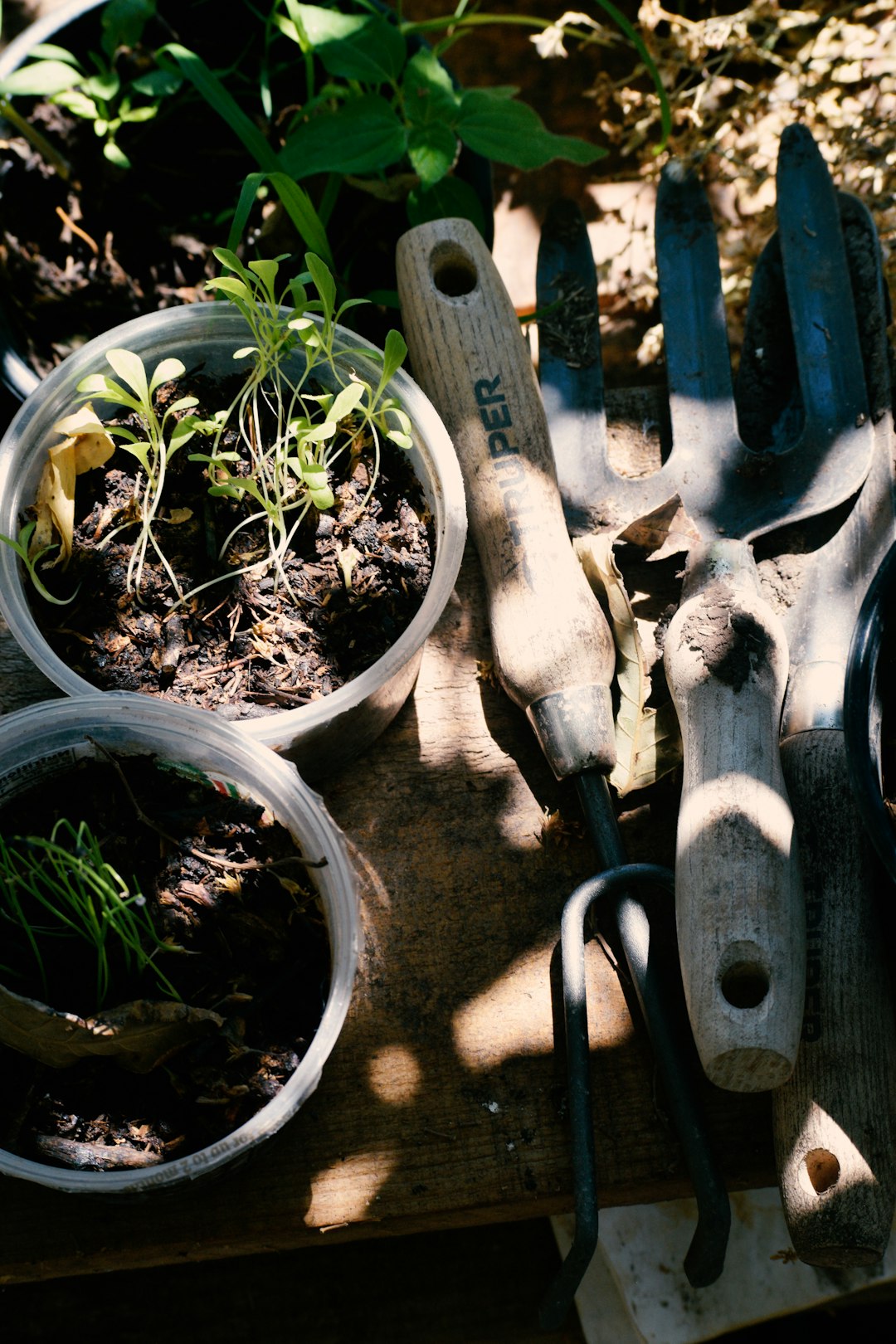
A trowel is perfect for digging small holes. It helps in transplanting seedlings. Use a hoe to break up soil and remove weeds. Pruners are vital for trimming plants. They help maintain their health. A watering can is essential for hydrating your garden. It ensures plants get adequate moisture. Gloves protect your hands from thorns and dirt. Always keep them handy.
Online Gardening Resources
Many websites offer valuable gardening tips. They cater to beginners and experts alike. YouTube channels provide visual guides and tutorials. Watching them enhances your gardening skills. Online forums are great for connecting with fellow gardeners. Share experiences and learn from others. Gardening apps track your garden's progress. They offer reminders for watering and fertilizing.
Local Gardening Communities
Join local gardening clubs for social support. Members share advice and plant exchanges. Community gardens offer space for urban gardeners. These are perfect for those lacking yard space. Attend workshops to learn new techniques. These events foster a sense of community. Local nurseries host events and sales. They provide opportunities to buy local plants.
Frequently Asked Questions
When Is The Best Time To Start Planting?
The best time to start planting depends on your local climate. Generally, early spring or late fall are ideal. Research your area's frost dates to ensure your plants thrive. Consider factors like sunlight, soil quality, and weather patterns for optimal growth.
Can I Garden In Winter?
Yes, you can garden in winter, but choose hardy plants. Consider using greenhouses or indoor setups. Cold-resistant vegetables like kale and carrots thrive. Protect plants from frost and ensure adequate sunlight. Plan winter gardening carefully for successful growth.
What Should I Plant In Spring?
Spring is ideal for planting vegetables like peas, lettuce, and carrots. Flowers such as tulips and daffodils also thrive. Ensure the soil is warm and frost risk is low. Use organic fertilizers to boost plant health. Regular watering and sunlight are essential.
How Do I Prepare Soil For Gardening?
To prepare soil, clear debris and test its pH level. Add organic matter like compost to enrich nutrients. Ensure good drainage and aerate the soil for root growth. Mix in fertilizers if needed. Preparing soil properly enhances plant health and yields.
Conclusion
Starting a garden can be rewarding. Choose plants suited for your climate. Consider soil type and sunlight. Fall is perfect for some plants. Spring works for others. Research what grows best now. Enjoy the process and watch your garden thrive.
Gardening teaches patience and care. It’s a journey, not just a task. Connect with nature and feel its beauty. Whether vegetables or flowers, every plant adds life. Your garden may start small. With time, it grows into a lush paradise.
Keep learning and adjusting. Your efforts will bloom into success. Happy planting!