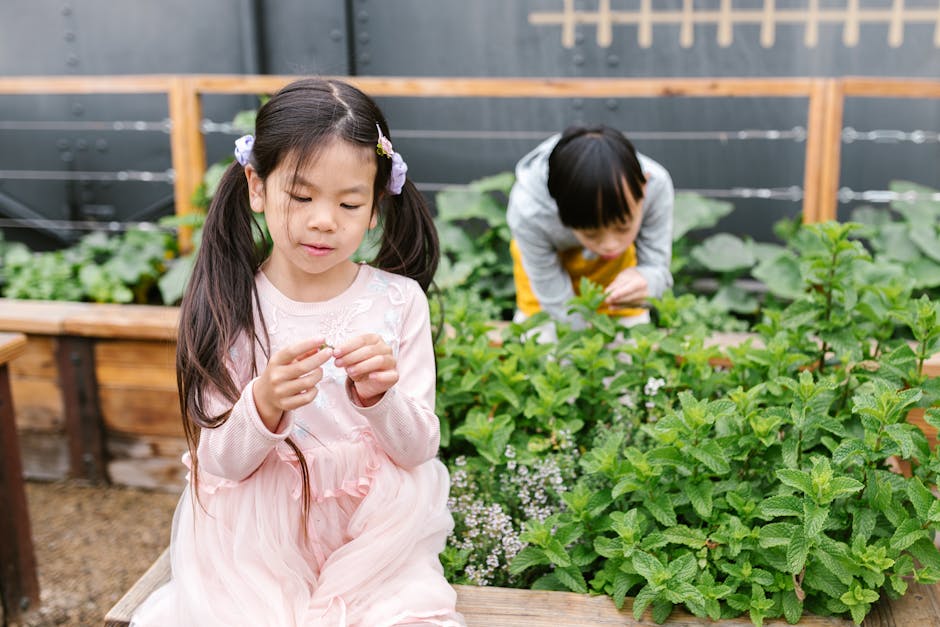
Imagine stepping into your garden and being greeted by the invigorating aroma of fresh mint. This versatile herb not only adds a burst of flavor to your dishes but also brings a refreshing scent to your outdoor space.
But here's the thing: mint is known for its enthusiastic growing habits, and if planted incorrectly, it can quickly take over your garden. The key is knowing exactly where to plant it so you can enjoy its benefits without it becoming a garden bully.
You're about to discover the perfect spots to let mint thrive while keeping your garden beautifully balanced. Curious to learn more? Let's dive in and uncover the secrets to successful mint planting in your garden.
Choosing The Right Location
Mint is a versatile herb that thrives in various garden spots. Placing mint in the right location ensures healthy growth. Proper placement helps mint to flourish and spread. Understanding the needs of mint is essential for successful planting.
Sunlight Requirements
Mint prefers a spot with partial sunlight. It grows well in areas with 4 to 6 hours of sun. Too much direct sunlight can dry out the plant. Choose a location with morning sun and afternoon shade. This balance keeps the mint healthy and vibrant.
Ideal Soil Conditions
Mint thrives in rich, well-drained soil. It prefers slightly acidic to neutral pH. Ensure the soil is moist but not soggy. Good drainage prevents root rot and keeps the mint happy. Adding organic matter can enhance soil fertility. Rich soil supports robust mint growth.
Considering Space And Size
Considering space and size is crucial for planting mint in your garden. Mint spreads quickly and can overtake other plants. Proper planning ensures healthy growth and prevents crowding. Understanding the space and size requirements can lead to a thriving mint garden.
Spacing For Optimal Growth
Mint needs space to spread its roots and leaves. Each plant requires at least 18 inches of space. This prevents overcrowding and allows air circulation. Good air flow reduces the risk of disease. Adequate spacing leads to a healthier, more productive plant.
Container Vs. Ground Planting
Plant mint in containers to control its spread. Containers restrict root growth, preventing the plant from taking over. They also make it easier to move the plant if needed. Choose a container with good drainage holes.
Ground planting allows mint to spread naturally. Choose a location where spreading won't harm other plants. Use barriers or separate the plant from other garden areas. This ensures mint doesn't overrun your garden.
Assessing Water Access
Mint thrives with the right amount of moisture. Too much water can harm it. Too little water can stunt its growth. Understanding water access helps ensure healthy mint plants.
Proximity To Water Sources
Plant mint near a reliable water source. This makes watering easier and consistent. Close access means less effort in maintaining moisture levels. Gardens with nearby taps or irrigation systems are ideal. Avoid areas too far from water points.
Drainage Needs
Mint requires soil that drains well. Poor drainage leads to root rot. Check the soil's ability to drain after watering. Raised beds or pots help improve drainage. Sandy soils work well for mint, providing good drainage. Avoid areas with heavy clay soil.
Evaluating Climate Factors
Understanding climate factors is crucial for planting mint. Mint thrives in specific conditions. Evaluating these factors ensures healthy growth and abundant harvests. Let's explore how temperature and humidity influence mint's growth.
Impact Of Temperature
Mint prefers moderate temperatures for optimal growth. It thrives in temperatures between 60°F and 70°F. Too much heat can stress the plant. This may stunt its growth. Cold temperatures can damage mint. Frost can kill the plant entirely. Choose a location where temperatures remain stable. This ensures mint remains healthy and productive.
Humidity Considerations
Humidity levels play a significant role in mint's growth. Mint enjoys environments with moderate humidity. High humidity can lead to fungal diseases. This harms the plant's leaves and stems. Low humidity can dry out the plant. Ensure the soil remains moist but not waterlogged. Proper watering techniques can help maintain ideal humidity. This supports mint's lush and vibrant growth.
Companion Planting Benefits
Plant mint near tomatoes, cabbage, or peas to deter pests and enhance growth. Its strong aroma confuses insects, protecting neighboring plants. Keep mint in a pot to prevent it from overtaking the garden.
Mint is a versatile herb. It thrives in many garden settings. Planting mint with other plants can be beneficial. This practice, known as companion planting, offers several advantages. Mint can enhance growth and protect other plants. It can deter pests and improve flavor. Understanding which plants work well with mint is key.
Plants That Complement Mint
Mint supports various garden plants. Tomatoes grow well near mint. Mint repels harmful insects. It can improve tomato health. Carrots also benefit from mint. Mint enhances carrot flavor. Cabbage is another good companion. Mint helps prevent cabbage pests. These plants all benefit from mint's protective qualities.
Avoiding Competitive Species
Mint can be invasive. It competes for space and nutrients. Avoid planting mint near lavender. Lavender needs dry soil. Mint prefers moist conditions. Avoid planting mint near rosemary. Rosemary also needs dry soil. Mint can overshadow other herbs. Basil struggles near mint. It needs space to grow. Ensure mint does not dominate your garden.
Managing Pests And Diseases
Plant mint where it gets morning sunlight and afternoon shade. This placement helps reduce pests and diseases. Mint thrives in well-drained soil, keeping its roots healthy and strong.
Managing pests and diseases in your mint garden is crucial for healthy growth and abundant harvest. Mint, with its refreshing aroma and flavor, is a favorite among gardeners and culinary enthusiasts alike. However, its lush leaves can attract unwanted visitors. Understanding the common threats and employing natural control methods can make a world of difference. Let’s dive into how you can protect your mint plants and keep them thriving throughout the season.
Common Threats To Mint
Mint is generally a hardy plant, but it isn't immune to pests and diseases. Aphids, spider mites, and flea beetles are common culprits that love munching on mint leaves. These pests can cause the leaves to wilt, curl, or develop unsightly spots. Fungal infections like powdery mildew can also pose a threat, especially in humid conditions. It appears as a white, powdery coating on the leaves and stems, hindering the plant's growth. Keep an eye out for rust as well. This fungal disease creates orange pustules on the undersides of leaves, eventually leading to leaf drop. Regularly inspecting your mint plants can help catch these issues early.
Natural Pest Control Methods
Are you looking for eco-friendly ways to control pests in your mint garden? Start by encouraging beneficial insects like ladybugs and predatory wasps, which naturally keep pest populations in check. Companion planting is another effective strategy. Planting mint near garlic or onions can deter many common pests. Their strong scents confuse and repel unwanted visitors. You can also make a homemade insecticidal soap by mixing water with a few drops of dish soap. Spray this solution on affected leaves to control aphids and other soft-bodied insects. Remember to test it on a small area first to ensure it doesn't harm your plants. Why not share your experience with mint pests? What methods have worked for you? Your insights could help fellow gardeners protect their mint crops. By using these natural methods, you not only protect your mint but also contribute to a healthier ecosystem. Happy gardening!
Frequently Asked Questions
Where Is The Best Place To Plant Mint?
Mint thrives in a sunny location with partial shade. Choose a spot with well-draining soil to prevent root rot. It's ideal to plant mint in a contained area to prevent it from spreading uncontrollably. Raised beds or containers are excellent options for managing growth.
Can Mint Grow In Shade?
Mint can tolerate partial shade but prefers sunlight. In shady areas, mint growth may be slower and less vigorous. Ensure the soil remains moist for optimal growth. Too much shade might affect the flavor intensity of the mint leaves, making them less aromatic.
How Far Should Mint Be Planted From Other Plants?
Plant mint at least 12-24 inches away from other plants. This spacing prevents mint from overtaking nearby plants. Its invasive nature can crowd out other herbs and vegetables. Consider using barriers or planting in containers to control its spread effectively.
Is It Necessary To Plant Mint In Containers?
Planting mint in containers is highly recommended. This practice helps manage its invasive growth. Containers prevent mint from spreading uncontrollably in your garden. Additionally, they allow you to move the plant easily to adjust sunlight exposure or protect it from harsh weather conditions.
Conclusion
Planting mint in your garden is a smart choice. It grows well in sunny spots. Shade is also fine. Ensure the soil is moist and rich. Mint thrives with regular watering. Space plants to prevent overcrowding. This helps them grow stronger.
Use pots to control spreading. Mint can overtake garden beds. Enjoy fresh mint for cooking and drinks. It's a lovely addition to any garden. Easy to grow. Easy to maintain. Perfect for beginners and experts alike. Start planting mint today.
Experience its benefits in your garden. A rewarding herb to cultivate.