
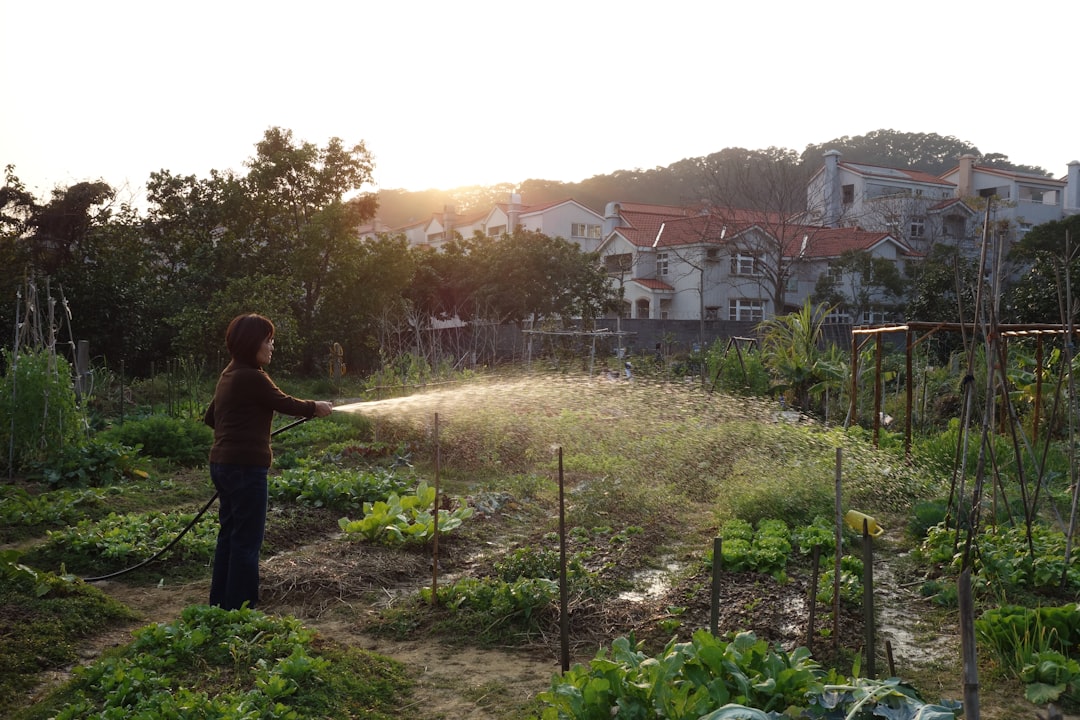
Imagine stepping into your organic garden, where vibrant colors and enticing aromas promise a bounty of healthy produce. Yet, you wonder, how can you nurture your garden to its fullest potential?
The secret lies in choosing the right mulch. Mulching not only protects your plants but also enhances soil health, moisture retention, and weed control. But with so many options, what should you use to mulch your organic garden? You might be surprised by how much difference the right mulch can make.
Dive in to discover the perfect mulch for your garden and unlock the secrets to thriving plants. Your garden deserves the best, and with a little guidance, you can transform it into an oasis of growth and vitality. Keep reading to uncover the mulch magic that awaits you.
Benefits Of Mulching
Mulching boosts soil health in organic gardens by retaining moisture and preventing weed growth. Organic materials like straw, leaves, and compost enrich the soil. Mulch also protects plants from extreme temperatures, helping them thrive.
Mulching your organic garden is a game-changer for many reasons. It not only enhances the aesthetic appeal but also brings a host of benefits that can transform your gardening experience. Whether you’re a seasoned gardener or just starting out, understanding the benefits of mulching can make your gardening efforts more rewarding. Let's dive into some of the key advantages.
Retaining Moisture
Mulching helps in keeping your soil damp, reducing the need for frequent watering. Imagine spending less time with a hose in your hand and more time enjoying your garden. A good layer of mulch acts like a protective barrier, preventing the sun from evaporating moisture too quickly. A few years back, I noticed my plants were constantly thirsty. After adding mulch, the change was remarkable. The soil stayed moist longer, and the plants thrived. Have you ever wondered why some gardens look lush even in the heat of summer? Mulch could be their secret weapon.
Improving Soil Health
Organic mulch, like leaves and straw, breaks down over time, enriching your soil with nutrients. It's like giving your garden a natural vitamin boost without any synthetic fertilizers. As the mulch decomposes, it improves soil structure, making it easier for roots to grow. Adding mulch can also attract beneficial insects and earthworms that further enhance soil health. I noticed a significant increase in earthworm activity after mulching, which is a great sign of healthy soil. Think of mulch as your garden’s natural health supplement. It's simple, effective, and wholly beneficial.
Suppressing Weeds
One of the most satisfying perks of mulching is how effectively it suppresses weeds. A thick layer of mulch blocks sunlight, which most weeds need to grow. This means less time spent pulling out pesky invaders and more time enjoying your flourishing plants. In my garden, mulch dramatically reduced the weed problem. Before mulching, I was on a constant battle with weeds. Now, it's just a minor skirmish. Wouldn't it be great to reduce the time spent on weeding and invest that energy elsewhere in your garden? By incorporating mulch into your gardening routine, you not only enhance the beauty of your garden but also make it a healthier, more manageable space. Why not give it a try and see the transformation for yourself?
Types Of Organic Mulch
Mulching plays a vital role in organic gardening. It helps retain soil moisture, suppress weeds, and enrich the soil. Choosing the right type of mulch can enhance your garden's health. Various organic mulches offer unique benefits and can be easily sourced. Let’s explore some popular types of organic mulch.
Straw And Hay
Straw and hay are excellent for vegetable gardens. They decompose slowly, adding nutrients over time. Ensure they are seed-free to prevent unwanted plants. They also provide good insulation for soil temperature.
Wood Chips
Wood chips are great for perennial plants and pathways. They break down over a longer period, enriching the soil. Make sure to use untreated wood to avoid chemicals. They also help in weed suppression.
Grass Clippings
Grass clippings are readily available and nutrient-rich. They decompose quickly, adding nitrogen to the soil. Use dry clippings to prevent matting and odors. They make a good mulch for vegetable gardens.
Leaf Mold
Leaf mold is made from decomposed leaves. It improves soil structure and water retention. Collect fallen leaves and let them decompose naturally. It’s an excellent choice for flower beds.
Compost
Compost is a rich, organic material made from decomposed matter. It provides essential nutrients for plants. Spread it on top of the soil to improve its quality. It’s versatile and suitable for all garden types.
Choosing The Right Mulch
Select mulch types like straw, wood chips, or leaves for organic gardens. These natural options enrich soil and retain moisture. Prevent weeds and enhance garden health with the right mulch choice.
Choosing the right mulch for your organic garden can make all the difference in its health and productivity. Mulch not only protects your plants from harsh weather but also retains moisture and suppresses weeds. But how do you pick the perfect mulch? Factors such as climate, plant-specific needs, and local availability are crucial to consider. Let's dive into these aspects to help you make informed choices for your garden.
Climate Considerations
Your local climate plays a significant role in determining the best mulch for your garden. In hot, dry areas, organic mulches like straw or grass clippings can help retain moisture. On the other hand, if you live in a wet climate, consider using bark or wood chips to prevent waterlogging. I once made the mistake of using straw mulch in a rainy season. It quickly became soggy, creating a perfect habitat for pests. Learn from my experience and choose wisely based on your weather conditions. Would a mulch that insulates against extreme temperatures benefit your plants more?
Plant Specific Needs
Different plants have varied requirements. Acid-loving plants like blueberries thrive with pine needle mulch. Veggies such as tomatoes prefer straw or shredded leaves to keep their roots cool and moist. Consider your plant's specific needs before selecting mulch. Matching mulch with plant requirements can enhance growth and yield. Have you ever thought about how mulch can affect the taste or growth rate of your crops?
Local Availability
Using locally available mulch can be cost-effective and environmentally friendly. Check with local gardening centers or community gardens for options. Sometimes, what’s available locally can be perfectly suited to your garden’s needs. In my own garden, I found that using fallen leaves was a great way to mulch, saving money and recycling natural materials. It reduced waste and nurtured my plants at the same time. Is there a local resource that you haven’t considered yet that could provide the perfect mulch? Choosing the right mulch is not just about picking what's popular; it's about what's best for your garden's unique needs. Consider these factors carefully, and you'll be on your way to a thriving organic garden.
Applying Mulch Correctly
Mulching an organic garden enhances soil health and conserves moisture. Choose natural materials like straw, leaves, or wood chips. Spread mulch evenly, avoiding plant stems to prevent rot.
Applying mulch correctly ensures a healthy, productive organic garden. Proper application helps retain moisture, suppress weeds, and improve soil quality. Understanding the right techniques can make a significant difference. Let’s explore how to apply mulch effectively.
Layer Thickness
A mulch layer should be 2 to 4 inches thick. This thickness retains soil moisture and blocks sunlight from reaching weeds. Thicker layers can suffocate plant roots or prevent water from reaching the soil. For finer mulches, use the lower end of this range. Coarser mulches can be applied more generously.
Timing For Application
Apply mulch in early spring or late fall. Early spring application helps retain moisture during the growing season. Mulching in late fall protects roots from winter cold. Avoid mulching too early in spring. The soil needs to warm up first.
Avoiding Common Mistakes
Avoid piling mulch against plant stems. This can lead to rot and disease. Ensure mulch is spread evenly across the soil surface. Check mulch thickness regularly; it settles over time. Avoid using mulch from treated wood. It can introduce chemicals into your garden.
Maintaining Your Mulch
Mulching an organic garden helps retain soil moisture and suppress weeds. Choose organic materials like straw, grass clippings, or wood chips. Spread the mulch evenly, keeping it away from plant stems to prevent rot. Regularly check and refresh mulch to maintain its effectiveness throughout the growing season.
Maintaining your mulch is crucial for a thriving organic garden. It ensures your plants receive the best protection and nutrients. Proper mulch maintenance also keeps pests at bay. Follow these simple steps to keep your mulch in top shape.
Regular Inspection
Check your mulch regularly for any signs of decay. Remove any rotting or moldy mulch immediately. This prevents the spread of disease. Look for areas where mulch has thinned out. Add more mulch to these spots to maintain even coverage.
Replenishing Mulch
Organic mulch breaks down over time. Replenish it every few months to maintain its benefits. Use the same type of mulch as before for consistency. Spread a fresh layer evenly over the garden bed. Aim for a depth of two to three inches.
Monitoring For Pests
Pests can hide beneath mulch, causing damage to plants. Inspect the mulch for signs of pests like slugs or snails. Remove them by hand or use organic methods to deter them. Ensure mulch is not piled against plant stems. This prevents pests from reaching the plants.
Mulching For Different Seasons
Mulching is a crucial part of organic gardening. It protects plants and enriches soil. Each season requires different mulching approaches. With the changing weather, your garden's needs shift. Understanding seasonal mulching can make a difference in plant health.
Spring Mulching
Spring is a time for growth. Use light mulch to warm up the soil. Straw or shredded leaves are good options. They allow sunlight to reach the soil. This helps seeds sprout and roots grow strong.
Summer Strategies
Summer brings heat and dryness. Use mulch that retains moisture. Grass clippings work well. They keep the soil cool and moist. Prevent water evaporation. This helps plants thrive during hot days.
Fall Preparations
Fall is about getting ready for winter. Use thick mulch layers. Pine needles or wood chips are great choices. They insulate the soil. Keep it warm through cooler months. This prepares plants for winter dormancy.
Winter Protection
Winter can be harsh on gardens. Protect plants with heavy mulch. Hay or bark chips offer good coverage. They guard against frost. Hold heat in the soil. Plants survive better with this protection.
Innovative Mulching Techniques
Mulching an organic garden involves using materials like straw, wood chips, or leaves. These materials enrich soil and retain moisture. Innovative techniques focus on eco-friendly options, such as compost or grass clippings. These methods support healthy plant growth and reduce weed competition.
Growing an organic garden is a rewarding experience, but mulching can take it to the next level. Mulching helps retain moisture, suppress weeds, and add nutrients back into the soil. While traditional mulching methods are effective, innovative mulching techniques can give your garden a unique edge and boost its productivity. Let’s explore some creative ways to mulch your organic garden that go beyond the basics.
Lasagna Gardening
Lasagna gardening, or sheet composting, layers organic materials directly onto the soil to create a nutrient-rich garden bed. You can start with a layer of cardboard or newspaper to suppress weeds. Then, add alternating layers of green (nitrogen-rich) and brown (carbon-rich) materials, such as grass clippings, kitchen scraps, and dried leaves. This technique is ideal if you have limited space or poor soil. It’s a no-dig method, which means less physical labor for you. As the layers decompose, they enrich the soil, creating a rich environment for your plants. Have you tried layering your garden like a lasagna?
Sheet Mulching
Sheet mulching involves covering the soil with a biodegradable material, such as cardboard or newspaper, topped with a thick layer of organic mulch. It’s an effective way to reduce weeds and build soil health. Unlike lasagna gardening, sheet mulching focuses more on suppressing unwanted plants than on adding nutrients. You can use this technique for existing garden beds or to prepare new areas. It’s a great way to recycle materials you might already have at home. It also helps improve water retention and soil structure. Have you noticed fewer weeds and healthier soil after sheet mulching?
Living Mulch
Living mulch, or cover cropping, involves planting low-growing plants that cover the soil. These plants, such as clover or vetch, provide a living cover that protects the soil and reduces erosion. They also fix nitrogen, which benefits your main crops. Living mulch can be a dynamic addition to your garden’s ecosystem. It offers a habitat for beneficial insects and helps with pest control. You might find that the variety of life it supports adds unexpected vitality to your garden. Would a living mulch enhance the biodiversity in your garden?
Frequently Asked Questions
What Materials Are Best For Organic Mulching?
Organic mulching materials include straw, wood chips, grass clippings, and leaves. These materials decompose naturally, enriching the soil. They help retain moisture, suppress weeds, and improve soil health. Choose materials that are locally available and free from pesticides. Each type of mulch has unique benefits, so consider your garden’s specific needs.
How Does Mulch Benefit An Organic Garden?
Mulch helps retain soil moisture, reducing the need for frequent watering. It suppresses weed growth, minimizing competition for nutrients. As it decomposes, mulch enriches the soil with organic matter. This improves soil structure and health. Additionally, mulch regulates soil temperature, protecting plant roots from extreme weather conditions.
How Often Should I Replace Organic Mulch?
Organic mulch should be replaced every year or as needed. As it decomposes, it enriches the soil but loses effectiveness. Check mulch thickness regularly; it should be about 2-3 inches. Replenishing mulch maintains its benefits like moisture retention and weed suppression.
Adjust based on specific garden needs and material decomposition rate.
Can I Use Grass Clippings As Mulch?
Yes, grass clippings make excellent mulch for organic gardens. They decompose quickly, adding valuable nutrients to the soil. Ensure clippings are pesticide-free and apply in thin layers to prevent matting. Grass clippings help retain moisture and suppress weeds. They are an eco-friendly, cost-effective mulching option for gardeners.
Conclusion
Mulching your organic garden offers many benefits. It protects plants, conserves water, and enriches soil. Choose materials wisely for optimal growth. Wood chips, straw, or leaves work well. Each has its perks, fitting different needs. Mulch keeps weeds away, saving time and effort.
It also helps plants stay healthy and strong. Remember to apply mulch correctly. Keep it away from stems to avoid rot. With proper care, your garden thrives naturally. Mulching is a simple step that makes a big difference. Enjoy your lush, green paradise!


