
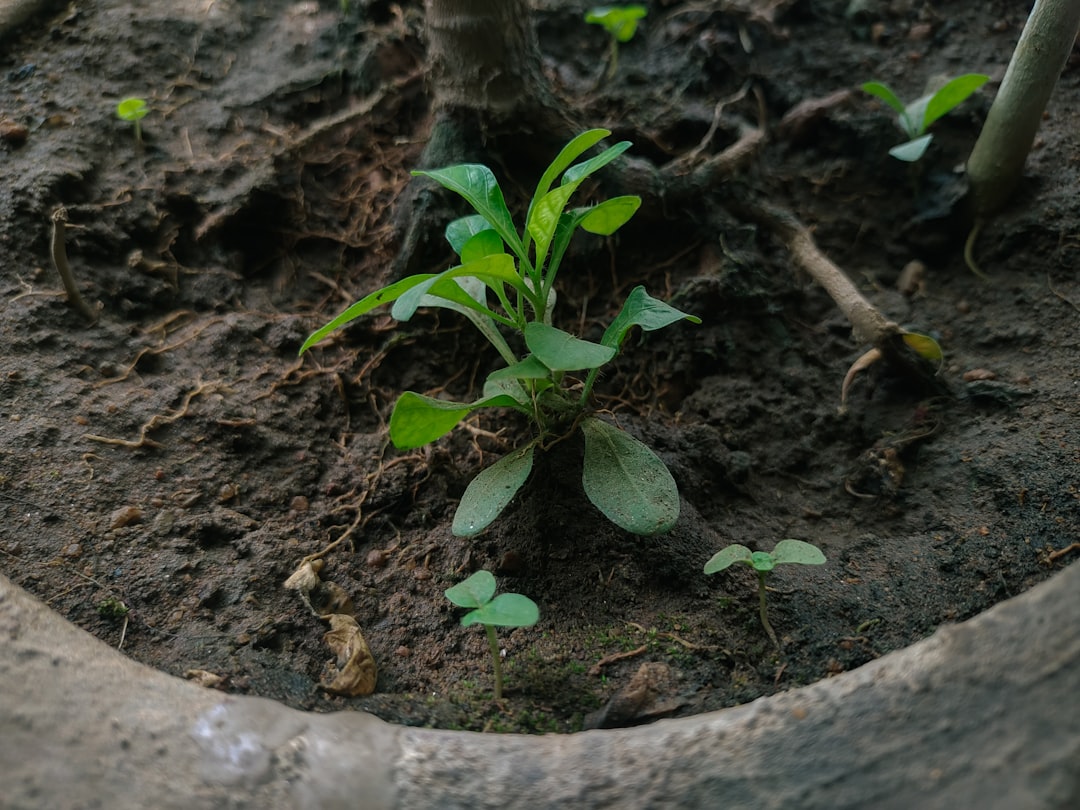
Imagine stepping into your garden and feeling the lush, thriving soil beneath your feet. You can almost see your plants smiling back at you, bursting with vibrant health.
What’s the secret behind this flourishing oasis? It’s all about understanding your garden soil and enriching it organically. Are you curious to unlock the potential of your garden? You’re in the right place. Discover how mapping your garden soil can reveal its hidden qualities and lead you to nurture it with organic richness.
This isn’t just about gardening; it’s about creating a living masterpiece right in your backyard. Stick around, and let’s dive into the secrets of transforming your garden into a paradise of growth and beauty.
Importance Of Soil Organic Matter
Soil organic matter is crucial for healthy plant growth. It enhances soil fertility and structure. This organic component consists of decomposed plant and animal residues. It also includes living soil organisms. Organic matter plays a pivotal role in nutrient cycling and water retention. Without it, plants struggle to thrive.
Benefits For Plant Growth
Organic matter provides essential nutrients for plants. It releases nitrogen, phosphorus, and sulfur slowly. This gradual release ensures a steady nutrient supply. Plants absorb these nutrients for better growth and productivity. Organic matter also improves soil texture, making it easier for roots to spread. Better root systems mean healthier plants.
The presence of organic matter increases water retention in soil. This helps plants access moisture during dry spells. By maintaining soil moisture, organic matter supports plant hydration. It also reduces the need for frequent watering. This is particularly beneficial in arid regions.
Role In Soil Health
Organic matter enhances soil structure, making it more friable. A well-structured soil is less prone to erosion. It also promotes good drainage and aeration. This allows roots to breathe and prevents waterlogging. Soil organic matter acts as a sponge, holding water and nutrients.
Soil microorganisms thrive in organic-rich environments. These tiny organisms help break down organic matter. Their activity releases nutrients back into the soil. Healthy soil teems with life, supporting a diverse ecosystem. This biodiversity is essential for long-term soil health.
Organic matter also helps buffer soil pH levels. It protects plants from harmful pH fluctuations. Stable pH levels lead to healthier plant growth. Maintaining soil organic matter ensures a balanced and robust soil environment.
Identifying Soil Organic Content
Mapping soil organic content helps identify areas rich in nutrients. It guides gardeners in improving plant growth and health. Knowing the soil's organic makeup supports sustainable gardening practices.
Understanding the organic content of your garden soil is crucial for healthy plant growth. Rich organic soil supports robust plants, improves drainage, and fosters beneficial organisms. But how do you identify if your soil is as organic-rich as you need it to be? Let’s dive into some practical methods and signs to look for in your garden soil.
Testing Methods
Testing your soil is a straightforward way to determine its organic content. You can use a simple soil test kit available at most garden centers. These kits provide a snapshot of your soil's composition, including organic matter percentage. Alternatively, sending a sample to a lab can offer a more comprehensive analysis. A lab test might seem daunting, but it provides detailed insights into your soil's health.
Visual Indicators
Visual cues can also tell you a lot about your soil's organic content. Healthy, organic-rich soil is usually dark brown or black due to the presence of decomposed organic material. It should be crumbly and loose, allowing roots to penetrate easily. When you hold a handful of soil, it should feel slightly moist and smell earthy, not dry and dusty. Are earthworms present? Their presence is a good sign of healthy soil. As you get your hands dirty, look for these signs to assess your soil’s quality. If your soil lacks these characteristics, it might be time to add organic matter like compost or manure. Have you checked your garden soil lately? Observing and testing can lead to healthier plants and a more vibrant garden.
Mapping Soil Organic Rich Areas
Mapping soil organic rich areas helps gardeners identify fertile spots. This knowledge aids in plant growth and improves yield. Understanding soil composition ensures healthy and vibrant gardens.
Mapping soil organic rich areas is essential for sustainable gardening. Understanding where organic matter is most abundant can enhance plant growth. It helps gardeners optimize soil health and boosts the vitality of their gardens. Knowing the richness of soil in specific areas leads to better crop yields. Let's explore how technology assists in mapping these fertile zones and grasp the variability of soil composition.
Using Technology For Mapping
Modern technology simplifies soil mapping. Tools like GPS and GIS provide accurate data. They pinpoint areas with high organic content efficiently. Satellite imagery helps visualize soil characteristics. It offers insights into soil fertility from above. Drones collect detailed images of garden landscapes. They enhance precision in identifying rich soil patches. These technologies make mapping easier and more reliable.
Understanding Soil Variability
Soil variability affects plant growth. Organic matter varies across different garden areas. Some zones may have dense organic content. Others might be less fertile. Recognizing these differences is crucial. It helps in making informed gardening decisions. Soil tests reveal nutrient levels and organic presence. These tests guide gardeners in improving soil quality. Understanding variability ensures healthier plants and productive gardens.
Enhancing Soil Organic Matter
Enhancing soil organic matter is crucial for healthy and productive gardens. Organic matter improves soil structure, aids nutrient retention, and supports beneficial organisms. It also helps retain moisture, ensuring plants thrive even during dry spells. Incorporating organic matter into the soil can transform garden spaces, making them more fertile and sustainable. Here are some effective ways to enrich your garden soil with organic matter.
Composting Techniques
Composting turns kitchen and yard waste into valuable soil amendments. Start by collecting fruit peels, vegetable scraps, and garden clippings. Layer these with brown materials like dried leaves or straw. This balance of green and brown materials speeds up decomposition. Turn the pile regularly to aerate it, promoting faster breakdown. Over time, you’ll have rich compost to mix into your garden soil.
Cover Crops And Green Manure
Cover crops protect and enrich the soil between planting seasons. They prevent erosion and add nutrients back into the soil. Legumes, like clover or vetch, are excellent choices. They fix nitrogen, boosting soil fertility naturally. Once matured, these crops are tilled back into the soil as green manure. This process enriches the soil with organic matter and nutrients, readying it for the next planting.
Impact On Plant Growth
The rich organic content in garden soil significantly impacts plant growth. It creates a favorable environment for plants to thrive. This section explores how soil richness enhances plant life.
Improved Nutrient Availability
Organic-rich soil teems with essential nutrients. These nutrients are vital for plant development. They include nitrogen, phosphorus, and potassium. Organic matter breaks down and releases these nutrients. Plants absorb them easily, promoting healthy growth. Nutrient-rich soil supports vibrant and resilient plants.
Enhanced Water Retention
Organic matter improves soil's ability to hold water. It acts like a sponge, retaining moisture. This is crucial during dry periods. Plants access water longer, reducing stress. Consistent moisture supports steady plant growth. It helps roots absorb nutrients efficiently. Healthy roots lead to strong plants.
Challenges In Maintaining Soil Organic Matter
Mapping garden soil rich in organic matter poses various challenges. Identifying key nutrients, managing soil pH, and avoiding erosion require careful attention. Understanding these factors helps maintain healthy, nutrient-rich soil.
Maintaining soil organic matter in your garden isn't always a walk in the park. It's an ongoing challenge that demands your attention and effort. You might be wondering, what's the big deal? Soil organic matter is crucial for healthy plant growth, water retention, and overall soil health. Yet, several factors can make it tough to keep those levels where they should be. Let's dive into some of the challenges you might face.
Decomposition Rates
Decomposition is a natural process that breaks down organic materials into simpler substances. But here's the catch: if it happens too quickly, you might lose valuable nutrients before your plants can use them. The rate of decomposition in your garden depends on temperature, moisture, and the type of organic material. High temperatures and adequate moisture speed up the process. Have you ever noticed how your compost pile heats up in the summer? That's decomposition in overdrive. To slow it down, consider using a mix of materials like leaves, grass clippings, and kitchen scraps. This blend can help maintain a balanced nutrient release.
Erosion Control
Erosion is another sneaky thief of soil organic matter. When soil erodes, it takes with it the rich organic layer that your plants thrive on. How can you prevent this? Focus on erosion control measures such as planting cover crops, mulching, and using barriers like rocks or logs. These methods can help keep your soil where it belongs—right under your plants. Ever tried using straw as mulch? It’s a simple yet effective way to protect your garden bed from erosion. When you think about maintaining soil organic matter, what comes to mind? Is it the constant battle against nature's elements, or perhaps the satisfaction of seeing your garden flourish? Whatever your experience, remember that a little effort goes a long way. Are you ready to take on the challenge?
Future Trends In Soil Management
Soil management shapes the future of agriculture. It ensures healthy crop production. As we face climate changes, new trends in soil management emerge. These trends focus on sustainability and innovation. They help us understand and improve soil health. Let's explore some exciting future trends.
Sustainable Practices
Sustainable practices reduce harm to our environment. They promote long-term soil health. Crop rotation and cover cropping are common methods. They improve soil structure and prevent erosion. Composting enriches soil with organic matter. This increases its fertility naturally. Farmers are adopting these practices widely.
Innovations In Soil Monitoring
New technologies make soil monitoring easier. Soil sensors provide real-time data. They measure moisture, nutrients, and temperature. Drones capture aerial images of fields. These images show soil health and crop conditions. Farmers use this data to make informed decisions. Smart devices help track soil changes over time. Innovations in monitoring improve precision agriculture. They ensure optimal soil management.
Frequently Asked Questions
What Is Organic-rich Garden Soil?
Organic-rich garden soil contains high levels of organic matter, like compost or decomposed plant material. This enhances soil fertility, improves structure, and increases water retention. Organic-rich soil supports healthy plant growth by providing essential nutrients and encouraging beneficial microbial activity.
It's ideal for sustainable gardening practices.
How Do I Identify Organic-rich Soil?
To identify organic-rich soil, check for a dark, crumbly texture and earthy smell. It should retain moisture but drain well. The presence of earthworms and other organisms indicates healthy, organic-rich soil. Conduct a soil test to determine organic matter content accurately.
Why Is Organic Matter Important In Soil?
Organic matter is crucial for soil because it improves fertility, structure, and moisture retention. It supplies essential nutrients for plants and fosters beneficial microbial activity. Organic matter enhances soil aeration and helps prevent erosion. It contributes to a healthy and productive garden environment.
How To Enrich Garden Soil Organically?
To enrich garden soil organically, add compost, manure, or organic mulch regularly. These materials decompose, providing nutrients and improving soil structure. Rotate crops and use cover crops to maintain fertility. Avoid chemical fertilizers to sustain organic soil health and encourage beneficial organisms.
Conclusion
Healthy garden soil supports vibrant plant growth. Mapping your soil's organic richness is essential. It helps gardeners optimize plant health. Soil rich in organic matter nurtures roots. It offers vital nutrients and moisture. Regular testing ensures balanced soil composition. This leads to bountiful harvests and flourishing landscapes.
Simple practices enhance soil quality. Composting and mulching are effective methods. These enrich the soil naturally. Gardening success starts beneath the surface. Paying attention to soil health pays off. Investing time in soil care yields long-term benefits. Cultivate your garden thoughtfully.
Enjoy the rewards of lush, thriving plants.


