Imagine stepping into your kitchen, ready to prepare a delicious meal, and being able to pluck fresh basil or mint straight from your own indoor herb garden. Sounds enticing, right?
But before you dive into the world of indoor gardening, there's one crucial element you need to get right: the soil. The kind of soil you use can make or break your herb garden. It’s the foundation that determines how well your herbs will grow and thrive.
Are you ready to discover the secrets to choosing the perfect soil that will boost your herbs’ growth and flavor? This article will guide you through everything you need to know to ensure your indoor herb garden flourishes. Keep reading to unlock the keys to a thriving indoor oasis!
Choosing The Right Soil Type
Selecting the right soil ensures healthy indoor herbs. Opt for a well-draining potting mix. This type supports moisture balance and root health, essential for thriving herb gardens. Avoid using garden soil as it may compact and reduce airflow.
Choosing the right soil type for your indoor herb garden is crucial. The soil acts as a foundation for your plants, providing them with necessary nutrients and a stable environment to thrive. It's not just about grabbing any bag of dirt from the store. Your herbs deserve better. A little knowledge about soil types can make a significant difference in the health and flavor of your herbs.
Importance Of Soil Quality
Quality soil is the backbone of a flourishing herb garden. It impacts how well your plants absorb water and nutrients. Poor soil can lead to weak plants with bland flavors. You want soil that drains well but retains enough moisture. Herbs like basil, thyme, and mint thrive in soil that is rich yet well-drained. Think of it as the perfect balance of holding on and letting go.
Common Soil Types For Herbs
There are various soil types to consider for your herb garden. Potting mix is popular for indoor plants due to its balanced texture. It usually contains a mix of peat moss, vermiculite, and perlite. Another option is a cactus or succulent mix. This is especially great for herbs that prefer drier conditions, like rosemary. You can even create your own mix by blending equal parts of potting soil, sand, and compost. This ensures good drainage and nutrient availability. Have you ever tried experimenting with different soil types? It might surprise you how each herb responds uniquely. Tailoring the soil to your herbs' needs is a game changer.
Characteristics Of Ideal Herb Soil
Choosing the right soil is crucial for a thriving indoor herb garden. Well-draining soil with good aeration supports healthy roots. A mix of potting soil, sand, and organic compost can provide essential nutrients and maintain moisture balance.
Creating an indoor herb garden is a delightful way to bring fresh flavors into your kitchen. However, the success of your herbs largely depends on the soil you choose. Understanding the characteristics of ideal herb soil can make all the difference in nurturing healthy, flavorful plants. Let's dive into the essentials you need to know.
Drainage And Aeration
Good drainage is vital for indoor herbs. Waterlogged soil can suffocate roots and lead to rot. You want soil that lets water pass through easily, keeping the roots dry between waterings. Aeration is equally important. It ensures that roots get enough oxygen. A well-aerated soil is often light and fluffy. You might consider using a mix with perlite or coarse sand to improve these qualities.
Nutrient Content
Herbs thrive in soil rich in nutrients. These nutrients are essential for growth and flavor development. Look for soil that contains organic matter like compost, which can nourish your herbs over time. You may wonder if regular potting soil is enough. Often, it isn’t, as it may lack essential nutrients. Consider supplementing with an organic fertilizer every few weeks for optimal health.
Ph Levels
The pH level of soil affects nutrient availability. Most herbs prefer a slightly acidic to neutral pH, around 6.0 to 7.0. This range allows them to absorb nutrients effectively. Testing your soil's pH can seem daunting, but simple test kits are available at garden centers. Adjusting pH is also straightforward—use lime to raise it or sulfur to lower it. Creating the perfect soil for your indoor herb garden isn't just about following guidelines. It’s about observing how your plants respond and tweaking as needed. Have you noticed your herbs struggling despite ample sunlight and water? The soil might be the missing piece of the puzzle.
Organic Vs. Non-organic Soil
Choosing the right soil for your indoor herb garden matters. It affects plant health and growth. The debate between organic and non-organic soil often arises. Each option has its unique benefits and considerations. Understanding these can help you make an informed choice for your herbs.
Benefits Of Organic Soil
Organic soil is rich in nutrients. It enhances plant growth naturally. It contains decomposed organic matter. This helps retain moisture. Organic soil improves soil structure. It supports beneficial microorganisms. These aid in nutrient breakdown. Organic options reduce chemical exposure. They create a healthier environment for your herbs.
When To Consider Non-organic Options
Non-organic soil can be more cost-effective. It often contains added fertilizers. These boost initial plant growth. Non-organic soil may offer better drainage. It can be suitable for specific herb types. Some herbs prefer less moisture. Non-organic soil can reduce pest infestations. It's ideal for herbs with specific nutrient needs.
Mixing Your Own Soil
Create the best mix for an indoor herb garden by using well-draining soil. Combine equal parts potting soil, perlite, and compost. This blend provides nutrients while ensuring the roots stay healthy and not waterlogged.
Creating the perfect soil mix for your indoor herb garden is like crafting a recipe for success. Mixing your own soil allows you to control the nutrients, drainage, and texture to suit your plants' needs. This approach might seem daunting at first, but it's a rewarding process that can lead to thriving herbs right in your home. Plus, understanding what goes into your soil mix can give you that green thumb confidence.
Basic Ingredients
Before you start mixing, gather the essential ingredients. Potting soil, perlite, and coconut coir are your starting lineup. Potting soil provides the foundational nutrients for growth. Perlite enhances drainage, ensuring roots don't sit in water. Coconut coir retains moisture while still allowing for air flow, preventing your herbs from drying out too quickly. Do you have a favorite herb? Adjust the basic mix to suit specific plants. For basil, add a bit more coconut coir for moisture. For rosemary, increase perlite for better drainage.
Step-by-step Guide
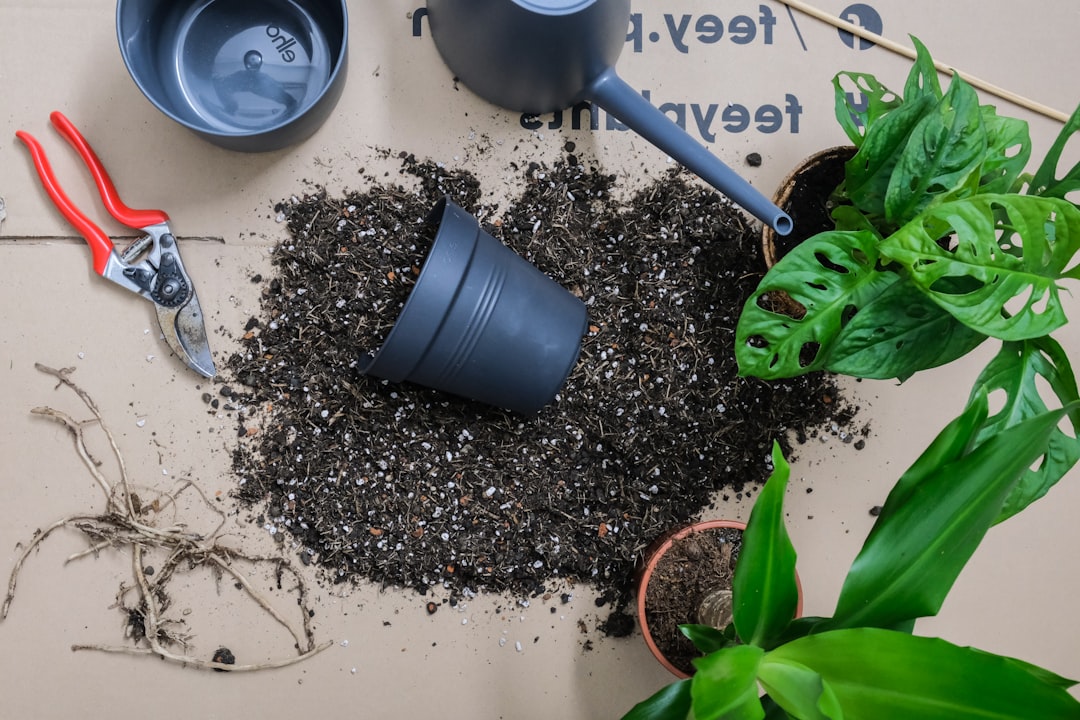
1. Measure your ingredients. Start with equal parts of potting soil and coconut coir. Add half as much perlite as the other two combined. 2. Mix thoroughly. Use a clean container and blend the ingredients until evenly distributed. This ensures each scoop gives your herbs the same nutrient-rich start. 3. Test the mix. Squeeze a handful of the mixture. It should hold shape but crumble easily. If it's too compact, add more perlite. If too loose, add more coconut coir. 4. Adjust as needed. Keep experimenting with small batches to find the perfect balance. Your plants might tell you what they need with their growth and color. Taking the time to mix your own soil can transform your indoor herb garden. It allows you to cater to the specific needs of your plants. What's your go-to soil recipe for indoor gardening? Share your tips and let's grow together!
Commercial Soil Options
Choosing the right soil is key for a thriving indoor herb garden. Opt for well-draining potting mix to ensure healthy growth. Soil with good aeration and organic matter supports herbs' nutrient needs effectively.
Creating an indoor herb garden can bring a touch of nature into your home and provide fresh flavors for your cooking. Choosing the right soil is crucial for your herbs to thrive. If you're considering commercial soil options, you're in luck. These ready-made mixes can save you time and ensure your herbs get the nutrients they need. Let's look at some top brands and what you should keep in mind while shopping.
Top Brands To Consider
When choosing commercial soil, you want to go with brands known for quality and reliability. Miracle-Gro offers a potting mix specifically designed for herbs, ensuring your plants get the right balance of nutrients. FoxFarm is another brand that stands out, with a reputation for organic and natural ingredients. Their Ocean Forest mix is rich and full of beneficial microbes. Espoma is also a fantastic choice, especially if you’re into organic gardening. The company's Organic Potting Mix is formulated with peat moss and perlite, offering good drainage and moisture retention. Have you tried any of these brands before? They might just be the key to your herb garden success.
What To Look For In Store-bought Soil
Shopping for soil can be overwhelming with so many options available. Start by checking for a well-balanced pH level, usually between 6.0 and 7.0, which is ideal for most herbs. Make sure the soil has good drainage; you don't want your herbs sitting in water, which could lead to root rot. Look for soil enriched with organic matter. This provides essential nutrients and helps keep the soil structure loose and airy. A good commercial mix should contain ingredients like peat moss, perlite, or vermiculite. These components ensure that the soil retains moisture but doesn’t become waterlogged. Have you ever purchased soil only to find your plants didn't thrive? It might have been due to poor soil quality. Always read the label carefully and, if possible, consult online reviews to learn from others’ experiences. Trust your instincts, and don’t hesitate to ask for recommendations at your local garden center. By selecting the right commercial soil, you can create a thriving indoor herb garden that not only enhances your home’s aesthetics but also elevates your culinary creations. So, which brand will you try next?
Common Soil Problems
Indoor herb gardens thrive best in well-draining soil, rich in nutrients. Avoid dense, compact soils as they hinder root growth. Ideal soil mixes often include peat moss, vermiculite, and perlite to ensure proper aeration and moisture retention.
Growing herbs indoors can be a delightful endeavor, offering fresh flavors for your meals all year round. However, one common hurdle many indoor gardeners face is dealing with soil problems. Understanding and managing these issues can make the difference between thriving herbs and a disappointing garden. Let's dive into the common soil problems you might encounter.
Signs Of Poor Soil
Poor soil can manifest in several ways. You might notice your herbs wilting or turning yellow despite regular watering. The soil may appear compacted, preventing roots from spreading easily. Another sign is poor drainage; water might pool on the surface or take too long to soak in. Your herbs could also struggle with stunted growth, indicating that the soil lacks nutrients.
How To Amend Soil Issues
Addressing soil problems doesn't have to be daunting. Begin by testing your soil's drainage. If it's not draining well, mix in some sand or perlite to improve it. Consider adding organic matter like compost to enrich the soil. This not only improves nutrient content but also enhances soil texture. If compaction is an issue, gently loosen the soil with a fork or a small trowel. Have you considered the pH level of your soil? Most herbs prefer a slightly acidic to neutral pH. Testing kits are available at garden centers, and if needed, you can add lime to raise the pH or sulfur to lower it. Taking these steps can significantly improve your indoor herb garden's health. What changes will you try to ensure your herbs flourish?
Maintaining Soil Health
Maintaining soil health is crucial for a thriving indoor herb garden. Healthy soil provides essential nutrients, helping your herbs grow strong and flavorful. Regular attention to soil health ensures your garden remains productive and vibrant. Let's explore some key practices for maintaining soil health.
Regular Soil Testing
Regular soil testing helps you understand the nutrient levels in your soil. It identifies deficiencies and imbalances. Testing kits are easy to use at home. They guide you in adjusting the soil for optimal herb growth. Aim to test your soil every few months for best results.
Proper Watering Techniques
Proper watering techniques prevent soil from becoming too dry or too wet. Consistent moisture levels are important for healthy herbs. Water your plants when the top inch of soil feels dry. Use a watering can with a gentle spout to avoid washing away soil. Ensure pots have drainage holes to prevent waterlogging.
Tips For Specific Herbs
Choosing the right soil is vital for a thriving indoor herb garden. Opt for well-draining potting mix to prevent waterlogging. Ensure the soil is rich in organic matter to provide essential nutrients.
Growing herbs indoors can be a rewarding venture, but understanding the specific soil needs of each herb is crucial. Not all herbs thrive in the same soil conditions, and knowing what each one prefers can mean the difference between a thriving garden and a disappointing display. You might be surprised to learn that something as simple as changing the soil can dramatically improve the growth of your herbs. Let's dive into some practical tips for specific herbs to ensure you're giving them the best start.
Soil Needs For Basil
Basil loves soil that is rich and well-draining. It’s important that the soil retains moisture but doesn’t stay soggy. I once tried growing basil in heavy clay soil, and it struggled to thrive. Adding some organic compost and perlite can help achieve the right balance. Think of the soil as a supportive base that encourages robust root growth. Are you giving your basil the nourishment it craves?
Optimal Soil For Mint
Mint is a vigorous grower and needs soil that supports its enthusiastic nature. The soil should be slightly acidic to neutral, and it should drain well to prevent root rot. Have you ever found your mint overtaking your garden? This is because it thrives in almost any condition, but a light, loamy soil can keep it under control. A little compost can give it that extra boost it loves.
Thyme And Rosemary Preferences
Thyme and rosemary both hail from Mediterranean regions and have similar soil preferences. They prefer a gritty, sandy soil mix that mimics their natural habitat. In my experience, adding sand or small gravel to the potting mix works wonders. This ensures excellent drainage, which these herbs need to prevent root rot. Do your thyme and rosemary have the freedom to breathe and grow in your indoor garden? By paying attention to the specific soil preferences of your herbs, you can significantly improve their health and productivity. What adjustments can you make to your indoor garden's soil to better support your herbs?
Frequently Asked Questions
What Is The Best Soil For Indoor Herbs?
The best soil for indoor herbs is a well-draining potting mix. It should contain organic matter like peat moss, vermiculite, or perlite. This combination ensures proper aeration and retains moisture. Avoid garden soil as it can compact and hinder root growth.
Can I Use Garden Soil For Indoor Herbs?
It's not recommended to use garden soil for indoor herbs. Garden soil can compact easily, affecting root development. It may also contain pests or diseases. Opt for a high-quality potting mix to ensure healthy growth and proper drainage.
How Do I Improve Soil Drainage For Herbs?
Improve soil drainage by adding perlite or vermiculite to your potting mix. These materials enhance aeration and prevent waterlogging. Ensure pots have drainage holes to allow excess water to escape. This helps maintain optimal moisture levels for herb growth.
Is Organic Soil Better For Indoor Herb Gardens?
Organic soil is better for indoor herb gardens as it promotes healthy growth. It contains natural nutrients without harmful chemicals. Organic soil supports beneficial microorganisms, enhancing plant health. Choose certified organic potting mixes for the best results.
Conclusion
Choosing the right soil is essential for thriving herbs indoors. Good soil helps plants grow strong and healthy. Pick a mix that drains well but holds moisture. This supports root growth and prevents waterlogging. Add organic matter to boost nutrients.
Remember, herbs need space to breathe, so avoid compacted soil. Regular checks and adjustments keep your indoor garden vibrant. With the right soil, your herbs will flourish all year round. Enjoy fresh basil, mint, and more right at home. Happy gardening!