
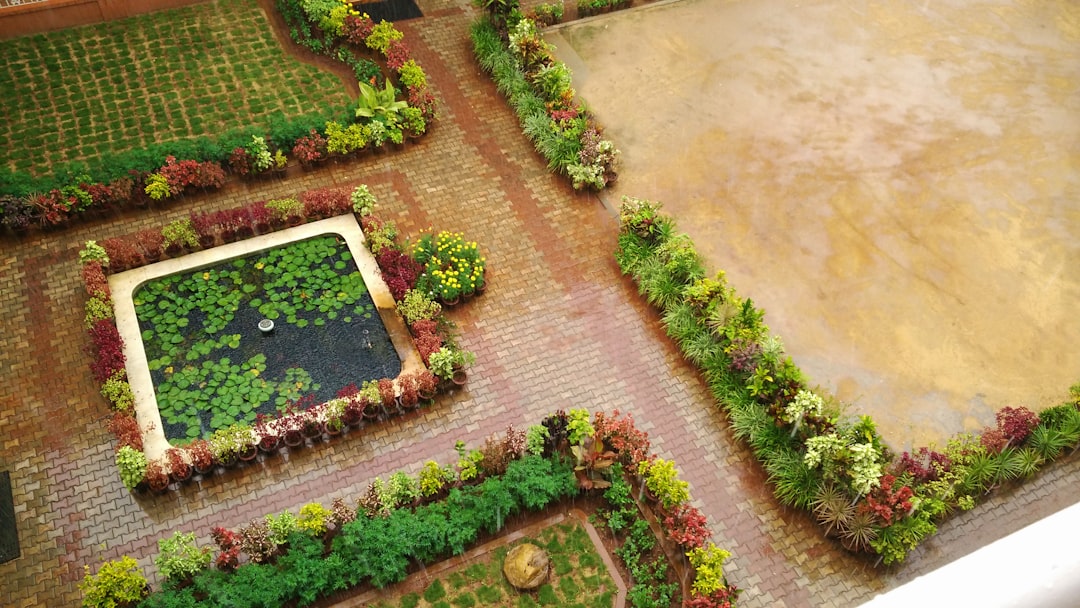
Imagine stepping into a serene oasis right outside your door, where every plant, path, and pond has been thoughtfully placed to create a perfect harmony between nature and design. This is the art of landscape garden design.
But what exactly does it entail, and how can it transform your outdoor space into a breathtaking haven? If you've ever wondered how to make your garden not just beautiful, but an extension of your personal style and a reflection of nature's finest attributes, you're in the right place.
In this guide, we'll demystify landscape garden design for you, breaking it down into simple, actionable ideas that can turn any garden into a masterpiece. By understanding the principles and techniques behind it, you’ll discover how to create a space that not only pleases the eye but also soothes the soul. Stay with us to unlock the secrets of transforming your garden into a stunning escape that’s uniquely yours.
Landscape Garden Design Basics
Landscape garden design blends nature with art to create outdoor spaces. It involves planning, arranging, and planting to enhance a garden's beauty and function. This design process considers elements like plants, terrain, and structures to achieve harmony and balance.
Are you ready to transform your outdoor space into a beautiful retreat? Understanding the basics of landscape garden design is the first step. Whether you're a gardening novice or a seasoned pro, knowing the fundamentals can help you create a garden that suits your lifestyle and enhances your home.
Definition And Purpose
Landscape garden design is more than just arranging plants. It's about creating a harmonious environment that balances nature and architecture. The purpose is to improve aesthetic appeal, increase property value, and provide functional outdoor living spaces. Imagine stepping into your garden and feeling a sense of peace and tranquility. That's the power of thoughtful landscape design.
Historical Context
Landscape design has been around for centuries, with roots in ancient civilizations. Think of the grand gardens of Versailles or the intricate designs of Japanese Zen gardens. These historical gardens were crafted to reflect cultural values and social status. Today, they inspire modern designs, demonstrating how history can influence your garden's style and layout.
Modern Trends
Contemporary landscape design embraces sustainability and simplicity. You might notice a shift towards native plants, which require less water and maintenance. There's also a growing trend for creating outdoor 'rooms' with distinct functions, like dining or relaxation areas. Do you want your garden to be a reflection of your personality? Consider integrating elements like unique lighting, water features, or artistic sculptures to make it truly yours. As you plan your garden, ask yourself: What do you want your outdoor space to say about you? With these basics in mind, you're well on your way to crafting a beautiful landscape that speaks volumes.
Essential Elements
Landscape garden design combines nature and creativity. It transforms outdoor spaces into beautiful retreats. Understanding the essential elements is crucial for a successful garden. These elements work together to create harmony and balance.
Softscape Components
Softscape components include living elements like plants and flowers. They provide color, texture, and fragrance. Trees offer shade and structure. Shrubs define boundaries and add depth. Flowers bring seasonal beauty and attract pollinators. Choosing the right plants ensures a thriving garden.
Hardscape Features
Hardscape features add structure and functionality. These include pathways, patios, and walls. Stone, brick, and wood are common materials. They create paths for walking and spaces for seating. Walls can offer privacy and define areas. Hardscapes balance the softness of plants.
Water Elements
Water elements enhance tranquility and movement. Ponds, fountains, and streams are popular choices. They attract wildlife and cool the air. The sound of water adds a soothing ambiance. Water features can be focal points in the garden.
Lighting And Ambiance
Lighting extends the garden's use into the evening. It highlights features and ensures safety. Soft lights create a warm, inviting atmosphere. Solar lights are energy-efficient and easy to install. Lighting transforms the garden into a magical night space.
Design Principles
Landscape garden design transforms outdoor spaces into beautiful, functional areas. It relies on several core principles that guide the creation of harmonious and aesthetically pleasing gardens. Understanding these principles can help craft a garden that is both visually appealing and balanced.
Balance And Harmony
Balance ensures visual stability in garden design. There are two types: symmetrical and asymmetrical. Symmetrical balance uses identical elements on either side. Asymmetrical balance creates harmony through different elements. Harmony blends these elements seamlessly. It creates a unified look that feels natural.
Color And Texture
Color brings life to a garden. It can evoke emotions and set moods. Bright colors energize. Soft colors calm. Texture adds depth and interest. It can be smooth like grass or rough like bark. Combining different textures enhances the garden's visual appeal. It makes it more engaging.
Scale And Proportion
Scale refers to the size of elements in relation to each other. Proportion is the relationship between elements. A large tree can overwhelm small plants. Proper scaling ensures everything fits together. It creates a cohesive look. Proportion helps maintain this balance.
Unity And Diversity
Unity ties all elements together. It creates a sense of completeness. Diversity adds variety and interest. Different plants, colors, and textures enrich the garden. They keep it from being monotonous. Combining unity and diversity results in a dynamic yet harmonious design.
Planning Your Garden
Landscape garden design transforms outdoor spaces by organizing plants, paths, and features. It blends creativity with functionality, creating visually appealing environments. Thoughtful planning ensures harmony between nature and architecture.
Planning your garden is an exciting step in landscape garden design. It’s where dreams start to take shape on paper before blooming in your backyard. Whether you're aiming for a tranquil retreat or a vibrant flower paradise, careful planning will ensure your garden not only looks beautiful but also thrives. To start, you need to consider the specifics of your space, including the climate, soil, and resources available. Let’s break it down into manageable steps.
Site Analysis
Begin by observing your garden area. Notice the sun patterns throughout the day, as this will influence what plants will thrive in your space. Consider the existing structures, trees, and any slopes or uneven areas. When I first planned my garden, I realized a large tree cast too much shadow on my vegetable patch, prompting a quick redesign. What surprises might your garden hold?
Climate Considerations
Your local climate will play a pivotal role in plant selection. Research which plants are native to your area, as they are more likely to flourish with minimal care. If you live in a dry region, focus on drought-resistant species to conserve water. Understanding your climate ensures you choose plants that will enjoy the same weather as you do.
Soil And Drainage
Evaluate the soil quality in your garden. Is it sandy, clay-like, or loamy? Each type affects drainage and nutrient availability. Conduct a simple soil test to determine pH levels and nutrient content. In my garden, adding compost improved the soil structure and boosted plant health. What simple tweaks could enhance your garden’s soil?
Budgeting And Resources
Set a realistic budget for your garden project. Factor in costs for plants, soil amendments, and tools. Consider what resources you already have at home; perhaps an old wheelbarrow can become a rustic planter. Creating a budget helps you prioritize and prevents overspending. How can you creatively maximize your resources while staying within budget? As you plan your garden, let each decision reflect your personal style and needs. By carefully analyzing your site, climate, soil, and resources, you’ll create a garden that thrives both in beauty and functionality. What vision do you have for your ideal garden space?
Creative Planting Ideas
Creating a landscape garden can be a rewarding journey, especially when you explore creative planting ideas. Imagine walking through a garden that surprises you at every turn with vibrant colors, enticing scents, and diverse plant life. You don't need to be a professional gardener to make this happen; just a spark of imagination and a bit of guidance can transform your outdoor space into a breathtaking retreat. Let's explore some exciting planting ideas that will help you design a garden that is not only beautiful but functional and sustainable.
Native And Exotic Plants
Mixing native and exotic plants can add a unique flair to your garden. Native plants are well-suited to your local climate and require less maintenance. They also support local wildlife. Exotic plants, on the other hand, can introduce unusual colors and textures. When I first added lavender to my garden, its vibrant purple hues instantly elevated the landscape. Consider balancing both types to create a garden that is stunning and eco-friendly.
Seasonal Planting
Seasonal planting can keep your garden lively all year round. Choose plants that bloom during different seasons to ensure your garden always has something to offer. Tulips in spring, sunflowers in summer, and chrysanthemums in fall can create a dynamic display. Have you ever wondered how your garden can look different each season? Planning for variety ensures your outdoor space never feels stagnant.
Edible Gardens
An edible garden can be both beautiful and practical. Imagine picking fresh herbs and vegetables right from your backyard. Adding plants like basil, tomatoes, and strawberries can turn your garden into a mini grocery store. When I planted cherry tomatoes, the joy of harvesting them was unmatched. What edible plants would you enjoy growing and using in your kitchen?
Wildlife-friendly Spaces
A wildlife-friendly garden invites nature into your space. By planting varieties like butterfly bush or coneflowers, you can attract butterflies and birds, adding life and movement to your garden. Watching hummingbirds dart around my garden was an unexpected delight that brought nature closer to home. Think about how creating such spaces can enrich your garden experience and contribute to local biodiversity.
Incorporating Structures
Landscape garden design blends nature and architecture, creating visually appealing outdoor spaces. Structures like pergolas and pathways enhance the garden's beauty and functionality. This design approach balances plants and built elements, offering a harmonious environment.
In landscape garden design, adding structures can transform your outdoor space into a versatile haven. Structures not only provide function but also add beauty and character to your garden. Imagine relaxing under a pergola with climbing roses or enjoying a summer afternoon in a cozy gazebo. These elements help define spaces and create zones for different activities.
Pergolas And Gazebos
Pergolas and gazebos are perfect for creating shaded areas in your garden. A pergola can be the ideal spot for a seating area or dining table. Picture yourself having breakfast under a pergola draped with fragrant jasmine. Gazebos offer a more enclosed space, ideal for intimate gatherings or solitary contemplation. Both structures can be adorned with climbing plants, adding a touch of nature to their elegance.
Paths And Walkways
Paths and walkways guide you through your garden, leading you to hidden gems and favorite spots. A winding path can create mystery and intrigue, encouraging exploration. Use materials like stone, gravel, or wood to match the style of your garden. Think about where you want to lead guests or how you want to move through the space yourself. How might a path change your experience of your garden?
Fences And Walls
Fences and walls define boundaries and provide privacy. They can also be used as focal points or to support climbing plants. A tall fence can create a sense of security, while a stone wall might add rustic charm. Consider using different textures and colors to complement your garden's aesthetic. Would a wooden fence warm up your space, or would a sleek metal design suit your style?
Outdoor Living Areas
Outdoor living areas extend your home into the garden. Think of these spaces as rooms without walls, perfect for entertaining or relaxing. You could set up a cozy fire pit area or a sleek outdoor kitchen. Consider the activities you enjoy most and how a dedicated space might enhance them. Imagine hosting a barbecue in your outdoor kitchen or reading a book by the fire as the sun sets.
Adding structures to your garden design can make it more functional and beautiful. Each element contributes to the overall experience of your outdoor space. As you plan, think about how these structures can meet your needs and match your personal style.
Sustainable Practices
Landscape garden design embraces sustainable practices to protect our environment. These methods enhance beauty and promote a healthier ecosystem. By using sustainable practices, we ensure our gardens thrive without harming nature. Let's explore some key practices that make gardens sustainable.
Water Conservation
Water is a precious resource. In landscape gardening, conserving water is crucial. Use drip irrigation to water plants directly at the roots. This reduces wastage. Collect rainwater in barrels. It provides a natural water source for your garden. Plant drought-resistant plants. They require less water and thrive in dry conditions.
Organic Gardening
Organic gardening avoids harmful chemicals. Use natural fertilizers like compost. It enriches soil without pollution. Planting native species helps maintain soil health. They adapt well to local conditions. Control pests using natural methods. Companion planting deters insects naturally.
Wildlife Habitats
Create a haven for wildlife in your garden. Plant native flowers to attract bees and butterflies. Build birdhouses and feeders. They invite birds, adding life to your garden. Include a water feature. Frogs and insects find it inviting. Your garden becomes a thriving ecosystem.
Recycling And Upcycling
Recycling reduces waste. Use old materials creatively in your garden. Transform broken pots into planters. Upcycle wooden pallets into garden furniture. Reuse glass bottles as garden borders. These practices save resources and add unique charm.
Common Challenges
Landscape garden design often faces challenges such as balancing artistic vision with practical needs. Designers must consider space limitations, soil types, and climate factors. Selecting suitable plants is crucial for maintaining an aesthetic and sustainable garden.
Creating a landscape garden design is a rewarding experience, but it comes with its own set of challenges. These hurdles can often feel like they are testing your patience and creativity. Whether you're a seasoned gardener or just starting out, understanding these common challenges can help you plan effectively and enjoy the process more.
Pest And Disease Control
Dealing with pests and diseases is a common issue in any garden. You might find your plants under attack by aphids, snails, or fungal infections. Regularly inspect your plants for signs of trouble. Use organic solutions like neem oil or homemade sprays to combat these nuisances. Have you considered encouraging beneficial insects like ladybugs or lacewings to help keep pests in check naturally?
Weather-related Issues
The weather can be unpredictable and poses a significant challenge for gardeners. Sudden frosts or unexpected heavy rains can damage your plants. Keep an eye on the forecast and prepare accordingly. Consider using protective coverings for frost-sensitive plants or ensuring proper drainage to prevent waterlogged soil. How do you plan for unpredictable weather in your garden?
Maintenance And Upkeep
A beautiful garden requires regular maintenance. Weeds can quickly take over if not managed. Spend time weekly pulling weeds and trimming overgrown plants. Mulching can reduce weeds and keep moisture in the soil. Do you have a routine to ensure your garden stays in top shape without feeling overwhelmed?
Space Constraints
Limited space can challenge your creativity. You may want to plant a variety of species but find your area cramped. Opt for vertical gardening or use containers to maximize space. Smaller plants and dwarf varieties can offer beauty without overcrowding. Have you considered how creative solutions like these can transform your small garden into a lush oasis? Facing these challenges head-on not only improves your garden but also enhances your skills as a gardener. Embrace these hurdles and let them inspire your gardening journey. How do you tackle these challenges in your landscape garden design?
Frequently Asked Questions
What Is Landscape Garden Design?
Landscape garden design is the art of planning outdoor spaces. It involves arranging plants, structures, and pathways. The goal is to create visually pleasing and functional gardens. Designers consider aesthetics, sustainability, and maintenance in their plans. This enhances the outdoor experience and boosts property value.
Why Is Landscape Garden Design Important?
Landscape garden design enhances the beauty and functionality of outdoor spaces. It supports biodiversity by incorporating native plants. Proper design can conserve water and reduce waste. It also improves mental well-being by providing relaxing environments. Well-designed gardens can increase property value significantly.
How To Start Landscape Garden Design?
Begin by assessing your space and climate conditions. Determine your garden's purpose, like relaxation or entertainment. Choose plants suitable for your climate and soil. Plan hardscapes, such as paths and seating areas. Consider hiring a professional designer for complex projects.
Maintenance is crucial for long-term beauty.
What Are Common Elements In Landscape Design?
Common elements include plants, paths, and water features. Trees and shrubs offer structure and shade. Flowers add color and fragrance. Hardscapes like patios and decks provide functional spaces. Water features such as ponds enhance tranquility. Lighting extends usability into the evening hours.
Conclusion
Landscape garden design creates harmony between nature and human spaces. It enhances home beauty and boosts outdoor enjoyment. Designing a garden involves creativity, balance, and planning. Start with a vision of your dream garden. Consider plant types and their maintenance needs.
Remember to include pathways and seating areas for relaxation. Use textures and colors to add depth and interest. Each choice reflects personal taste and enhances the environment. Enjoy the process and the resulting peaceful outdoor space. Your garden becomes a personal oasis, a sanctuary to unwind and connect with nature.


