Is your garden shed a cluttered mess that you dread opening? You're not alone.
Many of us have a garden shed that seems to swallow tools, pots, and other essentials into a chaotic abyss. But imagine a world where you can step into your shed and find exactly what you need in a flash.
This isn't just a dream—it's entirely possible with a little organization. By the end of this article, you’ll have a clear plan to transform your disorganized space into a tidy, efficient haven. Ready to reclaim your shed and make your gardening tasks smoother and more enjoyable? Let's dive into the secrets of how to organize your garden shed effectively.
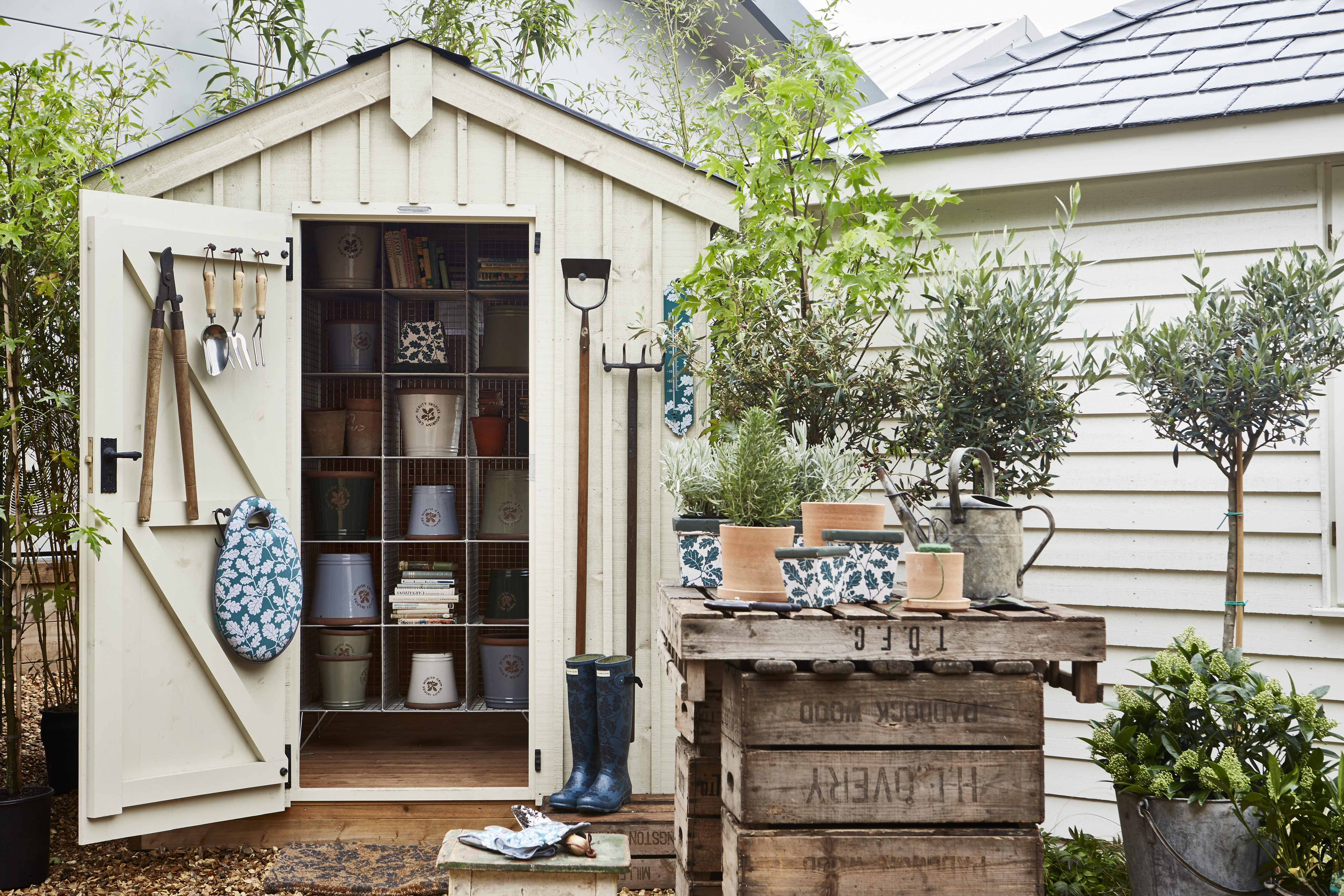
Credit: www.realhomes.com
Assess Your Space
Start by assessing your garden shed space. Identify items you need and discard unnecessary clutter. Use shelves and hooks to maximize storage, ensuring tools are accessible and organized. This approach simplifies finding what you need and maintaining a tidy, efficient workspace.
Organizing your garden shed might seem like a daunting task, but it starts with a simple step: assessing your space. Understanding what you have and what you need is crucial to creating a tidy and efficient shed. This section will guide you through evaluating your current layout and identifying your storage needs to make your shed work for you.
Evaluate Current Layout
Begin by taking a good look at your shed's existing layout. Notice how space is used and identify areas that feel cluttered or underutilized. Are there tools scattered everywhere? Perhaps you have a stack of pots in the corner taking up valuable room. Consider the flow of the space. Is it easy to find what you need? You want to avoid constantly moving items around to reach something at the back. Imagine walking into your shed and instantly grabbing the tool or item you need without a hassle. Think about vertical space. Often, sheds have unused wall areas that can be perfect for hanging tools or installing shelves. Reflect on how using these spaces can make your shed more functional.
Identify Storage Needs
Once you've evaluated the layout, pinpoint what you need to store. Make a list of all items currently in your shed. Be honest with yourself—do you need that broken rake or those cracked pots? Consider seasonal items. Do you have gardening tools that are only used in certain months? These can be stored differently to free up space for regularly used items. Think about accessibility. Do you need certain tools to be within arm's reach while others can be stored away? Prioritize your storage based on usage frequency. Use boxes or bins to categorize items. Label them clearly, so you know where everything is at a glance. You might find that storing small items together can save space and reduce clutter. Assessing your space is an ongoing process. As your gardening needs change, so might your storage requirements. Have you ever found yourself hunting for a tool you thought you had? Make notes of these experiences—they can guide you in optimizing your shed's organization. Organizing your garden shed isn't just about tidying up; it's about creating a space that supports your gardening goals. Are you ready to transform your shed into a garden haven?

Credit: www.youtube.com
Plan Your Layout
Start by planning your garden shed layout to keep tools and equipment in order. Arrange items by frequency of use. Place frequently used tools near the entrance for easy access.
Organizing your garden shed is not just about tidying up; it's about transforming it into a functional space where every item has its place and purpose. Planning your layout is the first crucial step in this transformation. Imagine walking into your shed and instantly finding exactly what you need without rummaging through piles. This section will guide you on how to achieve that clarity and efficiency.
Maximize Vertical Space
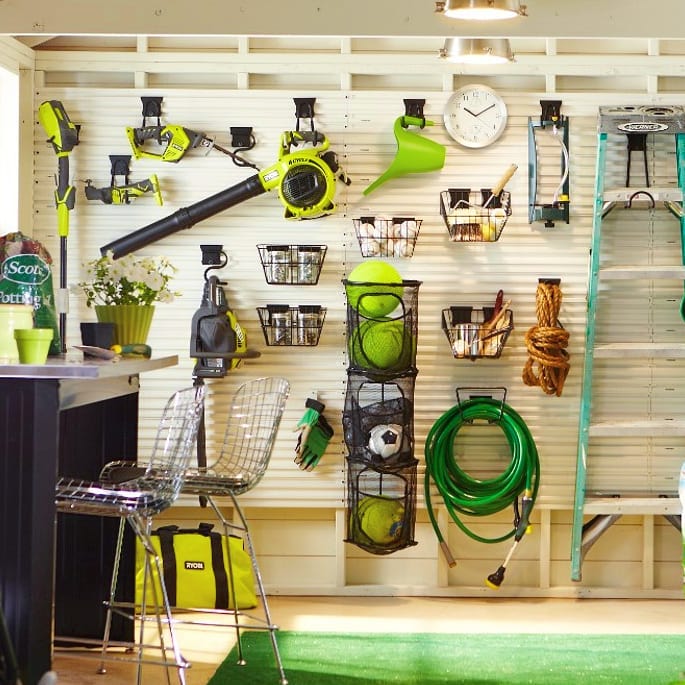
Utilize your shed's vertical space to its fullest potential. Think of your shed walls as blank canvases waiting to be filled with practical solutions. Install shelving units to store smaller tools or gardening supplies like seed packets and gloves. Pegboards are perfect for hanging tools such as spades and rakes. These boards allow you to customize the arrangement according to your needs. Consider using hooks to hang larger items like hoses and watering cans. This not only frees up floor space but also keeps everything easily accessible. Have you ever found yourself tripping over a hose? Hanging it up could be the simple solution.
Create Zones For Tools
Designating specific zones for your tools can dramatically improve your shed's organization. Start by categorizing your tools into groups based on their function. Create a dedicated area for hand tools, placing them in containers or on shelves where they are easy to grab. Power tools, on the other hand, might need a separate zone due to their size and weight. Consider building a sturdy rack or a cabinet to store them safely. Think about the tasks you perform most frequently. Would it make sense to have a planting station close to the door for quick access? Organizing your shed based on activity zones will save you time and streamline your gardening process. Remember, the goal is to make your shed work for you, not against you. What would your dream shed layout look like?
Storage Solutions
Discover efficient storage solutions to transform your garden shed into a tidy, functional space. Arrange tools by size and type for easy access. Install shelves and hooks to maximize vertical space and keep the floor clear.
Organizing your garden shed can transform your gardening experience. With the right storage solutions, you can turn chaos into order, making it easier to find tools and enjoy gardening. You might be surprised at how a well-organized shed can inspire creativity and efficiency. Having spent countless weekends wrestling with tangled hoses and misplaced trowels, I realized the importance of a good storage system. It’s like finding a hidden treasure when everything is neatly in its place. Let’s dive into some practical ideas to help you organize your garden shed.
Shelving Options
Shelves can be a game-changer in your garden shed. Opt for adjustable shelving units, which allow you to customize the height for different items. Use the vertical space to store pots, soil bags, and small tools. Consider installing shelves above head height for items you rarely use. If you’re on a budget, repurpose old wooden planks or crates as makeshift shelves. These can add a rustic charm to your shed while being functional.
Hooks And Racks
Hooks and racks are a must-have for organizing your garden tools. Hang your spades, rakes, and hoes to free up floor space. Magnetic strips can hold smaller metal tools like pruners and scissors. This keeps them accessible and prevents them from getting lost. Think about the convenience of having your tools within arm's reach. Consider labeling each hook or rack, so you’ll know exactly where everything goes. What other creative storage solutions have you tried in your garden shed? Share your tips and let’s keep the conversation going!
Organizing Tools And Equipment
Transform your garden shed into a tidy haven with simple organizing tools. Shelves and hooks make storing equipment easy. Categorize items for quick access and maximize space efficiently.
Organizing tools and equipment in your garden shed is crucial for a smooth gardening experience. A tidy shed means you can find what you need when you need it, and it prevents damage to your tools. Think of your shed as the heart of your garden operations—keeping it in order saves time and reduces stress.
Grouping Similar Items
Start by sorting your tools and equipment into categories. Put all your hand tools like trowels and pruners in one spot. Larger equipment such as lawnmowers and leaf blowers should have their own designated area. Does it make sense for your frequently used items to be within easy reach? Absolutely! Keep things you use often at eye level and items you rarely need on higher shelves. This simple change can make your gardening routine much more efficient.
Labeling Storage Areas
Once your tools are grouped, label each storage area clearly. Use bold, readable fonts and waterproof labels for longevity. Labels serve as constant reminders of where things belong, making it easier to maintain order. Have you ever wasted time searching for a tool? Labeling helps you avoid this hassle. It also allows others in your household to help with gardening tasks without needing a tour of the shed. Organizing your garden shed can feel like a daunting task, but once you implement these strategies, the benefits become evident. Imagine walking into your shed, knowing exactly where everything is. It transforms gardening from a chore into a pleasure. Why wait to streamline your gardening experience? Start organizing your tools and equipment today!
Seasonal Organization
Transform your garden shed with smart seasonal organization. Arrange tools by frequency of use and group similar items together. Use shelves and hooks to maximize space, keeping essentials within easy reach.
Organizing your garden shed by season can transform how you garden throughout the year. This approach not only saves space but also ensures that you have the right tools at your fingertips when you need them most. Let's dive into how you can set up your shed for seasonal efficiency.
Rotating Seasonal Tools
Think about the tools you use most during spring and summer. These might include hoes, rakes, and your trusty watering can. Store these items at the front of your shed as spring approaches. As autumn rolls in, it's time to swap out these tools for fall essentials. Leaf blowers, rakes, and pruning shears should take center stage. This rotation keeps your shed organized and your gardening efforts seamless. Consider creating a checklist for each season. This helps you remember which tools to rotate as the weather changes. A simple list can save you time and effort.
Preparing For Winter
Winterizing your garden tools is crucial. Clean and oil your tools to prevent rust and damage. This small step can extend the life of your equipment. Consider using storage bins to protect delicate items from cold and moisture. Label these bins clearly so you can find what you need without hassle. Do you use any outdoor furniture or decorations? Safely store them in your shed to protect them from harsh winter conditions. This ensures they're ready to use when spring returns. By organizing your garden shed seasonally, you create a more enjoyable and efficient gardening experience. What strategies have you found helpful in keeping your tools organized? Share your thoughts and help fellow gardeners enhance their sheds!
Maintaining Order
Keeping your garden shed organized saves time and effort. It also ensures you find your tools easily. A cluttered shed can be frustrating. Regular maintenance is key.
By establishing a routine, you can maintain order. This helps in maximizing space. It also prolongs the life of your tools. Let's explore how to keep your shed in top shape.
Regular Cleanup Routine
A regular cleanup routine helps in maintaining order. Dedicate a day each month for this task. Start by removing all items from the shed. Clean the floor and shelves thoroughly.
Check tools for rust or damage. Dispose of any broken or unused items. This routine keeps your shed tidy. It also makes it easy to locate items when needed.
Updating Storage Systems
Updating storage systems can make a big difference. Invest in shelves and hooks for better organization. Use clear bins for small items. Label them for easy identification.
Consider installing pegboards for hanging tools. This keeps tools visible and accessible. Adjustable shelves offer flexibility. They can be modified as your needs change.
Safety Tips
Organizing your garden shed enhances safety. Store sharp tools on shelves or hang them to prevent accidents. Keep chemicals in labeled containers and place heavy items on lower shelves to avoid falls. Regularly clean and declutter to maintain a safe environment.
When organizing your garden shed, safety should be a top priority. A cluttered and disorganized shed can lead to accidents, especially when tools and equipment are not stored properly. By following a few safety tips, you can create a secure environment that protects both you and your family. Let's dive into some practical advice to ensure your garden shed is a safe space.
Secure Heavy Items
Heavy items, like lawnmowers, bags of soil, and large tools, can pose a serious risk if not stored securely. Store these items on low shelves or on the ground to prevent them from falling. Consider using hooks or brackets to secure taller equipment against the wall. You can use bungee cords to hold items in place. This simple step can prevent accidents and save you from unexpected injuries. Have you ever walked into your shed, only to have a tool tumble down unexpectedly? Avoid this by keeping heavy items firmly secured.
Childproofing Your Shed
If children have access to your garden shed, it's essential to take extra precautions. Store sharp tools, chemicals, and other dangerous items out of their reach. Lock these items in a cabinet or use childproof locks to ensure safety. Kids are naturally curious. A garden shed can be a treasure trove of intriguing objects for them. Install a high shelf or a locked storage box for items like pesticides and sharp gardening tools. Always double-check that the shed door is securely closed when you're done. By focusing on safety, you can transform your garden shed into a well-organized and secure space. What steps can you take today to make your shed safer? Implementing these tips not only protects your family but also gives you peace of mind as you enjoy your gardening activities.
Credit: www.extraspace.com
Frequently Asked Questions
How Do I Start Organizing My Garden Shed?
Begin by decluttering and removing unused items. Sort tools and supplies into categories. Use shelves, hooks, and bins for efficient storage. Label containers for easy identification. Regularly maintain your shed by cleaning and reorganizing as needed. This helps keep your space functional and tidy.
What Tools Are Essential For A Garden Shed?
Essential tools include a shovel, rake, pruning shears, and a trowel. A watering can and hose are also important. Consider adding a wheelbarrow for heavy lifting. Organize these tools on hooks or shelves to save space. Regularly check and maintain your tools for longevity.
How Can I Maximize Storage Space?
Use vertical storage solutions like wall-mounted shelves and pegboards. Stackable bins and clear containers help keep items organized. Install hooks for hanging tools and equipment. Utilize the back of the shed door for additional storage. Regularly declutter to ensure optimal use of space.
What's The Best Way To Store Gardening Supplies?
Store supplies in labeled, airtight containers to protect them from moisture and pests. Use shelves or bins to keep items organized. Group similar items together for easy access. Keep frequently used supplies at eye level. Regularly check expiration dates and replace as needed.
Conclusion
Organizing your garden shed makes life simpler and more enjoyable. Clear pathways help you find tools quickly. Labels on containers keep items neat and tidy. Shelves maximize space for easy access. Regular cleaning prevents clutter from building up. A well-organized shed saves time and reduces stress.
Enjoy gardening more with everything in its place. Feel proud of your tidy shed, ready for action anytime. Start today and see the difference organization makes. Your garden and shed will thank you. Happy gardening!