
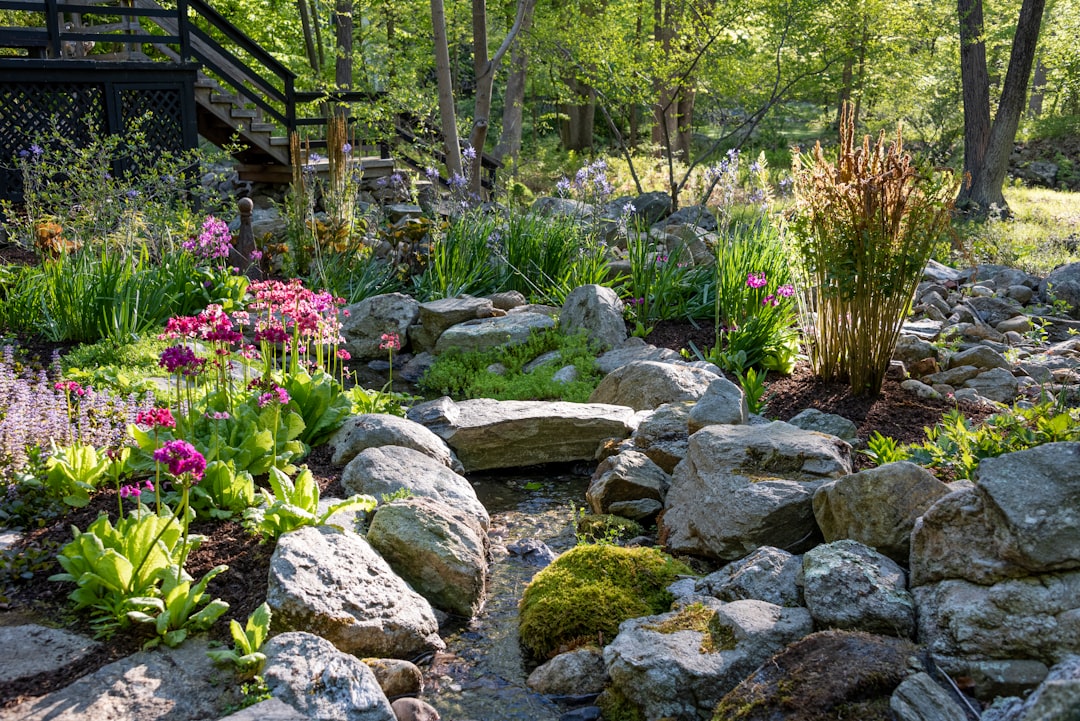
Imagine stepping into your backyard and feeling like you’ve entered your own private oasis. The sight of vibrant flowers, the scent of fresh herbs, and the sound of rustling leaves can transform any outdoor space into a personal paradise.
If you’ve ever dreamed of creating such a sanctuary, you’re in the right place. Landscaping your garden might seem daunting, but with the right guidance, you can turn your vision into reality. This guide will walk you through the essential steps, helping you design a space that reflects your style and meets your needs.
Whether you have a sprawling yard or a cozy patio, you’ll find tips and tricks to make your garden a true extension of your home. Ready to dig in and discover how to landscape your garden like a pro? Let’s get started!
Planning Your Garden
Designing a garden involves choosing plants, arranging pathways, and adding decorative elements. Start with a sketch of your space. Consider sunlight and soil type to select the right plants.
Planning your garden is the most exciting phase of landscaping. It’s where your dreams start taking shape and ideas transform into real possibilities. Whether you have a sprawling backyard or a tiny urban plot, thoughtful planning sets the stage for a beautiful, functional space. Let's dive into the essential steps involved in planning your dream garden.
Assessing Your Space
The first step in planning your garden is understanding the space you have. Look at the shape, size, and natural features of your garden. Is it flat or sloped? Does it get full sun, partial sun, or is it mostly shaded? Take a walk around your yard with a notebook. Jot down notes about the soil quality and drainage. You might notice some areas are naturally wetter or drier than others. This information will be invaluable when selecting plants. Consider the view from your windows and how you want to interact with your garden. Will you be hosting outdoor gatherings, or do you prefer a tranquil retreat? Your answers will help tailor the space to your lifestyle.
Setting Goals And Priorities
What do you want most from your garden? Is it a vibrant flower display, a vegetable patch, or a peaceful spot to unwind? Listing your goals helps focus your efforts. Once you've established your goals, prioritize them. You might want a lush lawn, but if your priority is growing organic vegetables, the lawn can wait. Think about how much time you can realistically dedicate to maintenance. A low-maintenance garden might be a priority if you have a busy lifestyle.
Creating A Budget
Budgeting is essential to avoid overspending and ensure your garden project is sustainable. Start by listing the key elements you need, like plants, soil, and tools. Research costs online or visit local garden centers to get a sense of pricing. Remember to include hardscaping materials if you're planning paths or patios. Consider what's essential and what can wait. Perhaps invest in quality soil and plants initially. Decorative items and additional features can be added over time as budget allows. As you plan, remember that patience is part of the process. Gardens grow and evolve, and so can your vision. What unique goals do you have for your garden, and how will you make them a reality? Let's get started!
Design Principles
Creating a garden landscape involves more than just planting flowers. It requires a thoughtful design. The design principles guide you in crafting a beautiful, functional outdoor space. These principles help balance aesthetics with practicality. They ensure your garden is both pleasing and purposeful.
Balancing Form And Function
Form and function are key in garden design. Form refers to the visual aspects like shapes and textures. Function focuses on the garden's usability. A well-designed garden balances these two elements. It provides beauty while meeting your needs. Consider pathways, seating areas, and plant selection. Each element should serve a purpose and add to the garden's look.
Selecting A Theme
Choosing a theme simplifies your design process. A theme can be anything from tropical to minimalist. It sets the tone for your garden. A consistent theme ties different elements together. It creates a cohesive and harmonious look. Themes guide your choices in plants, colors, and materials. They help maintain a unified appearance throughout your garden.
Incorporating Hardscapes
Hardscapes are the non-living features in your garden. They include patios, walkways, and walls. Hardscapes add structure and functionality to your garden. They provide contrast and balance to the soft elements like plants. Choose materials that complement your theme. Ensure they are durable and weather-resistant. Thoughtful hardscape design enhances your garden's overall appeal.
Choosing Plants
Choosing the right plants can transform your garden into a stunning oasis. The key lies in understanding your climate, selecting native plants, and mixing perennials with annuals. These steps ensure your garden thrives and looks beautiful all year round.
Understanding Your Climate
Your climate dictates which plants will flourish. Research the average temperature and rainfall in your area. Consider seasonal changes as well. Warm climates suit tropical plants. Cooler areas might favor hardy shrubs. Knowing this helps you pick plants that thrive naturally.
Selecting Native Plants
Native plants are adapted to your local soil and climate. They require less maintenance and water. Choosing them supports local wildlife too. Visit local nurseries or botanical gardens for advice. Native plants enhance your garden's ecosystem and resilience.
Mixing Perennials And Annuals
Perennials return year after year, providing stable beauty. Annuals offer vibrant colors but need replanting. Mixing both adds variety and texture to your garden. Perennials form the backbone, while annuals add seasonal flair. This blend keeps your garden lively and diverse.
Soil And Drainage
Proper soil and drainage ensure a healthy garden landscape. Good soil allows roots to grow strong. Effective drainage prevents waterlogging, promoting vibrant plant life.
Transforming your garden into a lush, vibrant space often begins with understanding the essentials of soil and drainage. These two elements form the foundation of any successful landscaping project. Whether you're a seasoned gardener or a beginner, knowing how to manage soil quality and drainage can elevate your garden from ordinary to extraordinary.
Testing And Improving Soil
Before planting, it's crucial to understand what lies beneath your feet. Have you ever wondered why some plants thrive while others wither? The secret often lies in the soil. Start by testing your soil's pH and nutrient levels. You can purchase a simple test kit from your local garden center. This will help you determine whether you need to add lime to raise the pH or sulfur to lower it. Once you know your soil’s condition, consider adding organic matter like compost or well-rotted manure. This enriches the soil, enhances its texture, and promotes better root growth. Remember, healthy soil is the foundation of a thriving garden.
Ensuring Proper Drainage
Have you noticed puddles forming in certain parts of your garden after a rainstorm? Poor drainage can lead to root rot and other plant diseases. To improve drainage, consider installing French drains or creating raised beds. Raised beds allow excess water to flow away, preventing waterlogging. Another simple solution is to mix sand or gravel into heavy clay soils. This improves permeability, allowing water to drain more effectively. Your plants will thank you with vigorous growth and vibrant blooms.
Using Mulch Effectively
Mulch is like a secret weapon for gardeners. It helps retain moisture, suppress weeds, and even enhance the look of your garden. Spread a layer of organic mulch, such as wood chips or straw, around your plants. This not only keeps the soil moist but also adds nutrients as it breaks down. But be cautious not to pile mulch against plant stems, as this can lead to rot. Instead, leave a small gap to ensure air circulation. With the right mulch strategy, your garden will thrive with less effort. As you refine your gardening skills, remember that soil and drainage form the heart of your garden's ecosystem. Each choice you make affects your plants' health and vitality. What steps will you take to transform your garden into a thriving oasis?
Watering And Irrigation
Watering is crucial for a healthy garden. Proper irrigation supports plant growth. It's important to understand the right techniques. Overwatering can harm plants. Underwatering leaves them dry and weak. Finding a balance is key. Let's explore how to manage watering and irrigation effectively.
Installing Irrigation Systems
Irrigation systems simplify garden watering. They ensure even water distribution. Drip irrigation is popular. It delivers water directly to roots. This reduces waste. Sprinkler systems cover larger areas. They're great for lawns. Choose a system that suits your garden size. Consider climate and soil type too. Proper installation saves time and effort.
Water Conservation Techniques
Conserving water is essential. It benefits both the environment and your budget. Use mulch to retain soil moisture. This reduces evaporation. Collect rainwater in barrels. It's free and sustainable. Water plants early morning. This minimizes evaporation losses. Group plants with similar needs. It ensures efficient water use.
Smart Watering Tips
Smart watering maximizes efficiency. Check soil moisture before watering. Use a moisture meter for accuracy. Water deeply but less frequently. This encourages root growth. Avoid watering in windy conditions. Wind increases evaporation. Use timers for consistent watering schedules. Smart controllers adjust to weather changes. These tips help maintain a healthy garden.
Lighting And Ambiance
Transform your garden with thoughtful lighting. Highlight paths with soft lights and create cozy corners with warm glows. Use solar lights for an eco-friendly touch, enhancing the ambiance effortlessly.
Lighting and ambiance can transform your garden into a magical space, especially during the evening hours. A well-lit garden not only enhances safety but also amplifies the beauty of your outdoor area. By carefully selecting and placing lights, you can create an inviting atmosphere that encourages relaxation and enjoyment.
Choosing Outdoor Lighting
Selecting the right outdoor lighting requires thought. Start by considering the purpose of your lights. Do you want to highlight specific features, improve visibility, or create a cozy atmosphere? LED lights are energy-efficient and come in various colors. Solar-powered lights are also an excellent choice if you want to save on electricity bills. Remember, the right lighting can significantly impact the overall feel of your garden.
Creating Focal Points
Focal points draw attention and add interest to your garden. Use lighting to emphasize elements like sculptures, water features, or unique plants. Spotlights can be directed towards tall trees or garden art. Path lights gently guide visitors through your garden, ensuring safety while enhancing beauty. Think about what you want people to notice first when they enter your garden.
Enhancing Nighttime Appeal
Evenings in the garden should be enchanting. Soft, warm lights can create a welcoming ambiance. String lights draped over a patio or among trees offer a whimsical touch. Consider using lanterns or candles for a more intimate feel. Experiment with different lighting arrangements and observe how they transform the space. How does your garden make you feel at night? Aim for a setup that invites you to linger and enjoy the quiet of the evening. Lighting is more than just a practical addition to your garden. It's an opportunity to express your style and create a space that feels truly yours. Which aspect of lighting excites you the most?
Maintenance Tips
Creating a beautiful landscape garden involves regular maintenance. Trim plants to encourage healthy growth. Remove weeds to keep your garden tidy and attractive. Water plants deeply but less often to develop strong roots.
Maintaining your landscaped garden is as crucial as the initial design and planting. A well-maintained garden not only enhances the aesthetic appeal but also promotes healthy plant growth. You might wonder, where do you start with maintenance? Let's dive into some practical tips to keep your garden flourishing all year round.
Regular Pruning And Trimming
Pruning and trimming are essential tasks that help your garden stay neat and healthy. Cut back overgrown branches and remove dead or diseased foliage. This encourages new growth and prevents the spread of diseases. Have you noticed how a simple trim can transform your garden? Regularly pruning your plants can enhance their shape and stimulate blooming. Use sharp, clean tools to prevent any damage or disease transfer.
Dealing With Pests And Diseases
Pests and diseases can wreak havoc on your garden if not managed properly. Identify common garden pests such as aphids and slugs early. Use natural remedies like neem oil or introduce beneficial insects like ladybugs to control pest populations. In my experience, vigilance is key. Inspect your plants regularly and act quickly if you spot any signs of trouble. This proactive approach can save you from larger issues down the line.
Seasonal Care Routines
Each season brings its own set of challenges and opportunities for your garden. In spring, focus on planting and fertilizing. Summer requires consistent watering and mulching to retain moisture. Autumn is perfect for cleaning up fallen leaves and preparing your garden for winter. In winter, protect your plants from frost by using covers or moving potted plants indoors. How do you adapt your garden care throughout the year? By aligning your efforts with the seasons, you ensure that your garden thrives, no matter the weather.
Sustainability Practices
Creating an eco-friendly garden involves choosing native plants, using organic fertilizers, and minimizing water waste. Mulching helps retain moisture and suppress weeds, while composting enriches the soil naturally. By following sustainable practices, your garden can thrive while reducing environmental impact.
Creating a sustainable garden is more than just a trend; it's a way to protect the environment and enjoy a thriving, balanced outdoor space. By adopting sustainable practices, you can reduce waste, conserve resources, and contribute to a healthier ecosystem. Let's explore some practical strategies to make your garden more sustainable and environmentally friendly.
Composting And Recycling
Start with composting. Composting transforms kitchen scraps and garden waste into nutrient-rich soil. Imagine turning your vegetable peels into food for your plants! Setting up a compost bin is easy. Choose a spot in your garden, add a mix of green and brown materials, and let nature do its work. You reduce landfill waste and enrich your soil, creating a win-win situation. Don't forget recycling. Use old containers, bottles, or broken tools creatively in your garden. They can serve as planters, edging, or even decorative elements. What items can you repurpose in your garden today?
Using Eco-friendly Materials
Opt for eco-friendly materials whenever possible. Bamboo, reclaimed wood, and stone are great choices for garden furniture and paths. They blend beautifully with nature and have a lower environmental impact. Consider using organic fertilizers and pesticides. These products are less harmful to beneficial insects and the surrounding ecosystem. How much healthier could your garden be with fewer chemicals? Look into solar-powered garden lights. They are energy-efficient and reduce your carbon footprint. Plus, they add a charming glow to your garden at night.
Encouraging Wildlife
Invite wildlife into your garden. Birds, bees, and butterflies contribute to pollination and pest control. A birdbath or a bee hotel can be simple yet effective additions. Plant native species. They are adapted to your local climate and require less maintenance. Native plants provide food and shelter for local wildlife, creating a balanced ecosystem. Create a small water feature. Even a tiny pond can attract frogs and dragonflies, adding to the biodiversity of your garden. What unique creatures might visit your garden with these changes? Sustainable gardening is about making choices that benefit both you and the planet. By composting, using eco-friendly materials, and encouraging wildlife, you can transform your garden into a haven of sustainability. Why not start today and see the difference it makes?
Frequently Asked Questions
How Do I Start Landscaping My Garden?
Begin by assessing your garden's current condition. Identify areas that need improvement. Plan a layout considering space, sunlight, and soil type. Choose plants suited to your climate. Set a budget and timeline. Gather necessary tools. Start with hardscaping tasks like paths or patios, then move on to planting.
What Are Essential Landscaping Tools?
Essential tools include a shovel, rake, hoe, pruners, and wheelbarrow. A garden hose and gloves are useful too. A lawn mower or trimmer may be needed for maintenance. Consider investing in a trowel for detailed work. Ensure tools are durable and comfortable to use.
How Do I Choose Plants For Landscaping?
Select plants based on your garden's climate, soil, and sunlight exposure. Consider plant size and growth rate. Choose a mix of perennials and annuals for seasonal interest. Opt for native plants for easier maintenance. Balance color, texture, and form for visual appeal.
How Can I Maintain My Landscaped Garden?
Regular maintenance includes watering, pruning, and fertilizing. Mulch to retain moisture and suppress weeds. Monitor for pests and diseases. Adjust care routines seasonally. Clean tools after use and store them properly. Set a weekly schedule for garden tasks to keep it thriving.
Conclusion
Creating a beautiful garden takes planning and patience. Start by choosing plants suited to your climate. Arrange them by height for visual appeal. Use mulch to retain moisture and reduce weeds. Remember to water regularly. Add pathways for easy access and decoration.
Don't forget seating areas for relaxation. Use lighting for a magical touch at night. Regular maintenance keeps your garden thriving. Trim, prune, and fertilize as needed. Enjoy your outdoor space and watch it grow. Happy gardening!


