
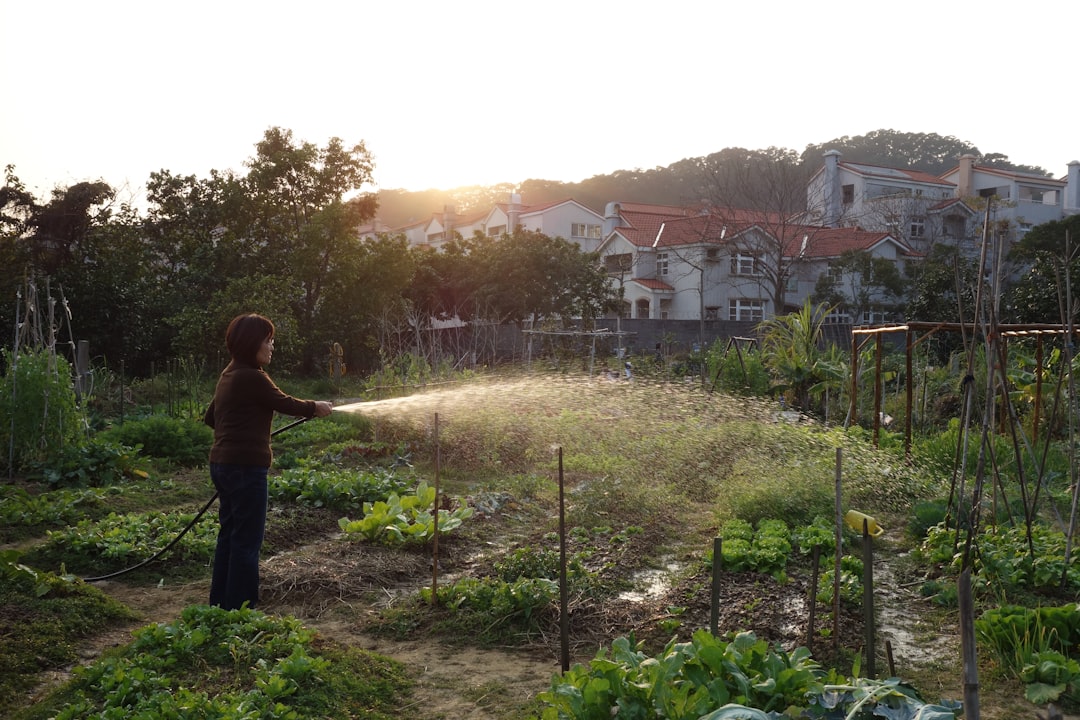
Imagine stepping into your backyard and picking fresh, vibrant vegetables for your dinner. This isn't a dream—it can be your reality with a small organic vegetable garden.
Growing your own produce is not only rewarding but also a step toward a healthier lifestyle. You might think it's complicated or time-consuming, but that’s far from the truth. With a few simple steps, you can transform a small patch of land into a thriving garden full of delicious, chemical-free vegetables.
Are you ready to discover how to make this happen? Keep reading to learn the secrets to growing a bountiful organic vegetable garden, even in a limited space. Let’s turn your gardening goals into a reality, one plant at a time.
Choosing The Right Location
Choosing the right location is essential for a thriving vegetable garden. The spot you pick impacts growth and yield. A good location ensures your plants get what they need. Let's explore the key factors in selecting the best spot for your small organic vegetable garden.
Sunlight Requirements
Vegetables need sunlight to grow well. Aim for a spot that gets six to eight hours of sunlight daily. South-facing areas often get the most sun. Observe your yard throughout the day. Note which spots get the most sunlight. Avoid shaded areas. These spots may hinder plant growth.
Soil Quality Considerations
Soil quality plays a crucial role in plant health. Choose a spot with rich, well-draining soil. Test your soil for nutrients and pH levels. You can improve poor soil with compost or organic matter. Avoid areas with heavy clay or sand. These soil types may require more amendments.
Accessibility And Convenience
Your garden should be easy to reach. Pick a location close to your home. This makes watering and harvesting more convenient. Ensure there's a water source nearby. Dragging hoses long distances is tiresome. A convenient location keeps you engaged with your garden. This helps your plants thrive.
Selecting Vegetables
Choosing the right vegetables is key for a thriving organic garden. Opt for varieties suited to your climate and soil. Consider easy-to-grow options like tomatoes, lettuce, and carrots for beginners.
Selecting the right vegetables is a crucial step in growing a successful small organic vegetable garden. The choices you make here can determine your garden's yield and the amount of effort you'll need to invest. With so many options available, how do you decide which vegetables will thrive in your garden? Let's dive into some key considerations to help you make the best choices.
Climate And Season Compatibility
Understanding your local climate and the seasons is essential for selecting vegetables that will flourish. Check your region's hardiness zone to see which vegetables are best suited for your area. Warm-season vegetables like tomatoes and peppers love the heat, while cool-season crops such as lettuce and spinach prefer milder temperatures. Knowing when to plant these can mean the difference between a bountiful harvest and a disappointing yield.
Space-saving Options
If you're working with limited space, you’ll need to be strategic about your plant choices. Consider vertical gardening techniques to maximize your area. Climbing plants like cucumbers and pole beans can grow upwards, freeing up ground space for other crops. Dwarf or bush varieties of plants can also be a great fit for small gardens, allowing you to grow more in less space.
Companion Planting Benefits
Companion planting can enhance your garden's productivity by pairing plants that support each other’s growth. Marrying the right vegetables can improve flavor, deter pests, and boost growth. For example, planting basil near tomatoes can enhance tomato flavor and repel harmful insects. Have you ever tried growing carrots with onions? The onions can deter carrot flies, creating a healthier environment for your carrots. Choosing the right vegetables doesn’t have to be overwhelming. With a little research and planning, you can create a thriving, space-efficient, and harmonious garden. What combinations are you excited to try in your own garden?
Preparing The Soil
Start with clearing weeds and rocks. Add organic compost to enrich the soil. Ensure good drainage for healthy roots.
Preparing the soil is a crucial step in growing a thriving organic vegetable garden. Healthy soil ensures your plants get the nutrients they need. This foundation supports robust growth and abundant harvests. Let’s explore how to prepare your soil effectively.
Composting Essentials
Composting enriches soil with essential nutrients. Start by collecting kitchen scraps like fruit peels and coffee grounds. Add yard waste such as leaves and grass clippings. Mix these materials in a compost bin. Turn the pile regularly to speed up decomposition. After a few months, you'll have rich compost ready to use.
Organic Soil Amendments
Organic amendments improve soil structure and fertility. Consider using materials like aged manure and worm castings. These add organic matter and beneficial microbes to the soil. Spread amendments evenly across your garden bed. Mix them into the top few inches of soil.
Ph Level Adjustments
Soil pH affects nutrient availability. Test your soil using a simple pH kit. Most vegetables prefer a pH between 6.0 and 7.5. If your soil is too acidic, add lime to raise the pH. For alkaline soil, incorporate sulfur to lower the pH. Retest after a few weeks to check changes. Ensuring your soil is well-prepared sets the stage for a successful garden. Healthy soil leads to healthy plants. Invest time in soil preparation for bountiful harvests.
Planting Techniques
Starting an organic vegetable garden requires understanding simple planting techniques. Select a sunny spot and prepare soil with compost for nourishment. Space plants to give roots room to grow. Water regularly and watch for pests. Use natural methods to keep your garden healthy and thriving.
Planting Techniques are the backbone of a thriving organic vegetable garden. Understanding the right techniques can make the difference between a garden that flourishes and one that falters. Whether you're a novice or have some experience, mastering these techniques will empower you to nurture a bountiful harvest.
Seed Starting Methods
Starting your seeds indoors is a game changer for any organic vegetable garden. It gives you a head start on the growing season and allows you to control the initial environment. Use biodegradable pots to reduce waste and make transplanting seamless. Proper lighting is crucial for seed germination. A sunny windowsill might suffice, but grow lights can ensure your seedlings get the necessary light. Maintain consistent moisture by using a spray bottle; overwatering can drown your seeds.
Transplanting Tips
Transplanting seedlings into your garden can be stressful for the plants. Choose a cloudy day or late afternoon to minimize sun stress. Prepare the soil with compost to give your plants a nutrient boost. Handle seedlings gently by their leaves, not the stem, to avoid damage. Water them well after transplanting to settle the roots and remove air pockets. Have you noticed how plants seem to perk up after a good rain? Mimicking this with a thorough watering can make a world of difference.
Succession Planting Strategies
Succession planting keeps your garden productive throughout the season. Instead of planting all at once, stagger your planting times. This approach ensures a continuous harvest and maximizes the use of your space. Plant fast-growing crops like radishes or lettuce in the spaces between slower-growing plants. As the faster crops mature and are harvested, they make room for the others. Have you ever considered how much more you could harvest by just tweaking your planting schedule? By adopting these planting techniques, you'll be well on your way to a flourishing organic vegetable garden. What strategies will you try first?
Watering Practices
Watering practices are crucial for a thriving organic vegetable garden. Proper techniques ensure plants get the right amount of water. This helps them grow strong and healthy. Understanding efficient systems, rainwater harvesting, and mulching can save water and effort.
Efficient Watering Systems
Drip irrigation is an excellent choice for small gardens. It delivers water directly to the roots. This reduces waste and saves time. Sprinklers can be useful but often lead to excess evaporation. Soaker hoses are another option. They distribute water evenly and are easy to set up. Choose a system that suits your garden's layout and size.
Rainwater Harvesting
Collecting rainwater is a sustainable watering method. It reduces reliance on tap water. Install a rain barrel under a downspout. This captures water during showers. Use the stored water to nourish your plants. It's free and environmentally friendly. Ensure the container is covered to prevent mosquito breeding.
Mulching For Moisture Retention
Mulching helps keep soil moist. It prevents water evaporation and controls weed growth. Use organic materials like straw or wood chips. Spread a thick layer around your plants. This shields the soil from direct sunlight. Mulching also improves soil health over time. Your plants will thrive with less water.
Pest And Disease Management
Effective pest and disease management is crucial for a thriving organic vegetable garden. Use natural methods like companion planting and organic sprays to protect crops. Regularly inspect plants for signs of trouble, ensuring healthy growth and bountiful harvests.
Growing a small organic vegetable garden is a rewarding endeavor, but it does come with its challenges, particularly in managing pests and diseases. If you've ever found yourself frustrated by mysterious holes in your cabbage leaves or wilting tomato plants, you're not alone. Pest and disease management is a crucial aspect of maintaining a healthy garden, ensuring your plants thrive and produce bountiful harvests. Understanding how to tackle these challenges naturally not only protects your plants but also keeps your produce free from harmful chemicals. Let’s explore some effective strategies to keep your garden healthy and vibrant.
Natural Pest Control Solutions
Using natural pest control methods is not only better for the environment but also for your health. Start by encouraging beneficial insects like ladybugs and lacewings, which prey on harmful pests. Planting flowers such as marigolds and daisies can attract these helpful allies to your garden. Consider handpicking larger pests like caterpillars and slugs early in the morning. It's a simple yet effective way to reduce their numbers. If your pest problem is more persistent, try neem oil or insecticidal soap, both of which are organic and safe for your plants. Reflect on your garden layout. Companion planting can deter pests naturally. For instance, growing onions alongside carrots can ward off carrot flies. Have you ever tried mixing your crops to confuse pests?
Identifying Common Diseases
Recognizing the signs of common plant diseases early can save your garden from significant damage. Keep an eye out for yellowing leaves, which can indicate a fungal infection. Wilting or stunted growth might suggest a bacterial problem. Regularly inspect the undersides of leaves where many diseases like powdery mildew start. A simple magnifying glass can help you catch early signs. Is there a pattern to the symptoms that could suggest a particular disease? Document your observations. Creating a log of symptoms and conditions can help you identify recurring problems. Remember, knowledge is your first line of defense.
Preventative Measures
Preventing pests and diseases starts with healthy soil. Ensure your soil is rich in organic matter and well-drained to promote strong root systems. Rotate your crops each season to prevent soil-borne diseases from taking hold. Implement a regular watering schedule that avoids over-saturating the soil, as excess moisture can lead to fungal growth. Mulching can help retain moisture and suppress weeds, which compete for nutrients. Consider using physical barriers like row covers to keep pests at bay while allowing sunlight and rain to nourish your plants. What steps are you taking to protect your garden throughout the season? By integrating these strategies into your gardening routine, you can enjoy a thriving vegetable garden with minimal pest and disease issues. Remember, every gardener faces challenges, but with patience and observation, you can overcome them and reap the rewards of your labor. How will you enhance your garden's resilience this year?
Harvesting Techniques
Harvesting your organic vegetables correctly is key to garden success. It ensures you enjoy the best flavors and nutritional value. There are simple techniques to master this important step.
Proper timing, using the right tools, and storing your bounty are essential. Let’s explore these techniques to make your garden thrive.
Timing For Peak Flavor
Timing is crucial for tasty vegetables. Harvest vegetables early in the morning. The sun hasn't dried them out yet. Leafy greens like lettuce taste best before they flower. Tomatoes and peppers should be bright and firm.
Root vegetables like carrots are ready when tops are about an inch in diameter. Check your plants often. This ensures you don’t miss the perfect moment.
Tools And Methods
Use the right tools for easy harvesting. Sharp scissors are great for herbs and greens. A garden fork works well for root vegetables. Gently twist tomatoes and peppers off their stems.
Be careful with your plants. Proper handling prevents damage and increases yield.
Post-harvest Storage Tips
Storing vegetables correctly maintains their freshness. Keep leafy greens in a plastic bag in the fridge. Store root vegetables in a cool, dark place. Tomatoes should be kept at room temperature.
Avoid storing fruits and vegetables together. Some fruits release ethylene gas. This can spoil your vegetables faster.
Sustainability Practices
Creating a small organic vegetable garden is rewarding and eco-friendly. Sustainability practices ensure your garden thrives while protecting the environment. Implementing these practices reduces waste, improves soil health, and boosts biodiversity. Let's explore some key techniques to maintain your garden's sustainability.
Crop Rotation Benefits
Crop rotation improves soil health and reduces pest issues. By changing plant locations yearly, soil nutrients are better preserved. This practice prevents nutrient depletion and reduces the chance of disease. Rotating crops helps your garden stay productive and vibrant.
Building Biodiversity
Biodiversity strengthens your garden by attracting beneficial insects. Plant a variety of vegetables, herbs, and flowers. This diversity creates a balanced ecosystem. Beneficial insects help control pests naturally. A diverse garden also improves pollination and soil quality.
Reducing Waste
Reducing waste in your garden is essential for sustainability. Compost kitchen scraps and garden waste to enrich soil. Use rain barrels to collect water for irrigation. Recycle old containers as plant pots. These practices minimize waste and support a healthier garden environment.
Frequently Asked Questions
What Is The Best Soil For Organic Vegetables?
The ideal soil for organic vegetables is rich in nutrients and well-draining. A mix of compost, peat moss, and vermiculite works well. This combination retains moisture and provides essential nutrients, ensuring healthy plant growth and abundant harvests. Regularly testing and amending your soil will further enhance productivity.
How Often Should I Water My Vegetable Garden?
Water your vegetable garden consistently, aiming for 1 inch per week. The frequency depends on soil type, weather, and plant needs. Morning is the best time to water, reducing evaporation. Ensure soil remains moist but not soggy. Mulching helps retain moisture and prevent weeds, aiding in water conservation.
Which Vegetables Grow Best Organically?
Organic gardening thrives with hardy vegetables like tomatoes, peppers, lettuce, and carrots. These vegetables are generally easy to grow and maintain. They adapt well to organic practices, yielding nutritious produce. Consider rotating crops and companion planting for improved soil health and pest management.
How Can I Prevent Pests Naturally?
Natural pest prevention involves using companion plants, beneficial insects, and homemade sprays. Marigolds deter harmful insects, while ladybugs control aphids. Neem oil or garlic sprays are effective organic solutions. Regularly inspect plants for pests, ensuring timely intervention to maintain a healthy garden.
Conclusion
Growing your own organic vegetable garden is rewarding. Fresh veggies. Healthy meals. It's simpler than you think. Start small. Learn as you go. Choose easy-to-grow plants. Tomatoes. Lettuce. Carrots. Water regularly. But not too much. Check soil quality. Compost helps.
Protect plants from pests. Use natural solutions. Enjoy the process. Gardening is relaxing. Watch your garden flourish. Share your harvest with family. Friends. Remember, patience is key. Gardening takes time. But the results are worth it. Keep experimenting. Improve your skills each season.
Soon, you'll have a thriving garden. Full of life. Full of flavor.


