Are stink bugs turning your garden into a battleground? These pesky invaders can wreak havoc on your beloved plants, leaving you frustrated and desperate for a solution.
But before you reach for harsh chemicals, consider a more natural approach. Discovering how to get rid of stink bugs in your garden organically not only protects your precious crops but also preserves the environment. Imagine strolling through your garden, breathing in the fresh air, without the worry of toxins harming your plants or the ecosystem.
Intrigued? Keep reading to uncover simple, effective methods that will empower you to reclaim your garden and restore its natural balance. Your garden's health is in your hands, and the organic path is the way forward.
Understanding Stink Bugs
Stink bugs can be quite the nuisance in your garden, especially when you're nurturing your plants organically. Understanding these critters is the first step to managing them effectively. Knowing their habits and life cycle can arm you with the knowledge to tackle them without resorting to harmful chemicals.
Identifying Stink Bugs
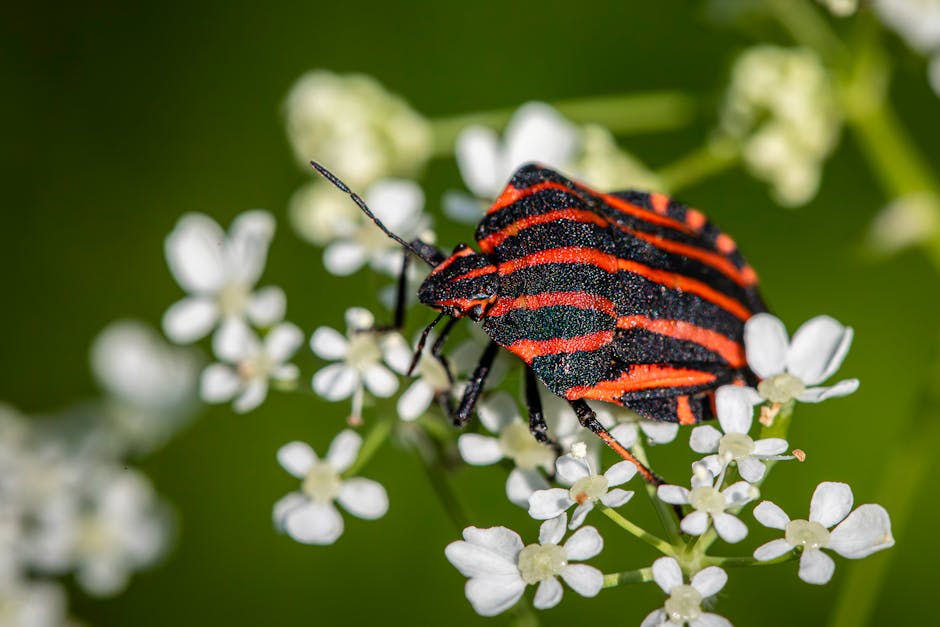
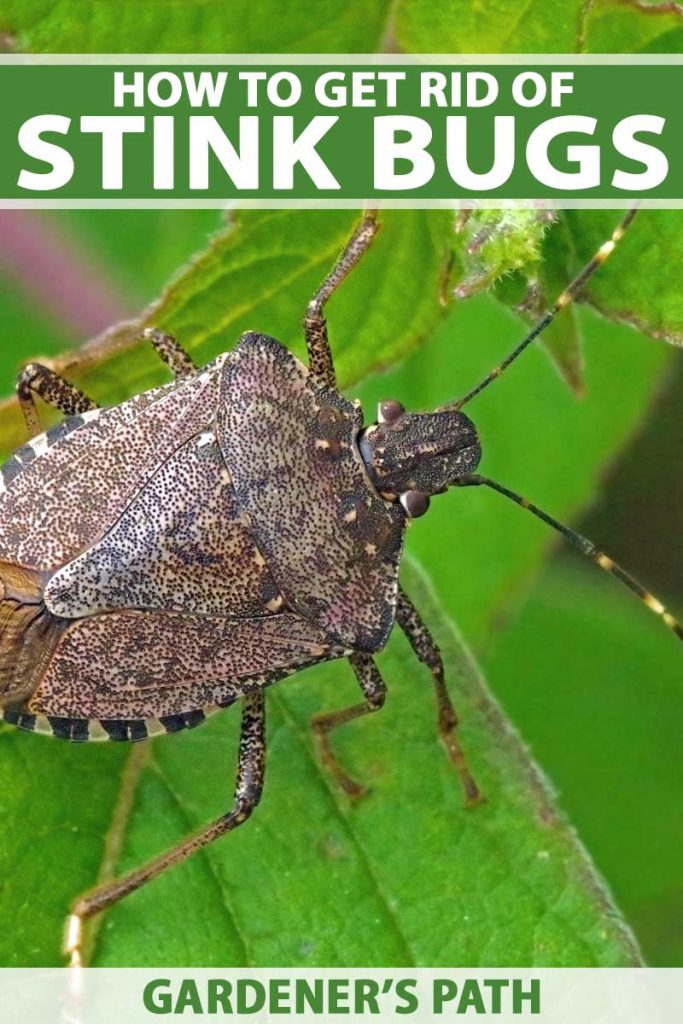
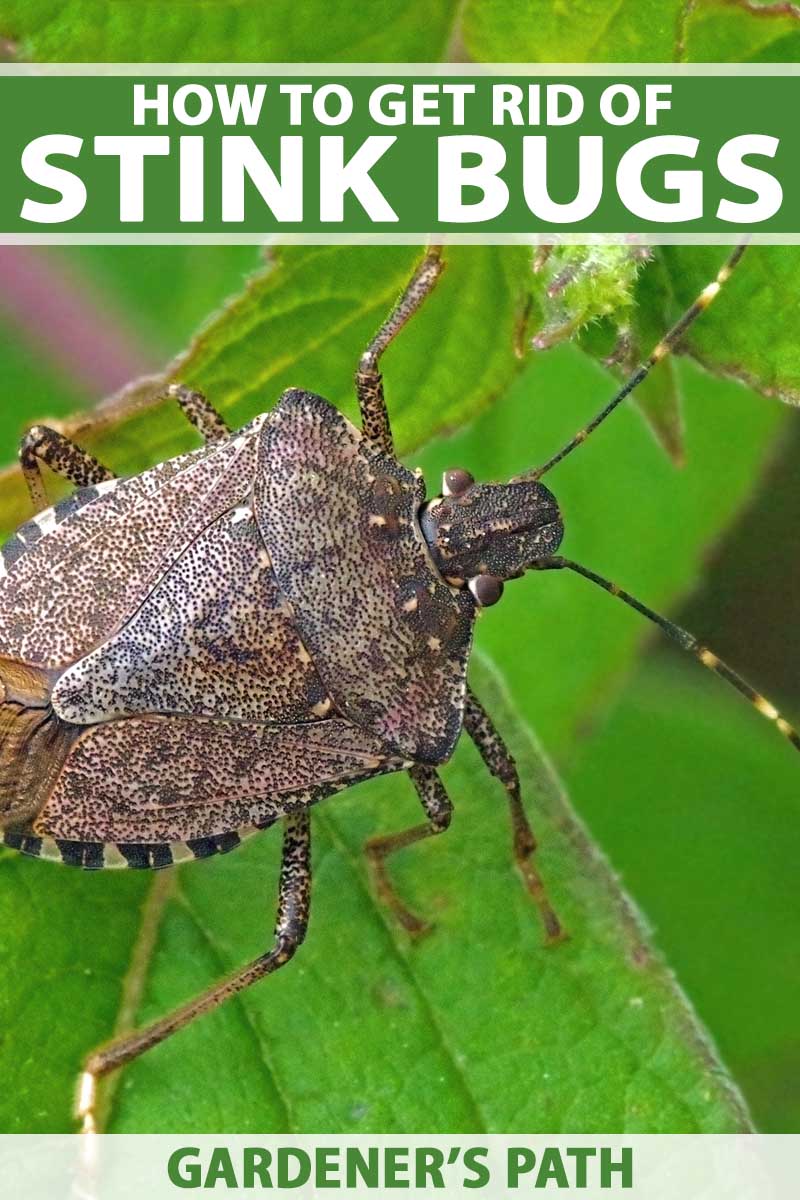
Spotting stink bugs is easier than you might think. These insects are usually shield-shaped, ranging from brown to green in color. You might notice them lounging on your plants, especially during warmer months. A telltale sign is their foul odor, which they release as a defense mechanism. Have you ever brushed against a plant and encountered an unpleasant smell? That might just be a stink bug making its presence known.
Life Cycle And Habitat
Understanding the life cycle of stink bugs helps in predicting their activity in your garden. They typically emerge from their winter hiding spots as temperatures rise in spring. They lay clusters of eggs on the underside of leaves, which hatch into nymphs resembling smaller versions of adult bugs. These nymphs grow and molt several times before reaching adulthood.
Stink bugs prefer warm, sunny spots, making gardens an ideal habitat. They favor fruits and vegetables, which can be concerning for gardeners. However, knowing their preferences can help you plan your organic defenses. Have you considered adjusting your planting schedule or introducing plants that repel stink bugs? Such strategies could be a game-changer in your organic garden.
By understanding stink bugs better, you're already one step closer to managing them organically. What strategies have you considered to protect your garden? Share your experiences and let's learn from each other!
Impact On Gardens
Stink bugs can wreak havoc in gardens. Their presence can disturb the balance of your garden's ecosystem. Understanding their impact is crucial to maintaining a healthy garden.
Damage To Plants
Stink bugs feed on plant juices. They pierce stems and leaves. This feeding creates spots and scars on plants. The damage can stunt growth. In severe cases, it can kill plants. Stink bugs can attack fruits and vegetables. Tomatoes, peppers, and beans are common targets.
Infestations can lead to reduced harvest. The quality of produce can suffer. Damaged plants may be unappealing. This affects marketability. Keeping plants healthy is vital for successful gardening.
Effects On Ecosystem
Stink bugs disrupt the garden ecosystem. They compete with beneficial insects. Their presence can affect pollination. This impacts plant reproduction. Stink bugs can attract predators. This may lead to an imbalance in the ecosystem.
Native plants and insects can suffer. Stink bugs are invasive. Their population can grow rapidly. This challenges the natural balance. Maintaining biodiversity is important. A balanced ecosystem supports a thriving garden.
Organic Prevention Methods
Stink bugs can be a real menace in your garden, but using chemicals isn't the only solution. Organic prevention methods can be highly effective and sustainable, keeping your plants safe without harming the environment. You might be surprised at how simple some of these methods are. Let's dive into two powerful strategies: companion planting and encouraging natural predators.
Companion Planting
Companion planting is an age-old gardening technique where you grow specific plants together to help each other thrive. Some plants repel stink bugs naturally. For instance, marigolds are known for their pungent smell that can deter these pesky insects. Adding marigolds around your vegetable beds can create a natural barrier.
Another effective plant is garlic. The strong aroma of garlic not only adds flavor to your dishes but also keeps stink bugs at bay. Try planting garlic cloves near your tomatoes or peppers. You'll find that your garden's ecosystem starts to balance itself out.
Have you ever thought about using herbs like basil or mint? Not only do they spice up your cooking, but their scent also confuses stink bugs. These plants can be a delightful addition to your garden while serving a practical purpose.
Natural Predators
Nature has its own way of maintaining balance. Encouraging natural predators in your garden can significantly reduce stink bug populations. Birds are excellent stink bug hunters. Installing birdhouses can attract species that feed on these bugs.
Consider introducing beneficial insects like ladybugs and parasitic wasps. These tiny warriors are relentless in their pursuit of stink bugs. You can purchase them online or at garden centers, and they can make a huge difference.
Have you seen spiders weaving their webs in your garden? While you might be tempted to clear them out, think again. Spiders are effective at catching stink bugs, helping you maintain a healthy garden ecosystem.
What's your go-to method for dealing with garden pests? Maybe you have a unique approach or plant combination that works wonders. Sharing your experiences can help fellow gardeners discover new ways to tackle stink bugs organically. Remember, your garden is a living system, and every choice you make impacts its health. Choose wisely and enjoy the natural harmony of your outdoor space.

Credit: www.youtube.com
Homemade Remedies
Eliminate stink bugs in your garden using organic methods. Sprinkle diatomaceous earth around plants to deter them. Planting marigolds or garlic can naturally repel these pests, keeping your garden healthy and chemical-free.
If you’re tired of battling stink bugs in your garden, homemade remedies can be a game-changer. These solutions not only save you money but also keep your garden chemical-free. Plus, making remedies at home gives you control over what goes into them, ensuring they're safe for your plants and the environment. You might be surprised how everyday household items can become your best allies in this fight.
Diy Sprays
DIY sprays are an excellent first line of defense against stink bugs. You can make a simple spray using dish soap and water. Mix two tablespoons of dish soap with a quart of water in a spray bottle. This solution works by breaking down the bug's protective outer layer, leading to dehydration. Another effective spray can be made using garlic. Crush a few cloves and steep them in hot water for a day. Spray this mixture onto the plants, and the pungent smell will deter the bugs from returning. Remember to reapply these sprays after rain or watering to keep them effective.
Essential Oils
Essential oils aren't just for aromatherapy—they can also repel stink bugs. Peppermint oil, for instance, is particularly effective. Mix 10 drops with two cups of water and a few drops of dish soap. Shake well and spray this mixture onto your plants. The strong scent of peppermint keeps the bugs at bay without harming your plants. Neem oil is another valuable weapon. It's a natural pesticide that not only repels stink bugs but also disrupts their life cycle. Dilute it according to the package instructions and spray it on your plants. You might wonder if these remedies are strong enough. But many gardeners, including myself, have seen positive results with regular application. Do you have a favorite homemade remedy or an essential oil that works wonders in your garden? Share your tips and help others in their fight against these pesky invaders.
Physical Control Techniques
Stink bugs can be a persistent nuisance in your garden, but using physical control techniques can help you tackle them effectively and organically. These methods focus on directly removing or preventing stink bugs without chemicals, making them ideal for eco-conscious gardeners. Let's explore some practical strategies that can help you regain control of your garden.
Traps And Barriers
Using traps and barriers is a straightforward way to deter stink bugs from your plants. Homemade traps can be made using simple materials. A shallow dish filled with soapy water can lure and trap these pests. The soap reduces the surface tension, causing stink bugs to sink and drown.
Additionally, barriers such as fine mesh or row covers can physically block stink bugs from reaching your plants. If you've ever had an unexpected invasion, you know how quickly they can spread. By covering your plants, you create a physical shield that prevents their access.
Think about the layout of your garden. Could you rearrange it to minimize stink bug traffic? Sometimes, a simple change in plant placement can disrupt their path and reduce infestations.
Handpicking Strategies
Handpicking is a tried-and-true method that requires patience and diligence. This technique involves inspecting your plants regularly and manually removing stink bugs. It might sound tedious, but it can be surprisingly effective. Consider setting aside a few minutes each day for this task.
To make handpicking more efficient, bring a small container of soapy water with you. Dropping stink bugs into the solution will ensure they are swiftly dealt with. Don't underestimate the power of this simple method, especially during peak infestation times.
Have you ever noticed that certain plants attract more stink bugs than others? Identifying these plants can help you focus your efforts where they are most needed. Regular handpicking can significantly decrease their numbers, leading to a healthier garden.
Physical control techniques are practical and effective. By implementing traps, barriers, and handpicking strategies, you can protect your garden naturally. Remember, a little effort goes a long way in maintaining a healthy ecosystem.
Maintaining Garden Health
Stink bugs can harm gardens. Use natural methods like neem oil or soapy water to control them. Planting garlic or mint nearby also helps keep them away. Keep your garden healthy without chemicals.
Maintaining garden health is crucial if you want to keep stink bugs at bay organically. A thriving garden is your first line of defense against pests. Healthy plants can better resist bug invasions. By focusing on essential practices like soil management and regular monitoring, you empower your garden to naturally fend off these unwanted visitors.
Soil Management
Healthy soil is the foundation of a robust garden. It provides essential nutrients and supports beneficial organisms that can deter stink bugs. Have you ever tested your soil's pH levels? It’s a simple step that can make a huge difference. If the pH is off, your plants may not absorb nutrients effectively. Consider adding organic matter like compost or well-rotted manure to enrich the soil. This not only boosts fertility but also improves soil structure, making it less attractive to stink bugs. An unexpected insight: mulching can help maintain moisture and regulate temperature, creating a less hospitable environment for these pests.
Regular Monitoring
Keep an eye on your garden regularly. Early detection of stink bugs is key to preventing a larger infestation. Walk through your garden and inspect plants for signs of damage or the bugs themselves. Use a notebook or an app to track what you find. This data helps you identify patterns and take action before problems escalate. Have you noticed any clusters of stink bugs? Consider hand-picking them off or using a soapy water spray as a natural deterrent. Regular monitoring also means checking the condition of your plants. Are they thriving or showing signs of stress? Sometimes, simple changes, like adjusting watering schedules, can make a significant difference. Engage with your garden, and it will reward you with fewer stink bugs and more bountiful yields. How do you currently monitor your garden? Are there steps you can take today to improve its health and resilience? Your garden's health is in your hands, so make each visit count.
Benefits Of Eco-friendly Solutions
Eliminating stink bugs organically helps protect beneficial insects and maintain garden health. Natural solutions avoid harmful chemicals, ensuring safety for plants and pollinators. Eco-friendly methods support biodiversity and sustainability, creating a balanced garden environment.
If you're dealing with stink bugs in your garden, turning to eco-friendly solutions can be a game-changer. Not only do these methods protect your plants, but they also safeguard the environment. Imagine creating a thriving garden without harming the ecosystem. Let's delve into the benefits of using organic methods to keep stink bugs at bay.
Long-term Sustainability
Eco-friendly solutions offer a lasting approach to pest control. Unlike chemical treatments, they don't deplete soil health or harm beneficial insects. By using organic methods, you ensure your garden remains a vibrant and healthy space year after year. Have you ever noticed how chemical pesticides can disrupt the balance in your garden? With natural solutions, you maintain harmony in your ecosystem, allowing plants and insects to coexist beneficially. This approach not only addresses the immediate problem but also fosters long-term garden health.
Environmental Impact
Consider the broader effects of your gardening choices. Chemical pesticides can leach into the soil and water, affecting nearby wildlife and plant life. Eco-friendly solutions, on the other hand, minimize these risks and protect the local environment. Think about the satisfaction of knowing your garden practices support the planet. When you opt for organic methods, you contribute to cleaner air and water, providing a safer habitat for all living creatures. It's a small change with a significant impact. Using eco-friendly solutions doesn't just benefit your garden; it benefits the world. By choosing organic methods, you take an active role in preserving the environment for future generations. So, why not give these sustainable solutions a try in your own garden?
Credit: gardenerspath.com
Credit: gardenerspath.com
Frequently Asked Questions
What Attracts Stink Bugs To Gardens?
Stink bugs are attracted to gardens by the presence of fruits and vegetables. They are especially drawn to ripe produce. Additionally, warm climates and overgrown vegetation provide ideal habitats. Keeping your garden clean and free of debris can help deter them naturally.
How Do Stink Bugs Damage Plants?
Stink bugs damage plants by sucking sap from leaves, stems, and fruit. This feeding can cause discoloration, deformities, and stunted growth. In severe infestations, they can reduce crop yields significantly. It is important to control their presence to protect your garden's health.
What Are Natural Predators Of Stink Bugs?
Natural predators of stink bugs include birds, spiders, and predatory insects like assassin bugs. Encouraging these predators can help control stink bug populations naturally. Planting nectar-rich flowers can attract beneficial insects to your garden, creating a balanced ecosystem.
Can Essential Oils Repel Stink Bugs?
Yes, essential oils like peppermint and neem can repel stink bugs effectively. Dilute the oil with water and spray it on affected plants. The strong scent deters them from settling in your garden. Regular applications may be necessary for continued protection.
Conclusion
Stink bugs can be a real garden nuisance. Organic methods work best. Use natural predators like birds and spiders. Planting companion plants can deter them. Trap them using soapy water or sticky traps. Regularly inspect your garden for signs. Seal cracks and gaps in garden structures.
Staying vigilant keeps your garden safe. These tips help maintain a healthy, organic garden. Sustainable practices benefit the environment. Enjoy a stink bug-free garden with these simple steps. Keep your plants thriving naturally.