

Imagine stepping into your backyard and being greeted by a kaleidoscope of colors, the sweet fragrance of blooming flowers wafting through the air. Designing your own flower garden can transform your outdoor space into a personal paradise.
Whether you're an experienced gardener or a complete novice, creating a flower garden that reflects your personality and style is within reach. In this guide, you'll discover simple yet effective tips that make the process enjoyable and rewarding. You'll find out how to choose the right flowers, arrange them for maximum impact, and maintain your garden with ease.
Get ready to unleash your creativity and experience the joy of nurturing a living masterpiece right outside your door. Keep reading to learn how you can create a flower garden that will captivate not only your senses but also those of everyone who visits.
Credit: plaidsandpoppies.com
Planning Your Flower Garden
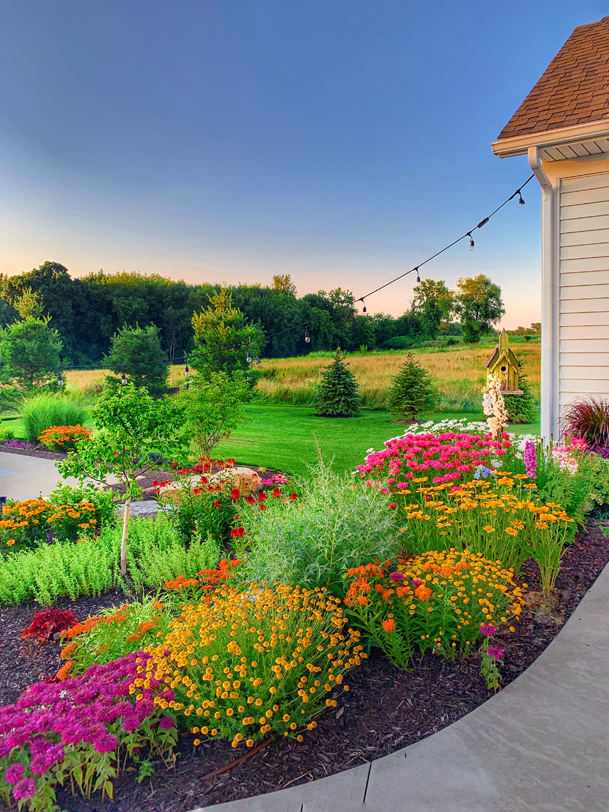
Designing a flower garden involves choosing the right plants for your space. Consider colors, heights, and bloom times. Arrange flowers to create harmony and contrast. Plan paths for easy access and admire the beauty.
Planning Your Flower Garden can be a delightful endeavor, transforming a simple backyard into a vibrant oasis. It's a process that involves creativity, patience, and a bit of knowledge. Whether you're a seasoned gardener or a beginner, understanding the basics of planning is crucial. You must consider space, sunlight, location, and budget. Let's dive into these elements to ensure your flower garden flourishes beautifully.
Assessing Space And Sunlight
Start by taking a good look at your available space. Is it large or small? Does it have odd shapes or slopes? Understanding your area helps in deciding which flowers can thrive. You might discover that certain spots are perfect for sun-loving plants, while others are more suited for shade. Sunlight plays a critical role in your garden's success. Observe how the sun moves across your yard throughout the day. Some flowers need full sun, while others do better in partial shade. This knowledge prevents frustration and keeps your garden thriving.
Choosing The Right Location
Where you place your flower garden can make or break your efforts. Think about accessibility; you should easily reach the plants for watering and maintenance. Consider proximity to water sources and pathways. Choosing a location that complements your home's aesthetics is essential. A garden near the patio can create a lovely view, while one by the entrance can welcome guests with a burst of color. What spot in your yard resonates with you?
Setting A Budget
Budgeting is the backbone of your garden planning. Determine how much you’re willing to spend on seeds, plants, soil, and tools. A clear budget helps prioritize your choices and avoid overspending. Consider cost-effective options like growing from seeds or swapping plants with friends. Quality doesn't always mean expensive. Sometimes, a simple pack of seeds can yield a breathtaking garden. What creative ways can you find to stretch your gardening dollars? By thoughtfully planning your flower garden, you'll set the stage for a space that brings joy and serenity. Each step, from assessing space to budgeting, is a building block toward a garden that reflects your personal style and love for nature.
Credit: www.gardendesign.com
Selecting Flowers
Crafting a beautiful flower garden involves picking flowers that bloom in different seasons. Choose a mix of colors and shapes for visual appeal. Consider sunlight and soil needs to ensure healthy growth.
Selecting the right flowers can transform your garden into a vibrant oasis. The choices you make can reflect your personal style and brighten up your home. Whether you're aiming for a constant bloom or seasonal bursts of color, understanding the basics of flower selection will guide you in crafting a beautiful garden.
Perennials Vs. Annuals
Choosing between perennials and annuals is like deciding between a long-term commitment and a seasonal fling. Perennials return year after year, offering consistency and less planting effort. They’re perfect if you want a garden that evolves over time. Think of plants like lavender or peonies that come back stronger each season. Annuals, on the other hand, give you the thrill of change. They bloom magnificently for one season, providing vibrant displays. Imagine marigolds or petunias adding instant color. They require yearly planting but bring a fresh look each time. Which do you prefer: the steadfastness of perennials or the exciting rotation of annuals?
Color Schemes
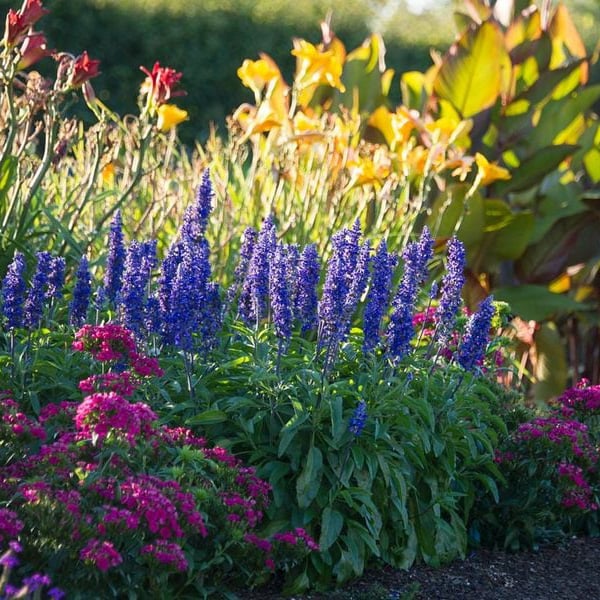
Color schemes can set the mood of your garden. You might choose complementary colors to create harmony, like pairing purple and yellow blooms. This can create a soothing visual effect that draws the eye naturally. Alternatively, bold contrasts might be your style. Picture red and white flowers together, creating a striking focal point. Consider the color of your home and surrounding landscape; your garden can either blend seamlessly or stand out as a centerpiece.
Consideration For Climate
Your climate plays a crucial role in flower selection. If you live in a region with harsh winters, opt for hardy flowers like daffodils or irises that can withstand the cold. In warmer climates, flowers such as hibiscus or bougainvillea thrive in the heat. Researching your local weather patterns will save you frustration and ensure your garden flourishes. Do you find yourself nurturing plants that struggle against your climate? Adjusting your choices can lead to a more resilient and beautiful garden. Selecting flowers is both an art and a science. It requires balancing aesthetics with practicality. As you ponder these choices, consider how each decision aligns with your vision for your garden. What story do you want your flowers to tell?
Design Principles
Crafting a flower garden involves selecting vibrant plants that thrive in your climate. Arrange blooms by height and color for visual harmony. Incorporate paths and seating to enhance enjoyment and accessibility, creating a beautiful and functional outdoor space.
Designing a flower garden is not just about picking your favorite blooms and planting them. It's about creating a harmonious space that feels inviting and visually appealing. Understanding basic design principles can elevate your garden from a simple collection of plants to a stunning outdoor sanctuary. Let's dive into some of these principles to help you craft a beautiful garden.
Balance And Symmetry
Balance brings a sense of stability to your flower garden. Imagine walking through a garden where one side feels heavier than the other. It feels uncomfortable, right? You can achieve balance by distributing plants, colors, and structures evenly. Symmetry, where one side mirrors the other, offers a classic and formal look. But don't shy away from asymmetrical designs for a more relaxed and natural feel.
Texture And Layering
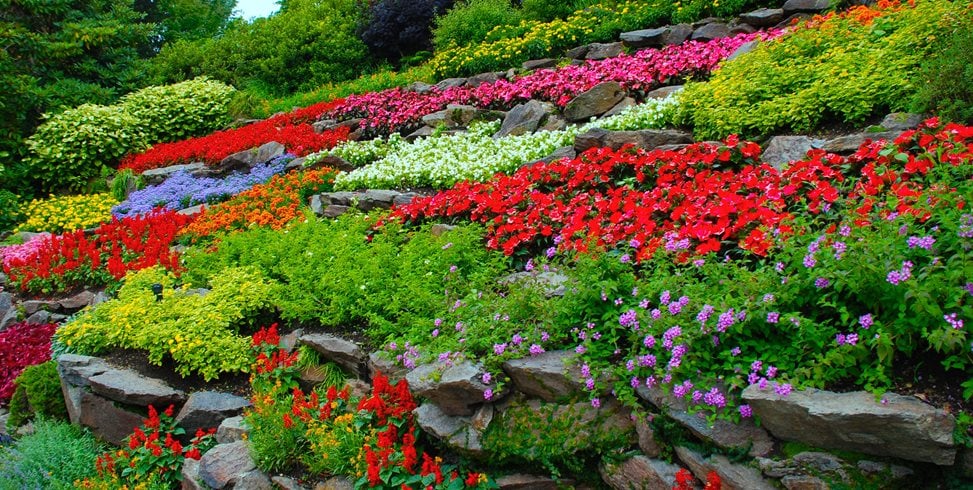
Texture adds depth and interest to your garden. Mixing different plant textures can make your garden more dynamic. Think about the contrast between the soft leaves of lamb’s ear and the spiky foliage of ornamental grasses. Layering plants by height creates a sense of dimension. Taller plants in the back, medium in the middle, and shorter ones in the front can create a cascading effect. How does your garden flow from one layer to another?
Creating Focal Points
A focal point draws the eye and gives your garden a sense of purpose. It could be a striking plant, a sculpture, or a water feature. What catches your attention when you first step into a garden? Consider placing focal points where paths intersect or at the end of a garden path. This encourages exploration and discovery. Remember, a well-placed focal point can transform an ordinary garden into an extraordinary experience. By applying these design principles, you can create a garden that's not only beautiful but also functional. What elements will you use to transform your space into a personal oasis?
Garden Layout Ideas
Creating a flower garden starts with choosing the right plants for your climate. Arrange taller flowers at the back and smaller ones in front for depth. Consider colors and blooming seasons to keep your garden vibrant all year.
Designing a flower garden is an exciting journey. The layout of your garden plays a crucial role in how it will look and feel. Whether you're a fan of neat, structured spaces or love the idea of a more relaxed, natural look, there's a layout style for everyone. Let’s dive into some inspiring garden layout ideas that will help you create the perfect flower paradise.
Formal Vs. Informal Designs
Choosing between a formal and informal design can set the tone for your entire garden. Formal designs are characterized by symmetrical shapes, straight lines, and neatly trimmed plants. Think of gardens with hedges trimmed to perfection and rows of flowers in precise patterns. On the other hand, informal designs offer a relaxed and natural feel. They feature curved lines and irregular shapes. Flowers are often grouped in a way that mimics nature, creating a more spontaneous look. Imagine walking through a garden where flowers spill over the edges, creating a sense of wild beauty.
Border And Bed Designs
Borders and beds are essential elements in garden layouts. Border designs often line paths, fences, or the edges of your garden. They can feature a mix of tall and short plants to create layers of interest. Picture a vibrant border of lavender and daisies swaying in the breeze. Bed designs are standalone areas filled with flowers. They can be in any shape—round, oval, or even heart-shaped. Placing different flowers in various heights adds depth and intrigue. A well-planned bed can become the focal point of your garden, drawing the eye and inviting admiration.
Incorporating Paths And Walkways
Paths and walkways are the veins of your garden, guiding you and your guests through the floral display. Paths can be made of stone, gravel, or even mulch. They can wind through the garden or lead directly to a specific point. Walkways can be both functional and decorative. A winding path can create a sense of mystery, encouraging exploration. While a straight path can highlight the beauty of the surrounding flowers. Think about the journey you want to create for your visitors. How do you want them to experience your garden? Creating a flower garden is more than just planting flowers. It’s about designing a space that brings you joy. Consider the elements that will make your garden special. What story do you want your garden to tell?
Soil And Preparation
Preparing soil is key to a vibrant flower garden. Start by removing weeds and rocks for clear space. Mix organic compost to enrich the soil, ensuring healthy plant growth.
Designing a flower garden is an art, and the foundation of this art lies in the soil. Without healthy soil, your vibrant dreams may wilt before they bloom. The soil is more than just dirt; it's a living ecosystem that nourishes your plants. By preparing it well, you set the stage for a thriving flower garden that bursts with color. Let's dive into the essential steps to prepare your soil for success.
Testing And Amending Soil
Before planting your first seed, get to know your soil. A simple soil test can reveal its pH level and nutrient content. This information guides you in choosing the right amendments to enhance soil health. You might find that your soil is too acidic or lacks essential nutrients. Correcting this is straightforward. Add lime to raise pH or sulfur to lower it. For nutrients, organic compost or well-rotted manure can work wonders. Don't skip this step. Testing your soil is like taking a snapshot of its current state. With this knowledge, you can make informed decisions to boost plant growth.
Proper Drainage Solutions
Poor drainage can drown plants, turning your dream garden into a soggy mess. Assess your soil's drainage by digging a small hole and filling it with water. If it takes longer than a few hours to drain, you have a drainage issue. Consider adding sand or organic material to improve drainage. Raised beds or mounds can also keep roots from sitting in water. Think of drainage as your garden's insurance policy against overwatering. My neighbor once ignored drainage, resulting in a garden that looked like a swamp after rain. Learn from her experience—ensure your soil drains well for a thriving garden.
Mulching Techniques
Mulching is a gardener's secret weapon. It conserves moisture, suppresses weeds, and adds organic matter to the soil. Choose mulch that complements your garden's needs. Organic mulches like straw, bark, or leaves break down over time, enriching the soil. Inorganic mulches like gravel offer different benefits, such as longer-lasting coverage. Apply mulch generously, but avoid piling it against plant stems to prevent rot. Ask yourself, how can I use mulch to improve my garden's health and appearance? By focusing on soil and preparation, you're setting your garden up for success. Happy gardening!
Planting Techniques
Designing a flower garden requires thoughtful planting techniques. These techniques ensure your garden blooms beautifully. By following strategic planting methods, you can maximize your garden's potential. Let's explore some essential techniques to help your flowers thrive.
Seasonal Planting Tips
Consider the seasons for successful planting. Spring is perfect for hardy annuals. In summer, plant perennials for long-lasting blooms. Fall is ideal for bulbs, which bloom in spring. Adjust your planting schedule based on your climate. This ensures continuous color throughout the year.
Spacing And Depth Considerations
Correct spacing prevents overcrowding. Each plant needs room for roots to spread. Check plant labels for recommended spacing. Proper depth is crucial for healthy growth. Plant too shallow, roots dry out. Too deep, they struggle to reach sunlight. Follow guidelines for optimal planting depth.
Companion Planting
Companion planting enhances growth and deters pests. Pair plants that benefit each other. For example, marigolds repel harmful insects. Roses thrive beside lavender, enhancing fragrance. Choose combinations that support healthy growth. This method promotes a balanced, thriving garden.
Maintenance And Care
Designing a flower garden requires consistent maintenance and care to thrive. Regular watering, pruning, and pest control ensure healthy blooms. Selecting hardy plants suitable for the climate reduces upkeep and enhances beauty.
Designing a flower garden is an exciting project, but its beauty requires ongoing attention. Maintenance and care are crucial to ensure your garden thrives and remains a source of joy. Whether you're a seasoned gardener or just starting out, understanding effective strategies for watering, pruning, and pest management can make all the difference in the health of your flowers.
Watering Strategies
Watering your flower garden is more than just turning on a hose. It's about timing and technique. Early mornings or late afternoons are ideal for watering. This allows the soil to absorb moisture before the sun evaporates it. Consider investing in a drip irrigation system. It delivers water directly to the roots, ensuring each plant gets what it needs without wastage. If you're like me, who sometimes forgets to water, setting up a schedule can be a game-changer.
Pruning And Deadheading
Pruning is essential for keeping your garden tidy and encouraging healthy growth. Trim away any dead or overgrown branches. This not only improves appearance but also prevents disease. Deadheading, or removing spent flowers, encourages new blooms. When I first started gardening, I hesitated to cut flowers, fearing I'd lose them. But deadheading can lead to a fuller, more vibrant garden.
Pest And Disease Management
Pests and diseases can quickly damage your hard work. Regularly inspect your plants for signs of trouble, such as discolored leaves or unusual spots. Natural pest control methods like introducing ladybugs can be effective. If you notice aphids, these tiny helpers can eat them up quickly. What strategies have you tried that worked well? Sharing experiences can lead to discovering new solutions for common problems. Your flower garden's success depends on these maintenance routines. What are you waiting for? Dive in and see the difference a little care can make!
Credit: www.whiteflowerfarm.com
Enhancing With Accessories
Enhancing your flower garden with accessories adds charm and personality. Accessories transform a simple garden into a vibrant and inviting space. They offer functionality, style, and comfort. Let's explore how to enhance your flower garden with accessories.
Garden Furniture
Garden furniture provides comfort and a place to relax. Choose weather-resistant materials like teak or metal. Match the furniture style with your garden theme. A cozy bench under a tree invites quiet moments. A small table set can host afternoon tea. Always consider comfort and aesthetics. Cushions and covers add color and comfort. They should be easy to clean and maintain.
Lighting Options
Lighting creates ambiance and extends garden enjoyment into the night. Solar lights are eco-friendly and easy to install. String lights add a whimsical touch. Pathway lights guide visitors safely. Spotlights highlight special features like statues or fountains. Choose warm lights for a cozy feel. Ensure all lighting is waterproof and durable.
Decorative Elements
Decorative elements add interest and personality. Consider sculptures or statues for focal points. Birdbaths attract wildlife and add beauty. Wind chimes provide soothing sounds. Mirrors can create the illusion of space. Choose elements that complement your garden style. Avoid overcrowding to maintain a harmonious look.
Frequently Asked Questions
What Are The Basics Of Flower Garden Design?
Begin by selecting suitable plants for your climate and soil. Consider colors, heights, and bloom times to create variety. Incorporate paths and focal points to guide visitors. Ensure proper spacing for growth and maintenance. Regularly assess sunlight and water needs to keep your garden thriving.
How Do I Choose The Right Plants?
Select plants based on your region's climate and soil conditions. Consider the amount of sunlight your garden receives. Choose a mix of perennials and annuals for continuous blooms. Research bloom times to ensure year-round interest. Opt for native species for easier maintenance and healthier growth.
What Is The Best Layout For A Flower Garden?
Design your garden with curves and layers for visual appeal. Place taller plants at the back and shorter ones at the front. Use paths to guide visitors. Incorporate focal points like benches or sculptures. Ensure easy access for maintenance and enjoy a beautiful, functional space.
How To Maintain A Flower Garden Efficiently?
Regularly check for pests and diseases to keep plants healthy. Water deeply, but less frequently, to promote strong roots. Deadhead spent blooms to encourage new flowers. Mulch to retain moisture and suppress weeds. Prune as needed to shape plants and stimulate growth.
Conclusion
Creating a beautiful flower garden brings joy and relaxation. Start with planning your space. Choose flowers that suit your climate. Consider colors and bloom times. Mix textures for added interest. Don't forget pathways and seating areas. These offer a place to enjoy your garden.
Regular care keeps your garden thriving. Water, prune, and weed regularly. Watch your garden grow and change each season. Enjoy the vibrant colors and calming beauty. Your flower garden will become a peaceful retreat. A place to unwind. A spot to connect with nature.
So, grab your tools and start planting today!


