
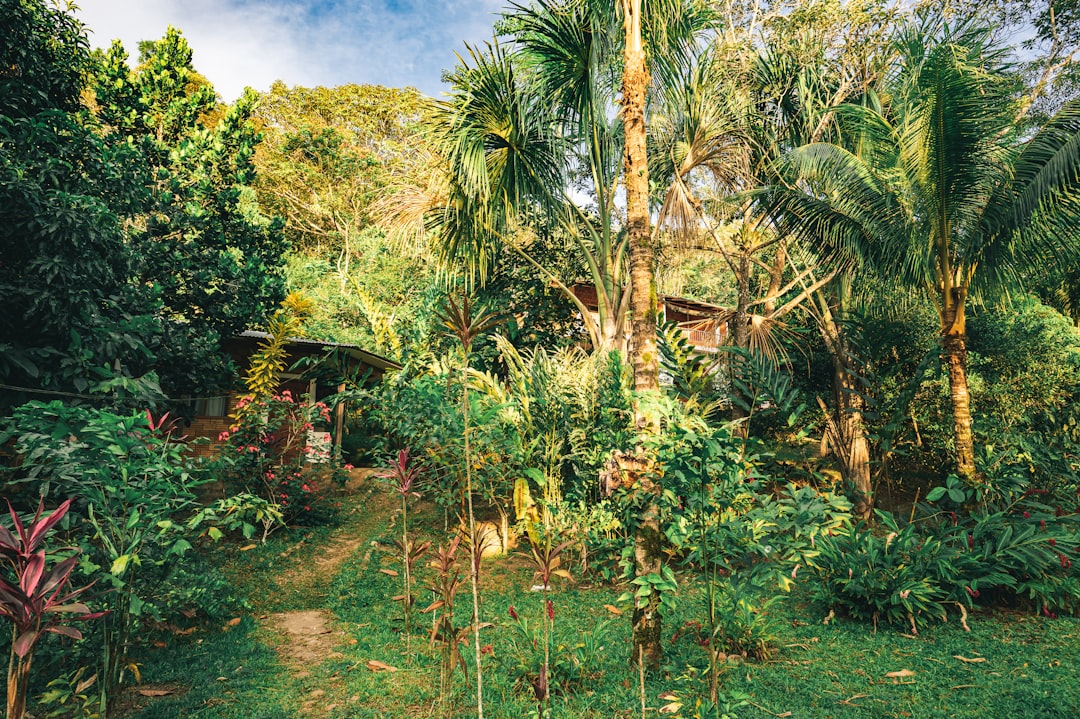
Imagine stepping into your backyard and being greeted by a lush paradise of vibrant colors and exotic plants. A tropical garden bed can transform any outdoor space into a personal haven reminiscent of a faraway island.
If you've ever dreamed of creating such a retreat, you're in the right place. Designing a tropical garden bed might seem daunting, but with the right guidance, you can bring your vision to life easily. You'll discover how to choose the right plants, arrange them for maximum impact, and maintain your tropical oasis effortlessly.
We'll share simple tips that will turn your garden into a stunning escape, drawing admiration from every visitor. This isn't just about creating a garden; it's about crafting an experience that captivates the senses and rejuvenates the soul. Ready to unleash the full potential of your outdoor space? Dive in and learn how to design a tropical garden bed that speaks to your unique style and brings endless enjoyment.
Choosing The Right Location
Designing a tropical garden bed begins with choosing the right location. Your location decision will influence the garden's beauty and health. Consider the environment and natural elements present in your space. These elements will affect your plants' growth and happiness.
Assess Sunlight Exposure
Sunlight is vital for tropical plants. Most need full sun. Observe your yard during different times of the day. Identify spots that receive ample sunlight. Aim for 6-8 hours of sun daily.
Check Soil Quality
Soil quality impacts plant growth. Test your soil to understand its composition. Tropical plants thrive in rich, well-draining soil. Amend your soil with organic matter if needed.
Evaluate Drainage
Proper drainage is crucial for a tropical garden. Avoid areas prone to waterlogging. Ensure that water flows away from the plant roots. Consider raised beds to improve drainage.
Consider Wind Protection
Strong winds can damage delicate tropical plants. Choose a location sheltered from harsh winds. Use fences or hedges as windbreaks if needed. This protects your plants and helps them flourish.
Think About Accessibility
Location affects how you maintain your garden. Make sure it's easy to reach. You should comfortably water, prune, and care for your plants. Accessibility ensures regular maintenance and health.
Selecting Tropical Plants
Designing a tropical garden bed is an exciting journey, and choosing the right plants is the heart of that adventure. Selecting tropical plants involves a mix of decisions, from whether to go native or exotic, to understanding your climate. The right choices will transform your garden into a vibrant paradise that feels alive and thriving.
Native Vs. Exotic Choices
When selecting tropical plants, you might wonder whether to choose native or exotic species. Native plants are those that naturally occur in your region. They are adapted to the local climate and soil, making them easier to maintain. Plus, they support local wildlife, adding an eco-friendly touch to your garden.
Exotic plants, on the other hand, bring a unique flair. They can make your garden stand out with distinctive colors and shapes. However, they might need more care, as they are not accustomed to your area's conditions. Consider what level of maintenance you are willing to commit to.
Climate Considerations
Your local climate plays a crucial role in plant selection. Tropical plants thrive in warm, humid environments. If you live in a similar climate, you have a wide range of options. You can choose from vibrant orchids to lush ferns, all of which will flourish beautifully.
If your climate is cooler, don't worry. You can still create a tropical vibe with some clever choices. Consider hardy plants like certain varieties of palms that can withstand cooler temperatures. You can also use microclimates, like sunny spots near walls, to help tender plants survive.
Ask yourself: what does your garden's climate allow? Understanding this will guide you in picking plants that not only survive but thrive. The right combination will ensure your tropical garden bed is not just beautiful but sustainable.
Creating Soil Conditions
Creating the perfect soil conditions is key to a thriving tropical garden bed. Tropical plants flourish in rich, well-draining soil, providing them the nutrients and stability to grow vibrant and lush. Transforming ordinary soil into an oasis for tropical plants involves improving soil quality and ensuring proper drainage. Let's delve into these essential aspects to prepare your garden bed for tropical beauty.
Improving Soil Quality
Start by enhancing the nutrient content of your soil. Organic matter like compost enriches the soil, providing necessary nutrients. It also promotes microbial activity, essential for plant health. Test the soil pH to ensure it suits tropical plants, usually between 6.0 and 7.0. Add lime to increase pH or sulfur to lower it. Use mulch to retain moisture and protect the soil from erosion.
Drainage Solutions
Tropical plants need soil that drains well. Poor drainage can lead to root rot and plant stress. Incorporate sand or gravel to improve soil structure and drainage. Raised beds offer an excellent solution for controlling drainage. Ensure bed height is sufficient to prevent waterlogging. Consider installing a French drain or perforated pipes for areas with excess water.
Designing Layout And Structure
Creating a tropical garden bed involves selecting vibrant plants. Arrange them for balance and harmony. Use layers for depth, and include colorful foliage. Ensure proper spacing for growth. Add mulch to retain moisture and maintain a lush appearance.
Designing a tropical garden bed is a thrilling adventure that invites you to immerse yourself in nature's vibrant palette. The layout and structure are the foundation, where your creativity meets practicality. A well-planned design not only enhances the aesthetic appeal but also ensures the garden thrives in all its tropical glory.
Layering Plants For Depth
Creating layers is like painting with nature’s brush. The tallest plants form the backdrop, like majestic palms or banana trees. Mid-height shrubs, such as hibiscus or crotons, provide the middle layer, adding bursts of color. At the front, use ground covers like ferns or bromeliads. They fill gaps and weave the garden together. This approach adds depth and dimension, drawing the eye through the landscape. Think about your garden’s vantage points. From where will you and others most often view it? Ensure the layers are visible from these angles to maximize visual impact.
Incorporating Water Features
Water features can transform your garden into a serene retreat. A small pond or fountain can create a soothing ambiance. The sound of trickling water also attracts birds, bringing your garden to life. Choose water features that suit your space and style. A large pond may be ideal for expansive gardens, while a simple birdbath can suffice in smaller spaces. Consider maintenance as well. Ensure easy access for cleaning and check for any potential water conservation issues. Have you ever noticed how water features become focal points? They invite people to pause and appreciate the beauty around them. Plan their placement thoughtfully to enhance your garden’s allure.
Color And Texture Combinations
Designing a tropical garden bed involves a play of colors and textures. Both elements add vibrancy and interest to your garden. Choosing the right combinations can create a stunning visual impact. This can also enhance the overall appeal of your garden space.
Tropical plants come in a variety of colors. From rich greens to bright reds and yellows. These colors can transform a simple garden into a tropical paradise. Pairing them with unique textures can make your garden bed stand out even more.
Vibrant Foliage
Vibrant foliage is key in a tropical garden. Use plants with large, colorful leaves. Consider plants like crotons and caladiums. Their bold colors catch the eye. They create a lively atmosphere. Mix different shades for a dynamic look.
Use plants with colorful leaves alongside flowering plants. This combination provides year-round color. Even when flowers are not blooming, the garden stays vibrant. Choose plants with different leaf shapes for added interest.
Contrasting Textures
Contrasting textures add depth to your garden. Combine smooth, glossy leaves with rough, spiky ones. This creates visual intrigue. Ferns and palms work well together. Their textures complement each other beautifully.
Use grasses for a soft, flowing texture. Pair them with succulents for contrast. This mix brings a touch of the exotic. Textures can guide the eye through the garden. They make the space feel more dynamic and inviting.
Maintenance Tips
Designing a tropical garden bed is just the beginning. Keeping it lush and vibrant requires regular care. Proper maintenance helps your garden thrive in all seasons. These simple tips ensure your tropical paradise remains healthy and beautiful.
Watering And Fertilization
Tropical plants need consistent moisture. Water them deeply twice a week. Adjust based on rainfall and soil type. Use mulch to retain soil moisture. Fertilize every month during the growing season. Choose a balanced, slow-release fertilizer. This keeps plants nourished and strong.
Pruning And Pest Control
Regular pruning promotes growth and removes dead branches. Trim plants after flowering. This encourages more blooms. Inspect your plants for pests weekly. Aphids and spider mites are common. Use organic sprays to control these pests. Manual removal works for small infestations. Healthy plants resist pests better.
Incorporating Tropical Accents
Create a lush tropical garden bed with vibrant plants and bold foliage. Use colorful flowers and large leaves to enhance the look. Incorporate natural stones and bamboo for an exotic touch.
Designing a tropical garden bed can transform your outdoor space into a lush paradise. But what truly brings the tropical vibe to life are the accents you choose. These elements can make or break the tropical feel, adding depth and interest to your garden. Let’s dive into how you can bring your tropical garden to life with some accents.
Decorative Elements
Adding decorative elements can instantly give your garden a tropical flair. Think about statues, colorful pots, or even a small water feature. These items provide focal points that draw the eye. Consider adding a bamboo fence or trellis for a natural touch. They are not only functional but also enhance the exotic feel. Do you have a favorite travel memory? Incorporate souvenirs or items that remind you of it into your garden. This personal touch makes the space uniquely yours.
Lighting For Ambiance
Lighting is crucial for setting the mood in your tropical garden bed. During evening hours, the right lighting can create a magical atmosphere. Opt for solar-powered lanterns or string lights to illuminate paths and highlight key areas. Spotlights can be used to emphasize beautiful palm trees or vibrant flowers. Think about the color temperature of your lights. Warmer tones can enhance the tropical vibe, making the space feel inviting and cozy. Have you ever noticed how lighting changes the feel of a space? It’s the same with your garden. Your lighting choices can transform it from a daytime oasis to a nighttime retreat. What kind of ambiance do you want to create?
Frequently Asked Questions
What Plants Thrive In Tropical Gardens?
Tropical gardens flourish with vibrant plants like hibiscus, orchids, and ferns. Banana trees and palms add height and texture. Choose plants that thrive in warm, humid climates for best results. Incorporate colorful foliage and flowers to create a lively, lush atmosphere in your garden bed.
How To Maintain A Tropical Garden Bed?
Maintaining a tropical garden bed involves regular watering and mulching. Use organic mulch to retain moisture and suppress weeds. Pruning is essential for healthy growth and aesthetic appeal. Fertilize with balanced nutrients to promote plant health. Regularly check for pests and diseases to ensure plant vitality.
Can Tropical Gardens Be Grown Indoors?
Yes, tropical gardens can thrive indoors with proper care. Use containers with drainage and choose tropical plants suitable for indoor environments. Ensure adequate sunlight, humidity, and temperature for plant growth. Regular watering and misting will help maintain the required humidity levels for indoor tropical plants.
What Soil Is Best For Tropical Plants?
Tropical plants prefer well-draining, nutrient-rich soil. Sandy loam with organic matter supports healthy growth. Avoid heavy clay soils that retain excess water. Enhance soil fertility with compost or peat moss. Proper soil pH and drainage ensure vibrant, flourishing tropical plants in your garden bed.
Conclusion
Creating a tropical garden bed is easier than you think. Start small with vibrant plants. Choose bold colors for a lively look. Don't forget lush greenery for balance. Pay attention to plant needs. Sunlight and water are key. Use mulch to keep soil moist.
Add personal touches like stones or ornaments. Regular care ensures a thriving garden. Enjoy the beauty and tranquility it brings. Your tropical paradise awaits right in your backyard. Dive into nature's wonders and watch your garden flourish. A rewarding experience for any garden lover.


