
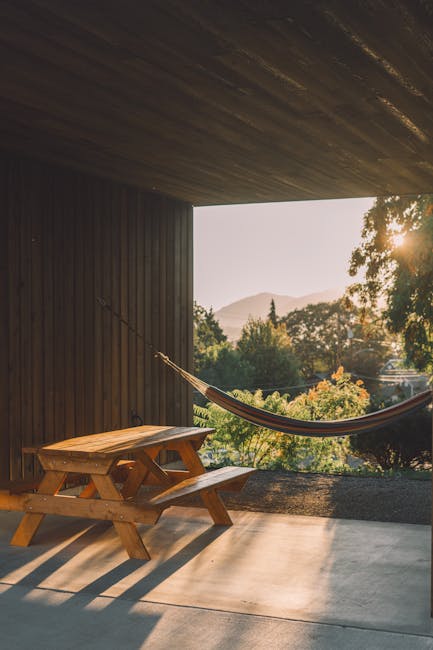
Imagine stepping into your backyard and being greeted by a tranquil oasis of lush greenery, cool shade, and vibrant blooms nestled under the canopy of three mature trees. Sounds like a dream, right?
Designing a shade garden around mature trees can transform your outdoor space into a serene retreat that offers a refreshing escape from the blazing sun. You might wonder, how can you create a thriving garden when sunlight is limited? The secret lies in embracing the unique environment that shade provides.
By choosing the right plants, understanding soil conditions, and utilizing clever landscaping techniques, you can turn this shady spot into the most inviting area of your home. You'll discover practical tips and ideas to help you design a shade garden that not only enhances the beauty of your mature trees but also provides a peaceful haven for you to relax and unwind. Whether you're a seasoned gardener or a beginner, these insights will guide you in creating a picturesque landscape that will captivate anyone who visits. Keep reading to unlock the secrets of shade gardening and transform your backyard into a verdant paradise.
Selecting Suitable Plants
Designing a shade garden involves selecting plants that thrive under limited sunlight. Choose shade-loving plants like ferns and hostas to complement mature trees. Consider adding variety with colorful foliage to create a vibrant, lush garden.
Designing a shade garden around mature trees can be a rewarding endeavor. The key to success lies in selecting suitable plants that thrive in low-light conditions. You need to consider factors like soil type, moisture, and space. Let's delve into some options that can transform your shady spot into a vibrant oasis.
Native Shade-loving Species
Native plants are an excellent choice for your shade garden. They are adapted to your local climate and soil conditions, making them low-maintenance. Consider plants like Wild Ginger, which offers lush foliage and attracts pollinators. Jack-in-the-Pulpit is another native gem. It provides unique flowers that intrigue garden visitors. These plants not only add beauty but also support local wildlife. Think about what thrives naturally in your area. This can save you from the frustration of trying to grow unsuitable species.
Colorful Foliage Options
Who says shade gardens have to be all green? Many plants offer colorful foliage that can brighten up a shady spot. Hostas, for example, come in a variety of colors like blue, green, and gold. Coral Bells is another option. Its leaves display vibrant hues ranging from deep purple to bright red. This variety can add a splash of color without relying on flowers. Have you ever noticed how a pop of color can change the mood of a space? Consider adding these plants to make your garden more inviting.
Evergreen Selections
Evergreens provide year-round structure and color. They keep your garden looking alive, even in the dead of winter. Consider using Ferns like the Christmas Fern, which maintains its greenery throughout the year. Boxwoods are a versatile choice. They can be shaped into hedges or left to grow naturally. Their dense foliage offers a lush backdrop for other plants. What’s more comforting than a garden that remains vibrant all year long? Invest in evergreens to keep your space engaging and beautiful. Creating a shade garden isn't just about filling space. It's about crafting an environment that invites you to pause and enjoy nature. So, what will you choose to plant next?
Soil Preparation Techniques
Designing a shade garden around three mature trees involves careful soil preparation. Begin by clearing debris and loosening the soil to improve drainage. Add organic matter like compost to enrich the ground and support healthy plant growth in shaded areas.
Designing a shade garden around mature trees starts with good soil preparation. The right techniques ensure your plants thrive in the shaded environment. Healthy soil supports plant growth and helps manage water efficiently. Let's explore essential soil preparation steps for your shade garden.
Assessing Soil Quality
First, check the soil's health under the trees. Soil quality impacts plant growth. Identify the soil type; it can be sandy, clay, or loamy. Test soil pH to understand acidity levels. Many garden centers provide testing kits. Nutrient levels are crucial for plant development. Check for essential nutrients like nitrogen and phosphorus.
Improving Drainage
Tree roots can compact soil, affecting drainage. Poor drainage leads to waterlogged roots and unhealthy plants. Use a garden fork to aerate the soil. Break up compacted areas to improve water flow. Consider adding organic matter, like compost. It enhances soil structure and drainage. Raised beds can also help manage excess water.
Mulching Benefits
Mulching is vital in shade gardens. It helps retain moisture and control weeds. Organic mulch enriches soil as it breaks down. Spread mulch evenly around tree bases. Keep mulch away from tree trunks to prevent rot. Mulch also provides insulation during temperature changes. Choose natural materials like wood chips or straw for best results.
Designing Plant Layout
Create a beautiful shade garden by arranging shade-loving plants around three mature trees. Choose plants like ferns, hostas, and astilbes for a lush look. Use mulch to retain moisture and reduce weeds, enhancing the garden's beauty and health.
Designing a shade garden around mature trees can be both challenging and rewarding. The key to success lies in planning an effective plant layout that complements the existing structure while adding layers of beauty. This involves understanding how to layer plants for visual interest, creating focal points to draw the eye, and considering spacing to ensure healthy growth. Let's explore how you can transform your shady oasis into a masterpiece.
Layering For Visual Interest
Think of your garden as a work of art. Just like a painting, layering different elements creates depth and intrigue. Start with ground covers that thrive in shade, such as hostas or ferns, to form the base layer. Their lush foliage will seamlessly cover bare soil, giving your garden a full look. Next, add mid-height plants like hydrangeas or astilbes. These bring color and texture, breaking the monotony of greens. Lastly, consider taller plants like Japanese maples or rhododendrons to create vertical dimension. They act as natural backgrounds and provide shelter for smaller plants. Remember, each layer should complement the other, creating a harmonious blend. What combinations of plants do you envision enhancing your shade garden's allure?
Creating Focal Points
Every garden needs a focal point to captivate attention. In a shade garden, the challenge is to identify a spot that naturally draws the eye. You might choose to highlight a particularly striking tree with vibrant underplantings. Consider adding a garden bench or a birdbath nestled among the foliage. These elements not only serve as focal points but also invite you to pause and enjoy the tranquility. A strategically placed sculpture can also add a touch of personality. Ask yourself, what unique element would make your garden truly stand out? Let your creativity guide you in making your garden a place of wonder.
Spacing For Growth
Proper spacing ensures that your plants have room to thrive. Crowded plants can struggle for nutrients, leading to poor health. Start by researching the mature size of each plant and plan accordingly. A simple rule of thumb is to leave enough space for each plant to double its size over time. This allows air circulation and sunlight to reach every part. Use a measuring tape to get accurate distances and draw a rough sketch if needed. Spacing also plays a role in visual appeal. Avoid creating a flat, uniform look by staggering plant heights and distances. How will you balance growth and aesthetics in your garden layout? By thoughtfully designing the plant layout, you can transform your shade garden into a lively, inviting space. Embrace the challenge and let your creativity flourish under the canopy of mature trees. Your garden can become a sanctuary of beauty and calm—a reflection of your personal touch.
Enhancing Garden Aesthetics
Create a tranquil shade garden under three mature trees with lush ferns, hostas, and colorful impatiens. Add stepping stones for pathways and incorporate a few benches for relaxation. Use hanging baskets and ground cover plants to fill gaps and enhance visual appeal.
Creating a shade garden around mature trees can be an exciting venture. With their towering presence, these trees offer a natural canopy that turns your garden into a serene oasis. Enhancing garden aesthetics is more than just adding plants; it’s about crafting a space where every element complements the tranquility and beauty of nature. You will find joy in designing a garden that feels like a personal retreat. Let’s look at how you can make your garden truly captivating.
Incorporating Garden Art
Garden art adds personality and charm. Choose sculptures that blend with the natural environment, like wooden carvings or stone statues. I once placed a small stone Buddha under a tree; it became a delightful focal point that friends always admired. Use colorful pots and decorative birdhouses. Consider adding a mosaic stepping stone pathway leading to the trees. How might a whimsical wind chime sound as it sways in the breeze? Every piece of art should invite curiosity and contemplation.
Pathways And Seating Areas
Pathways guide you through the garden and create structure. Use natural materials like gravel or wood chips. A winding path can evoke a sense of adventure; where might it lead you amidst the trees? Seating areas offer a place for relaxation. A rustic bench or a set of chairs under the shade can be inviting. Imagine sipping your morning coffee surrounded by nature's whispers. Think about how these spots can become your sanctuary.
Lighting For Ambiance
Lighting transforms your garden into a magical realm at dusk. Solar lights are eco-friendly and easy to install. Position them along paths and near seating areas for safety and beauty. String lights around tree trunks create a fairytale glow. You might try placing lanterns on tables or hanging them from branches. Consider how lighting can extend your garden's usability into the evening hours. How can it highlight the art and pathways you’ve lovingly crafted? Enhancing your garden’s aesthetics is about finding harmony between nature and design. How will you make your shade garden a place of wonder and peace?
Caring For Shade Gardens
Designing a shade garden around three mature trees invites creativity. Select shade-loving plants like ferns and hostas. Arrange them thoughtfully for a harmonious blend of colors and textures.
Designing a shade garden around mature trees is an art. Yet, the journey doesn’t end with planting. Proper care transforms your leafy retreat into a thriving haven. Whether you’re a seasoned gardener or a newbie, understanding the nuances of shade garden care is crucial.
Watering Best Practices
Shade gardens can be deceptive. While they might seem damp, tree canopies often prevent rain from reaching the plants below. Regularly check the soil moisture. Aim to water deeply but infrequently. This encourages roots to grow deeper, making your plants more resilient. Consider using a soaker hose or drip irrigation to deliver water directly to the roots.
Pruning And Maintenance
Pruning ensures your garden remains healthy and vibrant. Trim lower branches of your trees to allow more light to filter through. This not only benefits the plants below but also enhances air circulation, reducing the risk of fungal diseases. Don’t forget to remove dead or diseased foliage regularly. Keep an eye out for overcrowded areas and thin them out to maintain a balanced ecosystem.
Dealing With Pests And Diseases
Shade gardens, with their cool, moist environments, can attract pests and diseases. Regularly inspect your plants for signs of trouble. Are there unusual spots on the leaves? Or unexpected wilting? Use natural predators like ladybugs to control aphid populations. If diseases strike, consider organic remedies or consult with a local nursery. Remember, early detection is your best defense. Creating a beautiful shade garden is not just about the initial design. It’s about nurturing and maintaining it with care. What unique challenges have you faced with your garden?
Frequently Asked Questions
How Can I Design A Shade Garden Effectively?
Designing a shade garden involves selecting shade-tolerant plants and arranging them creatively. Use varying heights, textures, and colors to enhance visual interest. Consider pathways and seating areas to enjoy the space. Mulching helps retain moisture and improve aesthetics. Regular maintenance ensures a thriving garden.
What Plants Grow Best Under Mature Trees?
Hostas, ferns, and astilbes thrive in the shade of mature trees. These plants tolerate low light and compete well with tree roots. Consider heucheras and lungworts for added color. Native woodland plants adapt well to shaded conditions, ensuring a lush and diverse garden.
How Do I Deal With Tree Root Competition?
To manage root competition, choose shallow-rooted plants that coexist with tree roots. Raised beds or containers can help alleviate competition. Add organic matter to improve soil fertility and moisture retention. Regular watering and mulching aid plant health. This ensures a harmonious balance between trees and underplanting.
Can I Add A Water Feature In A Shade Garden?
Yes, a water feature can enhance a shade garden’s tranquility. Choose a location with adequate space and minimal tree root interference. Consider a small fountain or birdbath for easy integration. Ensure proper water circulation and maintenance to prevent stagnation. This addition attracts wildlife and adds soothing sounds.
Conclusion
Creating a shade garden around mature trees is rewarding. It offers a serene spot to relax. Choose plants that thrive in low light. Use mulch to keep roots healthy. Arrange plants by height for depth and interest. Add a bench for comfort.
Paths help navigate your garden with ease. Water regularly to maintain lush greenery. Enjoy the peacefulness of your shaded oasis. Invite friends to share this tranquil space. Your garden becomes a retreat from daily hustle. Nature’s beauty awaits in your own backyard.
Embrace the cool shade, and breathe in the calm.


