
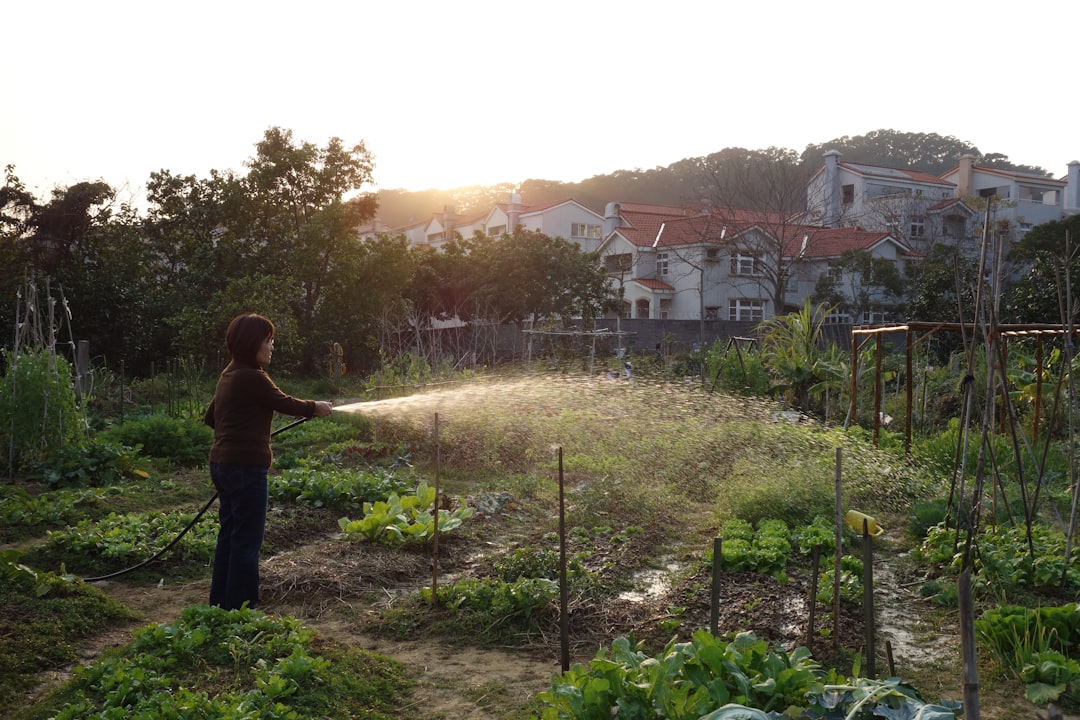
Imagine stepping into your backyard and being greeted by a thriving ecosystem, where every plant, insect, and drop of water works in harmony. This is the magic of a permaculture garden.
It's not just a garden; it's a sustainable way of living that nurtures both you and the planet. Curious about how you can create such a paradise at home? You're not alone. Many are turning to permaculture to transform their outdoor spaces into lush, self-sustaining havens.
In this guide, you'll discover simple, practical steps to design your own permaculture garden. Whether you're a seasoned gardener or a beginner, you'll find valuable insights to make your garden flourish with minimal effort. Ready to unlock the secrets of nature and create a garden that practically takes care of itself? Let's dive in.
Permaculture Principles
Designing a permaculture garden involves understanding key principles. These principles guide sustainable gardening practices. They aim to work with nature, not against it. By following them, gardeners can create self-sustaining ecosystems. These systems are resilient and resource-efficient.
Permaculture principles help maximize productivity. They minimize waste and enhance biodiversity. Each principle has a specific focus. Together, they form a holistic approach. This approach nurtures both the land and the community.
Observe And Interact
Observing your garden is crucial. Watch how plants grow. Notice how water moves. Understand animal behaviors. Interaction with these elements is key. It allows you to learn and adapt. Respond to changes in the environment. This principle is about being proactive.
Catch And Store Energy
Gardens have abundant energy sources. Sunlight is one example. Water is another. Capture these resources effectively. Use solar panels or rainwater tanks. This stored energy can be utilized later. It ensures the garden thrives even during scarcity.
Obtain A Yield
Every garden should produce something valuable. This could be food or medicinal plants. It could also be fuel or fiber. Focus on plants that offer multiple benefits. Ensure your garden provides returns. These yields support your needs and sustain the garden.
Apply Self-regulation And Accept Feedback
Permaculture gardens need self-regulation. Create systems that maintain balance. Accept feedback from nature. If plants struggle, reassess conditions. Adjust methods to improve outcomes. This principle encourages learning from mistakes.
Use And Value Renewable Resources
Renewable resources are vital. Prioritize them in your garden. Use compost for soil enrichment. Opt for native plants. They require less water and care. This reduces reliance on non-renewable resources. It fosters a sustainable environment.
Produce No Waste
Waste reduction is essential. Compost kitchen scraps. Recycle garden waste. Convert everything into useful materials. This principle promotes efficiency. It helps in maintaining a clean environment. A zero-waste garden is a healthy garden.
Site Assessment
Designing a permaculture garden starts with understanding your land. A thorough site assessment helps you make informed choices, ensuring your garden thrives sustainably. This step sets the foundation for a productive and harmonious ecosystem. Whether you’re assessing climate, soil, or water, each element plays a pivotal role. Let’s delve into these critical factors.
Climate Considerations
Consider the climate's impact on your garden. Is your area prone to frost or extreme heat? Understanding seasonal patterns can guide plant selection and placement. For example, if your region experiences heavy rainfall, you might prioritize plants that thrive in wet conditions. Think about how sun exposure affects your garden. Position sun-loving plants where they receive the most light. Conversely, shade-tolerant plants should be placed in areas with less sun. Acknowledge the microclimates in your garden space; these subtle variations can significantly affect plant growth.
Soil Quality
Soil is your garden’s lifeline. Assess its texture and fertility. Is it sandy, clay, or loamy? Each type has its benefits and challenges. You might find your soil lacking in nutrients. Consider adding organic matter like compost to enhance its quality. Conduct a soil pH test to determine acidity or alkalinity. Some plants prefer acidic soil, while others thrive in neutral or alkaline conditions. Your garden’s success hinges on matching plant needs with soil properties.
Water Sources
Water is crucial for sustaining life. Evaluate how water flows on your land. Are there natural water sources nearby? Rainwater collection systems can be invaluable in dry regions. Consider your garden's water requirements. Some plants demand frequent watering, while others are drought-resistant. Strategically plan for efficient water use, minimizing waste. Think about creating swales or ponds to capture and store rainwater. This not only conserves water but also attracts beneficial wildlife.
What surprising insights have you uncovered during site assessments? Share your experiences in the comments below.
Designing Zones
Designing zones in a permaculture garden helps organize and optimize space. Each zone serves a unique purpose, focusing on efficiency and sustainability. With thoughtful planning, zones ensure that resources are used effectively. Let's explore how to design each zone for maximum benefit.
Zone 0: Home Base
Zone 0 is the heart of your permaculture garden. This area is your home, where energy and resources are centralized. The design should focus on sustainable living practices. Consider energy-efficient appliances and water conservation. The goal is to create a space that supports eco-friendly habits.
Zone 1: Kitchen Garden
Zone 1 is closest to your home for easy access. This area is perfect for growing vegetables and herbs. Choose plants that require frequent care and harvesting. The kitchen garden saves time and energy. It provides fresh ingredients right at your doorstep.
Zone 2: Perennial Plants
Zone 2 houses plants that need less maintenance. Perennials thrive here, offering long-term yields. Think about berry bushes, asparagus, or rhubarb. These plants provide food year after year. They require less frequent attention than annuals.
Zone 3: Orchards And Pastures
Zone 3 is ideal for fruit trees and grazing animals. Orchards provide fruit with minimal upkeep. Pastures support animals like chickens or goats. This zone enhances biodiversity in your garden. It offers a productive space with moderate involvement.
Zone 4: Semi-wild Areas
Zone 4 is a transition zone, blending cultivated and wild areas. It supports wildlife and native plants. This area requires minimal intervention. Use it for timber production or wildcrafting. It enriches the ecosystem without daily management.
Zone 5: Natural Wilderness
Zone 5 is left untouched, preserving natural ecosystems. It serves as a habitat for native wildlife. This zone demands no human interaction. Observe and learn from its natural processes. It offers insights into nature's balance and resilience.
Water Management
Water management is vital in designing a permaculture garden. Efficient use of water resources ensures plant health and sustainability. Proper planning can make your garden thrive even in dry seasons. Let’s explore key strategies for effective water management.
Rainwater Harvesting
Rainwater harvesting is a smart technique for water conservation. Collect and store rainwater for later use. Install barrels or tanks to capture runoff from rooftops. This reduces water bills and saves resources. It's an eco-friendly choice for your garden.
Swales And Ponds
Swales help in slowing down water flow. Create shallow, wide ditches on contour lines. They direct and spread water evenly. Ponds store excess water and attract wildlife. Both features enhance the garden’s ecosystem. They ensure water availability during dry spells.
Irrigation Systems
Irrigation systems deliver water directly to plant roots. Drip irrigation is efficient and conserves water. Soaker hoses are another option. They release water slowly and reduce evaporation. Choose the right system based on garden size and plant needs.
Soil Building Techniques
Designing a permaculture garden focuses on building healthy soil. Techniques include composting organic waste and using cover crops to improve nutrient levels. Mulching and rotating crops also help maintain soil structure and fertility, promoting sustainable growth.
Designing a permaculture garden is a rewarding journey, and building healthy soil is at its heart. The soil is the foundation of your garden’s ecosystem, and enriching it can lead to thriving plants and bountiful harvests. Adopting effective soil-building techniques not only nurtures your plants but also supports the natural balance of your garden.
Composting Methods
Composting is a simple yet powerful way to enrich your soil. You can start by collecting kitchen scraps like fruit peels, coffee grounds, and eggshells. Combine these with garden waste such as leaves and grass clippings. Maintain a balance between green and brown materials to ensure efficient decomposition. Have you tried vermicomposting? It’s a method that uses worms to break down organic waste. This can be an exciting way to engage kids in gardening, too. The result is nutrient-rich worm castings that can be added directly to your garden beds.
Green Manures
Green manures are crops grown specifically to be plowed back into the soil. They can significantly improve soil structure and fertility. Consider using legumes like clover or beans, which fix nitrogen in the soil, providing essential nutrients for your plants. Plant green manures during the off-season or between harvests. When you till them into the soil, they act as a natural fertilizer. This practice reduces the need for chemical fertilizers, making your garden more sustainable.
Mulching Benefits
Mulching offers multiple benefits for your permaculture garden. It helps retain soil moisture, which is crucial during dry spells. Organic mulches like straw or wood chips also break down over time, adding organic matter to the soil. Applying a layer of mulch can suppress weeds, saving you time and effort. It also regulates soil temperature, protecting plant roots from extreme weather. Have you noticed how a well-mulched garden feels alive and thriving? Which soil-building technique resonates with you the most? Implementing even one of these can transform your garden into a more resilient and productive space. Remember, healthy soil is the key to a flourishing permaculture garden.
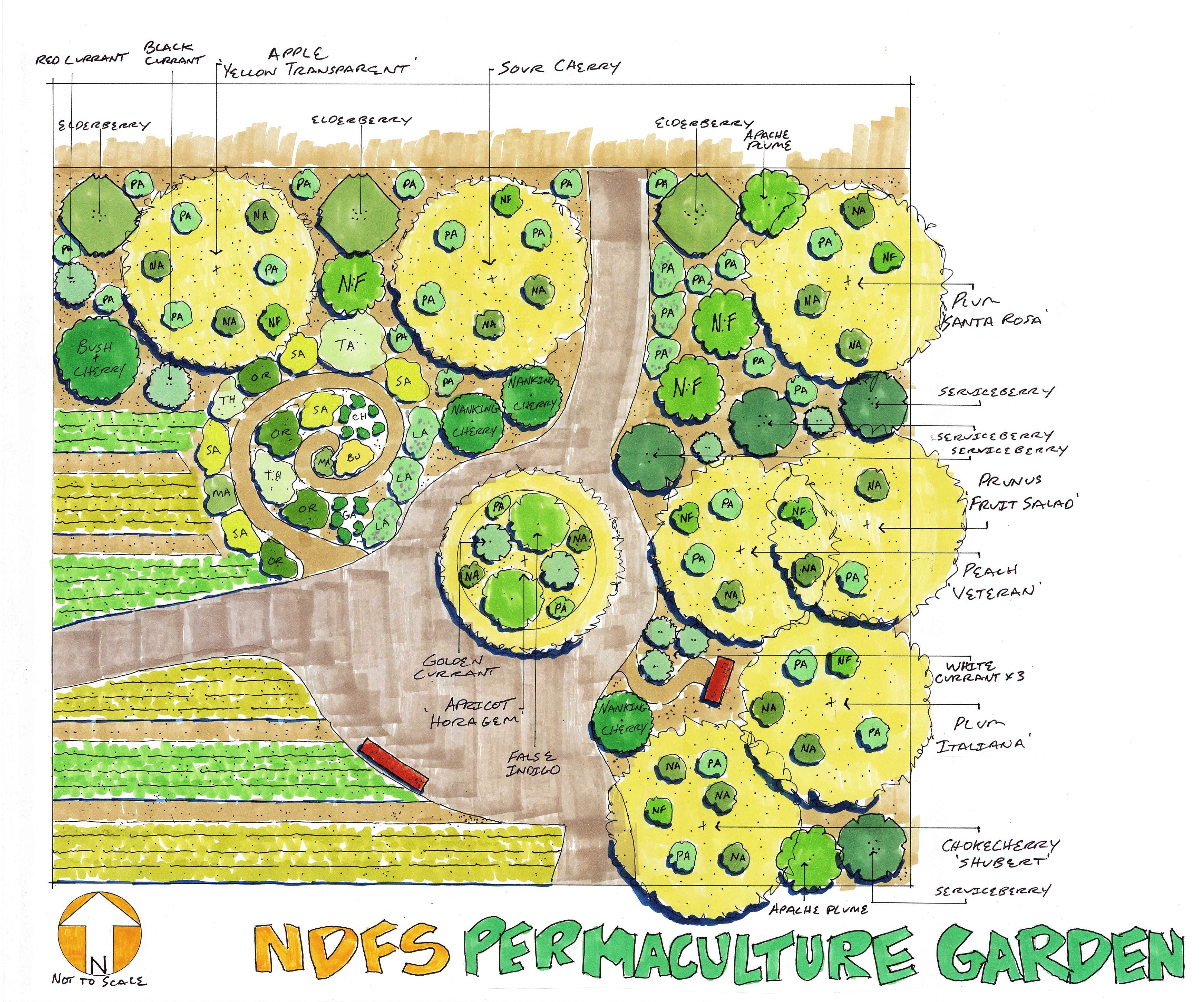
Credit: extension.usu.edu
Plant Selection
Selecting the right plants is crucial for a permaculture garden. Choose native species that thrive in your climate. Consider plants that support biodiversity and provide food, medicine, or resources.
Designing a permaculture garden is an art that involves thoughtful plant selection. The right plants can transform your garden into a thriving ecosystem. They not only provide food but also support soil health, attract beneficial insects, and create a resilient landscape.
Native Species
Choosing native species is like inviting nature's best allies into your garden. These plants are adapted to local conditions and require less maintenance. For instance, if you're in California, planting California poppies can brighten your garden while conserving water. Native plants also support local wildlife, providing food and habitat for birds and insects. When you plant natives, you're contributing to the local ecosystem. Imagine a garden buzzing with bees and fluttering with butterflies, all thanks to your plant choices.
Companion Planting
Companion planting is about creating plant partnerships that benefit each other. Some plants can improve the growth and flavor of others or keep pests away. Growing tomatoes with basil can enhance the flavor of both while deterring harmful insects. Think about your favorite garden veggies. Could they be happier with a friend nearby? Companion planting can increase your harvest and reduce the need for chemicals. It's like creating a supportive community where every plant plays a role.
Succession Planting
Succession planting keeps your garden productive all year round. By planning your planting times, you ensure a continuous harvest. After your peas finish, you might plant beans in their place, keeping the soil busy and productive. This method maximizes space and resources, ensuring you always have something fresh to pick. It's a strategy that turns every inch of your garden into a productive powerhouse. Are you ready to enjoy a garden that never stops giving? Thoughtfully selecting plants for your permaculture garden is more than just choosing what's pretty or tasty. It's about creating a sustainable, vibrant ecosystem that thrives on cooperation and diversity. What plant partnerships will you explore to cultivate a garden full of life?
Creating Wildlife Habitats
Designing a permaculture garden enhances wildlife habitats by integrating native plants and sustainable practices. Such gardens encourage biodiversity and create a balanced ecosystem. This approach supports local wildlife while providing food and shelter.
Designing a permaculture garden isn't just about growing food; it's about creating a thriving ecosystem. A key aspect of this is developing wildlife habitats. By attracting diverse species, you ensure a balanced environment where each creature plays a role. Imagine walking through your garden, hearing the buzz of bees, the chirping of birds, and the rustle of insects—all signs of a healthy habitat. Let's explore how you can transform your garden into a sanctuary for wildlife.
Pollinator-friendly Plants
Pollinators like bees and butterflies are essential for a vibrant garden. Choose a variety of plants that bloom at different times of the year to provide a continuous food source. Consider planting lavender, sunflowers, and coneflowers. These not only add color but attract a range of pollinators. Have you ever noticed how certain plants attract more bees than others? Experiment with different species and observe what works best in your garden. The more diverse your plant selection, the more pollinators you'll attract.
Insect Hotels
Insects play a crucial role in a permaculture garden by aiding in pollination and controlling pests. Building an insect hotel offers them shelter and encourages their presence. Use materials like bamboo, straw, and wood to create cozy nooks for these tiny guests. I once crafted an insect hotel using recycled materials, and within weeks, it was bustling with life. Watching ladybugs and solitary bees take up residence reminded me of how small actions can have a significant impact. Will you make space for these beneficial creatures in your garden?
Birdhouses And Feeders
Birds add life and music to your garden while keeping pest populations in check. Installing birdhouses and feeders invites them to visit and stay. Choose designs that suit local bird species, and place them in safe, accessible areas. Once, I set up a simple bird feeder and was amazed at the variety of birds that came. Each morning, I found myself eagerly watching them from my window. Their presence not only enhanced the garden's beauty but also contributed to a balanced ecosystem. Could adding bird-friendly features bring more joy to your garden? Creating wildlife habitats in your permaculture garden fosters biodiversity and a balanced ecosystem. By focusing on pollinator-friendly plants, providing insect hotels, and installing birdhouses and feeders, you invite a symphony of life into your space. What steps will you take to encourage wildlife in your garden?
Implementing Energy Systems
Design a permaculture garden by integrating energy systems. Use natural resources like sunlight and rainwater efficiently. Plan the layout to minimize energy waste, ensuring sustainability and productivity.
Designing a permaculture garden requires creativity and an eye for sustainable practices. One key aspect is implementing energy systems that work harmoniously with nature. By harnessing natural resources, you can power your garden efficiently, reduce reliance on non-renewable energy, and contribute to a healthier planet. Let's explore how you can make the most of solar power, wind turbines, and biogas production in your garden.
Solar Power
Solar power is a fantastic way to harness the sun’s energy, transforming it into electricity for your garden. Consider installing solar panels on your shed roof or any sunny spot in your garden. These panels can power garden lights, water pumps, or even a small greenhouse heater. Think about this: How much sunlight does your garden receive daily? This simple question can guide you in determining the right number of panels. A friend of mine installed solar lights along her garden path, and the aesthetic transformation was stunning while being eco-friendly.
Wind Turbines
If your garden is in a windy area, wind turbines can be a great energy source. Small wind turbines can generate enough electricity to run garden equipment or charge batteries for later use. They're especially useful in open spaces where the wind is consistent. Are you worried about the noise or aesthetics? Modern turbines are quieter and more visually appealing than you might think. A neighbor installed a small turbine, and it became a conversation piece, sparking interest in renewable energy among other community members.
Biogas Production
Biogas production is an innovative way to turn organic waste into energy. By setting up a biogas digester, you can convert kitchen scraps and garden waste into methane gas. This gas can then be used for cooking or heating purposes. Have you considered the amount of waste your garden produces? Utilizing this waste not only reduces landfill contributions but also provides a free energy source. One gardener shared how their biogas system helped reduce their kitchen waste significantly, while also providing enough gas for their outdoor stove. Implementing these energy systems can transform your permaculture garden into a self-sustaining paradise. Each system offers unique benefits that can be tailored to your garden's specific needs. What steps will you take to make your garden more energy-efficient? Your sustainable garden journey starts here, and the possibilities are endless.
Maintenance Strategies
Crafting a permaculture garden involves thoughtful planning to mimic nature's systems. Start with observing the local environment and soil type. Select plants that benefit each other and improve soil health. Use natural resources efficiently, like rainwater and compost, to maintain sustainability.
Designing a permaculture garden is just the beginning; maintaining it ensures its long-term success and productivity. Effective maintenance strategies are crucial in keeping your garden vibrant and healthy. These strategies not only protect your investment but also help the ecosystem flourish. Let's dive into some essential maintenance techniques for your permaculture garden.
Seasonal Tasks
Each season brings unique tasks that demand your attention. In spring, focus on planting new crops and mulching to retain moisture. Summer is the time to water wisely and manage heat stress by adding shade where needed. Come fall, it's crucial to harvest remaining crops and compost dead plants for soil enrichment. In winter, consider cover crops to prevent erosion and prepare for the spring revival.
Pest Management
Pest control in permaculture gardens is all about balance. Encourage beneficial insects like ladybugs and spiders to keep pest populations in check. Planting pest-repelling herbs such as basil and marigold around your garden can deter unwanted visitors. If you notice a pest problem, a simple soap-water spray can often do the trick without harming the environment.
Soil Health Monitoring
Healthy soil is the backbone of your permaculture garden. Regularly check soil moisture levels to ensure your plants are neither thirsty nor drowning. Test the soil pH annually to adjust nutrient inputs appropriately. Have you ever felt the satisfaction of seeing earthworms in your garden? They indicate a thriving soil ecosystem, so encourage their presence by adding organic matter. By implementing these maintenance strategies, you can keep your permaculture garden thriving throughout the year. What unique challenges have you encountered in maintaining your garden? Share your thoughts and tips below!
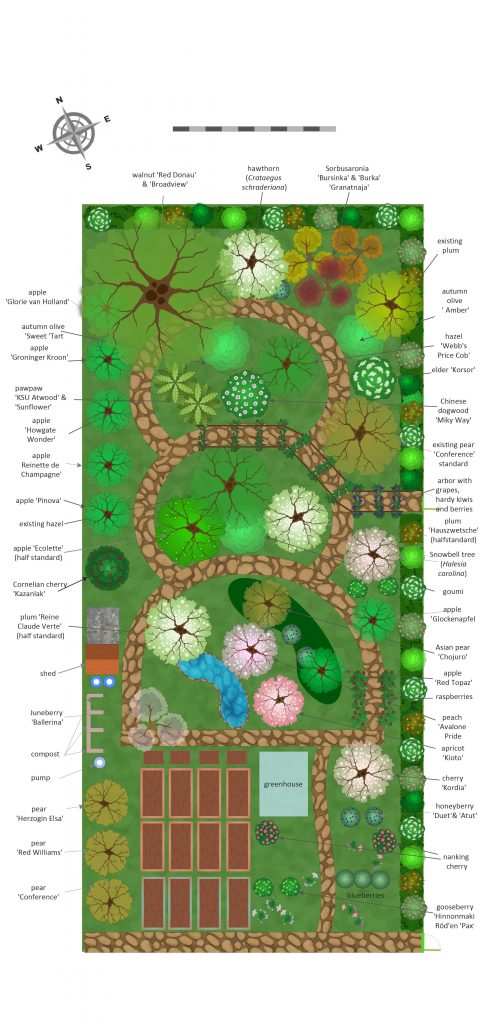
Credit: www.growntocook.com
Community Involvement
Engaging your community in the design of a permaculture garden can transform a simple project into a thriving ecosystem of shared knowledge and resources. When communities come together, they create a vibrant space that benefits everyone involved. You might be surprised at how a garden can become a hub of connection and learning.
Shared Resources
Imagine accessing a pool of tools and equipment without breaking the bank. Community involvement allows you to share resources, reducing individual costs and promoting sustainable practices. You can set up a communal shed where neighbors can borrow tools and materials. This not only saves money but also fosters a spirit of cooperation and sustainability.
What if you could tap into the skills and expertise of others in your community? Some might have experience with composting, while others are skilled at building raised beds. By sharing resources, everyone benefits and learns from each other.
Educational Workshops
Hosting educational workshops can be a fantastic way to draw people in and ignite their interest in permaculture. You could organize sessions on topics like soil health, plant selection, or natural pest control. Invite local experts or enthusiastic gardeners to lead these workshops.
Have you ever attended a workshop that changed the way you view gardening? When people learn together, they form bonds and share insights. This creates a supportive network that can help your garden thrive.
Local Partnerships
Building local partnerships can enhance your garden's impact and reach. Consider collaborating with nearby schools, businesses, or community groups. These partnerships can provide additional resources and support for your project.
Could a local café donate coffee grounds for compost? Maybe a school can incorporate the garden into their curriculum. By partnering locally, you expand your garden's influence and create meaningful connections.
Think about how your permaculture garden can become a focal point in your community. When you involve others, you create a space that's not only productive but also socially enriching. How will you engage your community in your garden's journey?
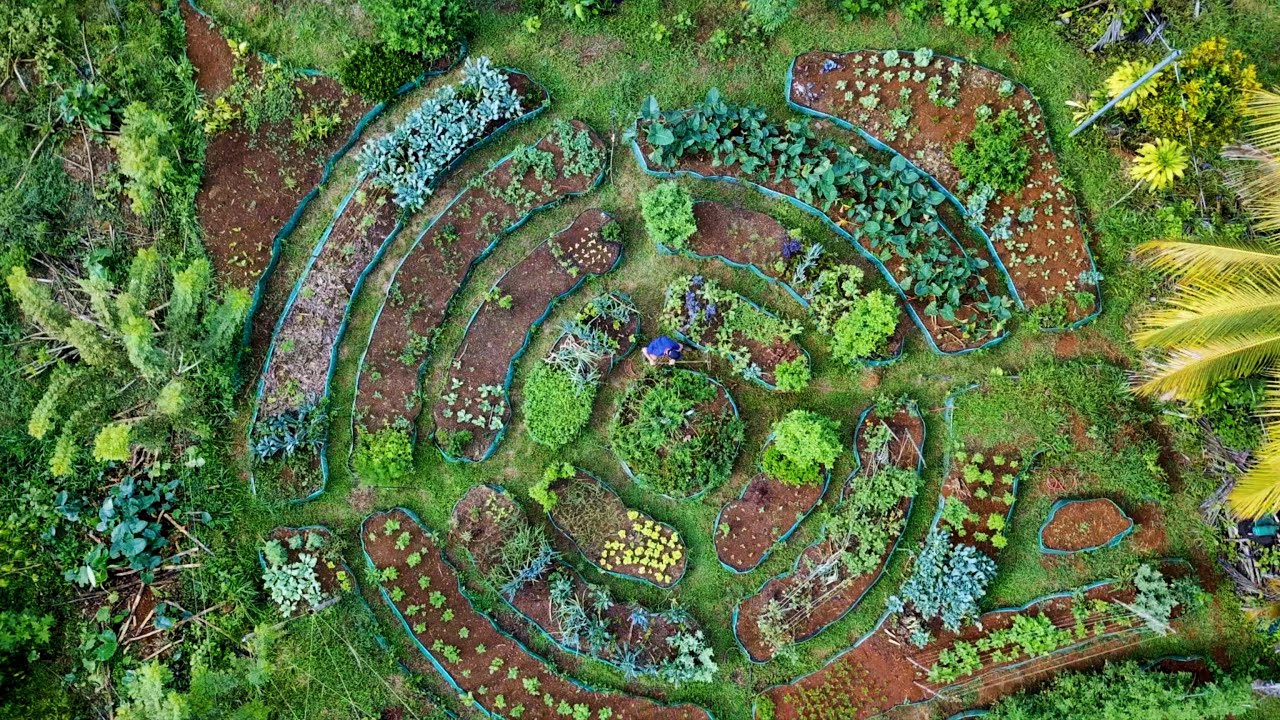
Credit: www.freepermaculture.com
Frequently Asked Questions
What Is Permaculture Gardening?
Permaculture gardening is a sustainable approach that mimics natural ecosystems. It focuses on designing gardens that are self-sufficient and regenerative. The principles promote biodiversity, soil health, and water conservation. This method aims to create a harmonious environment for plants, animals, and humans.
It's ideal for those seeking eco-friendly gardening solutions.
How Do I Start A Permaculture Garden?
Start by observing your land's natural patterns and resources. Design your garden layout based on these observations. Choose native plants and incorporate elements like rainwater harvesting and composting. Implement sustainable practices like mulching and companion planting. Begin small, and expand as you learn more about permaculture principles.
What Plants Are Best For Permaculture Gardens?
Choose native plants that thrive in your local climate. Opt for a mix of perennials, herbs, and vegetables to ensure diversity. Consider plants that contribute to soil fertility and pest management. Examples include comfrey, clover, and rosemary. These plants support a balanced ecosystem and improve garden resilience.
How Does Permaculture Improve Soil Health?
Permaculture enhances soil health through natural processes. Techniques like composting and mulching enrich soil with organic matter. Cover crops prevent erosion and improve nutrient content. Diverse plant species maintain balanced soil ecosystems. These practices lead to healthier soil, supporting robust plant growth and increased garden productivity.
Conclusion
Creating a permaculture garden blends nature and design beautifully. Start small and learn as you grow. Observe your surroundings, adapt your plans. Choose native plants to save water and support local wildlife. Compost your waste to enrich the soil. Embrace diversity in plants and animals for a balanced ecosystem.
Keep pathways clear for easy access. Your garden will thrive with care and patience. Enjoy the fruits of your labor, both literally and figuratively. The journey is as rewarding as the destination. Happy gardening!


