
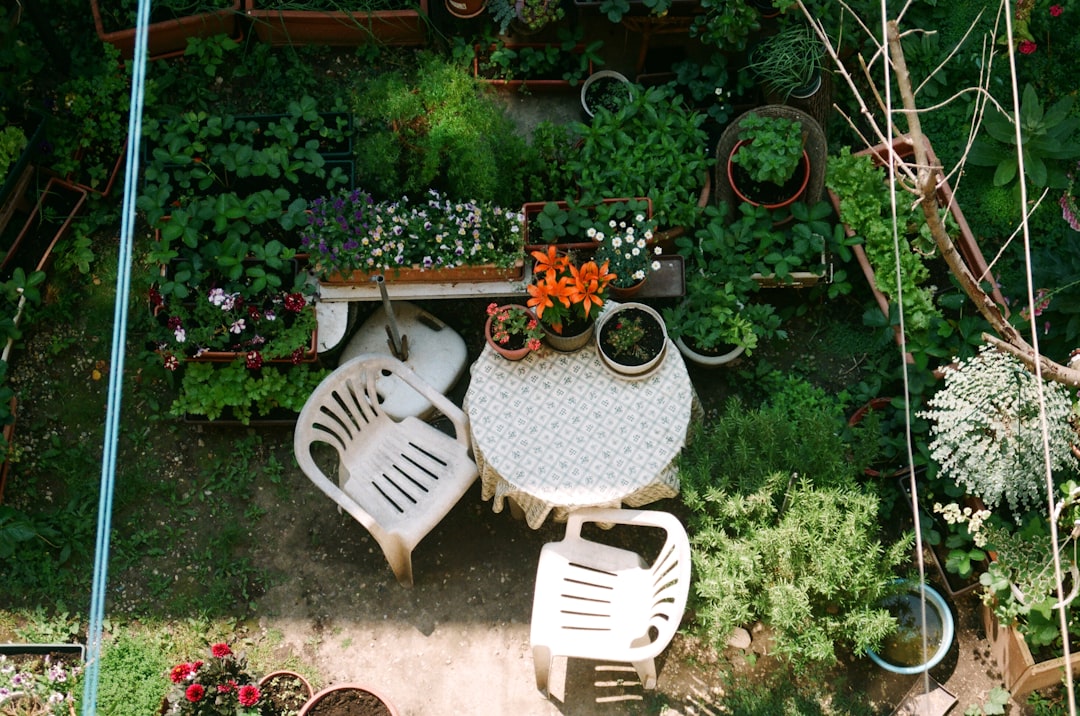
Imagine stepping into your backyard and feeling as if you've entered a serene oasis, a modern masterpiece where nature and design harmoniously coexist. Designing a modern garden is more than just landscaping; it’s about crafting a personal sanctuary that reflects your taste and meets your lifestyle needs.
You might wonder, "How do I achieve this perfect blend of style and functionality? " This guide will walk you through the essentials of creating a garden that not only looks stunning but also provides a peaceful retreat for you and your loved ones.
With a few strategic choices, you can transform your outdoor space into a modern haven that invites relaxation and inspires awe. Ready to turn your garden dreams into reality? Let's dig in.
Credit: www.gardeningetc.com
Garden Layout Planning
Designing a modern garden involves clean lines, minimalist features, and functional spaces. Balance nature with sleek materials like concrete or metal. Choose plants with varied textures and colors for visual interest.
Designing a modern garden starts with thoughtful garden layout planning. It's more than just arranging plants and pathways; it's about creating a harmonious space where nature and design coexist beautifully. Whether you're working with a sprawling backyard or a compact balcony, understanding the core elements of planning will set the foundation for a garden that not only looks good but also meets your needs.
Assessing Space And Needs
Begin by understanding your space. Measure your garden area and take note of sunlight patterns and soil quality. Consider existing structures like trees or fences. Ask yourself what you want from your garden. Do you need a play area for kids, a quiet corner for reading, or a space for entertaining guests? Identifying your needs will guide your design choices. Reflect on past experiences. Perhaps your old garden lacked shade. This insight can steer you towards including a pergola or planting tall trees.
Balancing Aesthetic And Functionality
A modern garden should be both beautiful and practical. Think about how you can combine aesthetics with utility. Consider using sleek, contemporary materials like concrete or steel for paths and borders. These can complement the lush greenery while providing durability. Don't forget functionality. If you love cooking, a herb garden near your kitchen can be both useful and visually appealing. Your garden should reflect your personality. If you enjoy vibrant colors, incorporate them through seasonal flowers or colorful outdoor furniture. Ultimately, the goal is to create a space that feels like an extension of your home. How will your garden enhance your daily life?
Choosing Plant Varieties
Choosing the right plant varieties is crucial for a modern garden. Plants set the tone and bring life to outdoor spaces. Select plants that complement your garden's style and climate. Consider factors like plant height, texture, and color. Thoughtful selections create harmony and visual interest.
Native And Exotic Options
Native plants are adapted to local conditions. They thrive with less maintenance. They attract local wildlife, which supports biodiversity. Exotic plants add unique flair and diversity. They can serve as eye-catching focal points. Research carefully as some may require special care.
Seasonal And Perennial Choices
Seasonal plants offer vibrant color during specific times. They can be annuals, blooming for one season. Perennials return each year, providing lasting beauty. Mix seasonal and perennial plants for year-round interest. This combination ensures continuous garden appeal.
Incorporating Hardscape Elements
Designing a modern garden involves more than selecting plants. Incorporating hardscape elements can transform your outdoor space into a serene retreat. Hardscape elements add structure and style, enhancing the overall aesthetic. They provide functionality, offering paths and seating areas for relaxation. Discover how pathways, patios, and water features can elevate your garden design.
Pathways And Patios
Pathways guide visitors through your garden. They define spaces and create movement. Use materials like stone, gravel, or brick for durability and charm. Consider the width of paths to ensure comfort and accessibility. Patios serve as gathering spots, perfect for socializing. Choose materials that complement your garden's style. Concrete, wood, and tiles are popular choices. They withstand weather and provide a clean look.
Water Features And Focal Points
Water features introduce tranquility and charm. Fountains, ponds, or streams enhance the sensory experience. They offer a soothing sound and visual appeal. Position them where they can be easily seen and heard. Focal points draw attention and add interest. Sculptures, large plants, or unique structures work well. Ensure they are visible from different angles. They should complement the garden's theme, creating harmony.
Creating Zones And Layers
Designing a modern garden involves creating zones and layers for visual interest. Distinct zones help organize space effectively. Layers of plants, furniture, and lighting add depth, making the garden inviting and functional.
Creating zones and layers in your garden can transform a simple outdoor space into a functional and aesthetically pleasing haven. By strategically organizing your garden into distinct areas, you can maximize the space and cater to various needs and activities. This approach not only enhances the beauty of your garden but also increases its usability. Let’s explore how you can design your modern garden by creating zones and layers.
Vegetable And Herb Zones
Designate a specific area for growing vegetables and herbs. This not only promotes healthy eating but also adds an element of sustainability to your garden. Consider raised beds or vertical gardens for easy access and maintenance. Think about which herbs and vegetables you use most often in your kitchen. Planting these ensures they are always fresh and at your fingertips. Group plants with similar sunlight and water needs to streamline your gardening efforts. Label each plant for easy identification. This can be especially helpful if you're new to gardening. Create paths between your rows to make harvesting and tending to your plants more efficient.
Relaxation And Entertainment Areas
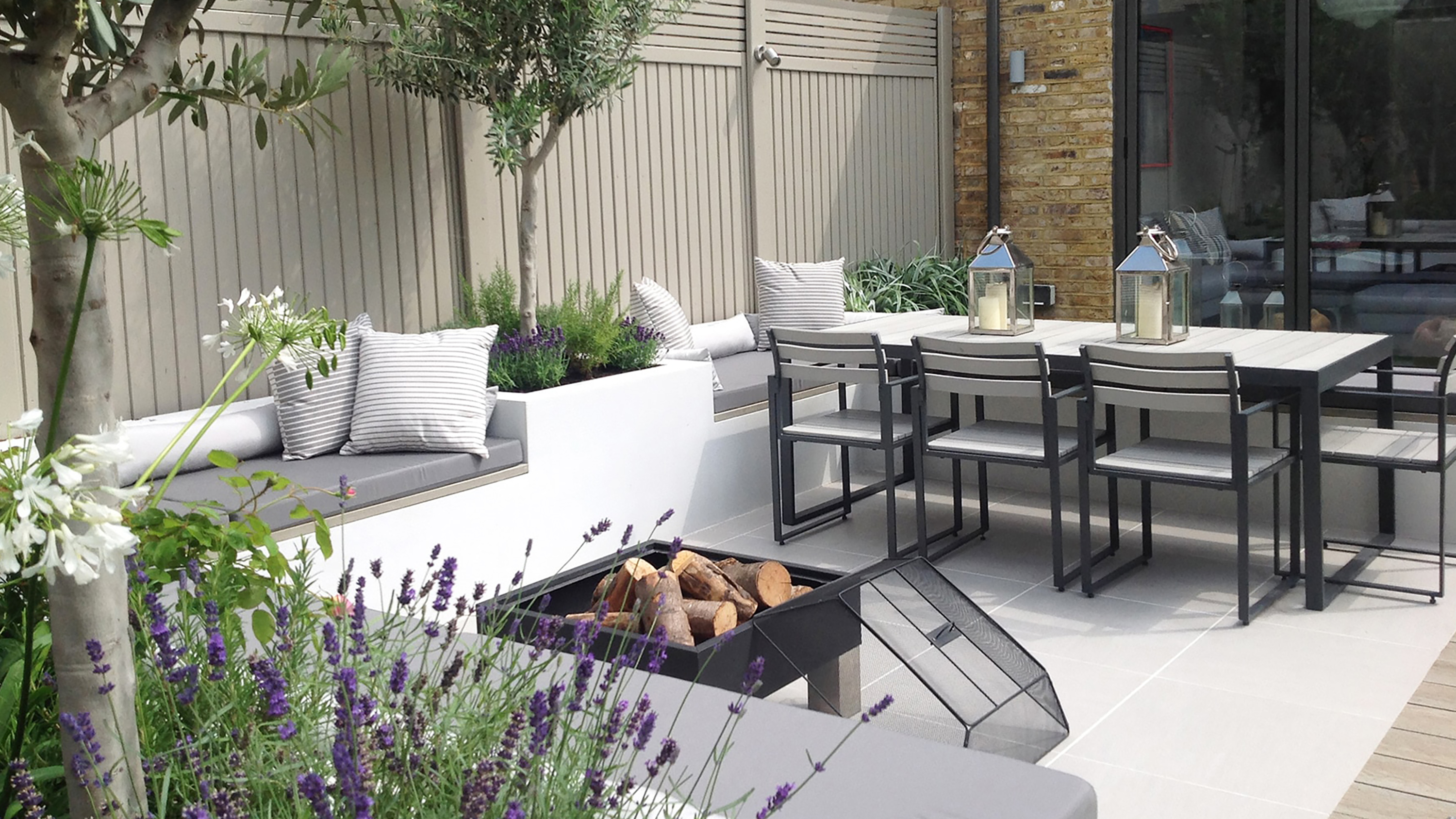
Carve out a space for relaxation and entertainment. This could be a cozy nook with comfortable seating or a larger area for hosting gatherings. Consider adding a fire pit or water feature to enhance the ambiance. Choose furniture that is weather-resistant and complements the overall design of your garden. Incorporate elements like outdoor rugs or cushions to add comfort and style. Think about how you can use lighting to create a warm and inviting atmosphere during the evenings. Reflect on your lifestyle and how you typically enjoy your outdoor space. Do you like quiet mornings with a book, or do you prefer hosting lively barbecues? Your garden should cater to these preferences. Creating zones and layers in your garden is not just about aesthetics; it's about enhancing your lifestyle. By thoughtfully designing your space, you can create a garden that is beautiful, practical, and tailored to your needs. What changes will you make to transform your garden into a modern oasis?
Sustainable Practices
Designing a modern garden involves using sustainable practices to minimize environmental impact. Select native plants to support local biodiversity and reduce water usage. Incorporate composting techniques to enrich soil health naturally.
Designing a modern garden goes beyond aesthetics; it's about embracing sustainable practices that contribute to a healthier planet. These practices not only ensure that your garden thrives but also that it does so in harmony with the environment. By adopting sustainable methods, you can create a space that is both beautiful and eco-friendly, offering a sanctuary for both you and local wildlife.
Water Conservation Techniques
Water is a precious resource, and conserving it in your garden is crucial. Start by collecting rainwater in barrels for irrigation. This simple step can significantly reduce your water bills and ensure your plants have a natural water source. Drip irrigation systems are another effective method. They deliver water directly to the roots, minimizing evaporation and ensuring efficient use. Consider planting drought-resistant plants that require less water, reducing dependency on frequent watering.
Soil Health And Composting
Healthy soil is the foundation of a thriving garden. Testing your soil regularly helps you understand its nutrient needs. Adding organic matter like compost can improve soil structure and fertility, ensuring your plants have the nutrients they need to flourish. Start a compost bin in your backyard. It's an excellent way to recycle kitchen scraps and garden waste into nutrient-rich soil. Not only does this reduce waste, but it also enriches your garden with natural fertilizers. Have you considered how your gardening practices impact the planet? By focusing on sustainable practices, you not only enhance your garden's beauty but also contribute to a healthier environment. What steps will you take to make your garden more sustainable?
Credit: m.supertramp.co.uk
Lighting And Atmosphere
Creating a modern garden involves carefully selecting lighting to enhance the atmosphere. Choose soft lights to highlight plants and pathways. Use fixtures that blend with garden design for a seamless look.
Creating the perfect lighting and atmosphere in your modern garden can transform it into a magical retreat. The right lighting not only enhances the garden's aesthetic appeal but also extends its usability well into the night. Imagine hosting a dinner party under a canopy of stars, with soft lights illuminating your path and highlighting your favorite plants.
Solar And Led Options
Choosing between solar and LED lights is an important decision for your garden's lighting. Solar lights are a sustainable choice, harnessing the sun's power to illuminate your space without increasing your electricity bill. They are easy to install and come in various designs, from path lights to decorative lanterns. LED lights, on the other hand, offer versatility in brightness and color. They are energy-efficient and long-lasting, making them ideal for highlighting specific garden features. Think about using LED strips under benches or around planters to create a dramatic effect.
Enhancing Nighttime Ambiance
To enhance the nighttime ambiance, consider layering different types of lights. Combining uplights for trees, fairy lights for shrubs, and spotlights for architectural features can create depth and interest. This layered approach can transform a simple garden into a vibrant nightscape. Why not try adding dimmable lights? This allows you to adjust the brightness to suit different occasions. Whether it's a quiet evening alone or a lively gathering with friends, the right lighting can set the perfect mood. Reflect on your personal experiences in outdoor settings. Remember how a cozy fire pit or twinkling lights made those moments special? You can recreate that magic in your own garden. What unique lighting ideas will you bring to life to make your garden an inviting haven after dark?
Personalizing Your Garden
Creating a modern garden is about more than plants. It's about making a space that feels uniquely yours. Personalizing your garden can transform it into a sanctuary. A place where you can relax and enjoy nature. With a few thoughtful touches, your garden becomes an extension of your home. Consider integrating art, custom furniture, and decor. These elements add character and reflect your personality.
Art And Sculpture Integration
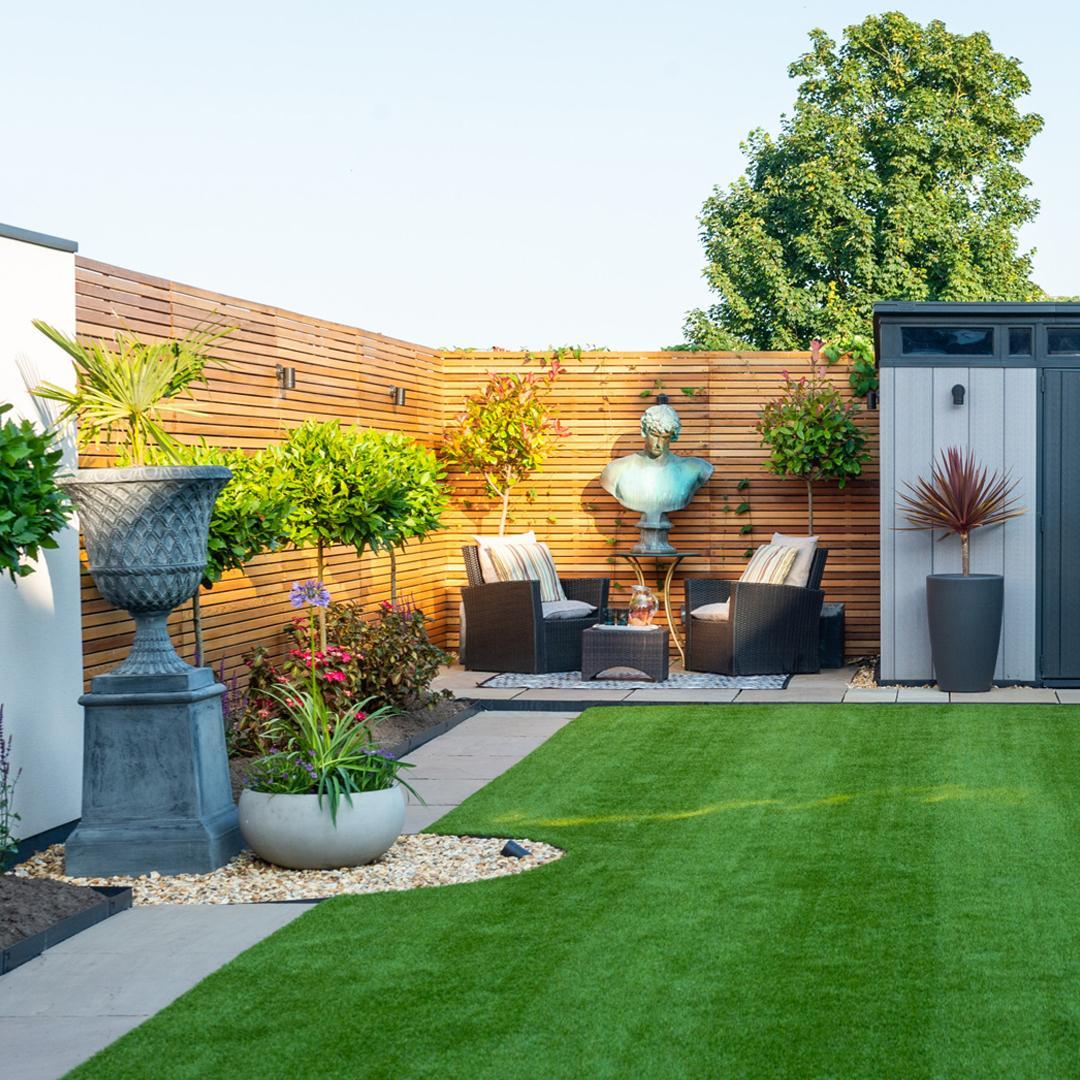
Art transforms any garden into a visual delight. Consider adding sculptures or installations. They add depth and interest to outdoor spaces. Choose pieces that resonate with your style. Whether abstract or classic, sculptures captivate the eye. Position them thoughtfully to enhance views and balance. Art in the garden tells a story. It invites guests to explore and discover.
Custom Furniture And Decor
Furniture plays a key role in garden design. Custom pieces fit your space perfectly. They offer comfort and style. Choose materials that withstand weather changes. Wood, metal, or woven materials work well. Decor adds the final touch. Consider cushions, rugs, or throws. These items bring warmth and color to your garden. Personal touches make the space cozy and inviting.

Credit: plantologyusa.com
Frequently Asked Questions
What Are Key Elements Of A Modern Garden?
A modern garden often includes clean lines, minimalistic designs, and functional spaces. Incorporate sustainable materials and native plants to enhance eco-friendliness. Water features, outdoor lighting, and seating areas can add aesthetic appeal. Choose low-maintenance plants for ease of care. A well-planned layout is essential for creating a cohesive look.
How To Choose Plants For Modern Gardens?
Select plants that complement your garden's design and climate. Opt for drought-resistant and native species for sustainability. Consider a mix of textures and colors for visual interest. Low-maintenance plants like succulents are ideal. Ensure plants match the garden's size and style for a cohesive appearance.
What Materials Are Best For Modern Garden Paths?
Modern garden paths benefit from sleek, durable materials like concrete, stone, or gravel. These materials offer clean lines and minimal maintenance. Use contrasting colors or textures to add depth. Eco-friendly options like recycled materials can also enhance sustainability. Choose materials that complement your garden's overall design.
How To Incorporate Lighting In Modern Gardens?
Incorporate lighting to highlight key features and improve safety. Use LED lights for energy efficiency and longevity. Solar-powered options are eco-friendly and cost-effective. Position lights strategically to create ambiance. Consider up-lighting trees or down-lighting paths for visual impact. Choose fixtures that match the garden's style.
Conclusion
Creating a modern garden blends style with nature. Simple, yet effective. Start with clean lines and minimalist designs. Choose plants that thrive in your climate. Think about color. It adds vibrancy and life. Use natural materials like stone or wood for paths and borders.
Water features can add tranquility. Lighting enhances beauty and safety at night. Regular maintenance keeps it looking fresh and inviting. Remember, a modern garden is your personal retreat. Reflects your taste and needs. Enjoy your space, relax, and connect with nature.
Your modern garden awaits.


