
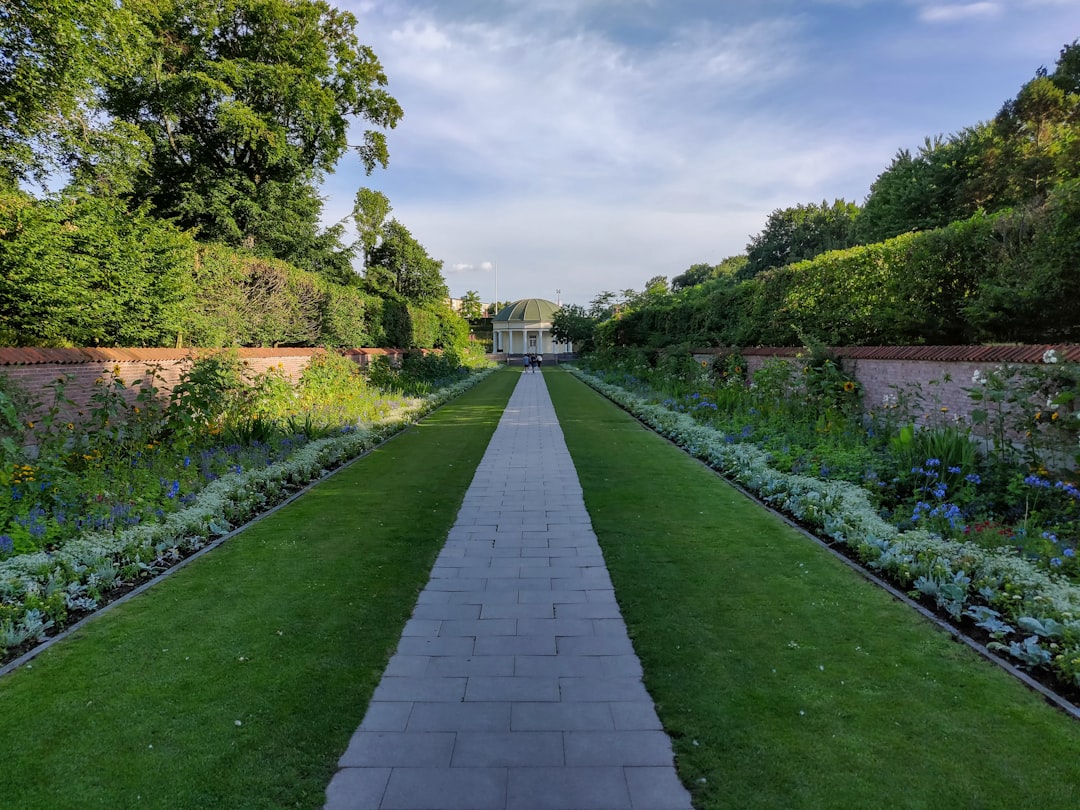
How to Design a Long Narrow Garden?
Imagine stepping into a garden that feels like your own secret escape, a place where every inch is thoughtfully crafted to create a serene sanctuary. If you're faced with the challenge of a long, narrow outdoor space, you've come to the right place.
Designing such a garden might seem daunting, but with the right guidance, you can transform it into a stunning oasis. Think about the potential of your garden. Visualize lush greenery, cozy seating areas, and vibrant flowers lining a tranquil path.
This vision is achievable, and you'll discover the secrets to making the most of every square foot. You deserve a garden that feels expansive and inviting, no matter its shape. You'll find practical tips and creative ideas that tap into your natural desire for beauty and tranquility. You'll learn how to overcome common pitfalls and unlock the hidden charm of your unique space.
As you read on, you'll uncover strategies that make designing a long, narrow garden an exciting adventure, not just a task. Let's dive in and start crafting the garden of your dreams.
Planning Your Garden Layout
Designing a long narrow garden requires thoughtful planning. By mapping out the layout, you can create a harmonious outdoor space. The right design makes your garden functional and beautiful. Consider how you will use the garden. Think about the flow and movement. Optimize every inch of space.
Assessing Space And Dimensions
Start by measuring the garden's length and width. A sketch helps visualize the space. Observe any existing features like trees or walls. Identify sunny and shady areas. Note the soil type and drainage. This information guides plant selection. Consider privacy needs and views. Include paths for easy access.
Creating A Functional Flow
Arrange elements for efficient movement. Paths should connect different areas smoothly. Use curves to soften the linear look. Create zones for different activities. For example, seating areas and planting beds. Ensure each zone has a purpose. Balance hardscape and softscape elements. This enhances the garden's appeal. Prioritize accessibility for all users.
Choosing The Right Plants
Selecting the perfect plants can transform a long narrow garden into a beautiful space. Consider compact shrubs and vertical climbers to maximize every inch. Incorporate seasonal flowers for year-round color and interest.
Creating a long narrow garden can be a delightful challenge. Choosing the right plants is crucial for maximizing space and ensuring a thriving garden. The right selection will not only beautify your space but will also make maintenance easier. Let's dive into how you can pick the best plants for your unique garden layout.
Selecting Varieties For Narrow Spaces
Narrow gardens benefit from vertical growth. Consider plants that grow upwards rather than outwards. Tall grasses or climbing plants like clematis can add height without sacrificing ground space. Think about columnar trees such as Italian cypress that create a striking visual without spreading wide.
Dwarf varieties are also great for adding color and texture without overcrowding. Are you looking for variety in foliage? Succulents and herbs can be planted along the edges to maintain a neat appearance while providing practical benefits.
Considering Sunlight And Soil
Sunlight is a game changer. Does your garden get full sun or is it shaded by buildings? Sun-loving plants like lavender and rosemary thrive in bright spots, while ferns and hostas prefer the shade. Soil quality can make or break your garden. Is it sandy, clay, or loamy? Test your soil and choose plants that match its texture and nutrient profile.
Blueberries love acidic soils, while thyme can tolerate poor soil conditions. What’s your watering routine? Drought-resistant plants can save you from frequent watering if time is tight. Consider sedum or yucca to keep things low maintenance. --- Have you ever planted something you loved but it just didn’t thrive? Sometimes it’s all about finding the right match for your garden’s conditions. What varieties are you excited to try in your narrow garden?
Incorporating Vertical Elements
Incorporating vertical elements transforms a long narrow garden into a dynamic space. Vertical elements create visual interest and maximize limited space. They draw the eye upward, making the garden feel larger. Using vertical structures also provides planting opportunities. These structures can support climbing plants and create lush green walls. Let's explore some ways to incorporate vertical elements effectively.
Utilizing Walls And Fences
Walls and fences serve as perfect canvases in narrow gardens. Painting them in light colors can make the space seem bigger. Attach planters or shelves to walls for more greenery. Hanging pots and baskets add depth and layers. Climbing plants like ivy or jasmine can cover fences beautifully. These plants bring life and texture to plain surfaces.
Adding Trellises And Arbors
Trellises and arbors provide support for climbing plants. They add height and elegance to a garden. Position trellises along pathways or against walls. Arbors can mark the entrance or divide garden sections. Choose materials like wood or metal for durability. Train roses, clematis, or honeysuckle to climb these structures. This creates stunning vertical displays of color and fragrance.

Credit: www.digsdigs.com
Maximizing Space With Containers
Designing a long narrow garden with containers creates more space. Place tall plants at the back and smaller ones in front. Varying plant heights adds depth and interest to the layout.
Maximizing space in a long narrow garden can be a rewarding challenge. One effective way to do this is by using containers, which allow you to make the most of every inch. Containers not only add depth and interest but also offer flexibility in plant arrangement.
Container Gardening Techniques
Think about how you arrange your containers. Stagger them at different heights to create visual interest and maximize space. You can use shelves, plant stands, or even hang them on walls or fences. Grouping containers is another way to make a big impact.
Cluster them in odd numbers for a natural look. This technique creates the illusion of a fuller, more abundant garden. Use containers to create pathways or zones in your garden. This can help guide the eye and make your garden feel more spacious and organized.
Ideal Plants For Containers
Choosing the right plants is crucial for successful container gardening. Opt for plants that thrive in confined spaces and have similar light and water needs. Consider herbs like basil, thyme, and mint. They grow well in containers, are useful in the kitchen, and add fragrance to your garden. For a splash of color, try flowers like geraniums or marigolds. These are easy to care for and brighten up any space.
Do you love fresh produce? Tomatoes and peppers do well in containers, offering a bountiful harvest in a small area. Containers allow you to experiment with different plants without committing to a permanent spot in your garden. What plants will you try in your container garden?
Creating Zones For Functionality
Designing a long narrow garden involves creating distinct zones for functionality. Separate areas for dining, relaxation, and gardening enhance usability. Simple pathways connect these zones, making the garden feel spacious and inviting.
Creating distinct zones in a long narrow garden boosts its functionality. Each zone serves a purpose, ensuring efficient use of space. This design approach enhances the garden's appeal and usability. By dividing your garden into zones, you create a harmonious outdoor environment. Let's explore how to define these zones for relaxation, entertainment, play, and activity.
Defining Relaxation And Entertainment Areas
A dedicated space for relaxation invites tranquility. Use comfortable seating like benches or loungers. Add a small table for drinks or books. Plants with calming colors and soothing scents enhance the atmosphere. Lighting, like fairy lights or lanterns, creates a cozy evening ambiance.
The entertainment area should accommodate guests. Consider a small patio or deck. Incorporate a barbecue or fire pit for gatherings. Ensure there's enough space for movement. This setup encourages social interaction and leisure activities.
Integrating Play And Activity Spaces
Children need areas to play and explore. Allocate a section with safe flooring. Include toys or a sandbox for creative play. For older kids, consider a swing or climbing frame. Adults benefit from activity spaces too.
A small lawn provides room for exercises or yoga. Install a simple path for walking or jogging. These spaces promote health and well-being. Designing a garden with zones improves its function and charm. Each zone meets the needs of everyone who uses it.
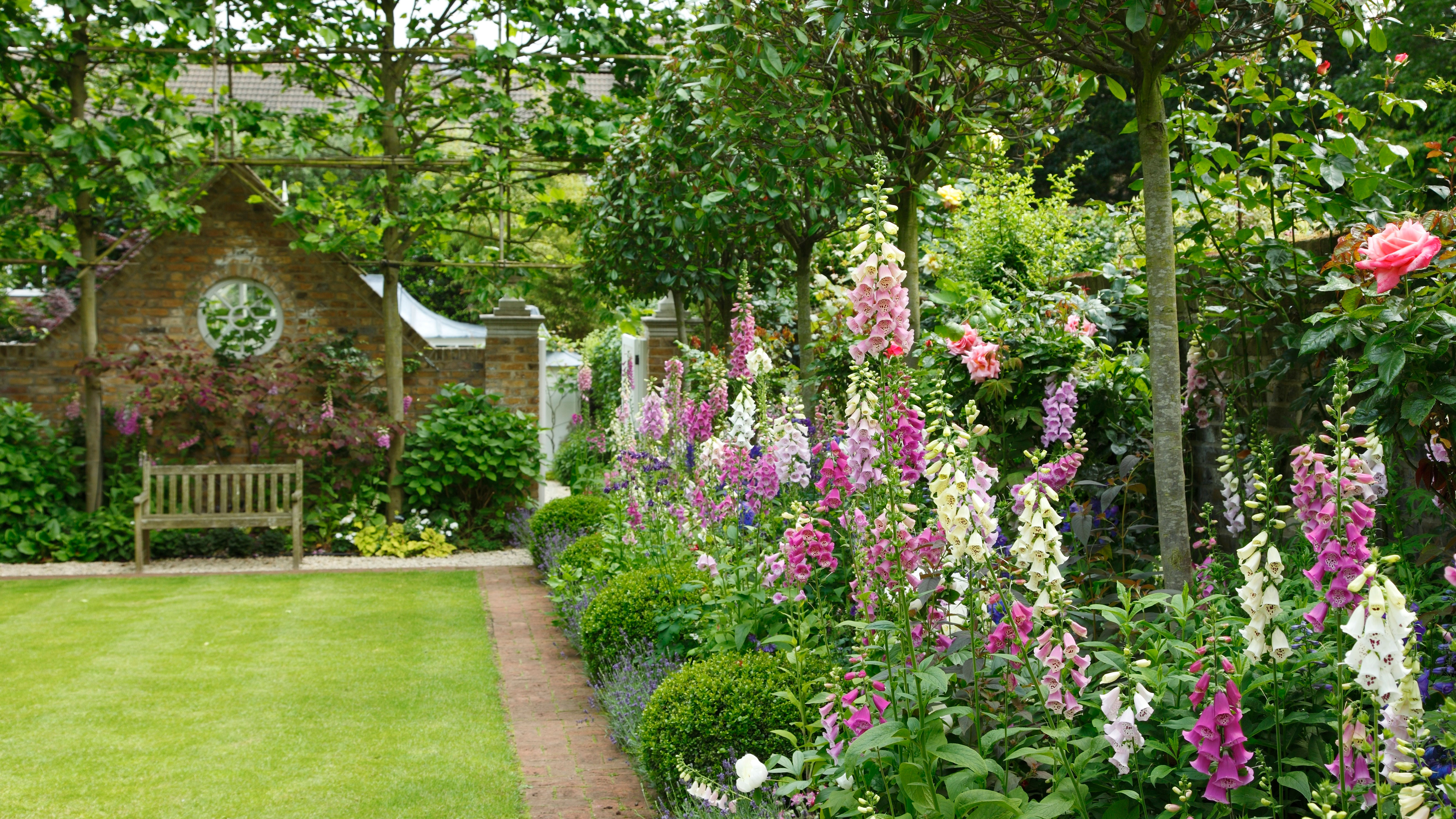
Credit: www.homesandgardens.com
Enhancing Privacy And Ambiance
Designing a long narrow garden enhances privacy and ambiance by incorporating tall plants and screens. Create distinct zones with varied foliage and seating options. Use winding paths to add interest and encourage exploration.
Enhancing privacy and ambiance in a long narrow garden can transform it into a serene retreat. Imagine stepping into your garden and feeling completely at ease, shielded from prying eyes and surrounded by a relaxing atmosphere. With a few thoughtful design choices, you can create a space that feels both intimate and inviting.
Using Screens And Hedges
Screens and hedges are fantastic tools for boosting privacy in your garden. Consider installing a bamboo screen along the length of your garden. Bamboo grows quickly and can create a dense barrier that not only provides privacy but also adds a natural aesthetic. Alternatively, hedges like privet or laurel are great options.
They grow thick and tall, forming a natural wall that separates your garden from the outside world. Think about the height and placement of your screens or hedges. Are they tall enough to block the view from neighboring windows? By strategically placing them, you can ensure maximum privacy without compromising on space. Remember, a private garden feels more like an extension of your home rather than just an outdoor area.
Lighting And Sound Considerations
Lighting can dramatically enhance the ambiance of a garden. Install solar-powered lanterns or string lights along your garden's pathway. This not only illuminates the area but also creates a warm, inviting glow that can be enjoyed in the evenings. Sound can also play a crucial role in enhancing your garden's atmosphere. Consider installing a small water feature.
The gentle trickle of water can mask unwanted noise and add a soothing element to your garden. You could also use outdoor speakers to play soft music, further enhancing the peaceful vibe. When designing your garden, ask yourself what kind of ambiance you want to create. Is it a peaceful retreat or a vibrant social space? By carefully considering lighting and sound, you can tailor your garden to meet your desires.
Maintaining Your Garden
Designing a long, narrow garden involves smart use of space. Start with vertical plantings to create height and interest. Pathways can guide visitors and divide the garden into sections for different plants or features.
Maintaining a long narrow garden can seem challenging, but with a few simple strategies, you can keep it looking vibrant and healthy. Regular upkeep ensures your garden flourishes and remains a delightful escape. Let’s explore how routine care and seasonal adjustments can make all the difference in your gardening success.
Routine Care And Upkeep
Routine care is the backbone of any thriving garden. Regularly water your plants, especially during dry spells. Pay attention to the specific needs of each plant species in your garden. Pruning is essential to maintain shape and promote growth. Trim back overgrown sections and remove any dead or diseased foliage.
This not only keeps your garden tidy but also encourages healthier plants. Consider creating a maintenance checklist. A simple table can help you track tasks like watering, weeding, and feeding. You might be surprised how this small step increases your gardening efficiency.
Seasonal Adjustments
Each season brings its own challenges and opportunities for your garden. In spring, focus on planting new seeds and bulbs. It's a time of renewal and growth, so take advantage of this natural momentum. Summer demands more attention to watering, as the heat can quickly dry out soil. Mulching can help retain moisture and reduce the need for frequent watering.
Have you tried using organic mulch for added soil nutrients? Autumn is perfect for preparing your garden for winter. Clean up fallen leaves and plant debris to prevent mold and pests. Consider adding a layer of compost to enrich the soil for the next growing season. Winter might seem like a dormant time, but it's crucial for planning and assessing. Evaluate what worked well and what needs improvement.
This reflection can guide your gardening choices in the coming year. Have you ever considered how a little seasonal adjustment could transform your garden care routine? Each small tweak can lead to a big impact, keeping your long narrow garden lush and inviting year-round.
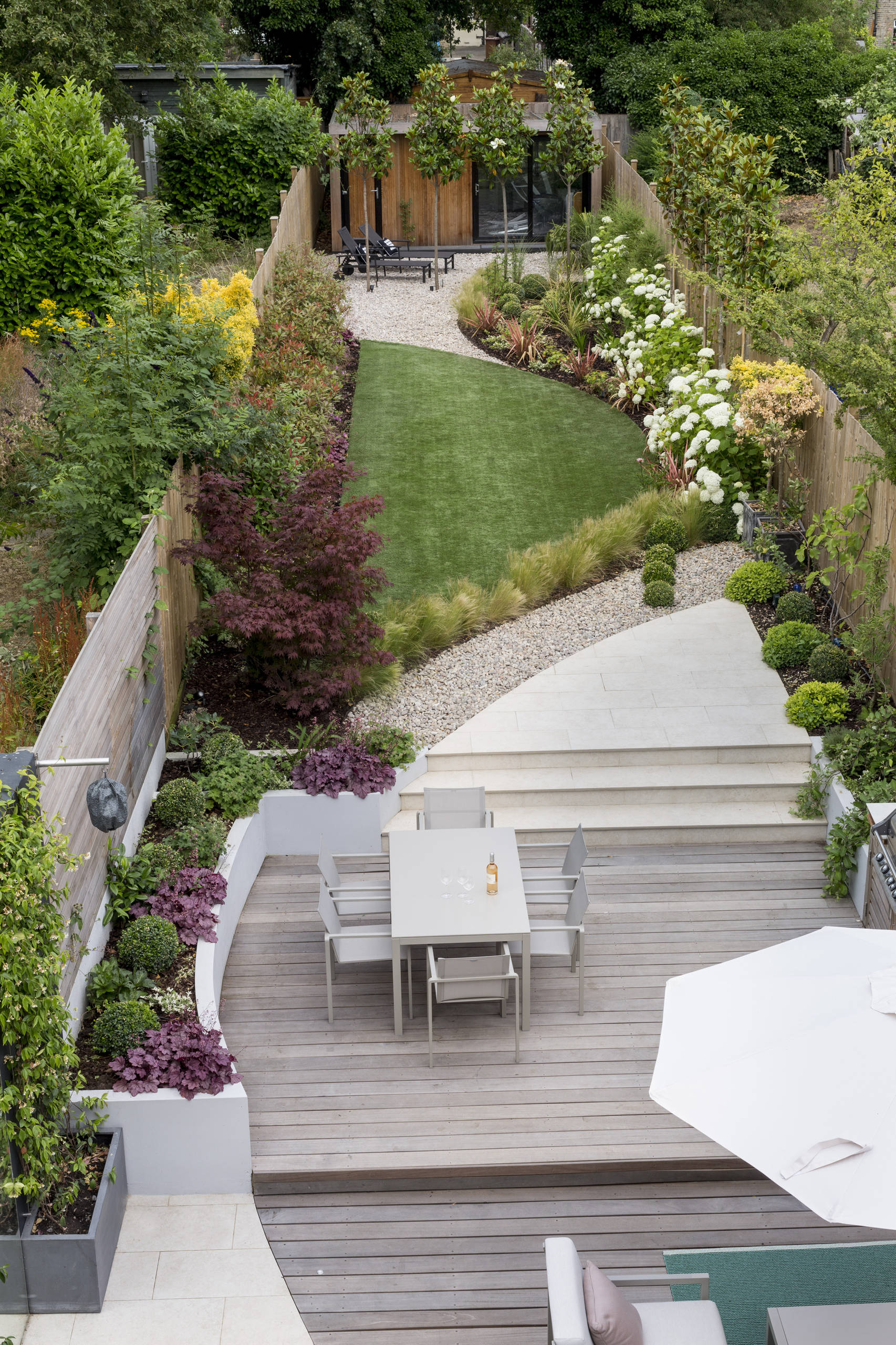
Credit: www.houzz.ie
Frequently Asked Questions
How Can I Maximize Space In A Narrow Garden?
Maximizing space involves strategic planning. Use vertical planting, raised beds, and hanging pots. Choose compact plants and utilize garden edges. Optimize pathways to create more planting areas. Employ mirrors and reflective surfaces to enhance perceived space.
What Plants Suit A Long Narrow Garden?
Choose plants that are compact and vertical in growth. Opt for climbers, shrubs, and dwarf varieties. Consider perennials like lavender and grasses. Mix textures and colors for visual interest. Ensure plants are suitable for your climate and soil.
How To Create Privacy In A Narrow Garden?
Use tall plants, trellises, and screens for privacy. Bamboo and hedges are excellent choices. Consider installing pergolas or arches. Utilize fabric or wooden panels for secluded areas. Keep pathways and seating sheltered with greenery.
What Design Features Enhance Narrow Gardens?
Incorporate curves and layers to soften linearity. Use tiered planting to add depth and interest. Water features, like fountains, can be focal points. Include seating areas that blend with the garden. Use lighting to highlight features at night.
Conclusion
Designing a long narrow garden can be rewarding. Focus on maximizing space and light. Choose plants that thrive in tight areas. Use vertical structures like trellises and pergolas. They create interest and draw the eye upward. Pathways guide visitors and define zones.
Mirrors can make the space feel larger. A water feature adds soothing sounds and texture. Consider seating areas for relaxation. With thoughtful planning, your garden becomes a cozy retreat. Embrace creativity and enjoy your unique space. Every detail contributes to a harmonious design.
Happy gardening!


