
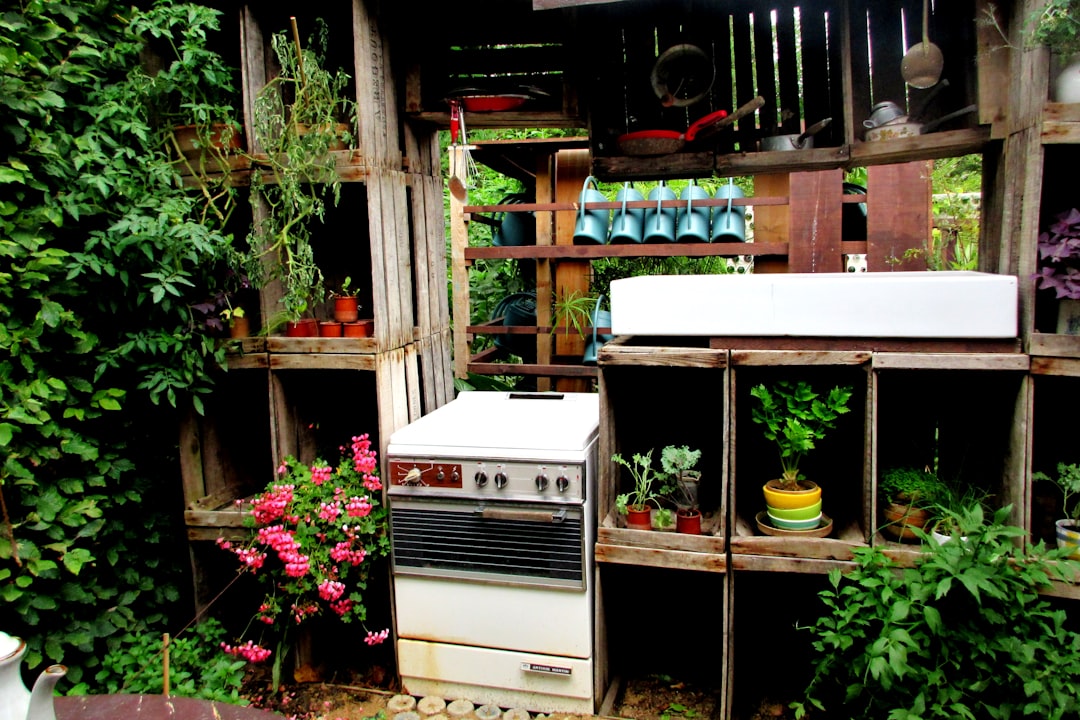
Imagine stepping outside your door to pick fresh herbs and vegetables just a few feet away. Designing a kitchen garden isn’t just about growing food; it’s about cultivating a lifestyle of health and convenience.
You’re not just planting seeds; you’re planting the promise of flavor, nutrition, and sustainability. Picture the satisfaction of cooking with ingredients that you’ve nurtured from start to finish. It’s easier than you think, and the rewards are bountiful. In this guide, you'll discover the essential steps to transform any outdoor space into a thriving kitchen garden.
Whether you have a sprawling backyard or a small balcony, you can create a personalized green haven tailored to your needs. By the end of this article, you’ll have the knowledge to design a kitchen garden that not only fits your space but also your lifestyle. Ready to dig in? Let’s get started on crafting your perfect kitchen garden.
Benefits Of Kitchen Gardens
Designing a kitchen garden is a rewarding experience. It transforms your backyard into a source of fresh produce. Kitchen gardens offer numerous benefits that enhance your lifestyle and environment. They improve health, contribute positively to nature, and save money.
Health And Nutrition
Fresh vegetables and herbs boost health. They are rich in vitamins and minerals. A kitchen garden provides easy access to nutritious food. It encourages you to eat more greens. The taste of freshly picked produce is unmatched. It’s a natural way to support a healthy diet.
Environmental Impact
Kitchen gardens are eco-friendly. They reduce your carbon footprint. Growing your own food lessens reliance on store-bought items. It cuts down transportation emissions. You contribute to biodiversity by growing different plants. Composting kitchen waste enriches the soil.
Cost Savings
Growing food at home saves money. It reduces grocery bills. Seeds and seedlings are inexpensive. You avoid spending on packaged produce. Over time, the garden pays for itself. You enjoy fresh food without extra costs.
Planning Your Kitchen Garden
Designing a kitchen garden involves selecting the right plants that suit your space and climate. Consider placement for sunlight access and easy watering. Prioritize herbs and vegetables you love to cook with.
Planning your kitchen garden can be a delightful and rewarding experience. Imagine stepping outside and picking fresh basil for your pasta or juicy tomatoes for your salad. But how do you transform your outdoor space into a productive garden? The key is in careful planning. Let's dive into some essential steps to ensure your kitchen garden thrives.
Assessing Space And Sunlight
Begin by evaluating the space you have available. Is your garden a sprawling backyard or a compact balcony? Each space holds potential for a flourishing garden. Observe how sunlight travels through your area. Most vegetables need at least 6-8 hours of direct sunlight daily. Use this knowledge to plan where you’ll position your garden beds. Consider the shadows cast by nearby buildings or trees. Will they block sunlight during critical growing hours? A simple tip is to spend a day noting where sunlight falls at different times.
Choosing The Right Plants
Select plants that thrive in your climate. If you're unsure, your local nursery can be a goldmine of information. They can guide you on which plants grow best in your region. Think about what you love eating. Do you enjoy spicy dishes? Perhaps growing chilies would be a fun addition. Factor in your space constraints. For smaller areas, vertical gardening with herbs like mint or rosemary can maximize space.
Deciding On Layout
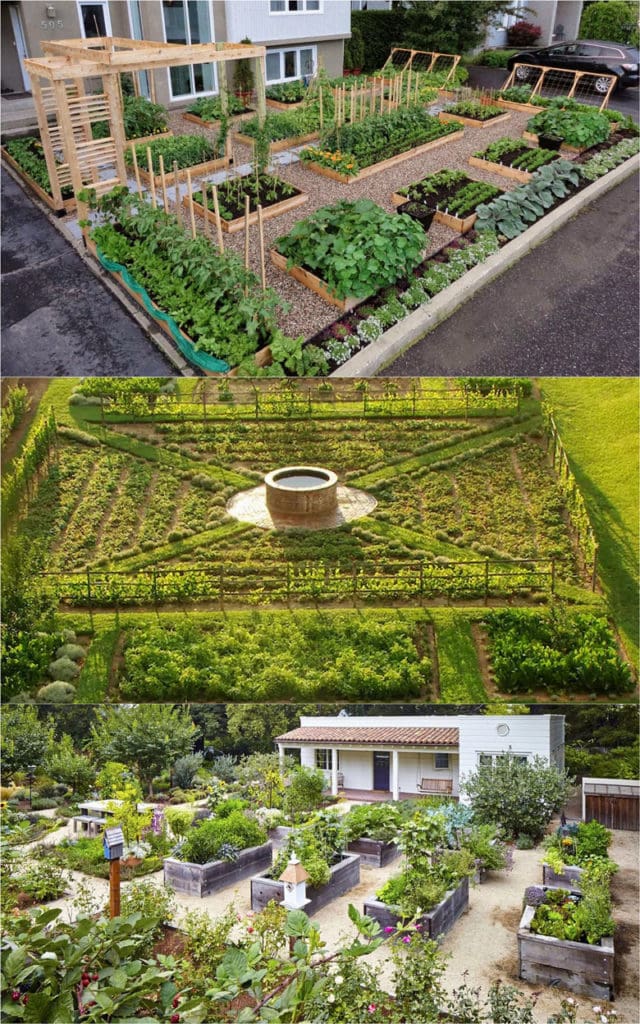
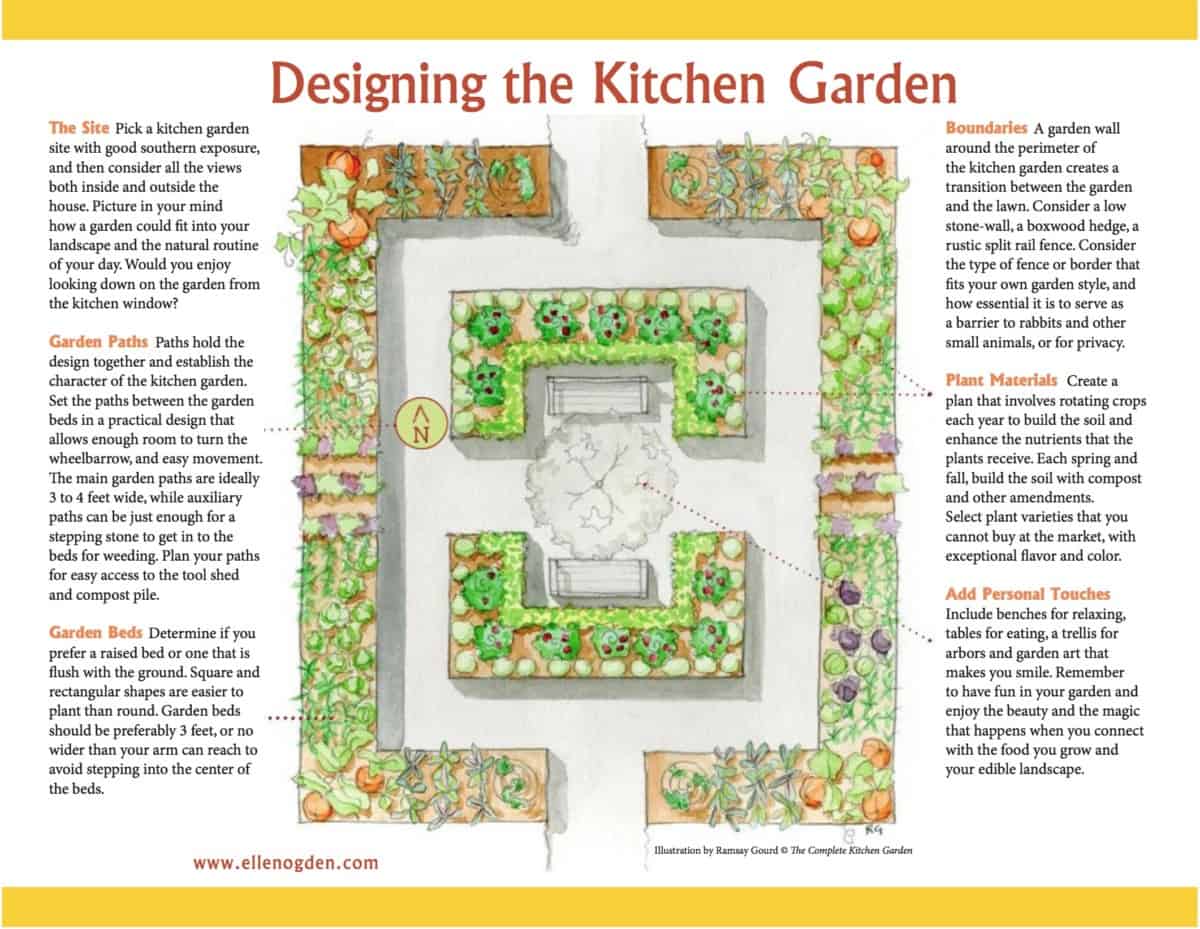
Visualize your garden as a canvas. How do you want to arrange your plants? Rows are traditional, but circular or spiral designs can add a unique touch. Consider accessibility. Ensure you can easily reach all plants for watering and harvesting. Raised beds might be ideal if you prefer minimal bending. Reflect on aesthetics. Do you want a neat and orderly garden or a wild and natural look? Your garden should be both functional and pleasing to the eye. In planning your kitchen garden, every decision matters. What choices will make your garden a place of joy and abundance?
Designing For Aesthetics
Crafting a kitchen garden combines beauty and practicality. Arrange herbs and vegetables in neat rows or vibrant containers. Consider plant heights and colors to create a visually appealing space that thrives with sunlight and water access.
Designing a kitchen garden is about more than just growing plants—it's about creating a space that brings joy and beauty to your daily life. When you focus on aesthetics, you're not only enhancing the visual appeal but also creating a place that feels like a natural extension of your home. Imagine stepping into your garden and being greeted by a riot of colors and textures that lift your spirits.
Incorporating Color And Texture
Color and texture can transform a simple garden into a stunning visual feast. Start by choosing plants that offer a variety of hues. Consider the vibrant reds of tomatoes, the lush greens of basil, and the deep purples of eggplants. Mix these with ornamental plants like marigolds or nasturtiums that not only add color but also repel pests. Think about the textures too—contrast smooth-leaved plants with those that have more rugged foliage. This variety keeps your garden interesting and inviting.
Balancing Functionality And Beauty
While aesthetics are important, your garden must also be practical. Arrange plants so that taller ones don't block sunlight from smaller ones. This ensures all plants thrive without compromising your garden's appearance. Pathways can add structure and charm. Use materials like brick or gravel that complement your home's exterior. These paths can guide you through the garden, making it easy to navigate while enjoying the view. Think about your daily routine. Will you need easy access to herbs for cooking? Design your layout so that the most-used plants are within reach. This balance between function and beauty makes your garden both useful and enjoyable. Have you ever noticed how a well-designed space can uplift your mood? Your kitchen garden should do the same, offering a perfect blend of practicality and visual appeal.
Selecting Garden Containers
Designing a kitchen garden begins with selecting the right containers. The right container can influence plant growth and garden aesthetics. It also determines how easy it is to care for your plants.
Types Of Containers
Garden containers come in various types, each with unique features. Clay pots are popular for their natural look and breathability. Plastic containers offer lightweight, affordable options. Wooden boxes provide a rustic charm. Metal containers are durable and modern. Fabric pots are flexible and promote air pruning.
Pros And Cons Of Each
Clay Pots:These pots allow air circulation and prevent root rot. They are heavy and can break easily. Clay pots also dry out faster.
Plastic Containers:Lightweight and affordable, perfect for beginners. They retain moisture well but may not breathe. Sun exposure can cause them to degrade over time.
Wooden Boxes:Offer insulation for roots, adding aesthetic appeal. They can rot if not treated properly. Wood may also attract pests.
Metal Containers:Extremely durable and resistant to the elements. They can overheat in the sun, harming roots. Metal containers are often heavy.
Fabric Pots:Promote healthy root growth and are easy to store. They dry out quickly and may not be as visually appealing.
Building Raised Beds
Creating a kitchen garden brings fresh produce to your doorstep. Building raised beds is a practical choice. They improve soil drainage and reduce weeds. Raised beds also add beauty to your garden space.
Materials Needed
Gather all necessary materials before starting. You'll need untreated wood, bricks, or stones. Ensure they're sturdy and weather-resistant. Avoid treated wood, as it can harm plants.
Get soil and compost to fill the beds. Good soil mix is crucial for plant growth. Also, have a drill, screws, and a tape measure handy.
Construction Techniques
Begin by choosing a sunny spot in your garden. Mark the dimensions of your raised bed using stakes and string. Typical beds are 4 feet wide. This width makes planting and harvesting easy.
Cut your chosen material to size. Assemble the pieces using screws for stability. Ensure corners are square for a neat appearance. Once constructed, place the frame in position.
Fill the bed with a mix of soil and compost. Level the soil and remove any large stones. Your raised bed is now ready for planting.
Essential Tools And Materials
Designing a kitchen garden involves more than just planting seeds. Essential tools and materials play a crucial role. They ensure your garden thrives. Let's explore what you need to create a successful kitchen garden.
Garden Tools Overview
Having the right tools makes gardening easier and more enjoyable. A garden trowel is essential for planting. Pruning shears help maintain plant health. A watering can ensures plants get the right amount of water. Gloves protect your hands from dirt and thorns. A wheelbarrow helps transport soil and plants. Invest in quality tools for better results.
Soil And Compost Options
Soil quality affects plant growth significantly. Choose soil rich in nutrients. Consider loamy soil for its balance of sand, silt, and clay. Compost enriches soil and adds organic matter. It improves soil structure and provides essential nutrients. You can make compost at home. Use kitchen scraps and yard waste. Store in a compost bin for best results. Your plants will thank you.
Watering Systems
Designing a kitchen garden requires a thoughtful approach to watering systems. The right system ensures your plants thrive. It also saves you time and effort. Explore manual and automated watering options. Choose the best for your garden's needs.
Manual Watering
Manual watering offers control and mindfulness. You use a watering can or hose. This method suits small gardens. It lets you gauge each plant's needs. You can water plants at their base, reducing water waste. Manual watering also allows for flexible timing. You can water when you see the soil is dry. This can be calming and enjoyable. It connects you with your plants. But, it requires regular attention and time.
Automated Systems
Automated systems offer convenience and consistency. These systems use timers and sensors. They ensure plants get water regularly. Drip irrigation and soaker hoses are common options. They deliver water directly to plant roots. This reduces water waste. Automated systems are ideal for larger gardens. They save time and effort. You set the schedule and relax. Some systems adjust based on weather conditions. This optimizes water usage. Initial setup may require investment. But, it pays off with efficiency and plant health.
Credit: www.foodgardenlife.com
Seasonal Planting Strategies
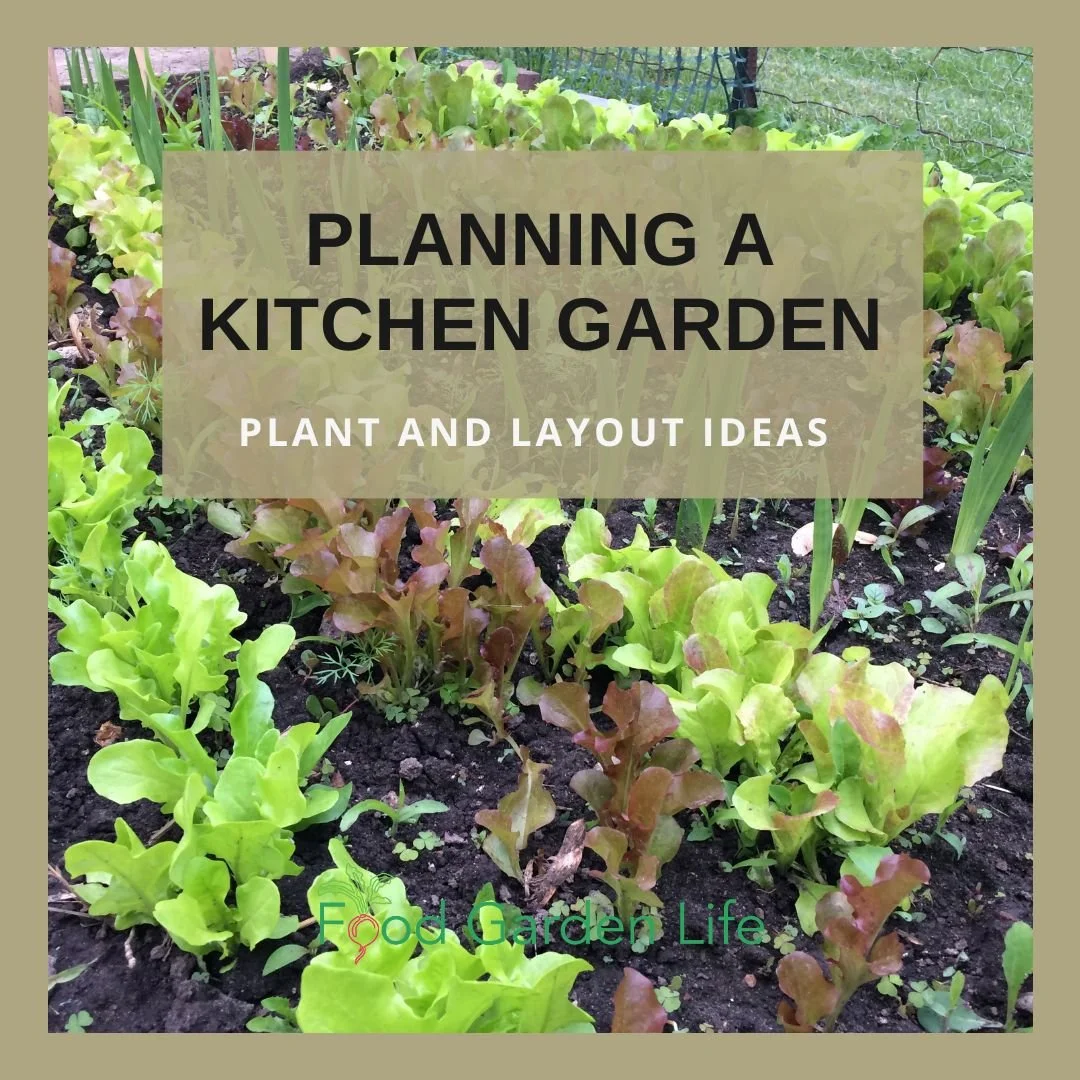
Creating a kitchen garden involves planning for seasonal planting. Consider plant varieties that thrive in different seasons. Rotate crops to maximize space and ensure continuous harvest. Use raised beds to improve drainage and soil quality. Select herbs and vegetables that suit the local climate for a successful garden.
Designing a kitchen garden is a rewarding venture that requires thoughtful planning, especially when it comes to seasonal planting strategies. Understanding what grows best in each season can maximize your garden's productivity and ensure a bountiful harvest throughout the year. Whether you're a seasoned gardener or just starting out, knowing which crops thrive in different seasons can make your gardening experience both fun and fruitful.
Spring And Summer Crops
Spring is an exciting time for gardeners. The soil warms up, and there's a wide range of crops to choose from. Think about planting lettuce, spinach, and radishes. These cool-weather crops thrive when planted early in the spring and can be harvested quickly. As summer approaches, consider adding tomatoes, peppers, and zucchini to your garden. These plants love the warmth and sunshine. Remember to water them regularly, especially during dry spells. One summer, I planted cherry tomatoes, and they were not only easy to grow but also a delightful snack while gardening.
Fall And Winter Choices
As the temperatures drop, your planting strategy should shift towards hardy crops that can withstand the cold. Kale and brussels sprouts are excellent choices for fall. They often taste better after a frost, which enhances their natural sweetness. For winter, think about growing garlic and onions. These crops can be planted in the fall and will overwinter, ready to sprout as spring arrives. Have you ever tried growing garlic over winter? It's a simple way to ensure you're ready for a flavorful spring harvest. By aligning your planting strategies with the seasons, you can enjoy a continuous supply of fresh produce. What seasonal strategies have you found most effective in your garden? Feel free to share your experiences or any unique tips you might have.
Maintenance And Care
Creating a kitchen garden involves thoughtful planning and ongoing care. Select plants suited to your climate for best results. Regular watering and sunlight are essential for healthy growth. Rotate crops to maintain soil nutrients, and add mulch to retain moisture.
Designing a kitchen garden is an exciting journey. But to truly enjoy the fruits of your labor, you need to focus on Maintenance and Care. A well-maintained garden not only yields better produce but also becomes a beautiful space for relaxation. How do you ensure that your garden stays lush and healthy throughout the seasons? Let's dig into some practical aspects of keeping your kitchen garden in top shape.
Regular Upkeep
Regular upkeep is the backbone of a thriving kitchen garden. It involves daily or weekly tasks that keep the plants healthy and the garden neat. Watering is a primary task, and it’s crucial to understand the water needs of different plants. Some, like tomatoes, need consistent moisture, while others, like herbs, prefer drier soil. Weed control is another essential task. Weeds compete with your plants for nutrients and water. Pull them out by hand or use a hoe to keep them at bay. Consistent weeding sessions make it manageable and prevent weeds from taking over. Pruning and trimming help in maintaining plant health and encouraging growth. Snip off dead leaves and stems to allow new shoots to thrive. This not only keeps your garden looking tidy but also promotes better air circulation.
Pest And Disease Management
Pest and disease management is vital for a healthy kitchen garden. Start by observing your plants regularly for any signs of trouble. Look for discolored leaves, holes in leaves, or insects on the stems. Early detection can prevent a small problem from becoming a big issue. Companion planting is a natural way to deter pests. Planting marigolds with vegetables, for example, can help repel nematodes and other pests. It's a simple strategy that blends beauty with functionality. Consider using natural pest control methods before reaching for chemical solutions. Neem oil or insecticidal soap can be effective against many common garden pests. They are less harmful to beneficial insects and the environment. Diseases like blight and mildew can be challenging. Rotate crops each season to prevent disease build-up in the soil. And always clean your tools to avoid spreading any pathogens from one plant to another. Remember, a bit of effort in maintaining and caring for your kitchen garden can lead to bountiful harvests and a beautiful space to enjoy. Are you ready to roll up your sleeves and give your garden the care it deserves?
Credit: www.apieceofrainbow.com
Harvesting And Storage
Harvesting and storing produce from your kitchen garden is rewarding. Knowing the right time and methods is crucial. It ensures fresh, tasty, and long-lasting produce.
Optimal Harvest Times
Different plants have their own perfect harvest time. Morning is usually best for most vegetables. Leaves are crisp, and flavors are at their peak. Pick tomatoes when they are fully red. For cucumbers, look for firm, dark green skin. Herbs like basil should be harvested before flowering. This keeps their flavors strong and sweet.
Preserving Your Produce
After harvesting, proper storage preserves freshness. Some vegetables need cool, dark places. Potatoes and onions do well in pantries. Leafy greens last longer in the fridge. Use airtight containers to keep them crisp. Drying is great for herbs like rosemary and thyme. You can also freeze many vegetables. Just blanch them first. This locks in color and nutrients.
Credit: www.ellenogden.com
Frequently Asked Questions
What Is A Kitchen Garden?
A kitchen garden is a small, personal garden focused on growing herbs, vegetables, and fruits. It's designed to provide fresh produce for cooking. Typically located near the kitchen, it allows easy access to ingredients. Kitchen gardens can be customized to fit different sizes and types of spaces.
How Do I Start A Kitchen Garden?
Start by choosing a sunny spot with good soil. Decide on what plants you want to grow. Begin with easy-to-grow herbs and vegetables. Prepare the soil by adding compost. Plant seeds or seedlings according to their needs. Water regularly and maintain the garden to ensure healthy growth.
What Plants Are Best For Kitchen Gardens?
Choose plants that are easy to grow and maintain. Herbs like basil, cilantro, and mint are popular choices. Vegetables such as tomatoes, peppers, and lettuce also thrive in kitchen gardens. Consider your cooking preferences when selecting plants, and opt for those that suit your culinary needs.
How Much Space Is Needed For A Kitchen Garden?
A kitchen garden can fit into various spaces, from small balconies to large yards. Even a few pots on a windowsill can work. The space required depends on the number and type of plants. Plan your garden layout according to available space and sunlight.
Conclusion
Creating a kitchen garden is both fun and rewarding. Start small. Choose the right plants for your space and needs. Remember to consider sunlight and water access. Use good soil for better growth. Organize your plants wisely to maximize space.
Regular care is key. Water and prune as needed. Enjoy fresh produce right from your garden. Share with family and friends. Feel the joy of growing your own food. A kitchen garden not only feeds the body but also the soul.
It's a journey worth taking. Happy gardening!


