
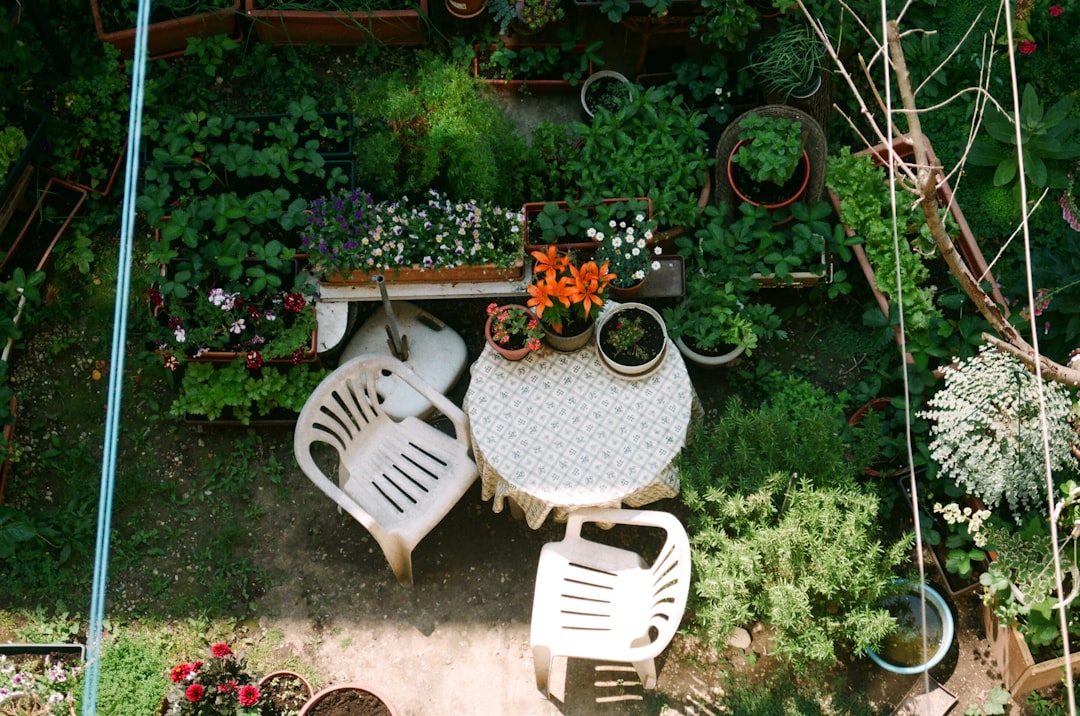
Imagine stepping into your backyard and being greeted by a lush, vibrant garden that feels like your personal sanctuary. Designing a garden space might seem like a daunting task, but it's actually an exciting opportunity to unleash your creativity and transform your outdoor area into a stunning oasis.
Whether you're a seasoned gardener or a complete novice, this guide will reveal simple steps and expert tips to help you craft a garden that not only looks beautiful but also reflects your unique style and personality. You'll discover how to choose the right plants, arrange them harmoniously, and create a space that invites relaxation and joy.
So, if you're ready to turn your garden dreams into reality, keep reading to unlock the secrets of designing a space you'll love to escape to every day.
Assessing Your Space
Evaluate the available area to create a beautiful garden. Consider sunlight, soil quality, and space size. These factors help in planning the garden layout efficiently.
Designing a garden space is a journey of creativity and practicality. It begins with assessing your space, a crucial step that lays the foundation for everything that follows. Before you start planting, understand what you're working with. This involves looking at the layout, soil, and climate of your garden area. Let's dive into these aspects, ensuring your garden not only looks beautiful but thrives for years.
Understanding The Layout
Start by observing your garden's layout. Is it wide open or more of a narrow strip? This will influence the type of plants you choose and how you arrange them. Think about the paths you walk daily. Are there areas that naturally get more foot traffic? Those might be ideal for hardy plants or paved pathways. Consider your garden's focal point. Where does your eye naturally fall when you look out the window or step outside? Use this spot to highlight your most impressive plants or features.
Evaluating Soil And Climate
Next, look at your soil. Is it sandy, clay, or loamy? Different plants thrive in different soil types. Testing your soil can save you time and money. You can buy a simple kit at any garden store to check for nutrients and pH levels. Climate is equally important. What are the temperatures like year-round? If you live in an area with harsh winters or scorching summers, you'll need to choose plants that can withstand these conditions. Think about the sun and shade patterns. Which parts of your garden get full sun, and which are shaded? Match plants to their preferred light conditions to ensure healthy growth. As you assess these elements, ask yourself: How can I make the most of what I have? Your answers will guide you in creating a garden space that is both functional and beautiful.

Credit: www.dreamzar.app
Defining Your Style
Creating a garden space reflects personal style through thoughtful plant selection, color schemes, and layout design. Consider functionality alongside aesthetics to craft a serene and inviting outdoor environment. Let nature inspire your choices for a harmonious and personalized garden retreat.
Defining your style is essential for a personalized garden space. It reflects your personality and preferences. Creating a unique garden begins with understanding your style. This involves exploring garden themes and choosing color schemes that resonate with you.
Exploring Garden Themes
Selecting a garden theme helps to create a cohesive look. Consider themes like rustic, tropical, or minimalist. A rustic garden may feature wooden elements and wildflowers. Tropical gardens often include vibrant plants and water features. Minimalist gardens focus on simplicity with clean lines and fewer plants. Choose a theme that matches your lifestyle and interests.
Choosing Color Schemes
Colors play a vital role in garden design. They can evoke different emotions and moods. Bright colors like red and yellow create energy and excitement. Soft colors like blue and lavender bring calmness and relaxation. A monochromatic scheme uses shades of one color for a unified look. Complementary colors contrast for dynamic visual appeal. Select colors that suit your theme and personal taste.
Planning Functional Zones
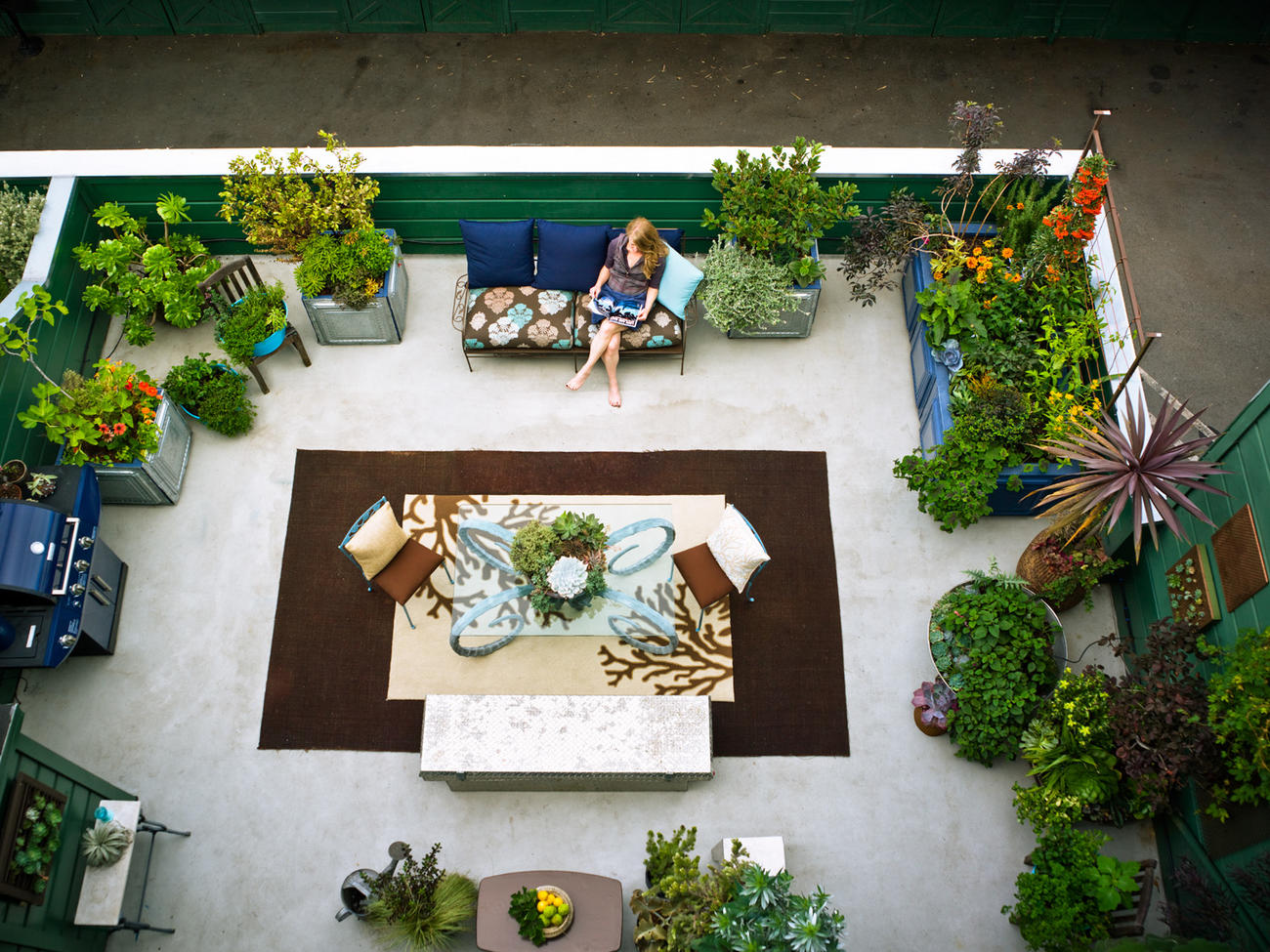
Designing a garden space involves organizing functional zones. Each area serves a different purpose. Plant selection, seating arrangements, and pathways enhance the overall experience. Create zones for relaxation, entertainment, and gardening tasks. Thoughtful layout ensures a balanced and inviting outdoor environment.
Designing a garden isn't just about planting flowers or installing a fountain. It's about creating a space that serves various purposes, tailored to your lifestyle. Planning functional zones in your garden can transform it into a multi-use haven. By designating specific areas for relaxation, play, and activities, you can make the most of your outdoor space. Have you ever thought about how each corner of your garden can serve a unique purpose?
Creating Relaxation Areas
Imagine stepping into your garden after a long day, finding solace in a cozy nook designed for relaxation. Consider adding a comfortable seating arrangement, such as a hammock or lounge chairs, where you can unwind. Think about the ambiance—perhaps you like the idea of surrounding yourself with fragrant flowers or having a small water feature nearby. What elements would make you feel most at peace in your garden? Consider accessibility. Ensure your relaxation area is easily reachable, with a clear path leading to it. This ensures you can enjoy it without hassle.
Designing Play And Activity Spaces
If you have children or enjoy outdoor activities, a designated play and activity space is a must. You might want to include a sandbox or a swing set for the little ones. Does your family enjoy playing soccer or badminton? Create a space where you can indulge in these activities. Safety is crucial in play areas. Use soft, non-slip surfaces to prevent injuries. Keep sharp objects and tools out of reach to maintain a safe environment. Think about versatility. An area that serves multiple activities can be more beneficial. A flat, open space can be used for different games or even set up for a picnic. How can you make the most of your garden space for fun and games? By thoughtfully planning functional zones, you can create a garden that caters to relaxation, play, and activity needs. Each area should complement the others, creating a cohesive outdoor experience. What’s your vision for your garden space?
Selecting Plants And Materials
Designing a garden space involves thoughtful selection of plants and materials. This step can make or break your garden's appeal. The right choices ensure a thriving and beautiful landscape. Pay attention to plants and hardscape elements. Both add texture and structure to your garden. Understanding what suits your environment is key. Let's dive into how to select the best options.
Choosing Suitable Plants
Consider your climate first. Choose plants that thrive in your local weather. Native plants often require less care. They adapt better and need less water. Sunlight is another factor. Some plants love full sun. Others prefer shade. Check each plant's sunlight needs. Soil type matters too. Some plants like sandy soil. Others prefer clay or loam. Test your soil to know its type.
Think about the plant's mature size. It helps in planning the space. Overcrowding can hinder growth. Tall plants may block light. Use a mix of heights for layers. Flowering plants add color. Evergreens offer year-round interest. Choose a variety for a balanced look.
Incorporating Hardscape Elements
Hardscape elements provide structure. Paths, patios, and walls are examples. They guide movement and define areas. Choose materials that match your home style. Stone, wood, and brick are popular choices. Each offers a different look and feel.
Paths made of stone or gravel feel natural. Wooden decks create a warm atmosphere. Brick patios offer a classic touch. Consider durability and maintenance. Some materials need more care. Others last longer with little upkeep. Balance beauty and practicality.
Water features add tranquility. A small fountain or pond can enhance relaxation. Ensure they fit your garden's size. Too large can overwhelm small spaces. Use lighting to highlight features. Soft lights enhance evening views. Solar lights save energy.
Implementing Sustainable Practices
Designing a garden space is more than just aesthetics. It's about creating a sustainable environment. Sustainable practices help the planet and enhance the garden's health. This section explores simple ways to maintain eco-friendly garden practices.
Water Conservation Techniques
Water is a precious resource. Using it wisely in the garden is crucial. Drip irrigation systems deliver water directly to the roots. This reduces evaporation and waste. Rain barrels collect rainwater for later use. This method saves tap water and is free. Mulching also conserves water. It keeps the soil moist and reduces evaporation.
Organic Gardening Methods
Organic gardening avoids harmful chemicals. It relies on natural solutions. Composting is a key organic practice. It turns kitchen waste into rich soil. This nourishes plants and reduces landfill waste. Natural pest control methods help protect plants. Ladybugs and birds eat harmful insects. Companion planting can deter pests too. For instance, marigolds repel nematodes.
Credit: www.foodgardenlife.com
Adding Decorative Touches
Enhancing garden spaces with decorative touches adds charm and personality. Choose colorful plants, unique ornaments, or vintage furniture. Experiment with textures and layers to create visual interest and make the garden inviting.
Designing a garden space is not just about planting flowers and trimming hedges. It's about creating a sanctuary that reflects your personality and style. Adding decorative touches can transform your garden from ordinary to extraordinary, making it a true extension of your home. Whether you're a seasoned gardener or just starting, the right decorative elements can add charm and character to your outdoor space. Let's dive into some practical ways you can enhance your garden with decorative touches.
Integrating Garden Art
Garden art can be a conversation starter and a reflection of your unique taste. Consider sculptures, wind chimes, or even a whimsical birdbath. These elements can add a focal point and create interest in different parts of your garden. Think about the materials that resonate with you. Metal sculptures can give a modern look, while wooden pieces offer a rustic vibe. You could even incorporate DIY projects, like painted rocks or homemade stepping stones, for a personal touch. Placement is key. Position your art pieces where they'll catch the eye but won't overwhelm the natural beauty of your plants. Walking through your garden should feel like a mini adventure, with delightful surprises around every corner.
Lighting And Ambiance
Lighting can dramatically change the mood of your garden. As the sun sets, the right lighting can make your garden glow with warmth and charm. Consider solar-powered lights for an eco-friendly option that’s easy to install. String lights are a popular choice, adding a magical feel to trees or pergolas. They’re perfect for garden parties or simply enjoying a quiet evening outdoors. Lanterns and candles can add a soft, romantic light, ideal for intimate gatherings. Think about how you use your garden at night. Do you want to highlight a particular plant or create a cozy seating area? Lighting can guide the way and set the tone, making your garden inviting and functional after dark. Adding decorative touches is about expressing your personality in your garden. What elements will you choose to create a space that feels uniquely yours?
Maintaining Your Garden
Maintaining your garden is essential for vibrant growth. It ensures plants thrive and bloom beautifully. Regular care keeps the space looking fresh and inviting. A well-maintained garden boosts curb appeal and provides a peaceful retreat. With the right care, your garden remains healthy and lush year-round.
Seasonal Care Tips
Each season brings unique challenges for garden care. In spring, start by removing dead leaves and debris. This helps plants breathe and grow. Fertilize to give plants a nutrient boost. Summer requires frequent watering to combat heat. Early morning is the best time to water. In autumn, prune and remove fallen leaves. This prevents diseases from spreading. Winter demands protection from frost. Use mulch to insulate plant roots.
Troubleshooting Common Issues
Gardens face pests and diseases often. Identify pests early to prevent damage. Use natural remedies like neem oil or soapy water. Yellow leaves may indicate overwatering. Adjust your watering schedule accordingly. Slow growth might signal nutrient deficiency. Test soil and amend if needed. For weeds, pull them out regularly. This keeps the garden neat and healthy.
Credit: www.sunset.com
Frequently Asked Questions
What Are The Basics Of Garden Design?
Garden design basics include understanding your space, choosing plants that thrive in your climate, and considering aesthetics. Start with a focal point, incorporate pathways for access, and plan for seasonal changes. Prioritize functionality and beauty to create a harmonious outdoor space.
How To Choose Plants For My Garden?
Choose plants based on your local climate, soil type, and sunlight availability. Consider the height, color, and blooming season for variety. Native plants often require less maintenance. Research compatibility and care requirements to ensure healthy growth and vibrant displays throughout the year.
What Is The Importance Of Soil Preparation?
Soil preparation is crucial for healthy plant growth. Proper soil enhances drainage, aeration, and nutrient availability. Test soil pH and amend it with organic matter, like compost. This improves fertility and structure, ensuring robust plants and a flourishing garden space.
How Can I Create Garden Privacy?
Create privacy with hedges, fences, or trellises with climbing plants. Choose fast-growing options like bamboo or evergreens. Incorporate layers with shrubs and trees for depth. Consider placement for optimal coverage and aesthetics, ensuring comfort and seclusion in your garden.
Conclusion
Creating a garden space can be rewarding and enjoyable. Start by planning your layout carefully. Consider the plants you love and the space they need. Use pathways to guide the flow and make it inviting. Add seating for relaxation and enjoyment.
Remember to think about sunlight and shade. Water features add a soothing touch. Keep maintenance in mind for easy care. A well-designed garden becomes a peaceful retreat. Enjoy the beauty and tranquility it brings. With these tips, your garden will surely thrive and delight.
Happy gardening!


