
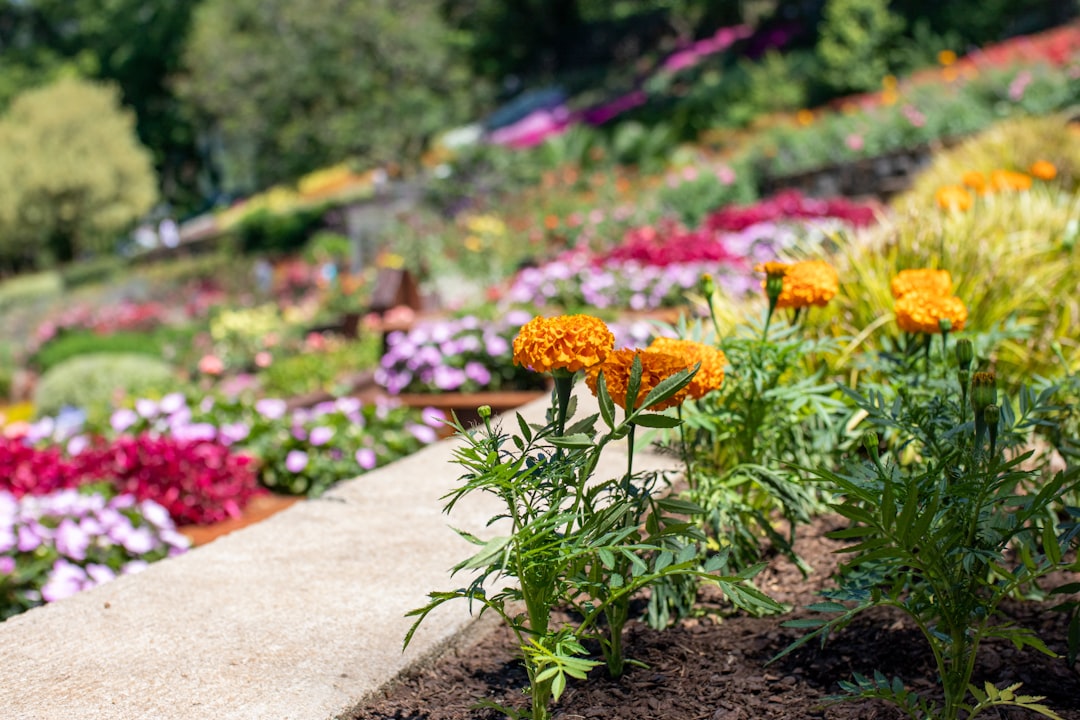
Imagine stepping into your backyard and being greeted by a vibrant tapestry of colors, scents, and textures. Designing a flower garden isn't just about planting some flowers; it's about creating your own slice of paradise.
Whether you have a sprawling yard or a small patch of land, you can transform it into a blooming sanctuary. But where do you start? What flowers should you choose? How do you arrange them for maximum impact? In this guide, you'll discover a step-by-step approach to designing a flower garden that reflects your personal style and brings year-round joy.
Prepare to roll up your sleeves and dive into a world where nature meets creativity. Your dream garden is just a few steps away. Keep reading, and let's turn that dream into reality.
:max_bytes(150000):strip_icc()/raised-flower-bed-getty-0323-2000-d07edc327f96451fa512778a84210f55.jpg)
Credit: www.marthastewart.com
Choosing The Right Location
Selecting the perfect spot boosts your flower garden's beauty. Ensure adequate sunlight and rich soil. Avoid areas prone to flooding or heavy winds.
Choosing the right location for your flower garden is crucial to ensure your plants thrive. This decision sets the foundation for the entire garden design. You'll want a spot that not only complements your home's aesthetics but also supports the healthy growth of your chosen flora. By carefully evaluating sunlight, shade, soil quality, and drainage, you can create a vibrant and flourishing garden.
Assessing Sunlight And Shade
Evaluate how much sunlight your potential garden spot receives throughout the day. Most flowers need at least six hours of sunlight to bloom. Consider the shade patterns caused by trees, buildings, or fences. These can affect which plants will thrive in different parts of your garden. You might notice that the morning sun hits your yard differently than the afternoon sun. Plan your garden layout accordingly to maximize growth.
Soil Quality And Drainage
Check the soil texture and composition in your chosen location. A simple test is to squeeze a handful of soil: it should crumble easily, indicating good quality. Assess the drainage by observing how water behaves after a rain. Standing water can lead to root rot. If the soil drains too quickly, it might be sandy and need organic matter to retain moisture. You can amend the soil with compost or mulch for improved quality. Choosing the right location involves more than just picking a sunny spot. Have you ever watched a neighbor struggle with their garden because they overlooked soil quality? Be proactive and save yourself the headache. Consider these factors carefully to ensure your flower garden flourishes beautifully.
Planning Your Garden Layout
Designing a flower garden begins with careful planning. A well-thought-out layout enhances beauty and functionality. Planning helps avoid common mistakes and ensures each plant thrives.
Deciding On Garden Shape And Size
Choose a shape that complements your outdoor space. Shapes like circles, squares, or curves provide different visual effects. Consider space available and plant types. Small gardens can feel cozy with intimate shapes. Larger gardens might benefit from expansive designs.
Size affects maintenance and plant choice. Larger gardens need more upkeep. Small spaces require strategic planning for impact. Assess the area before finalizing your garden dimensions.
Creating Pathways And Borders
Pathways guide visitors and protect plants from trampling. Use materials like gravel, stone, or wood for paths. Select a style that matches your garden’s theme.
Borders define sections and add structure. They can be created with plants, stones, or wooden edges. Borders help organize different plant zones. Keep them neat for a tidy appearance.
Paths and borders contribute to the garden's flow. They make navigation easy. Thoughtful placement enhances the overall design.
Selecting Plants And Flowers
Designing a flower garden is a fun and creative process. Choosing the right plants and flowers is crucial. The right selection will bring life, color, and harmony to your garden. Consider your garden's climate, soil, and sunlight. These factors influence plant growth and health.
Annuals Vs Perennials
Annuals bloom for one season. They need replanting each year. Popular choices are marigolds, petunias, and zinnias. They offer vibrant colors and fill spaces quickly. Perennials return year after year. They require less maintenance. Examples include daylilies, hostas, and peonies. They provide lasting structure and color.
Color And Seasonal Considerations
Color choice impacts garden mood. Bright colors energize. Soft pastels calm and soothe. Mix different colors for a balanced look. Think about seasonal changes. Choose plants that bloom in different seasons. This ensures year-round color and interest. Combine spring bulbs with summer perennials. Add fall foliage for a dynamic display.
Designing With Height And Texture
Height and texture create depth in flower gardens. Start by layering tall plants at the back. Add medium-sized blooms in the middle, and finish with low-growing varieties at the front. Mix textures with diverse leaf shapes and flower types for visual interest.
Designing a flower garden involves more than just picking pretty flowers. It’s about creating a space with depth and interest. Height and texture play a key role in this process. Using these elements can transform a simple garden into a stunning visual display. By carefully choosing plants of varying heights and textures, you can craft a dynamic garden that captivates the senses.
Using Plant Layers
Layering plants adds depth to your garden. Start with the tallest plants at the back. Tall plants like sunflowers or hollyhocks create a natural backdrop. In front of these, place medium-height plants. Think of daisies or lavender. They add volume and fill gaps. Finally, add the shortest plants at the front. Ground covers like creeping thyme or alyssum fit well here. This layering technique ensures every plant gets sunlight. It also creates a cascading effect that guides the eye.
Incorporating Vertical Elements
Vertical elements add height without taking up much space. Consider trellises or arbors for climbing plants. Clematis or morning glories can climb these structures beautifully. They draw the eye upward, adding an interesting dimension. You can also use tall structures like obelisks. These can support climbing roses or peas. Even tall garden sculptures or stakes add vertical interest. They break up the space and introduce variety. Vertical elements keep your garden from feeling flat and one-dimensional.
Preparing The Soil
Starting a flower garden involves preparing the soil, ensuring it is rich and well-drained. Remove weeds and rocks to create a clean space. Add compost to boost nutrients, promoting healthy plant growth.
Designing a flower garden is an exciting venture that begins with the essential step of preparing the soil. The foundation of any thriving garden is healthy soil, and investing time and effort into this stage can pay off with beautiful blooms. Preparing the soil involves testing its quality, amending it as needed, and choosing the right mulching techniques. These steps ensure your garden will be a vibrant and flourishing space.
Testing And Amending Soil
Before planting, it's important to understand the current state of your soil. Testing the soil helps you identify its pH level and nutrient content. You can purchase an easy-to-use test kit from a garden store or send a sample to a local extension service. Once you have your results, think about what your garden needs. Is your soil too acidic or too alkaline? Different plants thrive in different conditions, so knowing your soil's pH level can guide your choices. You might need to add lime to raise the pH or sulfur to lower it. Amending the soil involves adding organic matter or nutrients to improve its quality. Consider using compost or well-rotted manure to enrich it. Adding these materials not only boosts nutrient levels but also improves soil texture. A personal tip: when I first started gardening, I underestimated the power of testing and amending soil. Once I made the effort, my plants grew stronger and bloomed more vibrantly.
Mulching Techniques
Mulching is more than just a finishing touch; it plays a crucial role in maintaining soil health. Choose the right mulch for your garden. Organic options like bark, leaves, or straw can enrich your soil as they break down. Applying mulch helps retain moisture in the soil, reducing the need for frequent watering. It also suppresses weeds, saving you time and effort in maintenance. Consider how much mulch to use. A layer of about two to three inches is generally effective, but adjust based on your climate and soil conditions. Reflect on this: Have you considered how mulch can affect the soil temperature? It acts as an insulating layer, keeping roots cool in summer and warm in winter. When I started using mulch effectively, I noticed a significant improvement in soil moisture levels and fewer weeds popping up. It was a game-changer for my garden. Now that you know how to prepare the soil, you're one step closer to creating a beautiful flower garden. What soil preparation techniques have you found most effective in your gardening journey?
:strip_icc()/cottage-garden-path-landscape-01711dab-584a67641f4a4df7836946a8ea9a68a5.jpg)
Credit: www.bhg.com
Planting Techniques
Creating a stunning flower garden involves more than just choosing plants. Understanding the right planting techniques ensures your garden blooms beautifully. This involves knowing how to space and plant each flower. Correct techniques will help plants grow strong and healthy. Let's explore these essential methods.
Spacing And Depth Guidelines
Proper spacing prevents overcrowding and encourages healthy growth. Each plant needs room for roots and leaves to expand. Check the plant's label for spacing recommendations. Generally, small flowers need less space. Larger plants require more room. Depth is equally important. Planting too deep or shallow affects growth. Follow seed packet instructions. This ensures roots are covered well.
Companion Planting
Companion planting involves placing plants that benefit each other together. Some plants repel pests, keeping neighbors safe. Others enhance growth by improving soil nutrients. For example, marigolds help deter harmful insects. Lavender attracts pollinators, boosting nearby plant growth. Choose companions wisely for a thriving garden. Their partnership leads to vibrant blooms and a healthy ecosystem.
Watering And Maintenance
Designing a flower garden involves thoughtful watering and maintenance. Ensure plants receive consistent moisture, adjusting for seasonal changes. Regularly remove weeds to maintain a healthy garden environment.
Watering and maintaining your flower garden is crucial to its success. It's not just about keeping plants hydrated; it's about ensuring they thrive. A well-maintained garden is a joy to behold and a source of pride. You want those blooms to be vibrant and healthy, right? Let's dive into how you can achieve this with proper watering and maintenance techniques.
Irrigation Systems
Investing in a reliable irrigation system can be a game-changer for your garden. Drip irrigation, for example, delivers water directly to the plant roots, minimizing waste and ensuring each plant gets what it needs. I remember the first time I switched from hand-watering to a drip system—it was like my garden thanked me with an explosion of color. Consider a timer for your irrigation system. This ensures your plants get watered regularly, even when you're not around. Having a consistent schedule reduces the risk of overwatering, a common mistake in gardening.
Pest Control And Fertilization
Keeping pests at bay is essential for a healthy garden. Use natural solutions like neem oil or insecticidal soap to manage unwelcome guests. I once battled aphids using a simple mix of water and dish soap, and the results were surprisingly effective. Fertilization is your garden's best friend. Choose a balanced fertilizer to supply your flowers with the necessary nutrients. Apply it during the growing season to boost plant health and bloom quality. Regularly inspect your plants for signs of pests or nutrient deficiencies. Catching these issues early can save your garden from significant damage. Have you noticed any unusual spots or discoloration? Addressing them promptly can make all the difference in maintaining a vibrant flower garden. In crafting your flower garden, remember that thoughtful watering and diligent maintenance are your allies. Each step you take brings you closer to the garden of your dreams. So, roll up your sleeves and get started—your garden will thank you.
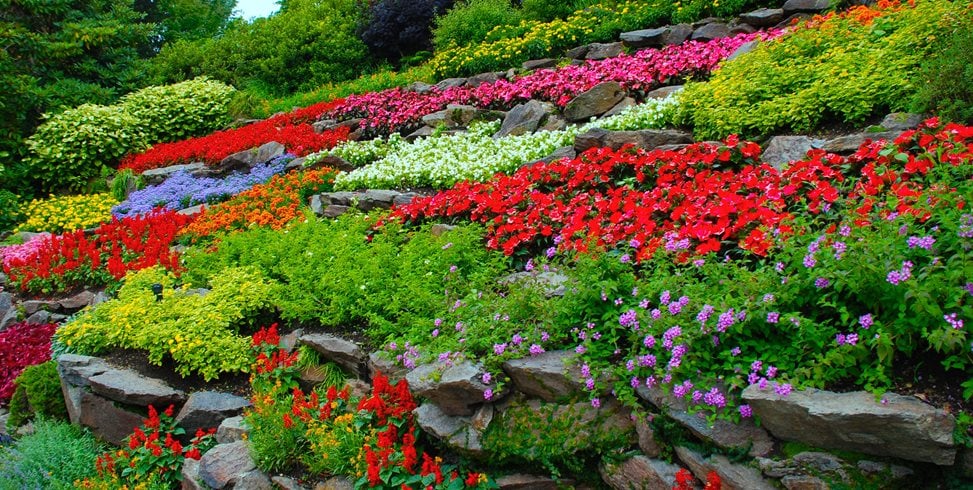
Credit: www.gardendesign.com
Adding Decorative Elements
Enhance your flower garden by incorporating decorative elements like stone pathways and birdbaths. These additions create visual interest and attract wildlife. Use colorful pots and garden sculptures to express personality and style.
Adding decorative elements to your flower garden enhances its charm and appeal. These elements create focal points and bring a personal touch to your space. While flowers provide color and fragrance, decorations add personality. Whether you prefer classic or modern, these elements can transform your garden. Let’s explore some exciting options.
Garden Sculptures And Ornaments
Garden sculptures add a sense of art to your garden. Choose pieces that reflect your style. Stone statues offer a timeless and elegant look. Metal sculptures bring a modern vibe. Birdbaths and fountains add motion and attract wildlife. Ornaments like colorful pots or whimsical figures add playfulness. Keep the scale in mind. Large pieces can dominate a small space, so use them wisely.
Lighting For Ambiance
Lighting enhances your garden's atmosphere, especially at night. Solar-powered lights are eco-friendly and easy to install. Place them along pathways for safety and charm. String lights create a cozy, festive feel. Use lanterns or spotlights to highlight key features. Lighting makes your garden usable in the evening. It also adds a magical glow to your space. Choose warm lights for a welcoming environment.
Frequently Asked Questions
What Are The Basics Of Flower Garden Design?
Start by choosing a suitable location with ample sunlight. Plan your layout and select a variety of flowers. Consider plant height, color, and blooming seasons. Ensure proper soil preparation and drainage. Regular maintenance, including watering and fertilizing, is crucial. This foundation will help you create a vibrant and thriving flower garden.
How Do I Choose Flowers For My Garden?
Select flowers based on your garden's climate and soil conditions. Consider color combinations and blooming seasons for year-round interest. Choose a mix of perennials and annuals. Pay attention to plant height and spacing for a balanced look. This careful selection ensures a cohesive and stunning garden design.
What Tools Do I Need For Garden Design?
Essential tools include a spade, trowel, and pruners for planting and maintenance. Use a rake for soil preparation and a garden hose for watering. A measuring tape helps with spacing and layout. These basic tools will equip you to effectively design and care for your flower garden.
How Often Should I Water My Flower Garden?
Water your flower garden deeply once or twice a week, depending on climate and soil type. Ensure soil remains moist but not waterlogged. Early morning is the best time to water. Consistent watering schedules promote healthy root development and vibrant blooms, enhancing your garden's overall beauty.
Conclusion
Creating a flower garden is a fulfilling journey. Start small and expand gradually. Choose plants that suit your climate. Consider colors that blend well together. Arrange taller plants at the back. Leave space for growth. Regularly water and fertilize your plants.
Protect them from pests. Enjoy the beauty and tranquility they offer. Remember, a garden evolves with time. Patience and care are essential. Celebrate small successes along the way. Your garden will soon be a haven. A place to relax and unwind.
A beautiful reflection of your efforts. Happy gardening!


