Imagine walking into your garden and feeling a burst of joy at the vibrant colors and lush textures surrounding you. Combining plants in your garden can transform it from ordinary to extraordinary, creating a peaceful sanctuary or a lively hub of activity.
But how do you choose the right plants to grow harmoniously together? This guide will show you how to mix and match plants to create stunning garden designs. You’ll discover tips that will help you create a garden that reflects your personality and meets your needs.
Ready to dive in and learn how to make your garden a masterpiece? Let’s get started!
Choosing The Right Plants
Mixing different plants can create a vibrant garden. Choose varieties with similar water and light needs for harmony. Contrast colors and heights to add visual appeal and balance.
Choosing the right plants is crucial for a beautiful garden. The right combination creates harmony and visual interest. This section helps you make informed choices. Learn how to match plants based on their needs, color, and size.
Understanding Plant Needs
Start by understanding each plant's needs. Some plants love sun. Others prefer shade. Water requirements also vary. Group plants with similar needs together. This ensures they thrive. It makes maintenance easier, too. For example, cacti need less water. Ferns need more. Knowing these needs helps you choose wisely.
Selecting Complementary Colors
Color plays a key role in garden design. Choose colors that complement each other. This creates a pleasing look. Use a color wheel for guidance. Pair warm tones with cool shades. For instance, red and green work well. Yellow and purple are another good pair. This balance makes your garden vibrant and attractive.
Considering Plant Size And Growth
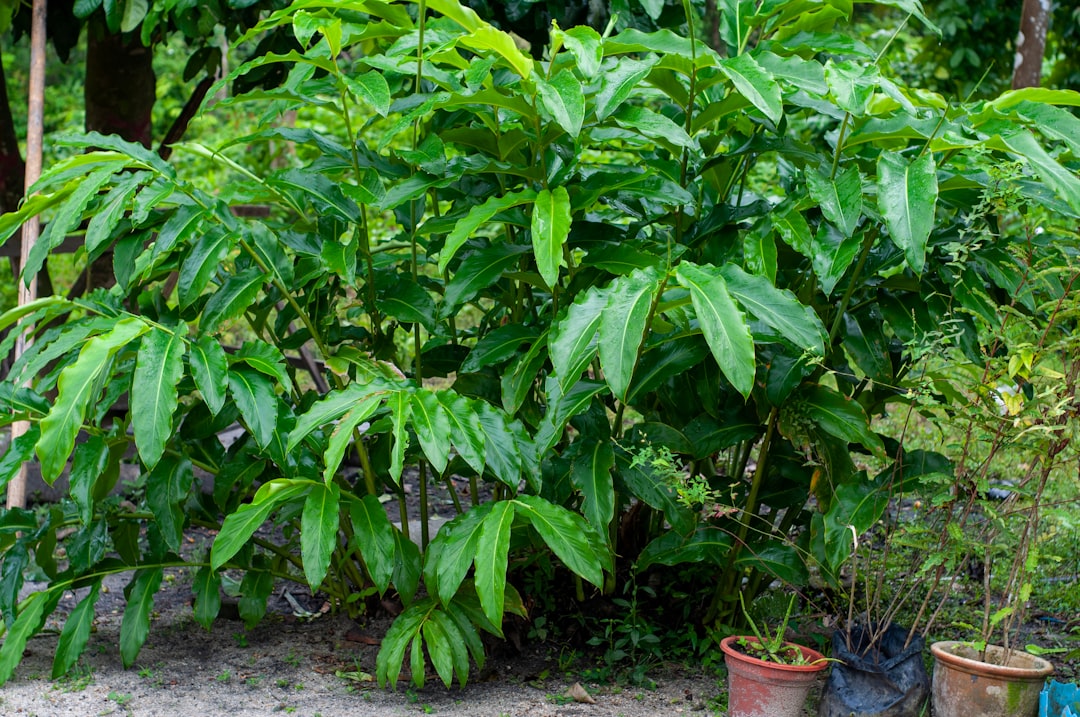
Consider plant size and growth habits. Some plants grow tall. Others stay low to the ground. Tall plants can provide shade. Short plants fill in gaps. Think about the space you have. Plan for future growth. This prevents overcrowding. It keeps your garden looking neat. Choose plants that fit your space well. This ensures a balanced and healthy garden.
Creating A Balanced Layout
Creating a balanced garden layout involves mixing plants that complement each other. Use different colors and sizes. Ensure enough space for each plant to thrive. This approach enhances the garden's beauty and creates harmony.
Creating a beautiful garden requires a balanced layout. This ensures harmony among the plants. A balanced layout combines different plants in a visually pleasing way. It brings life and order to your garden. A balanced garden feels calm and inviting. It's a place where each plant has its own space. Let's explore how to create this balance with a few key techniques.
Layering Plants For Depth
Layering adds depth to your garden. Use plants of different heights. Place taller plants at the back. Medium-sized plants go in the middle. Short plants should be at the front. This creates a tiered effect. It makes the garden look full and lush. Consider the growth habits of each plant. Ensure they don’t overshadow each other. Layering gives your garden a dynamic appearance.
Using Focal Points
Focal points draw the eye. They make your garden more interesting. Use a striking plant or a garden ornament. Place it where it can be easily seen. This could be a bright flowering shrub. Or a unique sculpture. Focal points add structure to your garden. They guide the viewer’s attention. Choose focal points that suit the garden style. They should enhance the overall look.
Achieving Symmetry And Balance
Symmetry brings order to your garden. Balance different elements on each side. Use similar plants and colors. This creates a mirror effect. It’s calming and pleasing to the eye. Balance doesn’t mean exact replicas. Use different plants with similar shapes or shades. This keeps the garden interesting. Symmetry and balance create a cohesive look. They make the garden feel complete.
Incorporating Different Textures
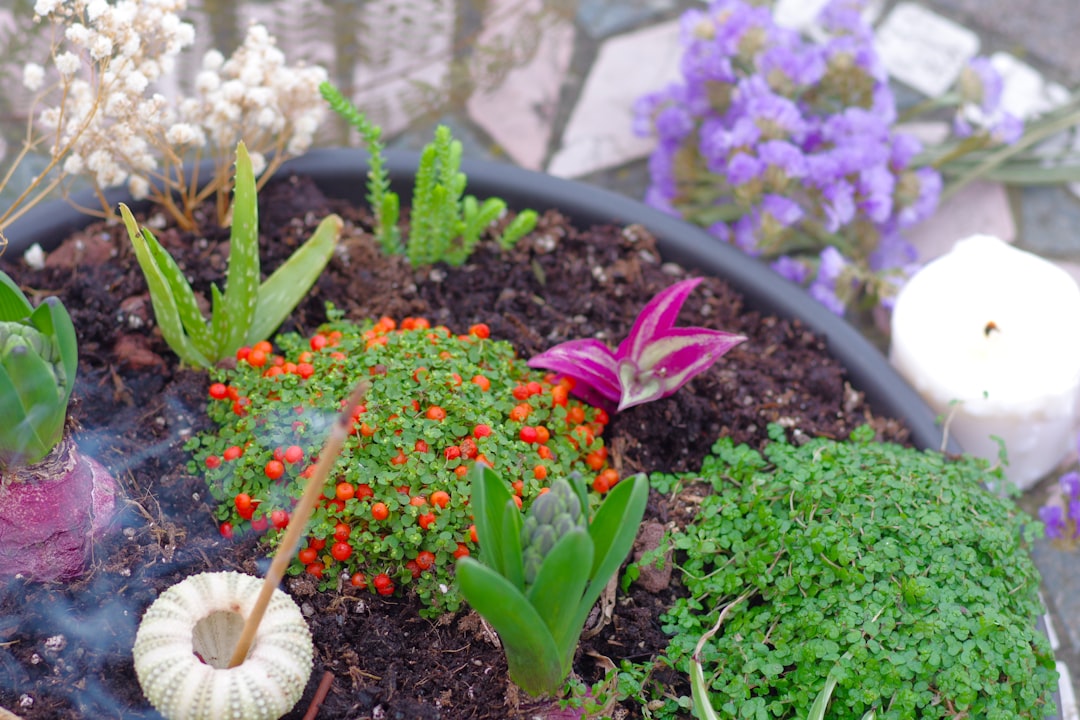
Incorporating different textures in your garden adds depth and interest. It creates a dynamic landscape that captures attention. Mixing textures can enhance plant combinations and elevate your garden design. This section explores how to combine various textures effectively.
Mixing Leaf Shapes
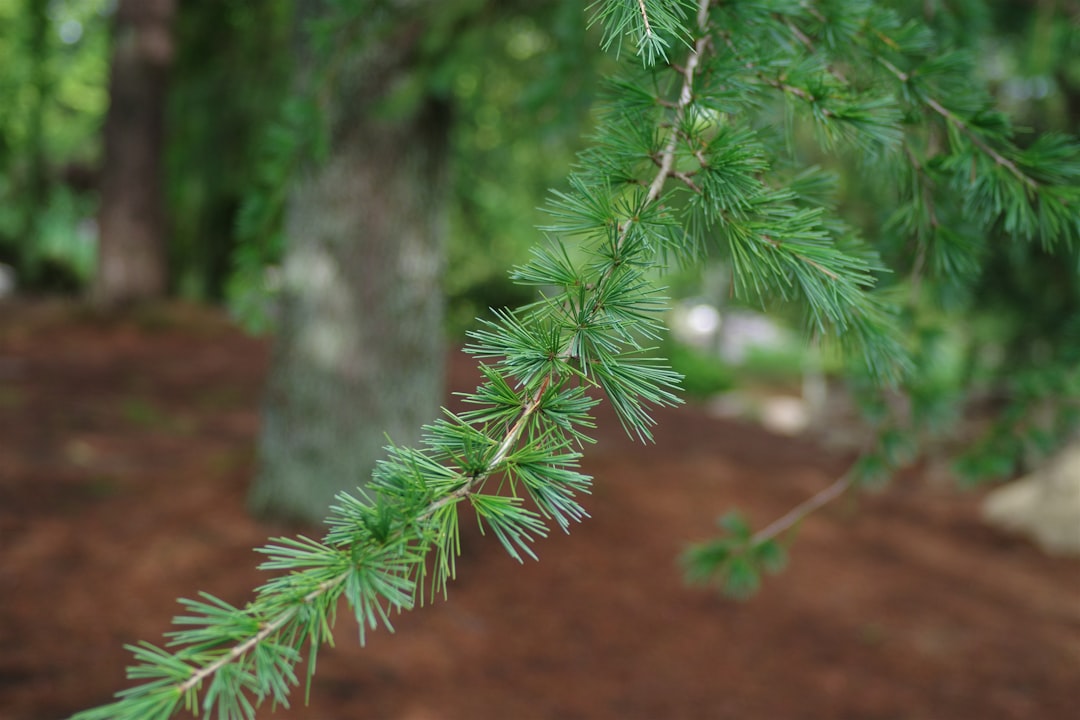
Leaf shapes bring diversity to your garden. Broad leaves can contrast with needle-like shapes. Choose plants with varying leaf sizes and patterns. This adds visual interest and a lively feel. Mixing shapes creates a balanced composition.
Combining Smooth And Rough Textures
Contrast smooth and rough textures for a striking effect. Smooth leaves reflect light beautifully. Rough textures add depth and shadow. Pairing them creates a unique visual appeal. Think of plants like Lamb's Ear with its soft surface. Combine it with rugged bark or stone for contrast.
Using Grasses For Movement
Grasses introduce movement and fluidity. Their swaying adds life to your garden. Tall grasses can act as focal points. They provide height and texture. Short grasses fill gaps and soften edges. Use grasses to complement other textures and create harmony.
Seasonal Plant Combinations
Mixing plants by season creates vibrant, ever-changing gardens. Pairing spring bulbs with summer perennials ensures continuous blooms. Include autumn foliage for a stunning seasonal transition.
Creating a garden that captivates throughout the year requires a thoughtful mix of plants that thrive in different seasons. Seasonal plant combinations not only bring visual interest but also ensure that your garden is always alive and vibrant. By carefully selecting the right plants, you can enjoy a kaleidoscope of colors and textures no matter the time of year.
Choosing Plants For Year-round Interest
To achieve year-round interest, choose a variety of plants that bloom and thrive in different seasons. Consider evergreens for their constant greenery and perennials that offer bursts of color at specific times. Don't forget about the texture and structure—grasses and shrubs can add depth even when flowers aren't in bloom. A trip to your local nursery can be insightful. Talk to the staff about which plants perform well in your area. They often have knowledge about local conditions that you might not find online. Think about what you want to see when you look out your window in January versus June. Do you crave the cheer of winter berries or the lushness of summer blooms?
Combining Spring And Summer Blooms
Spring is a time of renewal, and your garden can reflect that with vibrant tulips, daffodils, and hyacinths. These early bloomers can be paired with summer perennials like daylilies and coneflowers to extend the flowering season. Consider planting bulbs in the fall to ensure a colorful spring. Layer them with summer plants that will take over as the bulbs fade. Mixing annuals like petunias or marigolds can provide continuous color through the summer. Their vibrant hues can fill in gaps left by spring bloomers.
Adding Fall And Winter Interest
As the air turns crisp, your garden doesn't have to fade away. Introduce fall-blooming asters and chrysanthemums for a burst of late-season color. Ornamental grasses can provide movement and texture as they sway in the autumn breeze. In winter, structural plants like holly or dogwood can add interest with their striking forms and berries. Consider evergreens like spruce or juniper for their steadfast greenery. Think about adding a splash of color with winter pansies or hellebores that bloom in the colder months. What if your garden could be a place of refuge even in winter? Creating a garden with seasonal plant combinations is like painting with nature's palette. It requires planning and a bit of experimentation, but the reward is a garden that delights year-round. Have you considered how your garden could evolve with the seasons?
Understanding Plant Compatibility
Mixing plants wisely creates a harmonious garden. Sun-loving plants pair well with those needing full light. Shady spots suit ferns and hostas. Grouping by water needs helps them thrive together.
Understanding plant compatibility is like assembling a harmonious orchestra in your garden. Each plant has its own needs and preferences, and knowing how to combine them successfully can transform your outdoor space into a thriving sanctuary. It's not just about throwing together your favorite flowers and shrubs. It's about understanding their unique characteristics and creating a balanced environment where they can flourish together. Let’s dig into the essentials of pairing plants wisely.
Pairing Sun And Shade Lovers
Sunlight is a crucial factor for plant growth. Some plants bask in the sun's rays all day long, while others prefer the gentle embrace of shade. If you've ever noticed your sun-loving tomatoes thriving on one side of the garden while your shade-preferring ferns sulk in the shadows, you know the importance of this balance. Assess your garden's sun and shade patterns. Group sun-loving plants like marigolds and lavender in the brightest spots. Meanwhile, place shade-tolerant plants such as hostas and ferns in the cooler, less sunny areas. Does your garden have areas that shift from sun to shade throughout the day? Consider plants like impatiens that can adapt to both conditions.
Combining Water Needs
Watering can be a tricky aspect of gardening. Overwatering can drown your plants, while underwatering leaves them parched. Grouping plants with similar water needs simplifies your watering routine and ensures each plant thrives. Think of succulents and cacti that thrive in dry conditions. They would be unhappy neighbors with water-loving plants like hydrangeas or willows. Use a simple test: touch the soil. Is it dry or damp? Group plants that prefer the same soil moisture levels together. Your watering can will thank you, and so will your plants.
Avoiding Invasive Species
Invasive species can wreak havoc on your garden, outcompeting and choking out native plants. They can spread quickly and are often difficult to control. It's crucial to research and identify plants that might pose a risk. Before adding new plants, check if they are known to be invasive in your area. For example, English ivy might look charming, but it can quickly overrun a garden. Instead, opt for native plants that are well-adapted to your local environment. This choice supports biodiversity and helps maintain the natural balance in your garden. Understanding plant compatibility is more than just a gardening skill—it's an art. By considering light, water, and the potential for invasiveness, you can create a garden that's not only beautiful but also sustainable. What's growing next in your garden?
Enhancing Garden Aesthetics
Creating a visually appealing garden requires thoughtful plant combinations. This enhances the overall beauty. Blending colors, textures, and heights can transform an ordinary garden into a stunning space. A well-planned garden design not only pleases the eye but also provides a relaxing atmosphere. Below, explore several ways to enhance your garden's aesthetics.
Utilizing Containers And Pots
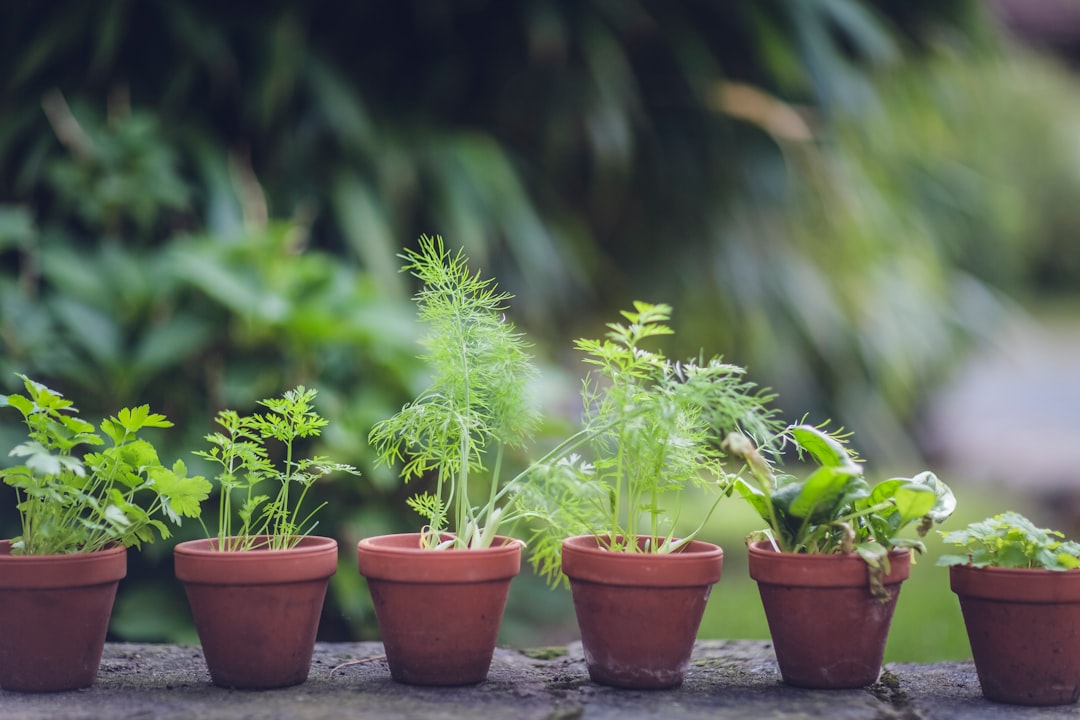
Containers and pots offer flexibility in garden design. They allow for easy rearrangement and experimentation with plant placement. Choose pots of different sizes and colors for a dynamic look. Grouping similar plants in containers can create a unified theme. This method also enables better control over soil and drainage.
Creating Pathways And Borders
Pathways guide the eye and foot traffic through the garden. Use stones, bricks, or gravel to define these paths. Borders help frame garden beds and create a polished look. Low-growing plants or small hedges make excellent borders. They also help contain larger plant arrangements.
Incorporating Garden Art
Garden art adds personality to outdoor spaces. Sculptures, fountains, and ornaments can become focal points. Choose pieces that complement the plant colors and styles. Art should blend naturally with the garden, enhancing its beauty. Position garden art strategically to draw attention to specific areas.
Sustainability And Native Plant Use
Discover the harmony of sustainability by combining native plants in your garden. These plants support local wildlife and require less water, creating an eco-friendly space. Mix different textures and colors to enhance biodiversity while adding beauty to your outdoor area.
Creating a sustainable garden by combining plants is not only beneficial for the environment but also rewarding for you as a gardener. Embracing native plants can enhance your garden’s ecosystem, reduce maintenance, and offer a refuge for local wildlife. This approach turns your green space into a thriving habitat, ensuring that every plant has a role to play in the grand tapestry of nature.
Choosing Native Species
Native plants are adapted to your local climate, soil, and pests, making them a smart choice for sustainable gardening. They require less water and fewer fertilizers, aligning perfectly with eco-friendly practices. When you select native species, you're essentially choosing plants that are already fit to thrive in your region, meaning less effort and a healthier garden. Imagine the joy of seeing your garden flourish with minimal intervention. Native species reduce your workload while enhancing the natural beauty around you. Visit local nurseries or botanical gardens to discover which plants are indigenous to your area.
Supporting Local Wildlife
Native plants are crucial for supporting local wildlife, providing food and shelter. Birds, bees, and butterflies rely on these plants for survival, forming a symbiotic relationship that benefits your garden. By planting native species, you’re directly contributing to the conservation of these creatures. Think about the satisfaction of watching a butterfly land on a flower you planted. This simple act connects you to the cycle of life, making your garden a vibrant ecosystem. Consider creating a checklist of local fauna you’d like to attract and research which native plants will support them.
Promoting Eco-friendly Practices
Eco-friendly gardening practices go hand in hand with native plant use. This includes reducing chemical use, conserving water, and enhancing soil health. Opt for composting to enrich your soil naturally and employ mulching to retain moisture. Have you ever thought about the impact of reducing your garden's carbon footprint? By choosing native plants and sustainable practices, you're actively participating in environmental conservation. Set small goals like reducing water usage or eliminating pesticides, and watch your garden thrive sustainably. By combining native plants in your garden, you create a sustainable haven that supports local wildlife and promotes eco-friendly practices. This approach not only enhances your gardening experience but also contributes positively to the environment. So, what native plant will you introduce to your garden today?
Frequently Asked Questions
What Are The Best Plant Combinations For Gardens?
The best combinations include mixing textures, heights, and colors. Pair tall plants with ground covers, and use contrasting colors for visual interest. Consider seasonal blooms to ensure year-round beauty. Complementary plants will also support each other’s growth, creating a harmonious garden ecosystem.
How Do I Choose Plants For My Garden?
Choose plants based on sunlight, soil type, and climate. Consider plant size and growth habits to avoid overcrowding. Select plants that bloom at different times for continuous color. Native plants often require less maintenance and water, making them ideal choices for sustainable gardening.
Can I Mix Flowers And Vegetables In The Garden?
Yes, mixing flowers and vegetables is beneficial. Flowers attract pollinators, enhancing vegetable yields. Some flowers deter pests naturally, reducing the need for chemicals. Ensure compatible growth conditions for both types to thrive. This combination adds beauty and functionality to your garden space.
How Do I Ensure Plants Complement Each Other?
Ensure plants complement each other by considering growth habits and care needs. Pair sun-loving plants together and shade-tolerant ones separately. Mix various textures and colors for aesthetic appeal. Use companion planting strategies to boost growth and deter pests naturally.
Conclusion
Blending plants in your garden creates beauty and harmony. Choose plants with similar needs. Think about light, water, and soil requirements. Mix colors and textures for visual appeal. Tall plants provide height, while shorter ones fill gaps. Use flowering plants for bursts of color.
Consider seasonal changes for year-round interest. Grouping plants can protect against pests. Experiment and enjoy the process. Your garden reflects your personal style. With time, it will flourish beautifully. A well-planned garden brings peace and joy. Enjoy every moment spent nurturing your green space.
Happy gardening!