Ever found yourself wondering how often you should water your garden plants? If you're nodding your head, you're not alone.
Many gardeners struggle with this question, and getting it wrong can mean the difference between a thriving garden and one that's barely surviving. Imagine stepping into your garden, greeted by vibrant, healthy plants. It’s a gardener's dream, and achieving it starts with understanding the right watering routine.
You'll discover the secrets to watering your garden plants just right. Stick around, and you'll learn tips that can transform your garden into a lush oasis. Are you ready to give your plants the care they deserve? Let's dive in!
Factors Affecting Watering Frequency
Soil type, weather, and plant species influence how often you water garden plants. Sandy soil dries faster, needing more frequent watering. Rainy weather reduces the need for irrigation, while sunny, hot days increase it. Some plants like succulents require less water, while others like ferns need more.
Watering garden plants isn't just about splashing water whenever you feel like it. The frequency with which you water your plants depends on various factors. Understanding these can help you keep your garden thriving and healthy. Let's dive into the key elements that influence how often your plants need a drink.
Climate And Weather Conditions
The climate you live in plays a huge role in determining watering needs. In hot, dry areas, you might find yourself watering more frequently to keep the soil from drying out. On the flip side, if you live where it rains often, nature might do most of the work for you. Remember those unpredictable weather days when a sudden downpour leaves your plants soaked? Use that opportunity to give your watering schedule a break.
Soil Type And Drainage
Do you know the type of soil in your garden? Sandy soils drain water quickly, meaning plants might need more frequent watering. Clay soils, however, hold onto water longer, reducing the need for constant attention. If your garden has poor drainage, water might linger around plant roots, leading to issues like root rot. Consider mixing soil types or adding organic matter to improve drainage and balance your watering routine.
Plant Type And Growth Stage
Different plants have unique watering needs. Succulents, for example, store water in their leaves and require less frequent watering than other plants. Young seedlings generally need more water than mature plants as they establish their roots. How often do you check your plant’s growth stage? Adjust your watering schedule based on their current needs, not just the season.
Container Vs. Ground Planting
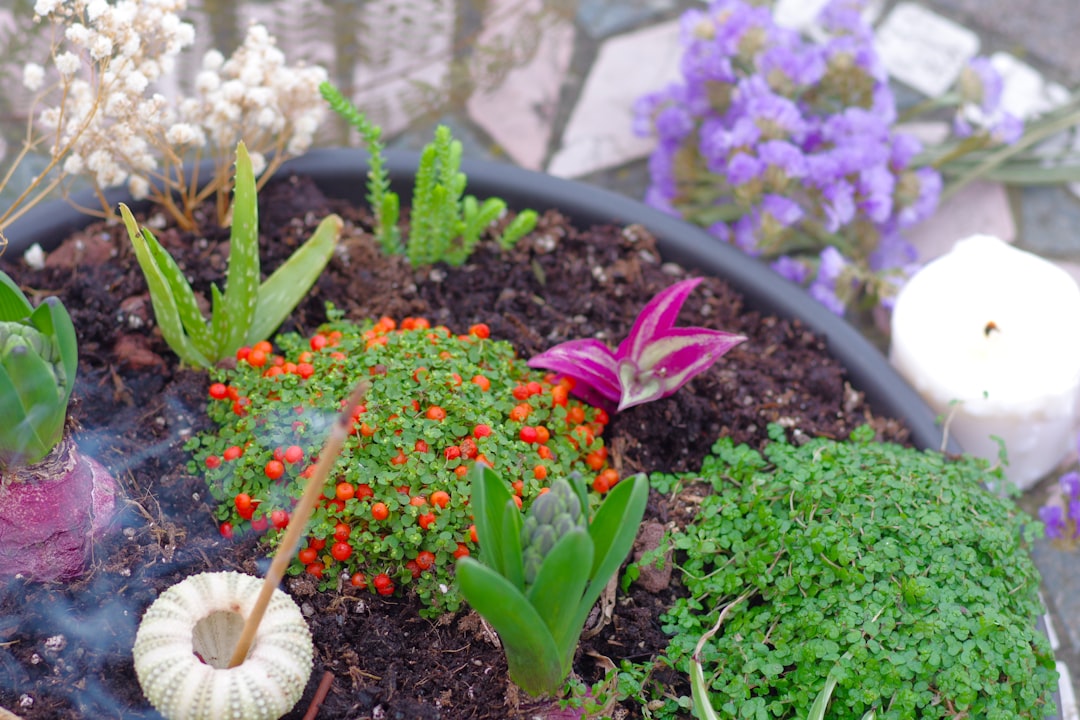
Plants in containers dry out faster than those in the ground due to limited soil space and exposure to air. If you’ve ever had your potted plants wilt by afternoon, you know the drill. Containers may require daily watering, especially in warm weather. Ground-planted gardens, with more soil to retain moisture, might not be as needy. Are your plants in pots or planted directly into the earth? Keep this in mind next time you plan your watering schedule. Understanding these factors can make all the difference in maintaining a vibrant garden. What's your biggest challenge with watering your plants? Share your thoughts in the comments!
Signs Your Plants Need Water
Droopy leaves and dry soil signal thirsty plants. Regular watering keeps them healthy. Check plant needs often for vibrant growth.
Watering garden plants can sometimes feel like a guessing game. It’s not always easy to know when they need a drink. However, plants often give us clear signals that they're thirsty. Recognizing these signs can make all the difference in maintaining a vibrant and healthy garden. As a gardener, I've learned to listen to my plants. Once, I ignored the signs, and my beautiful tomatoes nearly met a tragic end. But spotting the signs early can save your plants from unnecessary stress.
Wilting And Drooping Leaves
One of the most obvious signs is wilting or drooping leaves. When plants don't get enough water, they can't maintain their structure, and the leaves start to sag. If you notice your plants looking limp, it's time to give them a drink. It's important to act quickly. Prolonged wilting can cause long-term damage to the plant's health. Make it a habit to check on your plants daily.
Dry Soil Surface
Another clear indicator is the condition of the soil. If the top layer of soil feels dry to the touch, your plants likely need water. Soil that remains dry can lead to poor root development. You can use your finger to check the soil's moisture. Insert it about an inch deep into the soil. If it feels dry at that depth, it's time to water your plants.
Leaf Discoloration
Leaves can tell you a lot about your plant's health. When leaves start turning yellow or brown, it could mean your plant is thirsty. Discoloration often starts at the edges and moves inward. Don't confuse this with nutrient deficiency, which can cause similar symptoms. If your plant's leaves change color and the soil is dry, it's likely a water issue. Always check the soil first before adjusting your watering routine. Are you watching for these signs in your garden? Keeping an eye on these indicators can help you water your plants more effectively, ensuring they thrive season after season.
Best Time Of Day To Water
Finding the best time of day to water your garden plants can make a significant difference in their health and growth. Many gardeners often wonder whether it's better to water in the morning or the evening. The answer isn't just about convenience; it's about understanding how plants absorb water and the environmental conditions that influence this process. Let’s dive into the details and see how you can optimize your watering routine.
Morning Vs. Evening Watering
Watering your garden plants in the morning is generally recommended by experts. As the sun rises, the temperatures are cooler, allowing the soil to absorb water more efficiently. This helps your plants store the moisture they need to face the day’s heat.
On the other hand, watering in the evening can be convenient, especially if you have a busy morning routine. However, it comes with the risk of encouraging fungal diseases. With cooler night temperatures, the water tends to stay on the leaves longer, creating a perfect environment for mold and mildew.
Have you ever noticed your morning watering routine leading to less wilting in the afternoon heat? This simple observation is a testament to the benefits of morning watering. So, if you have the time, try watering your plants before 10 am.
Avoiding Midday Heat
Midday watering is usually discouraged, and for good reason. The sun is at its peak, and the heat can cause water to evaporate quickly. This means your plants don’t get the full benefit of the moisture you’re providing.
Additionally, watering during the hottest part of the day can shock the plants. The combination of cold water and hot sun can lead to stress, which affects their growth. Think of it like jumping into a cold pool on a scorching day—it’s not the most pleasant experience!
If you find yourself tempted to water during lunch breaks, remember the benefits of sticking to cooler parts of the day. Not only will your plants thank you, but you'll also be using water more efficiently.
How do you fit watering into your daily routine? Have you tried different times and observed the results? Share your thoughts and tips in the comments below. Your experiences could help fellow gardeners make the most of their watering schedule!
Watering Techniques
Proper watering techniques ensure the health and vitality of garden plants. They help prevent overwatering and underwatering, which can harm plants. Different methods cater to various garden needs, providing flexibility and efficiency.
Drip Irrigation Systems
Drip irrigation systems deliver water directly to plant roots. This method conserves water by reducing evaporation and runoff. It is ideal for conserving water in dry climates. The system consists of tubes and emitters placed at the base of plants. Water slowly drips, offering consistent moisture. This helps plants grow stronger and healthier.
Soaker Hoses
Soaker hoses are porous hoses that lie on the soil. They release water slowly along their length. This method is simple and effective for larger areas. Soaker hoses provide even moisture distribution. They are perfect for garden beds and rows. They reduce water waste by directly targeting the soil. Easy to install and use. A cost-effective solution for many gardeners.
Manual Watering Tips
Manual watering gives more control over water distribution. Use a watering can or hose with a spray nozzle. Aim the water at the plant base. Avoid wetting the leaves to prevent disease. Water deeply but less frequently. This encourages roots to grow deeper. Early morning or late afternoon is the best time for manual watering.
Seasonal Watering Considerations
Understanding the watering needs of garden plants throughout the year is crucial. Seasonal changes affect how much water your plants require. Adjusting your watering schedule can promote healthy growth. Let's explore how to cater to your garden's needs in different seasons.
Spring And Summer Needs
During spring, plants begin to grow actively. They need regular watering to support new growth. Increase watering as temperatures rise. In summer, the heat can dry out the soil quickly. Water deeply and early in the morning. This helps plants absorb moisture before the sun is too strong. Mulching can help retain soil moisture.
Autumn And Winter Adjustments
Autumn brings cooler temperatures and more rainfall. Reduce watering frequency during this time. Overwatering can lead to root rot as plants grow slower. In winter, many plants enter dormancy. Watering needs decrease significantly. Ensure soil drains well to avoid waterlogging. Keep an eye on evergreens, as they may still need occasional watering.
Common Watering Mistakes
Overwatering and underwatering are common mistakes that affect plant health. Proper watering depends on the plant type and season. Adjust frequency to prevent root rot or dehydration.
Watering your garden plants might seem like a simple task, but common mistakes can lead to a host of issues that hinder growth. Whether you're a novice or a seasoned gardener, understanding these pitfalls can make a big difference. Let's dive into two frequent watering errors that can derail your gardening success.
Overwatering And Root Rot
Overwatering is a common mistake that many gardeners make, often with the best intentions. Excess water can suffocate the roots, leading to root rot. This condition is notorious for weakening plants, making them more susceptible to diseases. I once overwatered my tomato plants, thinking they needed more hydration during a particularly hot summer. Instead of thriving, they wilted, and I discovered the roots were mushy and brown—classic signs of root rot. Avoid this by checking the soil moisture before watering. Stick your finger into the soil; if it's still damp, hold off on adding more water.
Underwatering Risks
On the flip side, underwatering is another issue that can stunt plant growth. Dry soil means plants can't access the nutrients they need. This can lead to wilting, yellowing leaves, and poor blooms. Consider this: have you ever noticed droopy, tired-looking plants in your garden? That could be a sign they're thirsty. During my early gardening days, I assumed a small daily sprinkle was enough. However, the roots weren't getting the deep soak they needed. Ensure you're watering deeply and infrequently, allowing the water to penetrate the soil and reach the roots. Are you guilty of these watering mistakes? Adjust your watering habits and watch your garden flourish. Remember, balance is key—your plants will thank you!
Tools For Efficient Watering
Keeping your garden vibrant and healthy involves more than just watering regularly. The tools you use can make a significant difference in how efficiently and effectively you water your plants. In this section, we’ll delve into some essential tools that can transform your watering routine, making it a breeze to maintain the lushness of your garden. From the simplicity of a watering can to the sophistication of moisture sensors, each tool offers unique benefits.
Watering Cans And Hoses
Watering cans are perfect for smaller gardens or specific plants that need more attention. They allow you to control the amount of water each plant receives, preventing overwatering. Plus, they’re portable and easy to use, making them ideal for children eager to help in the garden.
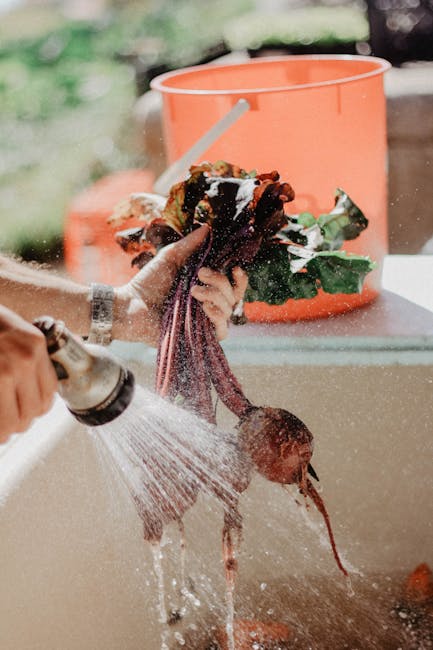
Hoses, on the other hand, are great for larger gardens or when you need to water a vast area quickly. A hose with an adjustable nozzle provides flexibility, allowing you to switch between a gentle sprinkle or a more direct spray. Do you remember the joy of playing with a hose in the summer as a child? That same tool can bring efficiency and fun to your gardening routine.
Moisture Meters And Sensors
Moisture meters are a game-changer for gardeners who want precision. These handy devices tell you exactly when your plants need watering by measuring the moisture levels in the soil. This takes the guesswork out of watering and helps prevent both overwatering and underwatering.
Sensors can be even more advanced, providing real-time data and alerts to your smartphone. Imagine sipping coffee inside while knowing exactly what’s happening with your garden outside. This modern approach to gardening ensures your plants get the right amount of water, no more, no less.
Using the right tools can save you time and water. It can also enhance the health of your plants. Have you considered upgrading your watering tools? With a small investment, you could see a big difference in your garden's health and your gardening experience. Choose tools that fit your garden size and personal preferences. Your plants will thank you for it.
Frequently Asked Questions
How Often Should I Water Garden Plants?
Water garden plants once or twice a week. Adjust based on weather and plant type. In hotter climates, increase frequency. For cooler climates, less frequent watering may suffice. Always check soil moisture before watering. Consistent and deep watering ensures healthy root growth.
Can Overwatering Harm Garden Plants?
Yes, overwatering can harm plants by suffocating roots. It leads to root rot and poor growth. Check soil moisture before watering. Let the soil dry between waterings. Overwatering is as harmful as underwatering.
What Time Of Day Is Best For Watering?
Early morning is the best time for watering plants. It reduces evaporation and allows absorption. Watering in the morning prepares plants for the day's heat. Avoid watering in the evening to prevent mold growth.
How Do I Know If My Plants Need Water?
Check the soil moisture to know if plants need water. Insert your finger into the soil. If the top inch is dry, it's time to water. Observing plant wilting is another sign. Regular checking helps prevent over or underwatering.
Conclusion
Watering garden plants requires attention and care. Each plant has unique needs. Consider sunlight, soil, and climate. These factors guide watering frequency. Observe your plants closely. Look for signs of thirst or overwatering. Adjust watering schedules as needed. Consistent care leads to healthy growth.
Enjoy watching your garden thrive. Keep learning about your plant types. Experiment with different techniques. Discover what works best in your garden. Stay patient and persistent. Gardening is a rewarding journey. Your efforts will bring beautiful results. Remember, every drop counts.
Happy gardening!