
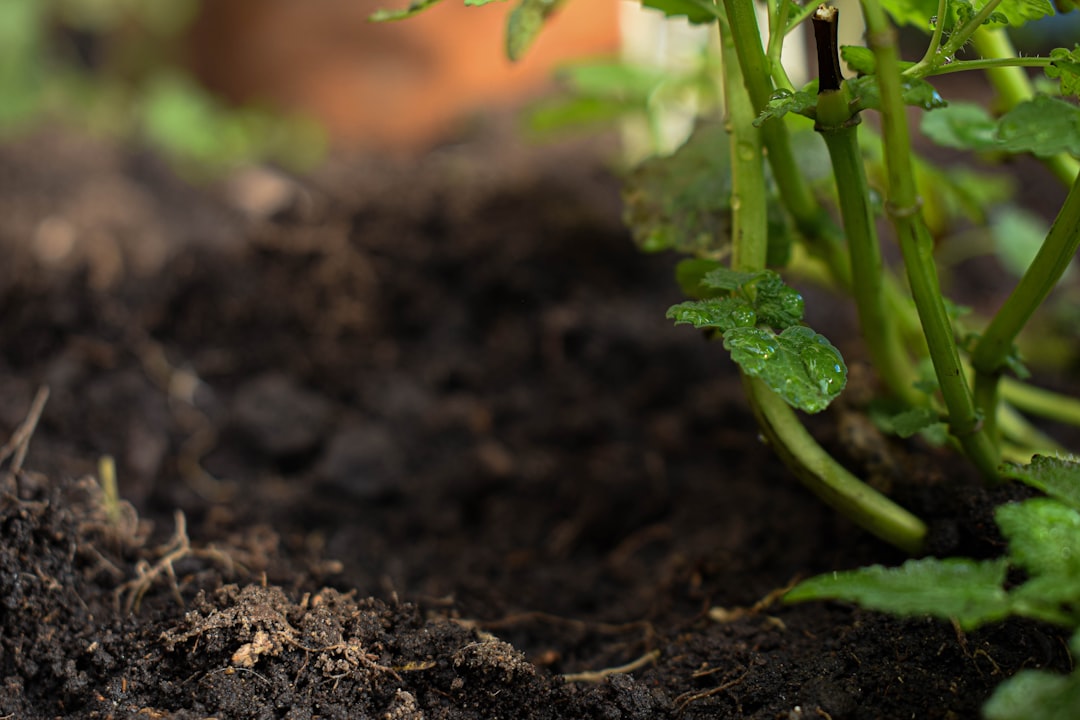
Are you dreaming of lush vegetables and vibrant flowers right in your backyard? Organic garden soil might just be your secret weapon.
But how much will it cost you to bring home this natural treasure? The answer isn't straightforward, and that's what makes it interesting. You want the best for your garden, but you also need to manage your budget. This blog post will guide you through the factors that affect the price of organic garden soil.
From the quality of the mix to the quantity you need, we'll uncover everything that influences the cost. By the end, you'll have a clear picture of what to expect and how to make your garden thrive without breaking the bank. Ready to dig deeper? Let's explore the world beneath your garden!
Factors Influencing Soil Prices
Have you ever wondered why the price of organic garden soil varies so much? You're not alone! Soil prices can fluctuate based on several key factors. Understanding these factors can help you make informed choices and get the best value for your money. Let's dive into what influences these costs and how you can navigate them to cultivate a thriving garden.
Quality And Composition
Quality is a big player in determining soil prices. High-quality soil often includes a balanced mix of nutrients and organic matter essential for plant growth.
Think about the last time you bought soil that seemed too dusty or clumpy. You probably ended up spending more on amendments to fix it. Opting for well-composed soil saves you time and money in the long run.
Brand And Certification
Brands with certifications, like USDA organic, may charge a premium for their soil. This certification reassures you of its organic nature and quality.
Would you pay a little extra for peace of mind? Many gardeners do, valuing the trust that certified brands offer over generic alternatives.
Local Versus National Suppliers
Buying from local suppliers often means fresher soil that's adapted to your regional climate, potentially offering better results.
However, national suppliers can offer competitive pricing due to their scale. Consider the trade-off between cost and quality when choosing your supplier.
So, what's your priority when purchasing organic garden soil? Understanding these factors helps you weigh the options and make a choice that fits your gardening goals. Choose wisely, and your plants will thank you!
Types Of Organic Soil
Organic garden soil is vital for healthy plants. Understanding its types can help you choose the right soil for your garden. Different types serve different purposes, each with unique properties. Knowing these types allows you to make informed decisions for better plant growth.
Potting Mix
Potting mix is designed for containers and pots. It often contains peat, bark, and perlite. This mix retains moisture, ensuring your plants get enough water. It's lightweight, making it easy to handle. Potting mix is perfect for indoor plants and small gardens.
Topsoil
Topsoil is the uppermost layer of soil. It's rich in nutrients and organic matter. This soil is ideal for planting trees and shrubs. It provides a solid foundation for root growth. Topsoil is often used to level ground or fill garden beds.
Specialty Blends
Specialty blends cater to specific plant needs. These blends include cactus mix, orchid mix, and more. Each blend is tailored for particular plants. Specialty blends often contain unique ingredients for optimal growth. They offer solutions for plants with specific requirements.
Price Range Breakdown
Organic garden soil prices vary widely based on quality and brand. Typically, expect to pay between $5 to $15 per bag. Bulk purchases might offer savings, but prices can fluctuate due to demand.
Organic garden soil varies in price. You can choose based on your budget and gardening needs. Understanding different price ranges helps you make an informed decision.
Budget Options
Affordable garden soil is ideal for beginners. Prices range from $5 to $10 per bag. These options often include basic nutrients. They are suitable for small gardens or pots. Perfect for those trying out gardening for the first time.
Mid-range Choices
Mid-range soil offers better quality and more nutrients. Prices typically range from $10 to $20 per bag. These soils enhance plant growth. They often include added minerals. Suitable for medium-sized gardens.
Premium Selections
Premium soils are top-notch. Prices can go over $20 per bag. These options offer high nutrient content. They improve soil health significantly. Perfect for serious gardeners. Ideal for larger, established gardens.
Cost-saving Tips
Discover affordable options for organic garden soil to enhance your garden without breaking the bank. Prices vary based on quality and quantity, so consider bulk purchases or local suppliers for cost-effective solutions.
Organic gardening can be a rewarding hobby, but the costs can add up quickly. Fortunately, there are smart ways to save money while enriching your garden soil. By following some practical tips, you can reduce expenses without sacrificing quality. Let’s dive into some cost-saving strategies that could keep your garden thriving and your wallet happy.
Bulk Purchases
Buying garden soil in bulk can significantly cut costs. Many garden centers and landscape suppliers offer discounts for larger quantities. A couple of years ago, I teamed up with a neighbor to split a truckload of soil, and we both saved about 30% compared to buying it in smaller bags. Consider joining forces with fellow gardeners to make the most of bulk deals.
Diy Soil Amendments
Creating your own soil amendments can be a game-changer. Composting kitchen scraps and yard waste is not only eco-friendly but also budget-friendly. I started a small compost pile in my backyard using leaves, vegetable peels, and coffee grounds. Over time, I noticed improved plant growth without the need for costly fertilizers. What kitchen waste can you start composting today?
Seasonal Discounts
Timing your purchases can lead to significant savings. Many garden centers offer discounts at the end of the planting season. I once snagged a deal on soil by shopping just before winter, saving nearly 40%. Keep an eye out for clearance sales and plan your purchases around these periods. Why not check your local garden center's sale schedule and mark your calendar? These strategies can help you enjoy organic gardening without breaking the bank. Which cost-saving tip will you try first?
Hidden Costs To Consider
Purchasing organic garden soil seems straightforward. But hidden costs can surprise you. These expenses can add up. Knowing them helps budget your gardening project better.
Delivery Charges
Buying organic soil online often incurs delivery fees. These fees vary by location. Some companies charge by weight. Others have a flat delivery rate. Check these details before placing an order. Local stores may offer free pickup. This can save you money.
Storage Solutions
Storing soil properly is crucial. Improper storage can cause damage. Invest in containers to keep soil dry and safe. Outdoor storage requires weather-resistant solutions. Consider storage sheds or tarps. This protects your investment long-term.
Additional Nutrients
Organic soil might lack some nutrients. Plants need these for optimal growth. Buying supplements boosts soil quality. Popular options include compost and bone meal. These add essential nutrients. They also improve soil structure.
Comparing Costs Online And Offline
Choosing the best deal for organic garden soil can save money. Options vary between online shopping and local purchases. Each choice has unique benefits and drawbacks.
Online Marketplaces
Online marketplaces offer a wide selection of organic garden soil. Websites like Amazon and eBay provide customer reviews. These reviews can help in decision-making. You can compare prices quickly. Some sites offer discounts and free shipping. Availability is usually not a problem online. However, consider shipping times and costs.
Local Gardening Stores
Local gardening stores offer personal advice. You can touch and see products before buying. Staff can guide you to the right soil type. Prices might be higher than online. But, there are no shipping fees. You support local businesses by buying in-store. Immediate availability is another advantage.
Community Exchanges
Community exchanges are great for budget-friendly options. Neighbors or local groups may offer free or cheap soil. Look for community boards or online forums. Quality might vary, so inspect soil before taking it. This is an eco-friendly option, reducing packaging waste.
The Value Of Organic Certification
Organic certification isn't just a label; it's a commitment to sustainability and health. When you choose soil with organic certification, you're investing in a product that's been rigorously tested to meet environmental and health standards. It might cost a bit more, but the benefits are worth considering.
Environmental Benefits
Certified organic soil protects ecosystems. By avoiding synthetic chemicals, it supports biodiversity. Your garden becomes a safe space for insects and birds.
I remember planting my first organic garden. Suddenly, bees were buzzing around, and butterflies danced through the air. It felt like my little patch of earth was alive.
Think about it: would you rather contribute to pollution, or nurture a thriving ecosystem?
Health Implications
Organic soil means healthier produce. Without harmful pesticides, your fruits and veggies are cleaner. You eat what you grow, and you know it's safe.
A friend once shared her experience of switching to organic gardening. Her family noticed the difference in taste and quality. It was fresher, and they felt better knowing it was chemical-free.
Isn’t it comforting to know exactly what you’re putting on your plate?
Long-term Investment
Organic certification isn't just a one-time benefit; it's a long-term investment. It enriches the soil, ensuring future harvests are plentiful and healthy.
When I invested in organic soil, I saw noticeable improvements each season. My tomatoes grew bigger, and the yield increased. The soil seemed to get better with time.
Wouldn't you want your garden to be more productive year after year?
Choosing organic certified soil might seem like a small step, but it has vast implications for your garden's health and the environment. Consider its value beyond the price tag.
Frequently Asked Questions
What Is The Average Cost Of Organic Garden Soil?
The average cost of organic garden soil can range from $30 to $50 per cubic yard. Prices vary based on quality, location, and supplier. Buying in bulk often reduces the price. Always check for organic certification to ensure quality.
Where Can I Buy Organic Garden Soil?
You can purchase organic garden soil at garden centers, nurseries, and home improvement stores. Many retailers offer online options with delivery services. Local farms and compost facilities often sell organic soil too. Always verify the soil's organic certification before purchasing.
How Is Organic Garden Soil Different From Regular Soil?
Organic garden soil is enriched with natural compost and nutrients, promoting healthy plant growth. It is free from chemical fertilizers and pesticides. Regular soil may lack essential nutrients and contain synthetic additives. Organic soil supports sustainable gardening practices and enhances soil health over time.
Is Organic Garden Soil Worth The Investment?
Yes, organic garden soil is worth the investment for healthier plants and sustainable gardening. It improves soil structure, retains moisture, and provides essential nutrients. Over time, it can enhance plant yield and reduce the need for chemical fertilizers. Investing in quality soil benefits the environment and your garden's productivity.
Conclusion
Organic garden soil offers many benefits for your plants. It boosts growth and enriches your garden naturally. Choosing quality soil impacts your garden's health positively. Costs vary, but investing in good soil pays off. Prices depend on brand and location.
Always compare options before buying. Look for local suppliers for better deals. Remember, healthy soil means healthy plants. So, choose wisely and enjoy gardening success. Happy gardening!


