
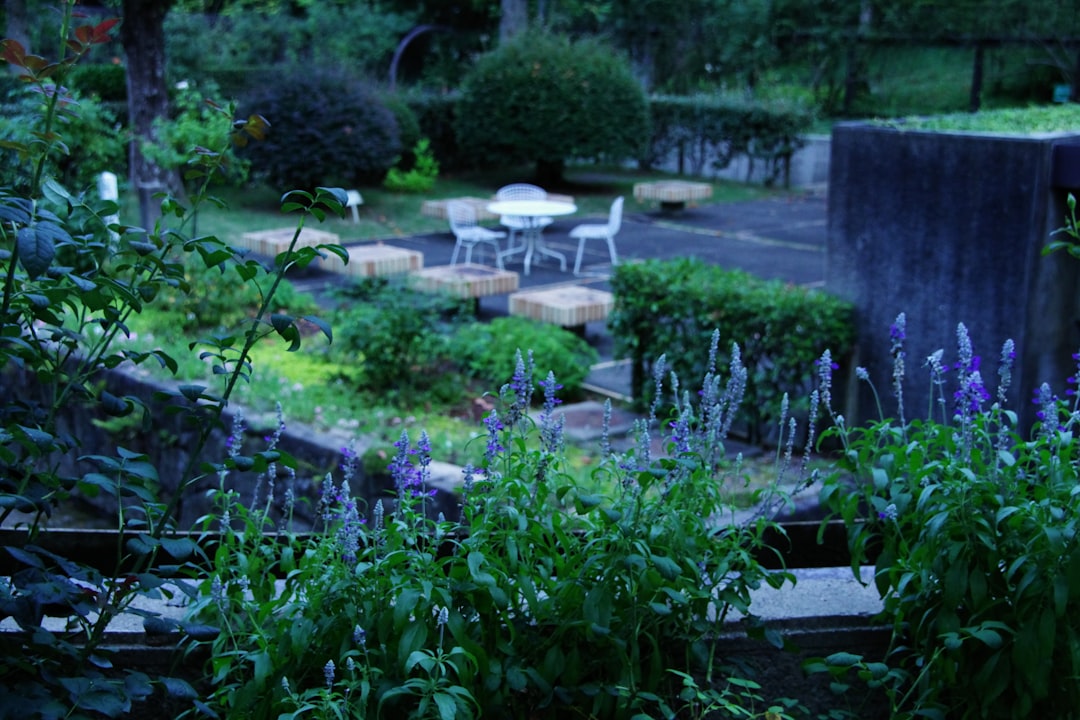
Do you dream of a lush, green space where your landscape design and a vegetable garden coexist in harmony? You might wonder if a vegetable garden can fit seamlessly into your existing landscape without disrupting its beauty and flow.
The good news is, with the right approach, you can enjoy the best of both worlds. Imagine harvesting fresh, organic produce right from your backyard while maintaining the aesthetic appeal of your outdoor area. Keep reading to uncover how you can effortlessly blend functionality with style, turning your garden into a versatile oasis that caters to both your culinary and visual senses.
Benefits Of A Vegetable Garden
A vegetable garden can blend beautifully into your landscape design. It offers fresh produce while enhancing the garden's aesthetic. With careful planning, vegetables can add vibrant colors and textures, creating a harmonious and productive outdoor space.
Thinking about adding a vegetable garden to your landscape design? You might be surprised by the benefits it can bring to your home and lifestyle. Not only can a vegetable garden enhance the beauty of your yard, but it can also offer a range of practical advantages that go beyond aesthetics.
Boosts Your Health
Growing your own vegetables means you control what goes into your food. You can opt for organic growing methods, ensuring pesticide-free produce. Freshly picked vegetables are also rich in nutrients, supporting a healthier diet for you and your family.
Cost-effective Fresh Produce
A vegetable garden can significantly reduce your grocery bills. Imagine stepping out into your garden to pick fresh tomatoes or leafy greens for your salad. Over time, the savings on produce can be substantial.
Environmental Impact
By growing your own vegetables, you reduce the demand for mass-produced, store-bought produce. This helps cut down on the carbon footprint associated with transporting vegetables. Plus, you're contributing to biodiversity by supporting bees and other pollinators.
Enhances Your Landscape
A well-planned vegetable garden can be a stunning addition to your landscape design. Think vibrant colors, diverse textures, and the charm of a living space that changes with the seasons. You can creatively use raised beds or vertical gardens to fit any space.
Educational Opportunity
Gardening offers a hands-on learning experience about nature and sustainability. If you have kids, it’s a perfect way to teach them about where their food comes from. It can also be a relaxing and rewarding hobby for you, providing a sense of accomplishment.
Promotes Community
A vegetable garden can be a great conversation starter with neighbors. Sharing your harvest fosters community spirit and might even inspire others to start their own gardens. You could even consider organizing a community garden project. What’s stopping you from digging into this rewarding venture? Your landscape can do more than just look good—it can nourish your body and soul. Start small, experiment with different veggies, and watch your space transform into a vibrant, productive haven.
Assessing Your Landscape
Starting a vegetable garden can be a delightful addition to your landscape design. But before you plant those seeds, you need to assess your landscape. This assessment will guide you in making the most of your available space, ensuring that your garden thrives. Let's dive into the key factors to consider.
Evaluating Space
First, take a good look at your yard. How much space can you dedicate to your vegetable garden? You might be surprised by the possibilities. Even small areas can be transformed into productive gardens.
Consider using raised beds or vertical gardening techniques to maximize limited space. I've seen friends turn tiny patios into lush vegetable havens using creative setups. What innovative ideas could you employ in your own space?
Sunlight And Shade Considerations
Sunlight is crucial for a thriving garden. Observe your landscape throughout the day to identify sunny and shaded areas. Most vegetables need at least six hours of sunlight daily.
If your yard has a lot of shade, don't worry. You can still grow shade-tolerant vegetables like leafy greens. Could you reposition some plants or structures to optimize sunlight exposure?
Soil Quality And Drainage
Good soil is the foundation of a successful garden. Test the soil in your chosen area for nutrients and pH levels. You can use affordable home kits for this purpose.
Pay attention to drainage, too. Does water pool in your garden area after rain? Improving drainage might be necessary to prevent root rot. You can enhance soil quality by adding compost or organic matter. What steps will you take to ensure your soil is ready for planting?
By assessing these aspects of your landscape, you can create a vegetable garden that complements your existing design beautifully. How will your garden fit into your landscape plan?
Designing For Aesthetic Appeal
Creating a vegetable garden that complements your landscape design is easier than you might think. It's all about blending beauty with functionality. How can you make sure your vegetable garden doesn't just feed your family, but also enhances your outdoor space? Let's dive into some practical tips for designing with aesthetic appeal.
Choosing Plant Varieties
Selecting the right plant varieties is crucial for both visual interest and productivity. Think about how the shapes and sizes of plants can add dimension to your garden. Tall tomato plants can provide a backdrop, while low-growing herbs fill in the foreground. Mixing different heights creates a layered look that's pleasing to the eye.
Consider the seasons, too. Opt for plants that bloom or produce at different times to keep your garden looking lively year-round. A mix of leafy greens, vibrant peppers, and rich aubergines ensures a stunning display.
Incorporating Colors And Textures
Colors and textures are the heart of any aesthetic garden design. Don't shy away from colorful vegetables like rainbow chard or purple kale. These varieties add bursts of color that make your garden visually appealing.
Mixing textures can also create a more engaging garden. Smooth lettuce leaves against the rough foliage of zucchini provide contrast. Think about how these elements can create interest in your garden layout.
Using Raised Beds And Containers
Raised beds and containers are excellent choices for adding structure and height to your garden. They allow you to control the soil quality and manage drainage, which is crucial for vegetable growth. Plus, they can be positioned anywhere, including patios or decks.
Use containers creatively. Choose decorative pots to enhance the aesthetic, or match them with your landscape's color scheme. Raised beds can be shaped in curves or squares, allowing you to play with designs that fit your space.
By thoughtfully designing your vegetable garden, you create an outdoor area that's both productive and visually captivating. Why settle for ordinary when your garden can be a masterpiece? What will you plant to make your garden stand out?
Integrating With Existing Features
A vegetable garden can enhance your landscape design by blending with existing features. Choose complementary plants and colors for seamless integration. Design pathways and borders creatively to accommodate your garden without disrupting the landscape's natural flow.
Integrating a vegetable garden into your existing landscape design can seem like a challenging task. However, with a little creativity, it can enhance the aesthetic appeal of your outdoor space. Whether you have a sprawling backyard or a cozy patio, making your vegetable garden blend with the existing features can be both rewarding and practical.
Blending With Hardscaping
Your hardscaping elements, like patios or stone walls, can beautifully frame your vegetable garden. Consider using raised beds that match the materials of your existing hardscape. If you have a stone patio, use similar stones to create garden borders. Adding containers with vibrant vegetables can soften the edges of hard surfaces. Imagine lush green lettuce spilling over the edge of a brick pathway. It not only looks appealing but also provides a fresh supply of salad greens!
Complementing Flower Beds
Vegetable gardens can seamlessly integrate with flower beds. Choose vegetables that flower, like tomatoes or peppers, to add color and texture. Think about the height and color of your plants, mixing tall sunflowers with low-growing herbs to create depth. You might be surprised at how well purple kale complements marigolds. This approach not only maximizes space but also attracts pollinators to your garden, benefiting both flowers and veggies.
Aligning With Pathways And Borders
Paths and borders are perfect for organizing your vegetable garden. Create a clear path using gravel or stepping stones to navigate through your garden without disturbing the plants. This can also help maintain a tidy appearance. Design borders with edible plants like chives or basil to delineate your garden areas. Walking along a pathway lined with fragrant herbs can turn a simple stroll into a sensory experience. Have you ever thought about how your daily routine can become a journey through flavors and scents? By aligning your vegetable garden with pathways and borders, you create a cohesive look that invites exploration and enjoyment.
Functional Layout Strategies
Integrating a vegetable garden into your landscape design enhances functionality and beauty. Choose strategic locations for sunlight access and plant variety. Blend vegetables with existing plants for an attractive, productive space.
Creating a vegetable garden that complements your landscape design might seem challenging, but with functional layout strategies, you can achieve harmony between beauty and utility. Designing a garden that fits seamlessly into your landscape requires careful planning. You can make the most out of your available space while ensuring your garden thrives.
Maximizing Space Efficiency
Consider vertical gardening to maximize space. Use trellises, wall planters, or hanging baskets. This approach not only saves ground space but also adds an attractive dimension to your garden. Think about the placement of your plants. Place taller plants at the back and shorter ones in the front. This ensures each plant receives adequate sunlight. Reflect on your own experiences. Have you ever struggled with limited space? Sometimes, arranging your plants creatively can unveil hidden potential in your garden.
Zoning For Different Plants
Divide your garden into zones based on plant needs. Group plants requiring similar sunlight and water conditions together. This simplifies maintenance and encourages healthy growth. Use pathways to separate zones. This not only improves accessibility but also adds structure to your garden. Wouldn’t it be nice to easily reach every plant without trampling on others? Think about your soil conditions. Different plants thrive in different soil types. Have you considered testing your soil to determine the best zones for each plant?
Incorporating Companion Planting
Companion planting can enhance growth and deter pests. Certain plant combinations benefit each other. For instance, tomatoes and basil are a perfect match. Mixing plants that support each other's growth can lead to a thriving garden. Have you ever noticed some plants seem to flourish when planted together? Understanding these dynamics can transform your garden. Create a list of beneficial plant pairs. This will help you plan your garden layout effectively. Are you ready to try companion planting in your own garden? It might just be the secret ingredient you need.
Sustainable Practices
Integrating a vegetable garden into your landscape design promotes sustainability. This approach not only enhances your outdoor space but also supports the environment. Sustainable practices ensure your garden thrives while minimizing its ecological footprint. Let's explore some effective methods to achieve this balance.
Water Conservation Techniques
Water conservation is crucial for a sustainable vegetable garden. Use drip irrigation systems to deliver water directly to plant roots. This method reduces water waste and ensures efficient hydration. Collect rainwater in barrels to supplement your garden's water supply. Mulching also helps retain soil moisture, reducing the need for frequent watering.
Organic And Eco-friendly Methods
Organic gardening methods benefit both plants and the environment. Use natural fertilizers like compost to enrich the soil with nutrients. Introduce beneficial insects such as ladybugs to control pests naturally. Avoid chemical pesticides which can harm beneficial organisms and the soil.
Maintaining Soil Health
Healthy soil is the foundation of a thriving vegetable garden. Rotate crops annually to prevent nutrient depletion and reduce soil-borne diseases. Add organic matter like compost to improve soil structure and fertility. Test soil regularly to monitor nutrient levels and adjust amendments accordingly.
Seasonal Considerations
Incorporating a vegetable garden into your landscape design requires seasonal planning. This ensures you get the most out of your garden throughout the year. Understanding your area's climate is essential for a successful harvest. Seasonal considerations include selecting the right plants and planning for changing weather conditions.
Planning For Year-round Harvest
Think about which vegetables thrive in each season. Cool-weather crops include carrots, spinach, and peas. Warm-weather crops like tomatoes, peppers, and squash need more sun. Rotate your plantings to keep the garden productive all year.
Adjusting For Climate Changes
Climate changes impact planting times and harvest cycles. Keep track of weather patterns in your area. Adjust planting schedules to accommodate unexpected weather shifts. Consider protective structures like cold frames or row covers.
Selecting Perennials And Annuals
Perennials return year after year with less effort. Consider herbs like rosemary and thyme for perennial options. Annuals like lettuce and beans provide fresh produce each season. Mix both types for a balanced garden that offers variety.
Overcoming Common Challenges
Creating a vegetable garden that complements your landscape design can be a rewarding venture, but it's not without its challenges. As you embark on this gardening journey, you might face a few hurdles that could seem daunting at first. However, with a bit of creativity and planning, you can turn these obstacles into opportunities for growth and success.
Dealing With Pests And Diseases
Pests and diseases can be a real headache for any gardener. Imagine investing time and effort into your garden only to see it ravaged by uninvited guests. To combat this, consider using organic solutions like neem oil or introducing beneficial insects like ladybugs to your garden.
Rotating your crops annually can also help prevent diseases from taking hold. A neighbor once shared how they successfully managed pests by planting garlic and marigolds, which naturally repel unwanted insects. Have you tried companion planting to create a natural pest barrier?
Managing Limited Space
Having a small yard doesn't mean you can't enjoy a thriving vegetable garden. Vertical gardening can maximize your space. Think of trellises for tomatoes or wall planters for herbs. A friend of mine once transformed her tiny balcony into a lush garden by using stackable planters.
Consider container gardening if you're really short on space. Containers can be moved around to catch the best sunlight or to change the garden's layout. What creative ways can you think of to utilize every inch of your garden space?
Addressing Weather Extremes
Weather can be unpredictable, but there are ways to protect your garden. During extreme heat, using shade cloths or mulching can keep your plants from wilting. I remember a summer when temperatures soared, and mulching saved my plants from the scorching sun.
In areas prone to heavy rain, raised beds can improve drainage and prevent root rot. Have you considered setting up a rainwater collection system to make the most of unexpected downpours? How can you adapt your garden to withstand the changing climate?
Overcoming these common challenges can make your vegetable garden not just a part of your landscape design, but a thriving one. With these strategies, you'll be well on your way to enjoying a bountiful harvest.
Frequently Asked Questions
How Do I Integrate A Vegetable Garden?
Integrating a vegetable garden into your landscape design requires careful planning. Assess available space, choose suitable vegetables, and incorporate raised beds or containers. Ensure proper sunlight and water access. Use attractive borders and paths to blend the garden seamlessly with existing design elements, enhancing both aesthetics and functionality.
Can Vegetables Enhance Landscape Aesthetics?
Yes, vegetables can enhance landscape aesthetics. Choose colorful, ornamental varieties like rainbow chard or purple kale. Arrange them in appealing patterns or mix them with flowers. Use attractive containers or raised beds to improve visual appeal. Vegetables can add texture, color, and interest to your landscape design.
What Vegetables Are Best For Small Spaces?
Vegetables like tomatoes, peppers, and herbs are perfect for small spaces. They can be grown in containers or vertical gardens. Use dwarf or compact varieties to maximize space efficiency. Consider growing microgreens or salad greens, which require minimal room and offer quick harvests, adding fresh produce to your landscape.
How To Maintain A Vegetable Garden In Landscape?
Maintaining a vegetable garden in your landscape involves regular care. Water plants consistently, ensuring proper drainage. Mulch to retain moisture and reduce weeds. Rotate crops to prevent soil depletion and pests. Prune and harvest regularly for plant health. Monitor for pests and diseases, and address issues promptly for a thriving garden.
Conclusion
Creating a vegetable garden in your landscape design is achievable. It adds beauty and usefulness to your space. Imagine fresh veggies right from your backyard. Plan carefully. Choose spots with sunlight and good soil. Blend plants with existing features. Think about colors and shapes.
With creativity, your garden can complement any design. Enjoy growing food and creating a harmonious environment. You'll gain joy and health benefits. Gardening can be relaxing. Try it and see your landscape transform. A vegetable garden can be a proud addition to your outdoor area.


